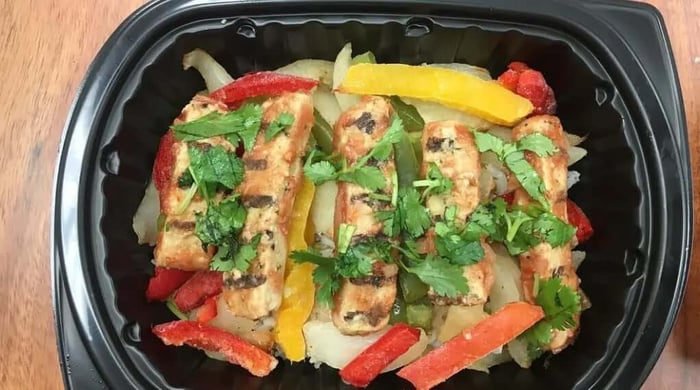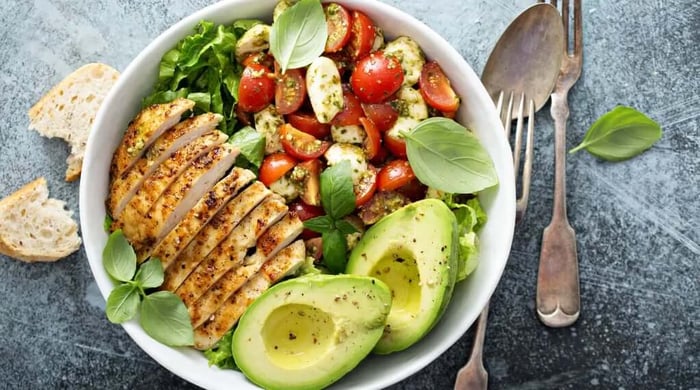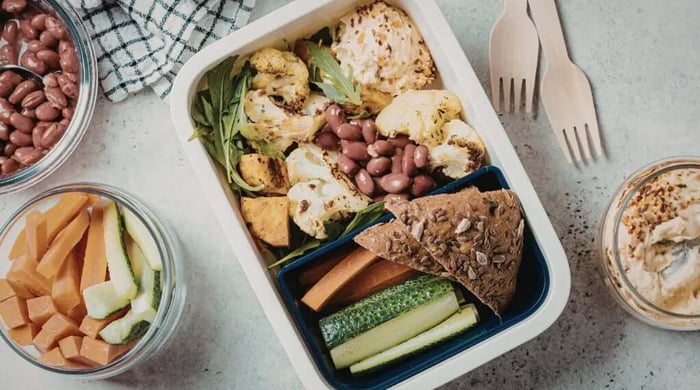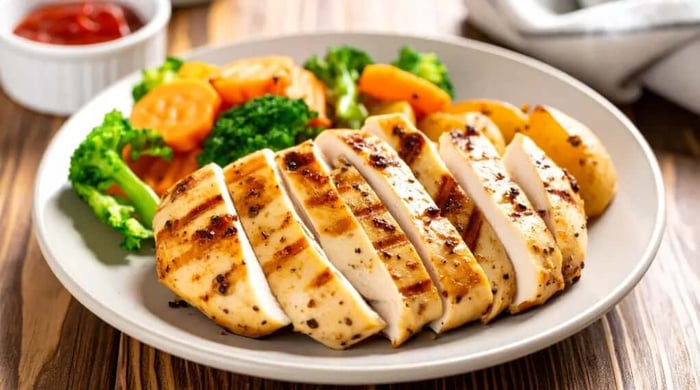
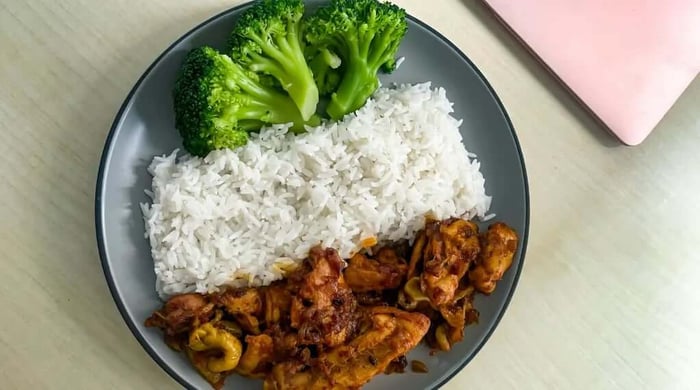
If you've been searching for a meal that supports heart health without sacrificing bold, satisfying flavor, this Low-Cholesterol Chicken and Vegetable Power Bowl deserves a permanent spot in your weekly rotation. Built around lean, skinless chicken breast and a colorful medley of nutrient-dense vegetables, this bowl delivers a complete meal that keeps your blood lipid levels in check while fueling your body with everything it needs to thrive.
Recipe at a Glance
Before you dive into the pantry, here's a snapshot of everything you need to know about timing, yield, and difficulty to plan your cooking session with confidence. This overview also helps you decide whether to meal-prep multiple servings at once or cook a single portion for tonight's dinner:
Prep Time: 15 minutes — this covers washing and chopping vegetables, slicing chicken breast into even strips, measuring spices, and whisking together the tahini-lemon dressing.
Cook Time: 25 minutes — the sweet potatoes and chicken roast simultaneously in the oven at 400°F (200°C), while the brown rice and quinoa blend simmers on the stovetop and the broccoli steams in the final five minutes.
Total Time: 40 minutes from the moment you pull out your cutting board to the moment you sit down with a fully assembled bowl.
Servings: 4 generous bowls, each containing approximately 480 calories, making this ideal for batch cooking on a Sunday afternoon and portioning into glass containers for the week ahead.
Meal prep doesn't have to be complicated.
Get our free guide — shortcuts, meal ideas, and a system that makes eating well the easy option.
Ingredients
The typical ingredients used in chicken and vegetable power bowls, as well as possible substitutions to accommodate dietary preferences or restrictions. Gathering your ingredients before you begin cooking, a practice the French call mise en place, is especially important for this recipe because you'll be managing the oven, stovetop, and dressing prep simultaneously.
1.5 pounds boneless, skinless chicken breast — look for organic or free-range if your budget allows, as these tend to have a slightly better omega-6 to omega-3 fatty acid ratio than conventionally raised poultry.
1 cup brown rice, dry — long-grain or short-grain both work, though long-grain produces fluffier, more separated grains that integrate nicely into a bowl format.
½ cup white quinoa, dry — rinse quinoa under cold water for 30 seconds to remove the natural saponin coating, which can taste bitter. Most pre-packaged quinoa is pre-rinsed, but a quick rinse never hurts.
2 medium sweet potatoes (about 1 pound total), peeled and cut into ¾-inch cubes — orange-fleshed varieties deliver the highest beta-carotene content, which your body converts into vitamin A for immune and eye health.
3 cups broccoli florets — cut them into bite-sized pieces of roughly equal size so they steam evenly. Save the stems for stir-fries or soups later in the week.
2 cups fresh baby spinach — baby spinach is more tender and less bitter than mature spinach, making it ideal for eating raw as a bowl base.
1 cup shredded purple cabbage — pre-shredded bags from the produce section save time, but slicing a fresh head yields crunchier, more vibrant results.
1 ripe avocado, sliced — a perfectly ripe avocado yields slightly to gentle pressure near the stem end and has dark green to nearly black skin.
3 tablespoons tahini (sesame seed paste) — choose a brand that lists only sesame seeds and possibly salt on the ingredient label, with no added oils or sweeteners.
2 tablespoons fresh lemon juice (about 1 lemon) — freshly squeezed is noticeably brighter in flavor than bottled. Roll the lemon on the counter under your palm before cutting to release more juice.
1 tablespoon extra-virgin olive oil — used sparingly for roasting the sweet potatoes and chicken. Extra-virgin olive oil provides the most polyphenols and heart-protective monounsaturated fats.
1 teaspoon ground cumin — toasting the cumin in a dry skillet for 30 seconds before using it deepens its earthy, warm aroma.
1 teaspoon smoked paprika — this adds a subtle campfire note without any heat. Substitute sweet paprika if you prefer a milder profile.
½ teaspoon garlic powder — a convenient alternative to fresh garlic that distributes evenly across the chicken and sweet potatoes during roasting.
½ teaspoon sea salt, plus more to taste — fine-grain sea salt dissolves faster and seasons more uniformly than coarse varieties when rubbed onto protein.
¼ teaspoon freshly ground black pepper — grinding whole peppercorns at the moment of use preserves the volatile oils responsible for pepper's sharp, piney bite.
1 tablespoon warm water — added to the tahini dressing to thin it to a pourable, drizzle-friendly consistency.
Optional garnishes: sesame seeds, chopped fresh cilantro, a pinch of red pepper flakes — these finishing touches add visual appeal and micro-layers of flavor that elevate the bowl from good to outstanding.
Once everything is measured, chopped, and laid out on your counter, you're ready to move seamlessly through the cooking process without any frantic mid-recipe scrambling.
Instructions
The detailed process of making chicken and vegetable power bowls includes marinating, cooking, roasting, and assembling the components. The key to efficiency here is starting the oven and the stovetop at the same time, so both components finish within minutes of each other.
Preheat the oven to 400°F (200°C) and line a large sheet pan with parchment paper to prevent sticking and make cleanup effortless.
Combine the brown rice and quinoa in a medium saucepan with 2.5 cups of water and a pinch of salt, then bring the mixture to a boil over high heat. Once boiling, reduce the heat to low, cover tightly, and simmer for 20 to 22 minutes until all the water is absorbed and the grains are tender.
Toss the cubed sweet potatoes with half the olive oil, half the cumin, half the smoked paprika, and a pinch of salt in a bowl, then spread them in a single layer on one half of the prepared sheet pan, leaving space between pieces so they roast rather than steam.
Season the chicken breasts with the remaining olive oil, cumin, smoked paprika, garlic powder, salt, and black pepper, rubbing the spice mixture evenly across all surfaces. Place the chicken on the other half of the sheet pan alongside the sweet potatoes.
Roast the chicken and sweet potatoes together for 22 to 25 minutes, flipping the sweet potato cubes once halfway through. The chicken is done when an instant-read thermometer inserted into the thickest part reads 165°F (74°C) and the juices run clear.
Steam the broccoli florets during the last five minutes of roasting by placing them in a steamer basket over simmering water for four to five minutes until they are bright green and tender-crisp. Alternatively, microwave them in a covered bowl with two tablespoons of water for three minutes.
Prepare the tahini-lemon dressing by whisking together the tahini, lemon juice, warm water, and a pinch of salt in a small bowl until smooth and pourable. Adjust the consistency with additional water, one teaspoon at a time, if the dressing feels too thick.
Let the chicken rest on a cutting board for three minutes after removing it from the oven, then slice it against the grain into thin strips. This resting period allows the juices to redistribute, resulting in moister, more flavorful meat.
Fluff the cooked grain blend with a fork to separate the grains and release excess steam, which helps prevent the base of your bowl from becoming gummy or clumpy.
Assemble the bowls by dividing the grain mixture evenly among four bowls, then arranging the sliced chicken, roasted sweet potatoes, steamed broccoli, fresh spinach, shredded purple cabbage, and avocado slices in sections on top of the grains. Keeping the components separate makes the bowl visually striking and lets each person mix to their own preference.
Drizzle the tahini-lemon dressing generously over each bowl and finish with optional sesame seeds, chopped cilantro, or a pinch of red pepper flakes for color and an extra dimension of flavor.
Serve immediately while the chicken and sweet potatoes are still warm, and the spinach and cabbage provide a refreshing cool contrast.
Each completed bowl should be a vibrant mosaic of colors and textures.
Sauces and Dressings
A well-chosen sauce or dressing can transform a chicken and vegetable power bowl from simple to spectacular, enhancing both flavor and nutrition. Classic options like a homemade tahini-lemon dressing, Greek yogurt-based tzatziki, or a zesty cilantro-avocado sauce add creaminess without excess saturated fat. For a Mediterranean twist, try a light Greek vinaigrette made with olive oil, lemon juice, Dijon mustard, and herbs. Preparing these at home is easy. Simply whisk the ingredients together and adjust the seasoning to taste. Opt for healthy fats like olive oil or avocado, limit added sugars, and experiment with fresh herbs for vibrant, heart-friendly flavor.
Nutrition Information (Per Serving)
One must understand that nutritional aspects of the power bowls often include calorie counts, macronutrient breakdowns, and considerations for low-cholesterol diets. Understanding exactly what you're putting into your body is essential when you're actively managing cholesterol levels.
Calories: 480 kcal — a moderate calorie count that fits comfortably within most weight-maintenance and weight-loss meal plans without leaving you hungry an hour later.
Total Fat: 14 g — the majority comes from heart-healthy monounsaturated and polyunsaturated sources (avocado, tahini, olive oil), with only 2.5 g of saturated fat per serving.
Saturated Fat: 2.5 g — well below the American Heart Association's recommendation to limit saturated fat to no more than 13 grams per day on a 2,000-calorie diet.
Trans Fat: 0 g — no hydrogenated oils or processed ingredients are used anywhere in this recipe.
Cholesterol: 95 mg — significantly lower than meals built around red meat, eggs, or cheese-heavy sauces, and well within the general guideline of keeping daily dietary cholesterol below 300 mg.
How to Buy and Prep Chicken Breast
There are strategies for preparing chicken and vegetable power bowls ahead of time, along with best practices for storing them to maintain freshness and quality. Fresh chicken breast has a firmer texture and absorbs seasoning more readily than thawed frozen breast, which can release excess moisture during roasting and dilute the spice crust you've worked to build. It should appear uniformly pink with a slight sheen. Any discoloration, sliminess, or off-putting odor indicates the meat is past its prime and should be avoided.
Keeping the grains, chicken, roasted sweet potatoes, steamed broccoli, raw vegetables, and dressing in individual airtight containers prevents moisture migration, particularly important because wet ingredients like dressing will turn crisp cabbage and spinach soggy within hours.
The USDA recommends that perishable foods not sit at room temperature for more than 2 hours to minimize bacterial growth. Transfer sliced chicken to a shallow container so it cools quickly and evenly. Glass doesn't absorb odors or stain the way plastic does, and the tight seal prevents air exposure, which accelerates oxidation and staleness in cooked grains and proteins.
Pro Tips
Even experienced home cooks can benefit from a few insider techniques that take this power bowl from merely good to truly restaurant-quality.
Marinate the chicken for 30 minutes if time allows. Combining the spice rub with a tablespoon of lemon juice and letting it sit on the chicken in the refrigerator creates a shallow flavor penetration that makes every bite taste seasoned all the way through, not just on the surface.
Roast sweet potatoes on the lower oven rack. Positioning them closer to the heat source accelerates caramelization on the bottom surface, producing those coveted crispy edges while keeping the interior soft and creamy.
Toast the quinoa in a dry saucepan for two minutes before adding water. This optional step drives off residual moisture and creates a subtle nutty aroma that carries through the cooked grain, adding a layer of complexity that raw-cooked quinoa simply cannot match.
Add a splash of rice vinegar to the shredded cabbage. Tossing the purple cabbage with half a teaspoon of rice vinegar and a pinch of salt 10 minutes before assembling the bowl softens its raw bite and intensifies its natural tanginess, creating a quick-pickled effect without the wait.
Warm your serving bowls in the oven for two minutes. Placing your bowls in the oven while the chicken rests keeps the grains and roasted components hot longer, which matters especially if you're plating for a group and the last bowl would otherwise go lukewarm.
Applying even two or three of these tips will noticeably improve the finished bowl, and once they become habitual, they'll enhance almost every meal you prepare.
Frequently Asked Questions
Can I substitute chicken thighs for chicken breast?
Boneless, skinless chicken thighs are slightly higher in fat and cholesterol than breast meat, but the difference is modest, roughly 25 additional milligrams of cholesterol per serving, so they remain a reasonable option if you prefer the richer flavor and more forgiving texture of dark meat.
Is this recipe safe for people on statin medications?
While this bowl is designed to complement a heart-healthy diet, it is not a substitute for medical treatment; always follow your physician's guidance regarding dietary restrictions, and note that the high vitamin K content in spinach and broccoli may interact with certain blood-thinning medications.
Can I use white rice instead of brown rice?
White rice lacks the bran and germ layers that provide most of the fiber and B vitamins found in brown rice, so the cholesterol-lowering benefit of the grain base would be significantly reduced; if you prefer a lighter texture, try substituting cauliflower rice for half the grain portion instead.
What if I don't have tahini?
A smooth, natural almond butter or sunflower seed butter can replace tahini at a one-to-one ratio in the dressing; the flavor profile will shift slightly, but the creamy texture and healthy fat content remain comparable.
How do I make this recipe vegan?
Replace the chicken breast with one block of extra-firm tofu, pressed for 15 minutes, then cubed, seasoned, and roasted identically; tofu contains zero cholesterol, absorbs the cumin-paprika rub beautifully, and adds 20 grams of plant protein per serving.
My sweet potatoes always come out soggy — what am I doing wrong?
Overcrowding the sheet pan is the most common culprit, because too many cubes packed closely together create steam rather than allowing hot, dry air to circulate; spread them in a single layer with at least half an inch between pieces, and resist the urge to stir them more than once.
Can I add cheese to this bowl?
A small sprinkle of crumbled feta (about 1 tablespoon per bowl) adds only 4 grams of fat and 13 milligrams of cholesterol, a reasonable indulgence; however, heavy-handed additions of shredded cheddar or parmesan would undermine the recipe's low-cholesterol intent.
Is this bowl gluten-free?
Brown rice and quinoa are both naturally gluten-free grains, and none of the other ingredients contain gluten; just verify that your spice blends don't include anti-caking agents derived from wheat, and purchase quinoa labeled "certified gluten-free" if you have celiac disease.
How can I add more spice to this bowl?
Incorporate half a teaspoon of cayenne pepper into the spice rub, add a diced jalapeño to the sheet pan alongside the sweet potatoes, or finish each bowl with a drizzle of sriracha or chili crisp oil. All of these options add heat without adding cholesterol or significant calories.
What other vegetables work well in this bowl?
Roasted bell peppers, steamed asparagus, raw shredded carrots, edamame, sliced radishes, and sautéed zucchini all integrate seamlessly. The key is to maintain a balance of at least one roasted vegetable, one steamed or raw green vegetable, and one crunchy raw element for textural variety.
What are some other healthy power bowl recipes I can try?
If you enjoy this low-cholesterol chicken and vegetable power bowl, there’s a whole world of healthy, satisfying bowl meals to keep your menu fresh and exciting. Learn suggestions for other similar recipes or meal ideas, often linking to other bowl recipes or dishes suitable for meal prep.
How can I customize my chicken and vegetable power bowl to suit my preferences or dietary needs?
There are endless ways to make your power bowl your own. There are additional ideas for customizing power bowls, such as alternative proteins, grains, or vegetables, to suit individual tastes and dietary needs. Try swapping in different proteins like tofu, shrimp, or chickpeas, use grains such as farro, barley, or cauliflower rice, and mix up the vegetables with whatever is in season or in your fridge.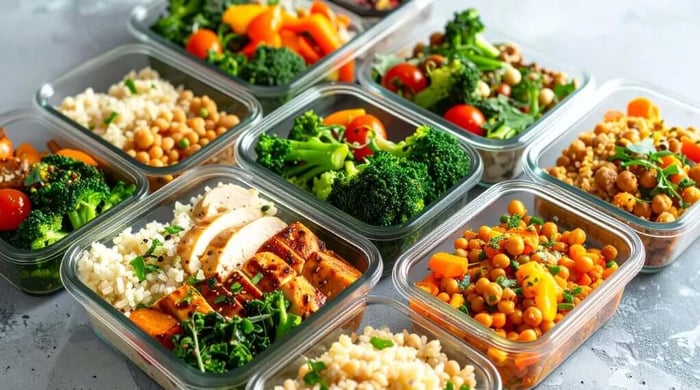
The best part about a power bowl is its inherent adaptability. Trust your instincts, taste as you go, and adjust to make this recipe your own.