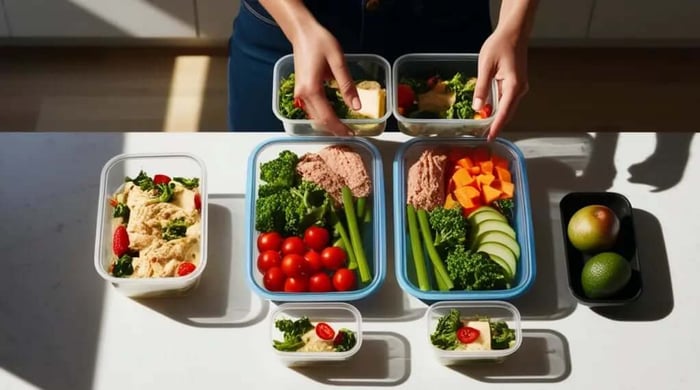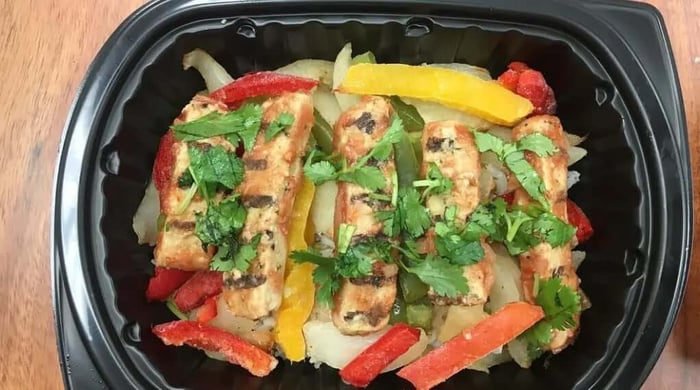
The conventional wisdom says cooking from scratch is cheaper and healthier. The wisdom is partially correct but increasingly outdated. When the comparison includes the full cost of groceries, time, calorie inaccuracy, and food waste, the math often favors prepared meal delivery for working adults. The choice between cooking and delivery is a logistical and financial question with answers that depend on specific household variables. This guide unpacks the comparison across the three dimensions that matter most: time, money, and calorie accuracy. Healthy meal delivery prepared options now compete on grounds that did not exist a decade ago.
Why The Comparison Matters Now
The Generational Shift In Cooking Patterns
Average daily cooking time has dropped from 90 minutes in 1965 to 37 minutes in 2024. The decline reflects both the adoption of convenience foods and pressures on adults' time. The original cooking-from-scratch numbers used in cost comparisons assumed time investments that virtually no current adult makes. Updated comparisons need updated baseline assumptions.
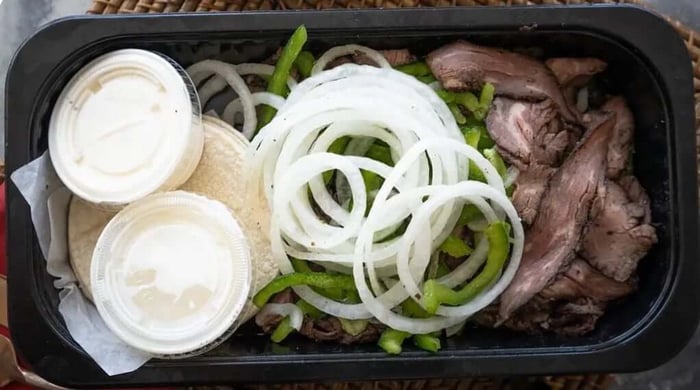
Twenty years ago, prepared meals meant TV dinners with poor ingredients and worse nutrition. Modern healthy prepared meals home delivery services use real ingredients and rotate menus seasonally. The product category has changed, even though older mental models persist among consumers who have not tried current options. Home cooking introduces calorie estimation errors averaging 20 to 50 percent. Pre-portioned meals carry verified counts on every label. The accuracy gap matters most for adults pursuing specific physique or health goals, where the difference between estimated and actual calories determines whether the goal is reached.
The cooking time number understates the true investment. Grocery shopping, meal planning, prep, cooking, eating, and cleanup add up to a true investment of 10 to 14 hours per week for households that cook most meals from scratch. The best healthy prepared meal delivery option typically reduces this to under 2 hours per week.
Time Cost Per Meal: Home Cooking Versus Meal Delivery
A simple home-cooked dinner from scratch typically requires 15 minutes of grocery time per meal, averaged across the week, 10 minutes of meal planning, 30 minutes of active cooking, 15 minutes of eating, and 15 minutes of cleanup. Total: 85 minutes per meal. The number rises for elaborate dishes and falls slightly for simple ones, but 60 to 90 minutes is the realistic range.
A delivery meal requires 5 minutes of weekly menu selection (averaged per meal), 0 minutes of shopping, 4 minutes of reheating, 15 minutes of eating, and 1 minute of cleanup. Total: 25 minutes per meal. The 60-minute difference per meal compounds across a week to 7 to 10 hours saved on a five-meal-per-week pre-made schedule. A working professional billing $50 per hour values 8 hours at $400. A parent of young children might value 8 hours of evening time differently, but no less significantly.
Financial Cost Per Meal: True Numbers
Real Grocery Cost Per Home-Cooked Meal
USDA data from 2024 shows the average ingredient cost for a home-cooked meal at $4 to $7 per serving. The number ignores food waste, which adds 30 to 40 percent to the true per-meal cost. Adjusted for waste, the actual grocery cost ranges from $5.50 to $9.50 per serving for a typical adult eater. Meal delivery prices range from $9 to $14 per meal at typical service prices. Premade meal delivery options targeting weight loss and macro goals usually fall in the $9 to $12 range. There is no waste cost because the meals arrive pre-portioned. The advertised price is the actual paid cost.
The Hidden Cost Of Cooking Time
Time spent cooking has economic value even for adults not directly billing hours. The average household budgets cooking time at $0 in mental accounting, but the real opportunity cost is closer to $20 to $40 per hour in equivalent earnings or rest time. A 60-minute home-cooked meal carries $20 to $40 in unbooked time cost on top of the grocery cost.
Why The Comparison Often Favors Delivery
Adding time cost to grocery cost brings home-cooked meals to a true total of $25 to $45 per meal for households that account honestly. Healthy meal delivery prepared at $10 per meal genuinely wins the cost comparison once time is included. The narrative of cheap home cooking holds only when time is treated as free, which it never actually is.
Calorie Accuracy: Home Cooking Versus Pre-Portioned Meals
Calorie accuracy is the most underrated comparison dimension because consumers rarely measure it. Consumer calorie estimates for restaurant and home meals are off by an average of 175 calories per meal. The pattern is consistent, and people underestimate. Over three meals per day, the daily error compounds to more than 500 calories of unrecorded intake.
Pre-portioned meals are weighed during preparation by commercial scales. The label numbers reflect actual content, not estimates. Healthy meal delivery service options targeting weight loss publish accuracy specifications, and many brands meet or exceed FDA labeling tolerances of plus or minus 20 percent.
A 200-calorie daily inaccuracy over 30 days results in 6,000 calories of unaccounted intake, roughly 2 pounds of fat gain. The same accuracy issue over the course of a year explains why most home-cooked weight-loss attempts produce slower-than-expected results. The best healthy premade meal delivery services eliminate inaccuracy entirely, which is a significant structural advantage for goal-driven eaters. Tracking macros from home-cooked meals requires entering recipes and performing database lookups for every dish. Tracking macros from pre-made meals requires reading a label. The cognitive and time burdens of macro tracking fall by 80 to 90 percent when meals are pre-portioned, making serious tracking actually feasible for working adults.
A Cost-Benefit Analysis
Running the comparison honestly produces clearer answers than guessing. The process below works for any household and produces a personalized verdict in about 30 minutes of analysis. Most adults find the result surprises them:
Calculate Your Honest Hourly Time Value: Use your hourly wage if employed, or estimate at $20 to $40 per hour for non-working time you would otherwise want to protect. The number frames every other comparison and prevents the common error of treating cooking time as free. Even modest hourly values shift the math significantly.
Track Home Cooking Time For One Week: Log every minute spent on grocery shopping, meal planning, cooking, eating, and cleanup for a typical week. Multiply by your hourly value. The total time investment often exceeds $200 per week, which most households never count. Healthy home delivery prepared meals at $50 per week starts looking different against this baseline.
Track Real Grocery Spending Including Waste: Sum grocery receipts for one month. Divide by meals actually cooked and eaten, not meals theoretically cooked. The waste-adjusted number is usually 30 to 50 percent higher than the headline grocery total.
Calculate Pre-Made Meal Math For Comparison: Multiply the per-meal price of the target service by the number of meals you would order per week. Add shipping if applicable. Compare to the corrected home-cooking total from step three. The numbers are usually closer than expected, and time-value tips many households toward delivery.
Run The Calorie Accuracy Test: For two weeks, weigh and track every home-cooked meal precisely. Compare to your estimates. Most adults discover their estimates were 20 to 30 percent low. The accuracy gap has direct implications for weight, performance, and health goals that home cooking cannot easily close.
Some households conclude that home cooking remains the right choice because they enjoy it and have the time. Others find that delivery or hybrid systems beat home cooking on multiple metrics. The data tells the truth either way, and the analysis itself rarely takes more than a few hours of focused effort.
What To Look For In A Service That Beats Home Cooking
Not every meal delivery service genuinely outperforms home cooking on cost, time, or calorie accuracy. The features below identify a service that wins the comparison rather than just claiming to.
Verified Calorie Accuracy On Every Label: Look for brands that publish accuracy specifications, ideally within 5 percent of label values. Healthiest prepared meal delivery service options targeting fitness customers typically exceed FDA labeling tolerances by significant margins.
Variety Sufficient To Replace Home Cooking Long-Term: A 25- to 40-meal rotating menu beats the typical home-cooking variety, which most surveys show clusters around 9 distinct dishes per household over a year.
Macro Transparency On Every Meal: Pre-made meals only beat home cooking on calorie accuracy when the labels publish full nutrition data.
The comparison reverses cleanly when these features are present, and the household savings in time, money, and calorie accuracy compound across years of consistent use.
Where Home Cooking Still Wins
For adults who genuinely enjoy cooking as a creative outlet, the comparison shifts. The time spent cooking is itself a benefit rather than a cost. The question becomes how often to enjoy cooking versus how often to outsource it for efficiency. Some dishes carry cultural or family meaning that prepared services cannot replicate. Sunday dinners and traditions tied to specific meals fit home cooking better than delivery. The hybrid approach lets you preserve the meaningful cooking and outsource the rest.
Common Cost Calculation Mistakes
Treating Cooking Time As Free
The most common mistake is assigning $0 to cooking time. Time is not free even when the cook is not directly working. The opportunity cost shows up as tiredness, lost rest, or deferred activities. Even modest hourly values change the math. Pretending time is free almost always biases the comparison toward home cooking in the wrong direction.
Ignoring Food Waste In Grocery Calculations
Most households waste 25 to 40 percent of grocery purchases. The waste is invisible because produce gets composted and proteins get tossed without conscious accounting. Frozen meal delivery service options have near-zero waste, while home cooking nearly always has significant waste. Calculations that ignore waste unfairly flatter home cooking.
Forgetting The Calorie Accuracy Variable
Two diets with the same calorie target do not produce the same results when one is accurate, and the other is off by 20 percent. The accuracy gap has financial value for anyone with a body-composition or health goal. Home cooking that falls short of the goal incurs hidden costs in supplements and programs.

How To Build A Hybrid System
Pure delivery and pure home cooking both leave benefits on the table. A hybrid system captures the strengths of each. The three structures below cover most household preferences and produce strong results:
The 70/30 Delivery-Heavy Hybrid: 70% delivery, 20% home cooking, 10% restaurants. This structure suits busy professionals, single parents, and adults with significant time pressures. The cooking happens on weekends as a creative outlet rather than a daily obligation.
The 50/50 Balanced Hybrid: Half delivery, half home cooking, with restaurants as occasional additions. This balanced structure works for households where one person enjoys cooking but does not have time to do it daily. The delivery handles weekday meals while home cooking covers select dinners and weekends.
The 30/70 Cooking-Heavy Hybrid: Thirty percent delivery, sixty percent home cooking, ten percent restaurants. This structure suits households with cooks who want delivery only as a backup for the busiest weeks. Healthy meal delivery service options serve as a safety net rather than a default, but the structural availability prevents the meal-skipping that derails most cooking-heavy plans.
The cooking-versus-delivery comparison comes down to specific household variables, not universal answers. Honest accounting usually shows the modern delivery option costs less than expected and saves more time than expected. Browse the Clean Eatz Kitchen meal plans and run the math against your own household reality. The right answer is the one your honest spreadsheet produces, not the one cultural narrative implies.
Sources
Block, J. P., Condon, S. K., Kleinman, K., Mullen, J., Linakis, S., Rifas-Shiman, S., & Gillman, M. W. (2013). Consumers' estimation of calorie content at fast food restaurants. JAMA Internal Medicine, 173(13), 1226-1227. Jamanetworkjamanetwork.com/journals/jamainternalmedicine/article-abstract/1788525
Wolfson, J. A., & Bleich, S. N. (2015). Is cooking at home associated with better diet quality or weight-loss intention? Public Health Nutrition, 18(8), 1397-1406. Cambridgecambridge.org/core/journals/public-health-nutrition/article/abs/is-cooking-at-home-associated-with-better-diet-quality-or-weightloss-intention/F94D58CB814C57BE2A4F4DAF7AB67050
Smith, L. P., Ng, S. W., & Popkin, B. M. (2013). Trends in US home food preparation and consumption. Nutrition Journal, 12(1), 45. BiomedcentralTrends in US home food preparation and consumption: analysis of national nutrition surveys and time use studies from 1965–1966 to 2007–2008
U.S. Department of Agriculture. (2024). Food prices and spending. Economic Research Service. Usdaers.usda.gov/topics/food-markets-prices/food-prices-and-spending
U.S. Department of Agriculture. (2024). Food loss and waste. USDA. Usdausda.gov/foodlossandwaste
Bureau of Labor Statistics. (2024). American Time Use Survey. U.S. Department of Labor. BlsATUS home