
Do you often come home hungry, only to find nothing healthy ready to eat? Meal prepping might be the solution.
Meal prep for beginners is about planning and cooking meals ahead of time so you always have nourishing options on hand. By dedicating a few hours each week to preparing ingredients and cooking in batches, you can stock your fridge with ready-to-go food prep meals. This not only saves time on busy weekdays but also supports better eating habits. This beginner’s guide will walk you through healthy meal prep ideas so you can confidently embrace meal prep and enjoy nutritious homemade meals every day.
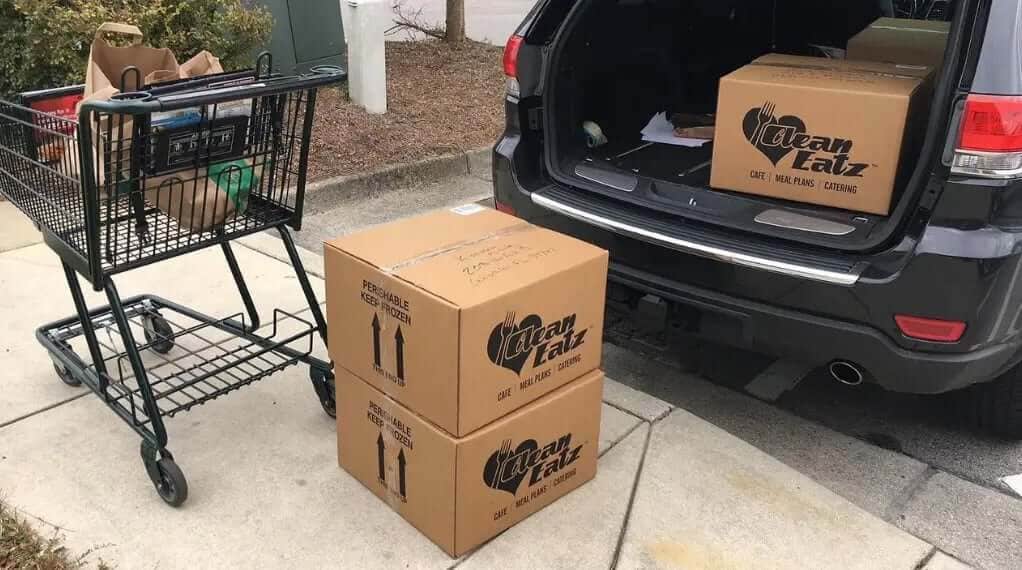
What Is Meal Prepping and Why Do It?
Meal prepping means preparing some or all of your meals in advance. This could range from chopping vegetables for the week to cooking entire dishes and portioning them out for each day. The goal is to have healthy meals ready to eat with minimal effort later on. You might cook a big pot of soup or a tray of roasted chicken and veggies on Sunday, then pack them into containers as lunches or dinners for the next few days. Amid hectic schedules, meal prep is a powerful tool to stay on a nutritious eating plan rather than grabbing quick, unhealthy options.
Meal prep doesn't have to be complicated.
Get our free guide — shortcuts, meal ideas, and a system that makes eating well the easy option.
Planning Your Meals: Healthy Meal Planning Tips
Successful meal prep starts with good planning. Here are some tips to guide you:
Start small and be realistic: If you’re new to meal prep, don’t overwhelm yourself by trying to prep breakfast, lunch, and dinner for seven days straight. It’s okay to start with prepping just a few meals. Aim to prepare enough dinners for 2–3 nights of the week at first. Choosing a manageable scope will help you build confidence and not burn out.
Plan for variety: Eating the same thing every single day can lead to “menu fatigue” and tempt you to abandon your meal plan. To keep things interesting, plan a mix of cuisines and food types through the week. Perhaps Monday is a stir-fry, Tuesday a whole-grain pasta dish, Wednesday a hearty salad, etc. Also, vary the fruits or snacks you include. This variety makes your diet more enjoyable and provides a wider range of nutrients.
Choose easy meal prep recipes: When selecting what to cook, favor recipes that are simple to prepare and that store well. One-pot or one-pan recipes and meals that don’t require last-minute complicated steps are ideal. For beginners, some great options include chili or stew, baked chicken with vegetables, quinoa or rice bowls, overnight oats for breakfasts, or salads in a jar. These kinds of dishes are straightforward, and they reheat nicely or can be eaten cold. Starting with a few tried-and-true meal prep for beginners recipes will set you up for success.
Make a detailed grocery list: Once you’ve decided on your meals, list out all the ingredients you’ll need. Check your pantry for staples you already have, then write down everything else to buy. Sticking to a list helps you avoid impulse food purchases and ensures you don’t forget any key ingredient. It’s also a good idea to organize your list by section to make the shopping trip efficient. Having a well-thought-out grocery list is one of the most fundamental healthy meal planning tips.
Prep for your schedule: Consider how much time you can allocate for meal prep and plan accordingly. If your Sundays are free, you might do a big cooking session then. Alternatively, some people split prep into two sessions to have fresher food mid-week. The key is to schedule meal prep like an appointment with yourself. Put it on your calendar so you’re committed to it. Treat that time as non-negotiable, just as you would a work meeting or class. Over time, prepping will become a habit embedded in your weekly routine.
Remember to account for leftovers and spontaneous changes. If you expect a dinner out or an office lunch meeting during the week, plan fewer meals for those days. Flexibility is important. By planning ahead thoughtfully, you set the stage for smooth cooking sessions and ready-to-eat food prep meals that align with your health goals.
Efficient Cooking Strategies for Meal Prep
With your meal plan and groceries in hand, it’s time to cook. How you approach your meal prep cooking session can make a big difference in efficiency. Here are strategies to streamline the process and make meal prep cooking easier:
Cook in batches: Meal prep usually involves batch cooking, or making large quantities that can be split into multiple servings. Pick recipes that scale up well such as soups, stews, or one-sheet pan recipes. Eat one portion for dinner the day you cook, then pack the rest for upcoming meals.
Multitask wisely: To get the most done in a single session, multitasking is key. Start with foods that take the longest to cook, such as roasting meats or baking potatoes, so they can cook in the background while you handle quicker tasks. For instance, you might put a whole grain on the stove or in a rice cooker, roast a pan of vegetables in the oven, then chop fresh ingredients or assemble salads while those two items are cooking. Focus first on the items that need the most cooking time, so they’re underway, then fill in with faster tasks. By the time the long-cook items are done, you’ll have finished prepping other components.
Use time-saving appliances: Consider tools like a slow cooker, pressure cooker (Instant Pot), or oven to cook large quantities without constant supervision. For example, a slow cooker can simmer a stew or curry for several hours. You can start it and let it cook while you prep other items (or even overnight). A sheet pan in the oven can roast a medley of vegetables or chicken pieces all at once. Using these appliances lets you cook multiple recipes in parallel.
Prepare components for mix-and-match meals: You don’t always have to cook full recipes. Another approach is to prep individual components that can be mixed into different meals. For example, grill or bake some chicken breasts, boil a large batch of whole-wheat pasta or quinoa, and chop a variety of vegetables. These components can then be combined in various ways throughout the week. One day you toss the chicken and veggies with pasta and sauce, another day you put them over greens for a salad or into a wrap. This mix-and-match strategy keeps meals from feeling too repetitive.
Season and taste as you go: One potential downside of making meals ahead is that if something is under-seasoned, it will be underwhelming all week. So, be sure to season your dishes well during prep. Taste as you cook and adjust salt, spices, or herbs. You can always add a dash of fresh lemon, hot sauce, or a sprinkle of herbs when reheating to brighten flavors.
Portion everything out: As soon as each dish is cooked, divide it into individual portions. Use containers that match the portion size of one meal for you. Use measuring cups and spoons, or even a food scale as well to provide consistent portions in each container. Having grab-and-go, pre-portioned meals means no extra work in the morning or when you’re in a rush. It also prevents overeating, since each portion is decided in advance. Label each container if needed so you know what’s what.
By employing these cooking strategies, your easy meal prep recipes will come together faster and with less stress. A bit of organization turns a few hours of effort into a whole week’s worth of healthy meals.
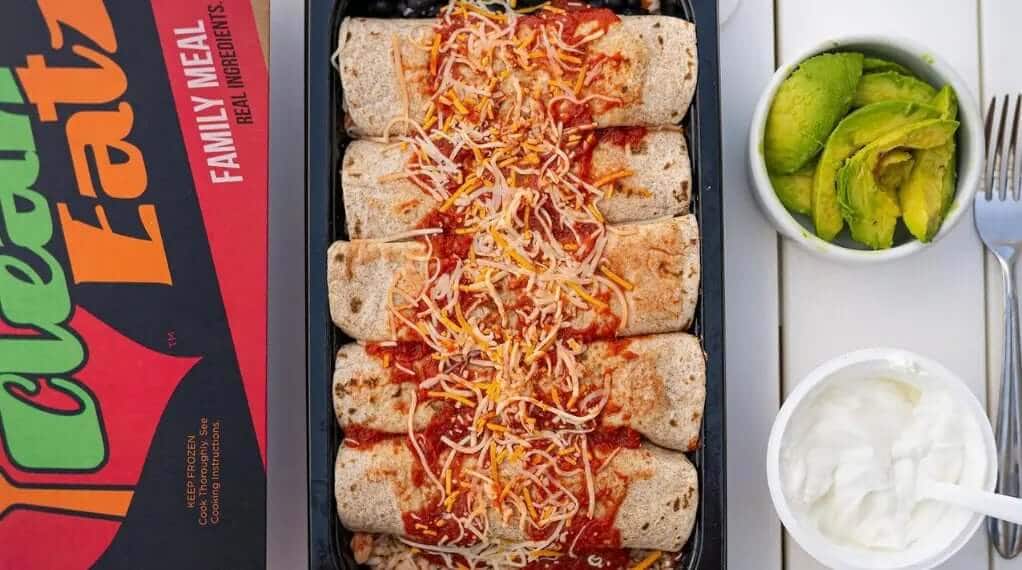
Meal Prep Storage Tips: Storing and Reheating Safely
As soon as your food is cooked and slightly cooled, place into the refrigerator. Don’t let prepared dishes sit out on the counter for hours. Perishable foods should be refrigerated within 2 hours of cooking to prevent bacterial growth. Divide the food into shallow containers to cool faster in the fridge. Already cooked meal delivery services flash-chill their meals for safety. You should likewise be prompt about chilling your homemade dishes.
Store your meals in airtight, leak-proof containers. If possible, use BPA-free plastic or glass containers that are microwave-safe. Glass containers or mason jars are great for salads and soups, while sturdy plastic containers work for things like grain bowls. Make sure containers seal well to avoid spills and to keep air out, which can cause food to spoil faster. If you’re prepping salads, keep dressing separate until it’s time to eat so the greens stay crisp.
Even with refrigeration, prepared meals have a limited safe lifespan. As a general rule, most cooked foods will keep well in the fridge for about 3 to 4 days before quality or safety declines. For example, cooked meats, poultry, or casseroles are best used within four days. Some items, like cooked seafood or cut fruits, might only last 2–3 days.
Frozen storage
If you won’t eat something within 4 days, consider freezing it right away. Cooked leftovers are safe in the refrigerator for up to 4 days and can be frozen for 2–3 months with minimal loss of quality. Keep an eye on use-by dates if you prepped ingredients like boiled eggs or dairy-based dishes. Those may have shorter fridge lives.
Freezing is your friend for extending meal prep longevity. Many healthy premade meals can be cooked in bulk and frozen to eat weeks or even months later. To freeze effectively, use freezer-safe containers or heavy-duty freezer bags. Remove as much air as possible, label each item with the date and name of the dish, and try to freeze in portions you’ll use at one time.
Foods like soups, stews, chili, cooked grains, and baked pasta dishes generally freeze well. On the other hand, raw high-water veggies or dishes based on yogurt or mayonnaise don’t freeze well. Thaw frozen meals safely by moving them to the fridge the night before, or use the microwave defrost setting if you need it immediately.
Reheating food prep meals
When it’s time to eat, reheat your food prep meals thoroughly to kill any potential bacteria. Some tips for reheating include:
- Microwave until the food is piping hot, or reheat on the stovetop or oven until it reaches at least 165°F (74°C) throughout. Soups should be brought to a boil.
- For meals meant to be eaten cold, just ensure they stay refrigerated. One handy tip: add a sprinkle of water or a drizzle of oil when reheating rice, pasta, or meats to help keep them moist.
- When reheating in the microwave, always use microwave-safe dishes or open the lid vent when microwaving to avoid explosions or melted containers.
- Keep your fridge organized. Store the oldest meals at the front so you remember to eat them first. If you’ve labeled containers with dates, follow the “first in, first out” rule. A clean, organized fridge not only minimizes waste but also makes it easy to grab your prepared meal and go.
Keeping It Healthy: Clean Eating and Balanced Meals
One common reason people do meal prep is to eat healthier. When you’re cooking for yourself, you have full control over the ingredients, which makes it easier to follow a clean eating meal prep approach. But what exactly is “clean eating”?
Clean eating means focusing on whole, minimally processed foods for most of your dietary pattern. Basically, choosing foods that are as close as possible to their natural state. Instead of premade, processed meals high in sugar, salt, and artificial additives, clean eating emphasizes things like fresh vegetables and fruits, lean proteins, whole grains, and healthy fats in their natural form. By building your meal prep around wholesome ingredients, you’ll be nourishing your body with a high density of nutrients and limited empty calories.
Not only will you likely feel better and more energized eating this way, but you’ll also find that your meals are naturally rich in the vitamins, minerals, and fiber that processed foods lack. Clean, healthy eating doesn’t mean boring. Over time, your taste buds will adjust to the fresh flavors, and you’ll crave the homemade goodness of your healthy premade meals rather than heavily processed fare.
Tailoring Your Meal Prep to Your Goals
Every person’s dietary needs are different. One of the great advantages of meal prepping is that you can tailor your make-ahead meals to suit your specific health goals or preferences. Here are a few ways to adapt your meal prep:
- Weight loss or low-calorie diets: If you’re trying to lose weight, meal prep can be an invaluable tool for controlling calorie intake. Focus on a low-calorie meal prep strategy that still provides balanced nutrition. This means lots of vegetables, lean proteins, and reasonable portions of whole grains or starchy veggies.
Muscle gain or high-protein diets: If your goal is to build muscle or support intense training, you’ll want higher protein and possibly higher overall calories in your meals. In meal prep, this could mean cooking extra protein sources.
Vegetarian or vegan meal prep: Meal prepping can provide a vegetarian/vegan-friendly dietary pattern with a little planning. Make sure to include plant-based proteins as your entree such as beans, lentils, chickpeas, tofu, tempeh, or quinoa in your prep to meet protein needs. Then, pair with a variety of vegetables and/or fruits for antioxidants and additional micronutrients. Consider preparing a large vegetable stew or curry, a batch of baked tofu with vegetables, or burrito bowls with beans and rice to make plant-based meal prep easier.
The beauty of meal prep is its flexibility. Revisit your goals periodically and adjust your prep plan. If you reach a weight loss plateau, you might reduce portions or swap in lighter recipes. There are also many resources online with easy meal prep recipes, so you can continually find new dishes that excite you.
When You Don’t Have Time: Premade Meal Delivery Options
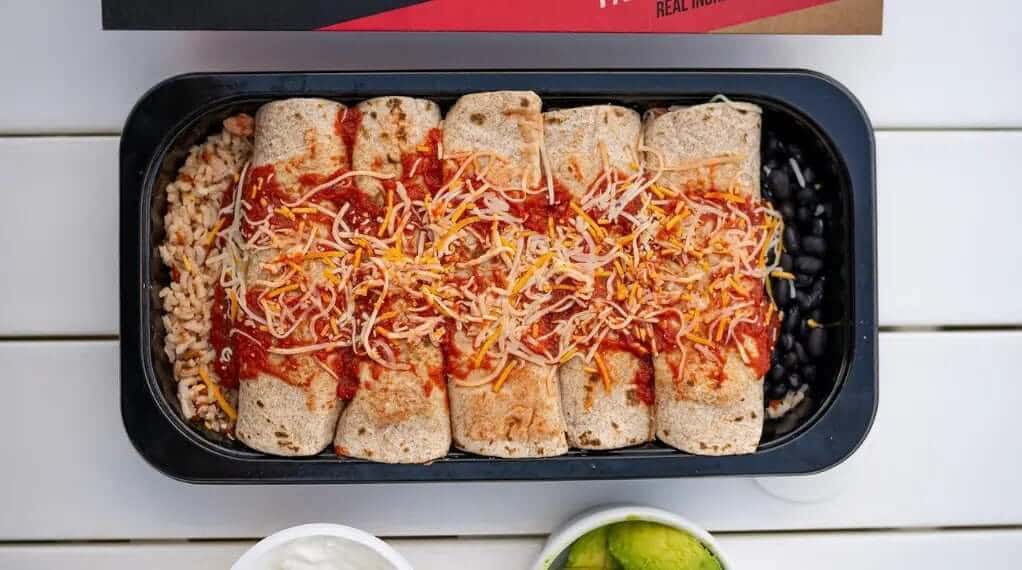
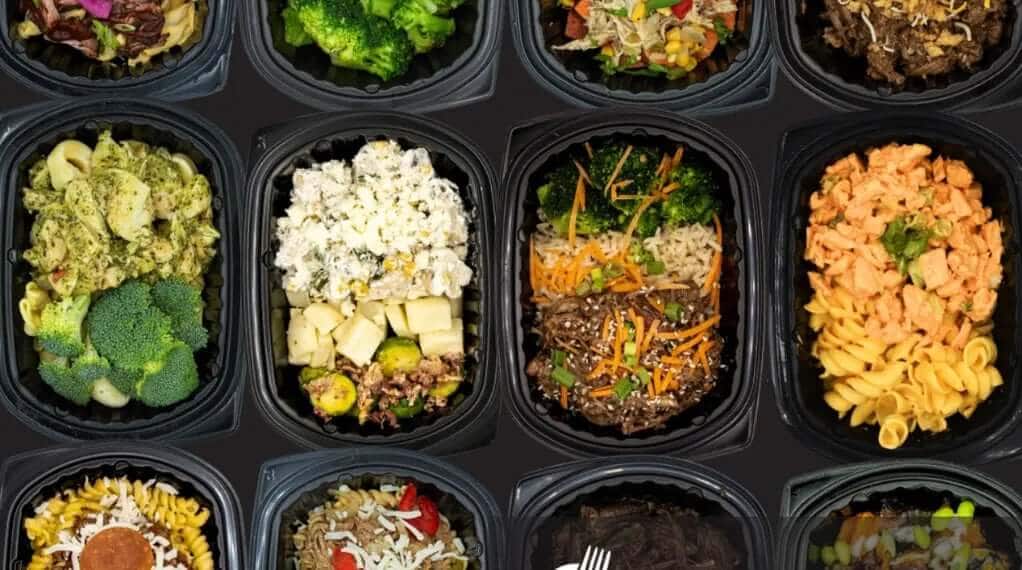
Meal prepping is fantastic, but some weeks may be so busy that you might not get around to cooking at all. Does that mean you have to abandon healthy eating? Not necessarily. This is where premade meal delivery services can fill the gap. These are companies that provide fully cooked, already-cooked meal delivery straight to your home. Professional chefs or kitchens do the meal prep for you, and you receive a box of ready-to-eat meals. All you have to do is reheat and enjoy.
Many of these services focus on health and nutrition. They create premade meals that are usually tailored to various dietary needs. There are now healthy meal prep delivery companies that cater to almost every diet preference, from paleo to plant-based. This variety means you can choose a plan that aligns with your goals or dietary restrictions.
Some services even offer healthy meal plan delivery, where you subscribe to a weekly menu and get a full plan of nutritious meals without any planning on your part. The key advantage is convenience: on a hectic day, you can just grab a nutritious meal from your fridge and it’s ready in 2-3 minutes; no cooking or cleanup required.
When considering a meal delivery service, you’ll naturally think about taste, nutrition, and cost. Price-wise, these services can vary, but there are affordable premade meal delivery options out there. Typically, you might pay around $8 to $12 per meal, depending on the provider and plan. How do you choose the best healthy prepared meal delivery service for you?
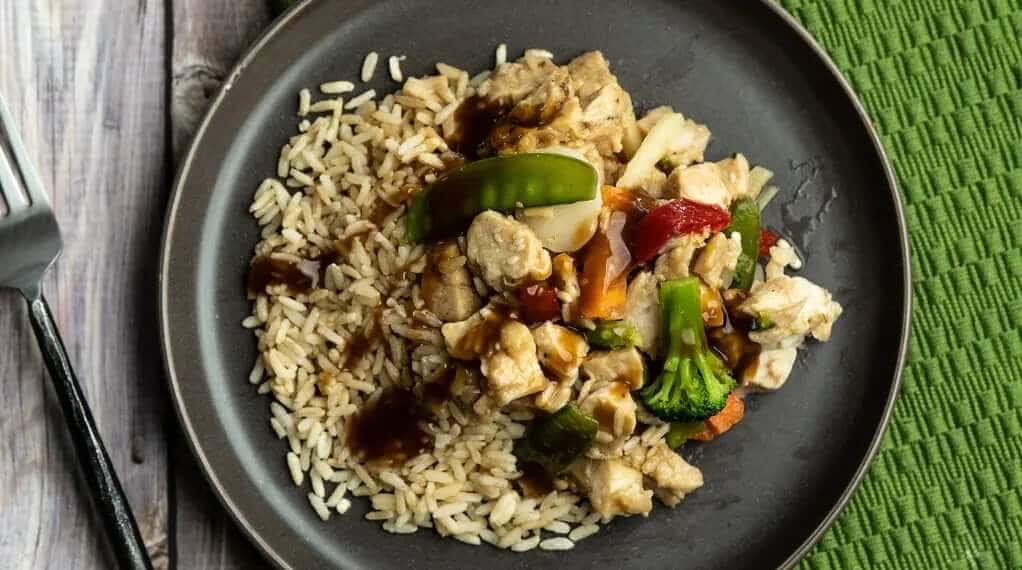
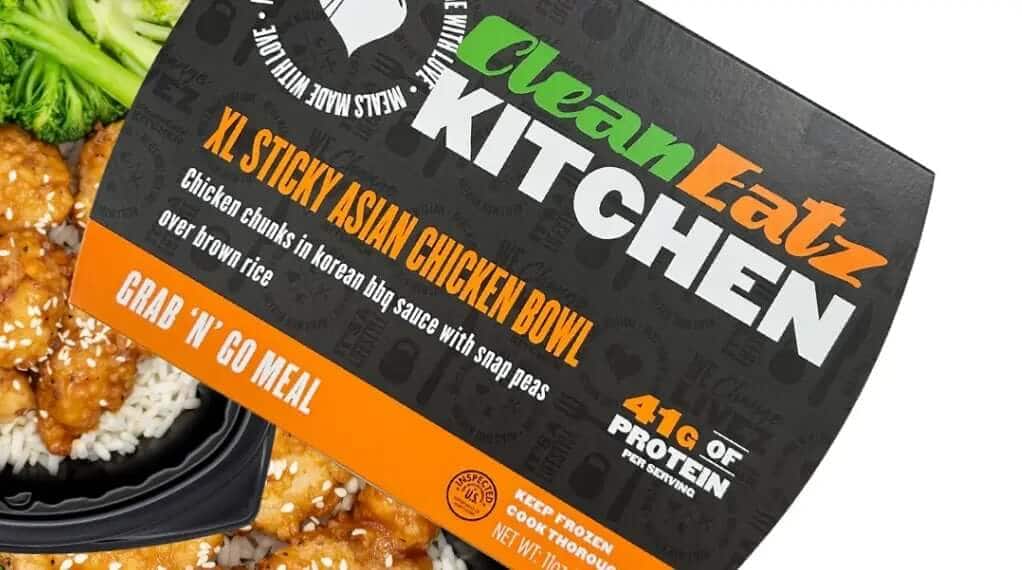
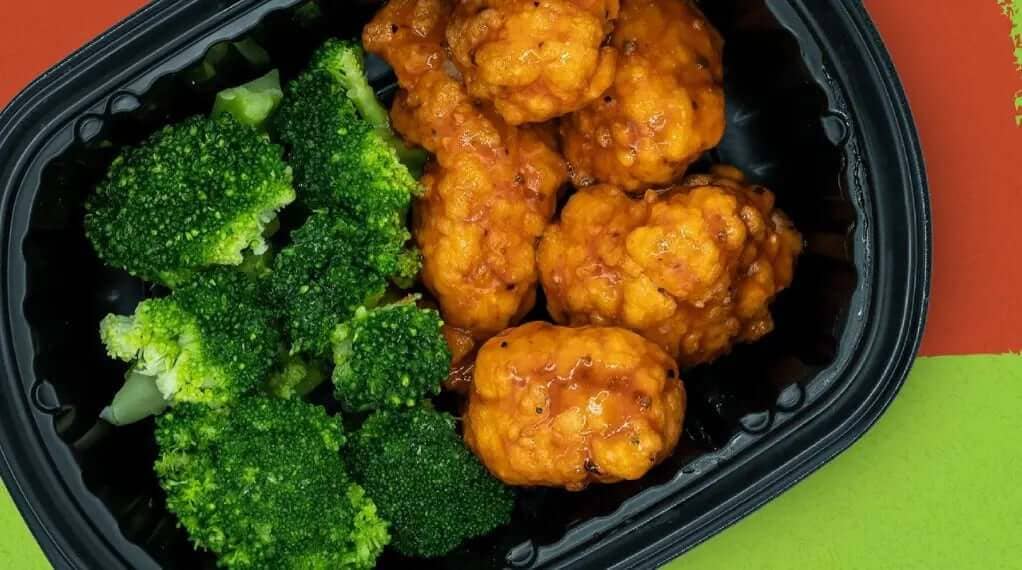
One example of a company in this space is Clean Eatz Kitchen. They specialize in offering healthy premade meals with a focus on clean, wholesome ingredients. These services are designed to support a clean-eating lifestyle by preparing meals for you. You’ll get fresh meals delivered that contain lean proteins, vegetables, and smart carb choices, without the excess sugars or preservatives you might find in typical takeout. It’s like having your meal prep done by someone else. This can be a lifesaver during particularly busy weeks or if you’re not comfortable in the kitchen yet but still want nutritious meals.
Using a meal delivery service doesn’t have to be all-or-nothing. Some people meal prep on their own most of the time and keep a few delivered meals on hand as backup. Others cycle between periods of home meal prep and periods of using delivery services, depending on what life throws at them. The goal is to maintain healthy eating habits even when time or energy is limited. Premade meal delivery is simply another tool in your toolbox for eating well. If you do go this route, treat it as a learning experience too. As you eat those professionally prepared dishes, you might get ideas for recipes or flavor combinations to try in your own cooking later on.
Bottom Line on Meal Prep
The key to meal prep success is consistency. With practice, what initially might feel like a chore will become second nature. Eventually, opening your fridge to see a row of neatly packed, colorful, healthy premade meals that you cooked yourself will be the standard. And on those days when life gets crazy, you’ll be grateful you invested the time upfront.
Sources:
PMC – Home Meal Preparation: A Powerful Medical Intervention (American Journal of Lifestyle Medicine, 2020).
University of Iowa – Health Benefits to Meal Planning (Journal of Behavioral Nutrition study summary, 2021).
Harvard T.H. Chan School of Public Health – Meal Prep Guide (The Nutrition Source).
FoodSafety.gov – Cold Food Storage Chart (Guidelines for refrigerating/freezing leftovers).
Mayo Clinic Health System – Clean eating: What does that mean? (Definition of clean eating, 2025).
UVA Health – Should You Subscribe to a Meal Delivery Service? (Dietitian’s insight on meal delivery costs, 2022).