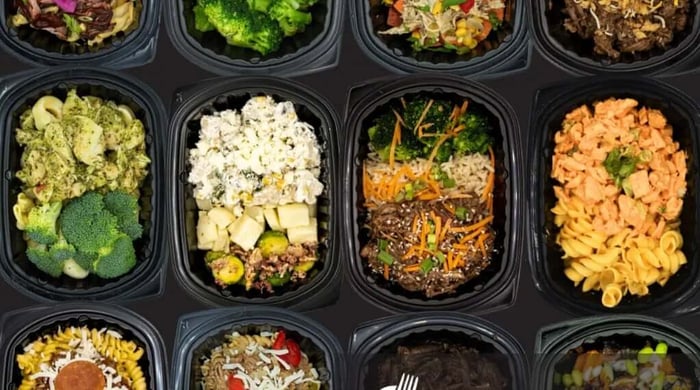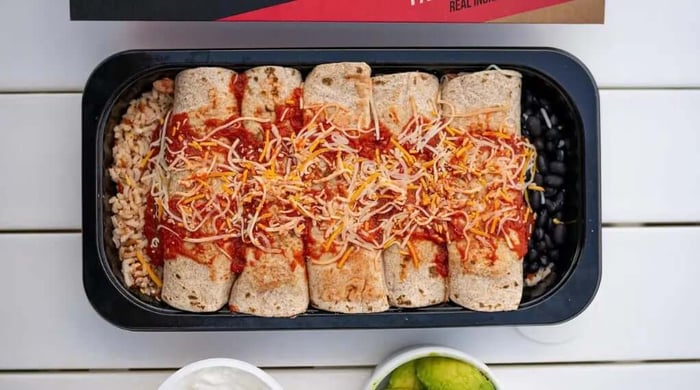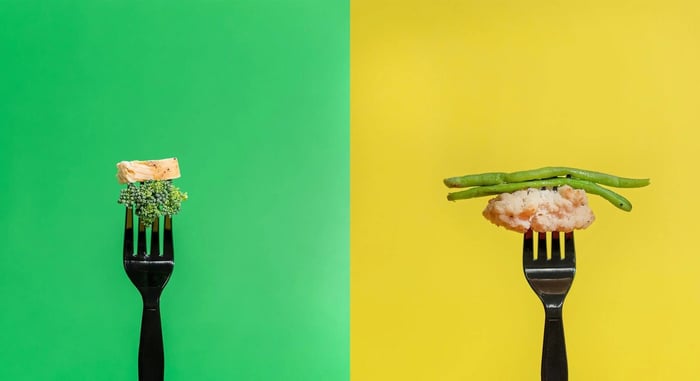
Gaining muscle isn’t just about lifting weights. Nutrition planning for muscle gain is equally important. Building new muscle requires giving your body extra fuel and ample protein for recovery. This is where a thoughtful approach to diet, especially meal prep and muscle gain strategies, comes into play. By planning and preparing meals in advance, you can ensure your nutritional needs are met each day and avoid falling back on convenient but less optimal foods.
Determining Your Calorie Needs for Muscle Gain
To build muscle, you need to eat more calories than you burn. This caloric surplus provides the energy substrate for muscle growth. But muscle gain is a slow, gradual process, so the surplus should be planned carefully for meal prep for bulking. Too little and you won’t see gains, too much and you may gain excess fat. The first step is finding your maintenance calories. You can estimate this via online Total Daily Energy Expenditure (TDEE) calculators or consult a nutritionist. Once you know your maintenance level, add a surplus of calories on top.
For most people, a conservative daily surplus of 300 to 500 calories supports lean muscle gains. Small surpluses are usually best, as they promote muscle growth while minimizing fat storage. That might mean eating roughly10–20% more calories than maintenance. For example, if you maintain a 2,500-calorie diet, aim for 2,800–3,000 calories daily when bulking. Such a surplus typically allows you to gain weight at a rate of about 0.5–1 pound per week. Gaining faster than this often indicates you’re adding fat more than muscle. Remember that everyone’s metabolism is different. If you’re not seeing any weight increase after a couple of weeks, increase your calories slightly. Conversely, if you’re gaining too quickly, reduce your calories slightly to stay on a lean-gain pace.
As you structure your meal prep for bulking, distribute those extra calories across the day’s meals. Many people find it helpful to eat 4–6 smaller meals or snacks per day when bulking, to avoid feeling overly full and to continually supply nutrients to muscles. You might have three main meals plus a mid-morning protein snack and a post-workout shake or evening snack. Incorporating calorie-dense, healthy foods can make it easier to hit your targets: think high-protein meal prep dishes with added healthy fats or starchy carbs. Monitoring your progress is important. It will inform you if your calorie intake is on point or needs adjustment.
Gaining Weight the Easy Way
Get our free guide — the foods, supplements, and strategies that actually work to pack on the pounds, all in one place.
Protein: The Building Block of Muscle
Protein is the most critical macronutrient for muscle repair and growth. When you challenge your muscles through training, you create tiny tears in muscle fibers; dietary protein provides the amino acids needed to repair those fibers and build them back stronger. An effective high-protein meal prep approach is therefore essential for muscle gain. But how much protein do you actually need?
Active individuals aiming to build muscle generally benefit from a higher protein intake than sedentary people. Experts typically recommend1.2 to 1.7 grams of protein per kilogram of body weight per day for those engaging in regular strength training. This translates to roughly 0.5–0.8 grams of protein per pound of body weight. For a 75 kg (165 lb) person, that’s about 90–130 grams of protein daily as a target range. Consuming this amount consistently will supply enough amino acids for muscle recovery. Some bodybuilders and athletes even aim for the higher end during intense training phases, though intakes above ~2 g/kg generally show no extra benefit and could strain the body.
Implementing a protein-rich meal prep routine can help ensure you hit these protein goals each day. Try to include a quality protein source in every meal and snack. For example, eggs or egg whites at breakfast, chicken breast or tofu at lunch, Greek yogurt or cottage cheese as a snack, and fish or lean beef at dinner. Spreading protein throughout the day is ideal. Research suggests that consuming about 20–40 grams of protein per meal maximizes muscle protein synthesis. Think of each major meal containing a palm-sized portion of lean protein or a high-protein plant alternative plus smaller protein-rich snacks in between. By planning a bodybuilding meal prep diet with protein at its core, you give your muscles a steady supply of the building blocks they need to grow.
Don’t forget about protein quality: “complete” proteins are especially effective for muscle building. Animal-based proteins are complete, as are soy products and quinoa in the plant world. Combining plant protein sources can also provide a complete amino acid profile for vegetarians or vegans. The bottom line is to make high-protein foods a staple of your diet. Not only does a protein-rich meal prep support muscle repair, but high-protein meals also help you feel satiated and can prevent excessive snacking on less nutritious foods.
Carbohydrates, Fats, and Balanced Bulking Nutrition
While protein often takes the spotlight, carbohydrates and fats play vital supporting roles in a muscle-building diet. Muscle-building meal prep isn’t just piles of protein. It should include balanced portions of carbs and fats to meet energy needs and overall health requirements. Carbs, in particular, are the primary fuel for your workouts. They replenish muscle glycogen and power you through intense lifting sessions. Including sufficient complex carbohydrates in your diet ensures you have the energy to train hard, which is essential for stimulating muscle growth. Good carb sources for bulking include oats, brown rice, quinoa, whole-grain breads or pasta, potatoes, fruits, and legumes. Aim to include a carb source in each meal, especially around your workouts.
Dietary fats are also important. Fats are calorie-dense, helping you maintain your surplus, and they support hormone production. Focus on healthy fat sources such as olive oil, avocados, nuts and nut butters, seeds, and fatty fish. These can be added to meals easily. Drizzle olive oil on veggies or salad, add peanut butter to a smoothie, or include a serving of almonds as a snack. Keep in mind that while fats are beneficial, they digest slowly, so it’s best not to have a very high-fat meal right before a workout.
Balancing your macros is key to a successful fitness meal prep plan. One guideline often used for muscle gain is roughly40–45% of your calories from carbohydrates, 30% from protein, and about 25–30% from fats. This ratio ensures ample carbs for energy and recovery, plenty of protein for muscle repair, and enough fat for nutrient absorption and hormonal support. Of course, individual needs vary. If you find you’re gaining unwanted fat, you might trim carbs slightly, whereas a “hard gainer” with a fast metabolism might push carbs higher. Use a starting macro ratio as a framework, then listen to your body and adjust as needed. The key is that all three macros play a role: a well-rounded diet provides not just protein for muscles but also vitamins, minerals, and fiber from diverse foods that support your health as you bulk up.
Meal Prep Tips for Consistent Muscle Gain
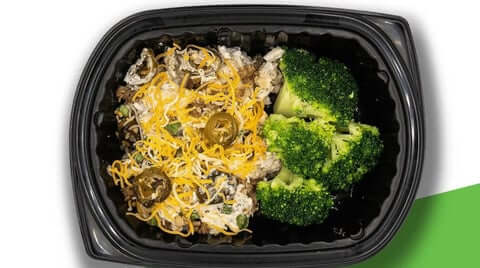
Achieving your nutrition goals consistently is often the hardest part of bulking up. This is where muscle-building meal prep can give you a serious advantage. Prepping meals in advance helps avoid situations where you’re hungry with nothing nutritious on hand, which often leads to ordering fast food or missing a meal entirely. By dedicating some time each week to plan, cook, and portion out meals, you create your own “fast food” in a healthy format, ready to grab and go. Here are some key meal prep strategies and tips to keep your muscle gain diet on track:
- Plan a menu and shopping list:Start by creating a fitness meal prep plan for the week. Decide what muscle-building meals you want for each day, or at least have 3–4 recipes you’ll rotate. Check your pantry and write a grocery list for all the ingredients you’ll need. Planning ahead ensures you meet your calorie and macro targets and saves money by buying only what you’ll use. It also allows you to incorporate variety.
- Pick a prep day and batch cook: Choose one or two days a week to do your bulk cooking. Many people do a big cooking session on Sunday. Cook large batches of muscle-building staples: grill or bake a big tray of chicken breasts, roast a bunch of sweet potatoes, cook a pot of brown rice or quinoa, etc. If you consume red meat, you can brown several pounds of lean ground beef or turkey with seasonings for use in wraps, pasta, or rice dishes. Having these building blocks ready makes assembling meals much faster on busy days. Batch cooking also applies to breakfast. By committing to a regular prep routine, you create consistency in your diet.
- Portion out meals and track intake: Once the food is cooked, portion it into individual meals in containers. This step is crucial for hitting your calorie and macro goals; it turns your big batch of food into grab-and-eat portions that fit your plan. You might pack six containers each with 1 cup of rice, 1 chicken breast, and a cup of steamed veggies – each meal providing around, say, 500 calories, 40g protein, 50g carbs, 10g fat. Using a kitchen scale or measuring cups can help ensure accuracy, at least until you become skilled at eyeballing portions. Label the containers if needed. With prepared meals ready, you’re far less likely to stray from your plan.
- Keep it interesting and sustainable: Meal prep doesn’t mean eating identical bland meals every day. To prevent palate fatigue, introduce variety and foods you enjoy. Season your foods well. Use herbs, spices, marinades, and sauces. Try rotating “theme” nights each week. Include plenty of vegetables and the occasional healthy treats so you don’t feel deprived. Remember that bodybuilding meal prep can be flexible. You might prep lunches and dinners but eat a fresh-cooked breakfast, or vice versa. Adjust the level of rigidity to suit your lifestyle so you can stick with it for the long term.
- Food safety and storage:After cooking, cool foods promptly and refrigerate. Most prepped meals will stay fresh about 3-4 days in the fridge. If you cook a whole week’s worth at once, store the meals for the later days in the freezer and thaw them mid-week. Invest in quality containers that are freezer-safe, microwave-safe, and leak-proof. Keeping your meals properly stored preserves taste and nutrition, and it’s reassuring to know each morning that today’s nutritious meals are already safely packed and ready.
By following these tips, your meal prep routine will set you up for success. Preparing your own food gives you full control over ingredients and portions, helping ensure a balanced diet tailored to your goals. You’ll be less tempted to skip meals or snack on junk when your fridge is stocked with ready-to-eat, high-protein options. Consistency is the secret weapon in any muscle-building program – and meal prepping makes it much easier to maintain.
High-Protein Meal Ideas to Fuel Muscle Growth
Eating the same chicken, broccoli, and rice every day can get old fast. The good news is that there are endless meal prep ideas high protein athletes can enjoy while bulking. Below are several tasty, nutrient-dense meal ideas that are perfect for building muscle. Mix and match these ideas in your weekly plan to keep things interesting:
- Grilled Chicken, Sweet Potatoes, and Broccoli:A classic bodybuilding meal that checks all the boxes. Lean chicken breast provides high-quality protein, sweet potatoes offer complex carbs and vitamins, and broccoli adds fiber and micronutrients. Season the chicken with spices or a low-sugar marinade, roast or mash the sweet potatoes, and steam or roast the broccoli.
- Lean Beef Chili with Beans: Chilies and stews are fantastic for batch cooking. Use 90% ground beef and add kidney or black beans for extra protein and fiber. Throw in tomatoes, peppers, and your favorite spices. A hearty chili is rich in protein and also provides plenty of carbs from beans and tomatoes. It’s a one-pot meal that freezes well, and you can top it with a bit of shredded cheddar or Greek yogurt when serving for extra calories and flavor.
- Salmon with Brown Rice and Green Beans: Fatty fish like salmon are excellent for muscle gain – they’re not only high in protein but also provide healthy omega-3 fats, which have anti-inflammatory benefits. Bake or pan-sear salmon fillets. Serve with a portion of brown rice for complex carbs and fibrous green beans on the side. Salmon’s rich flavor makes for a satisfying meal. This dish is great for dinner; the fats in salmon will help keep you full overnight and support hormone health.
- Egg and Veggie Scramble with Whole Grain Toast: Don’t neglect breakfast – it’s an opportunity to get a jump on your protein intake for the day. An example high-protein breakfast is a scramble made from 3-4 whole eggs with spinach, tomatoes, and mushrooms. Each egg provides ~6g of protein and is a complete protein source, providing all essential amino acids. Have it with two slices of whole-grain toast topped with avocado for healthy fats. This meal will provide steady energy and muscle-building nutrients to start your day. You can even make high-protein prepared meals for breakfast by cooking an egg bake or frittata in advance, then portioning it out to reheat each morning.
- Greek Yogurt Parfait with Fruit and Nuts: This makes a great high-protein snack or dessert. Greek yogurt is very protein-rich and provides casein protein, which digests slowly – ideal for a bedtime snack to feed your muscles overnight. Use plain Greek yogurt to avoid added sugars, then layer it with fruit such as berries or bananas and a handful of nuts or granola. The nuts add healthy fats and some extra protein. This sweet treat can satisfy cravings while still aligning with your macros.
- Protein Smoothie “Meal”: Smoothies are invaluable for boosting calories and protein, especially if you have a low appetite or are short on time. For a muscle-building smoothie, combine whey or plant protein powder, milk, oats, peanut butter, and a banana in a blender. This drink alone can pack 400–600 calories and 30–40g of protein, making it a convenient meal replacement or post-workout shake. You can prepare smoothie ingredient bags in your freezer so that you just dump them into the blender with protein powder and liquid. Protein-rich meal prep isn’t limited to solid food, as liquid meals can be prepped too.
Keep in mind that the best foods for muscle gain are whole, minimally processed choices that deliver quality protein along with other nutrients. With a little creativity, high-protein meal prep ideas can be delicious as well as effective for building muscle.
Convenient Alternatives: Meal Delivery Services for Muscle Gain
What if you’re committed to bulking up but simply don’t have the time to cook regularly? Many fitness enthusiasts turn to prepared meal delivery services as a convenient way to stay on track. These high-protein meal delivery services specialize in providing fully cooked, macro-balanced meals that align with fitness goals. You get portion-controlled, nutritionally designed dishes delivered to your home. So there’s no shopping, cooking, or cleaning required. For busy individuals, opting for a pre-prepared meal delivery plan can ensure you never miss a healthy meal due to a packed schedule. It removes much of the guesswork from eating for muscle gain.
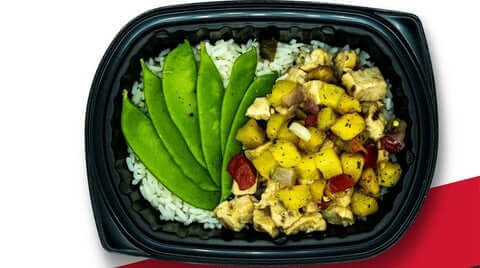
Today, there are even high-protein prepared meal delivery programs tailored for athletes and bodybuilders. For example, Clean Eatz Kitchen offers the best high-protein meal delivery that is suited for muscle-building diets, delivering them directly to your door. Such services typically let you choose meals by caloric needs or macronutrient ratios, making it easy to select options that fit your bulking plan. With so many companies now in the marketplace, you can shop around to find the best high-protein meal delivery option for your needs. Look for providers that use lean proteins, complex carbs, and vegetables without excessive added sugar or saturated fat. Using these services isn’t “cheating” at all. It’s a smart tool if it fits your lifestyle and budget. You’re essentially outsourcing the cooking, but still getting quality nutrition.
By leveraging meal delivery, you can get bodybuilding meals delivered regularly and save hours each week. This can be especially useful during hectic periods when meal prep falls by the wayside. It’s worth noting that while the cost is higher than cooking at home, the time saved may make it worthwhile. Even if you don’t use it for every meal, having a few ready-made healthy meals on hand can be a lifesaver on your busiest days.
Building muscle is a gradual process, but with patience and persistence, you will see results. Stay focused on your goals, make adjustments as needed, and try to enjoy the journey by discovering new recipes, mastering the art of meal prep, and feeling the strength and changes in your body week by week. With the nutrition planning for muscle gain, you have the blueprint to eat in a way that supports your hard work in the gym. So get cooking, and watch your gains take off.
Sources:
- Weekly Meal Prep for Gaining Muscle – ASICS (2022)
- Clean Bulking: Overview, Guide, and Best Foods – Healthline (2020)
- Are you getting too much protein? – Mayo Clinic Health System (July 15, 2022)
- How to Meal Prep for Muscle Gain – ISSA Blog (May 9, 2024)
- Meal Prep Guide – Harvard T.H. Chan School of Public Health, The Nutrition Source
- 14 Best Muscle-Building Foods – GoodRx Health (Aug 21, 2025)
- Naliwajko et al. New Dietary Trends—Meal Kit Delivery Services as a Source of Nutrients: A Scoping Review – Nutrients Journal (2025)