
Disclaimer: The following information is presented for educational purposes only. If you have any concerns about Ozempic or other GLP-1 medications and how they may affect your nutrition needs as you age, consult your healthcare provider.
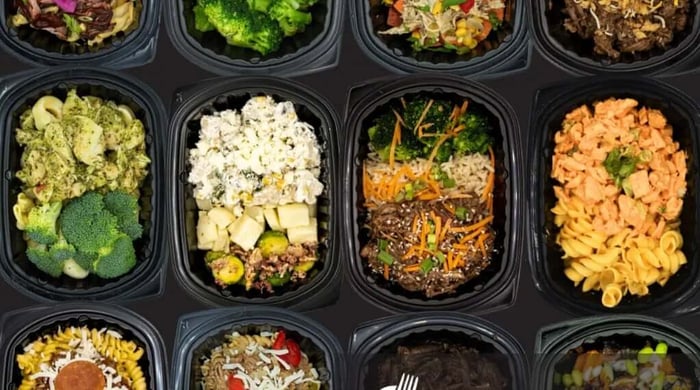
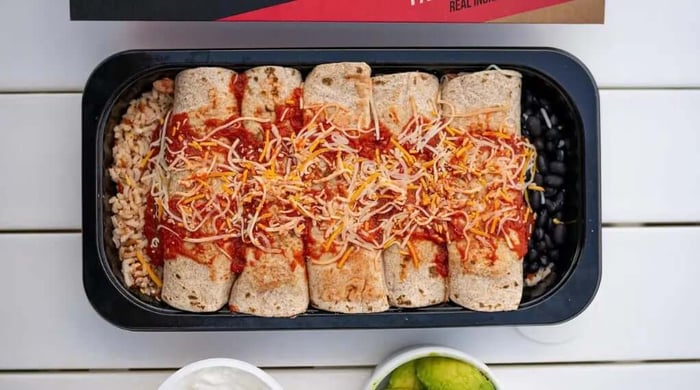
The nutritional priorities of someone taking Ozempic® or another GLP-1 medication can change with age. While adults in their 40s and 50s both benefit from prioritizing protein and nutrient-dense foods, age-related changes in muscle mass, hormones, and metabolism may shift how those goals are achieved. This article explains the key nutrition differences for people in their 40s versus 50s using GLP-1 therapy and what an effective meal plan and meal delivery system may look like for each stage of life.
Why Age Matters in GLP-1 Therapy
Sarcopenia And Muscle Loss After 40
Age can affect nearly every variable that influences how your body responds to weight loss. Muscle growth slows, hormonal shifts occur, bone density declines, recovery time increases, and cardiovascular fitness may decline. Over time, a nutritional plan that worked for you in your early forties may require some adjustments to fit your changing dietary needs as you get older.
Sarcopenia is the gradual loss of muscle mass that begins around age 30 and accelerates with age. Research suggests that the average adult loses 3 to 10 percent of muscle per decade starting in the fourth decade. On a GLP-1 medication, this baseline loss may be compounded by the rapid weight loss the medication produces. Because older adults become more resistant to the muscle-building effects of protein, maintaining adequate protein intake and incorporating regular resistance training become increasingly important as we age. That is why to prevent muscle loss, those on GLP-1 at any age should prioritize strategies like protein intake and resistance training.
Hormone Shifts That Affect Body Composition
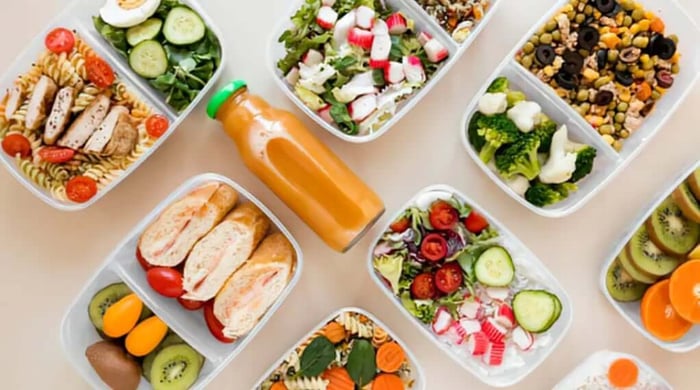
Women in their late 40s and 50s are navigating perimenopause and menopause, which lowers estrogen and shifts fat storage toward the abdomen. Men in the same age window experience a gradual testosterone decline, which reduces muscle protein synthesis and recovery capacity. Both shifts make adequate protein intake and regular resistance training even more important than in earlier decades.
Body Composition Differences Between Decades
Most adults peak in lean muscle mass between ages 25 and 35. The 40s mark a slow decline that accelerates in the 50s. The average adult loses between 3 to 8% of muscle mass per decade between the ages of 30 and 50, with this rate increasing to 5-10% after the age of 50.
Even when total fat stays stable, the body's fat storage shifts with age. Subcutaneous fat under the skin gives way to visceral fat around the organs. Visceral fat is metabolically active in ways that drive insulin resistance, inflammation, and cardiovascular risk. GLP-1 medications are particularly effective at reducing visceral fat, which is one reason they have such strong cardiometabolic benefits in older patients.
Stubborn visceral fat correlates with hormonal shifts and reduced insulin sensitivity, all of which intensify in the 50s. A macro-friendly meal delivery plan that prioritizes lean protein, fiber, and lower refined carbohydrate intake may help support visceral fat loss while preserving lean muscle during weight loss. The same plan may help support visceral fat loss while preserving lean muscle during weight loss.
Key Differences Between A 40s And 50s GLP-1 Meal Plan
Each difference reflects either a documented physiological change or a research-backed nutritional priority for the older decade:
Calcium and vitamin D needs increase: Calcium and vitamin D are important for maintaining bone health, and getting enough as you age is essential. Daily calcium needs for women increase to 1,200 milligrams starting at age 51, and for men they increase to 1,200 milligrams starting at age 70. At age 70, the recommended daily intake of vitamin D increases from 600 IU to 800 IU for both men and women. Dairy, fatty fish, and supplementation (particularly in cases of deficiency) should be built into the plan rather than left to chance from week to week.
Resistance training should be non-negotiable: In your forties, cardio plus moderate strength work covers most goals. In your fifties, resistance training two or three times weekly may become essential to help preserve the lean muscle that can be lost during GLP-1–associated weight loss. Your meal plan should support this training with adequate calories and protein.
Hydration and fiber should be prioritized: Constipation and reflux become more common as you age, and they are also a common side effect of GLP-1 medications. Women over 50 should aim for around 9 cups of water and 21 grams of fiber daily, while men over 50 should aim for 13 cups of water and 30 grams of fiber daily. Try to spread fluid intake evenly throughout the day, including between meals. These habits can help prevent some common quality-of-life issues in older GLP-1 patients.
How GLP-1 Side Effects Differ By Age
Older Adults May Experience More Severe Digestive Symptoms
Slower gastric emptying is a natural consequence of aging. GLP-1 medications can amplify this effect, which means older patients may experience persistent nausea, early fullness, and acid reflux. Eating smaller, more frequent meals can help. Also, choose GLP-1-friendly meals with moderate fat and mild seasoning during dose escalation to help reduce symptom intensity.
Constipation And Hydration Considerations
Constipation is one of the most common chronic side effects of GLP-1 therapy. Slowed motility, inadequate hydration, and reduced fiber intake with age can exacerbate such gut health issues. Adults in their 50s should track water and fiber daily during the first three months of therapy to help reduce their risk of constipation and other digestive issues.
Energy And Recovery Differences
Recovery from exercise can slow with age. GLP-1 medications can compound fatigue if calorie intake drops too low, especially in older patients. Ensuring you consume adequate calories with sufficient protein can protect energy and recovery capacity. You can do this by using a daily tracker to inform you of how many calories and nutrients you are consuming each day.
Designing Your GLP-1 Meal Plan At Each Stage
A Sample Day For A 45-Year-Old
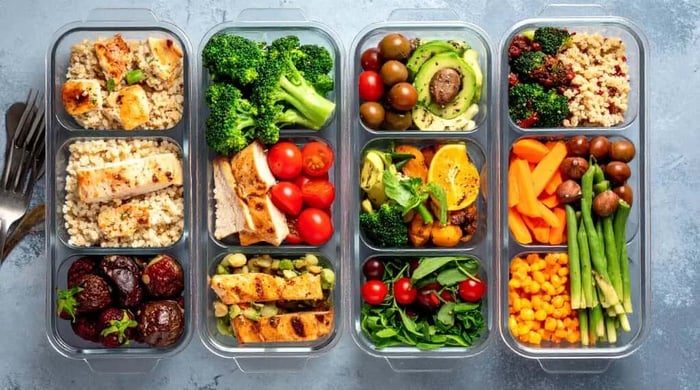
This low-calorie pattern prioritizes protein and fiber while keeping calories low for weight loss:
- Breakfast: Greek yogurt with whey protein and berries
- Lunch: Grilled chicken over quinoa and roasted vegetables
- Afternoon snack: Cottage cheese with fruit
- Dinner: Salmon with sweet potato and asparagus
A Sample Day For A 55-Year-Old
This meal plan is similarly low in calories to promote weight loss for people on GLP-1 medications. However, it contains slightly more protein and fiber to account for aging-related changes.
- Breakfast: Egg white scramble with turkey sausage and spinach
- Mid-morning snack: Protein shake
- Lunch: Turkey and bean chili with cornbread
- Afternoon snack: Greek yogurt and fruit
- Dinner: Cod fillet with lentils and roasted carrots
How Meal Delivery Simplifies Both Approaches
The cognitive load of hitting specific calorie and nutrient targets every day is a big reason some people fall short. The following steps can help adults transition their nutrition plan from one decade to the next. These tips are most useful for adults approaching or recently entered into their 50s, but the principles apply to any decade transition:
Consider a DEXA scan or other body composition assessment: Before adjusting macros for a new decade, measure starting muscle mass, fat mass, and bone density. A DEXA scan or bioelectrical impedance analysis (BIA) can provide hard numbers that guide protein and resistance-training targets. Without baseline data, every adjustment is guesswork rather than measured progress. Aim to scan once at the start of the transition and again 6 months later to confirm the new protocol is working. The baseline also matters psychologically, since it gives a concrete starting point to compare against when motivation dips months down the road.
Add protein-rich snacks each day: Most adults can add the extra protein they need as they get older through additional snacks. A Greek yogurt cup, a protein shake, or a small serving of cottage cheese can provide additional protein without requiring major meal restructuring or significant added calories.
Prioritize resistance training: Strength training is key for muscle preservation in your fifties and beyond. Two full-body sessions per week is recommended by the Physical Activity Guidelines for Americans. Choose compound lifts like squats, deadlifts, and presses, since these recruit the most muscle and deliver the largest preservation benefit per session. However, don't forget that resistance training isn't just traditional weight lifting — body weight training, including moderate-intensity yoga or Pilates can also help maintain muscle.
Track calcium and vitamin D intake: Tracking calcium and vitamin D intake for a few weeks when you first start your healthier dietary pattern, alongside protein and fiber intake, can help you see where you are starting from. Many adults may discover they are short on at least one and can adjust either food choices or supplementation. After about a month, the patterns will likely become more intuitive, and tracking can shift back to spot checks rather than daily logging.
Schedule lab work every six to twelve months: Comprehensive metabolic panel and HbA1c testing every six to twelve months can catch subtle changes in your cardiovascular and metabolic markers. These data points can help you and your healthcare team adjust your meal plan, medication dose, and training plan based on real biomarkers rather than guessing.
Working With Your Healthcare Team Through The Decades
When To Adjust Medication With Your Doctor
The support of your healthcare team becomes more important as you age, especially on GLP-1 therapy. This is because treatment goals may evolve as you age. A prescribing physician who specializes in obesity medicine can titrate your medication doses up or down based on labs, body composition, and how you feel day to day on the medication.

Long-Term Maintenance Planning
GLP-1 medications work well for many people, and most evidence supports long-term use for chronic weight management. However, for optimal success on such a medicine for weight loss and management, you need to invest in a meal pattern, exercise routine, and a lab monitoring system that can keep you on track for years to come. A macro-balanced meal delivery approach combined with regular check-ins can form the backbone of a sustainable long-term health plan.
No matter your age, high-protein, fiber-rich meals for GLP-1 patients should anchor every plate. For patients ordering across both age windows, comparing a delivery option against home cooking or a build-your-own meal plan is the practical step. The medication, your age, and your health goals should all be taken into consideration when designing your meal plan.
Sources
Stanford Lifestyle Medicine. Protein needs for adults 50+ – Stanford University. (2024)
Mozaffarian et al. Nutritional priorities to support GLP-1 therapy for obesity: a joint Advisory from the American College of Lifestyle Medicine, the American Society for Nutrition, the Obesity Medicine Association, and the Obesity Society – The American Journal of Clinical Nutrition (2025)
Biagetti and Puig-Domingo. Age-Related Hormone Changes and Its Impact on Health Status and Lifespan – Aging and Disease (2023)
Waqas et al. Efficacy of GLP-1 receptor agonists among older adults: a meta-analysis of cardio-kidney outcome trials – Archives of Gerontology and Geriatrics (2025)
Calcium Fact Sheet for Health Professionals – National Institutes of Health Office of Dietary Supplements (2026)
Vitamin D Fact Sheet for Health Professionals – National Institutes of Health Office of Dietary Supplements (2025)
Mayo Clinic Staff. Dietary fiber: Essential for a healthy diet – Mayo Clinic (2025)
How Much Water Should Seniors Drink? – Elder Care Alliance (2025)
Piercy et al. The Physical Activity Guidelines for Americans – JAMA (2018)