Quick Summary: The healthiest frozen meals at the grocery store come from Real Good Foods (highest protein), Kevin's Natural Foods (cleanest ingredients), and Amy's Kitchen (organic). Mainstream brands like Lean Cuisine, Healthy Choice, and Smart Ones are calorie-controlled but typically deliver only 10-20g of protein per meal — usually not enough for satiety. The premium clean-ingredient brands cost $7-$12 per meal, which puts them in the same price range as no-subscription meal delivery with substantially better convenience.
Table of Contents
Why Most Grocery Frozen Meals Disappoint
What to Look for in a Healthy Frozen Meal
The Top Grocery Store Frozen Meal Brands Compared
Lean Cuisine: Calorie Control, Limited Protein
Healthy Choice: The Mainstream Upgrade
Smart Ones: Cheapest Option, Lowest Protein
Stouffer's: Comfort Food, High Sodium
Amy's Kitchen: Organic and Vegetarian-First
Kevin's Natural Foods: Paleo Premium
Real Good Foods: Highest Protein in the Aisle
Where Even the Best Grocery Frozen Meals Fall Short
How Meal Delivery Fits Into the Comparison
Frequently Asked Questions
Why Most Grocery Frozen Meals Disappoint
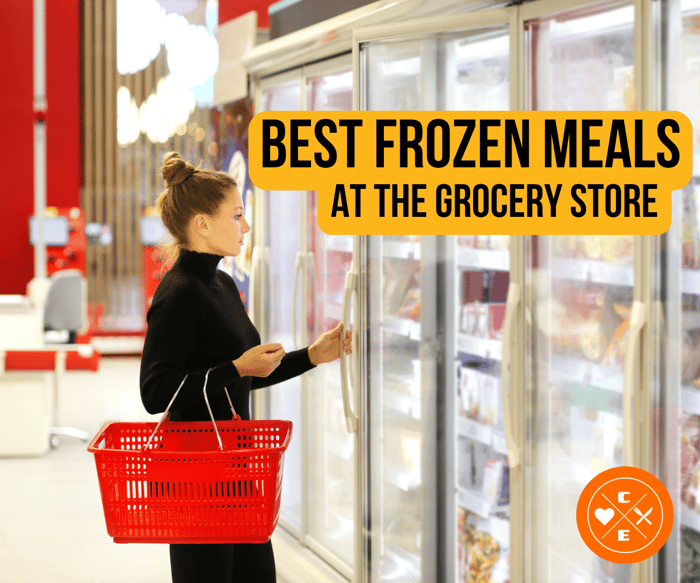
Walk down any grocery store frozen meal aisle and you'll see a market that's improved dramatically since the 1990s "TV dinner" era. Modern brands publish full nutrition labels, advertise no preservatives, use plant-based packaging, and feature actual photos of recognizable food. Most of the worst offenders from a generation ago are gone.
What hasn't changed is the underlying business model. Grocery frozen meals are designed to hit specific price points ($3-$8 retail), survive long supply chains, taste consistent across millions of identical units, and stack densely on freezer shelves. Those constraints push manufacturers toward cheap protein (often less than you'd want), heavy sodium (for preservation and flavor), refined carbs (cheap, shelf-stable, and palatable), and standardized portion sizes that work better for marketing than for actual hunger.
The result is a category where most "healthy" options deliver 200-350 calories with 10-15g of protein per meal — fine as a snack or supplemental lunch, but rarely enough to constitute a satisfying meal on their own. The brands that do hit the 25-35g protein, 400-500 calorie sweet spot exist, but they're usually priced at $6-$12 per meal — higher than people expect and competitive with no-subscription meal delivery.
If you're shopping the freezer aisle for weight loss support, muscle preservation, or just a meal that doesn't leave you raiding the pantry an hour later, the brand you pick matters more than most marketing implies. For the foundational case for choosing frozen meals at all, our guide to common myths about frozen prepared meals covers the nutrition research, food safety, and reheating science.
What to Look for in a Healthy Frozen Meal
Before getting into individual brands, here are the criteria that separate genuinely good options from the ones that just look healthy on the box.
Protein at 20g+ per meal. This is the single most important number. Research on muscle protein synthesis suggests 25-30g of protein per meal optimally supports muscle preservation, particularly during weight loss or for adults over 40. Most grocery frozen meals deliver 10-17g, which is part of why they often leave you hungry. The exceptions — Real Good Foods, Healthy Choice Protein Bowls, Kevin's Natural Foods — explicitly target the higher end.
Sodium under 700mg. The American Heart Association recommends a daily sodium limit of 2,300mg, ideally 1,500mg. A frozen meal with 900-1,200mg of sodium puts you halfway to the daily limit before lunch. Look for under 700mg per meal, and watch out for "lower sodium" claims that are still high in absolute terms.
Calories that match a real meal. A 220-calorie frozen entrée is a snack, not a meal. For most adults, 350-550 calories per meal is the realistic target. Anything under 300 calories will likely require a side or a second meal to reach actual fullness — which makes the per-meal cost calculation more expensive than the box price suggests.
An ingredient list you can read. "Chicken breast, brown rice, broccoli, olive oil" is a list. "Modified food starch, autolyzed yeast extract, natural flavor (contains milk), disodium inosinate" is something else. The first nine ingredients tell you most of what you need to know. If you don't recognize half of them, the brand is leaning on industrial flavor chemistry to compensate for cheap ingredients.
Carbohydrate quality. Frozen meals heavy on white pasta, white rice, or refined breading deliver calories without much satiety. Look for whole grains (brown rice, quinoa, whole wheat pasta), legumes (chickpeas, black beans), or vegetable-based carbs (cauliflower rice, sweet potato).
For more on what foods support sustained weight loss, our complete guide to the best foods for weight loss covers the underlying nutritional science.
The Top Grocery Store Frozen Meal Brands Compared
Here's how the seven major brands stack up across the metrics that matter:
| Brand | Calories | Protein | Sodium | Price/Meal | Best For |
|---|---|---|---|---|---|
| Lean Cuisine | 200-400 | 10-22g | 400-900mg | $3-$5 | Calorie counting |
| Healthy Choice (Power Bowls) | 290-400 | 13-20g | 500-700mg | $4-$6 | Mainstream balance |
| Healthy Choice (Protein Bowls) | 200-280 | 20g+ | 500-700mg | $5-$7 | Higher protein, lower cal |
| Smart Ones | 200-300 | 8-15g | 500-700mg | $3-$5 | Cheapest option |
| Stouffer's | 300-700+ | 15-30g | 700-1,500mg | $4-$8 | Comfort food, larger portions |
| Amy's Kitchen | 270-450 | 7-15g | 480-680mg | $5-$8 | Organic, vegetarian |
| Kevin's Natural Foods | 250-450 | 20-30g | 380-650mg | $8-$12 | Clean ingredients, paleo |
| Real Good Foods | 180-400 | 15-36g | 400-800mg | $5-$8 | Highest protein |
The pattern shows up clearly. Cheap brands (Lean Cuisine, Smart Ones) deliver calorie control but skimp on protein and ingredient quality. Mid-tier brands (Healthy Choice, Stouffer's, Amy's) are improvements but still have meaningful gaps. Premium brands (Kevin's, Real Good Foods) deliver the macros and ingredients that actually match the marketing — but at a price point that's competitive with no-subscription meal delivery.
Lean Cuisine: Calorie Control, Limited Protein
Lean Cuisine launched in 1981 as a low-calorie alternative to Stouffer's (its parent brand under Nestle), and the calorie discipline remains its defining feature. Every Lean Cuisine entrée is 400 calories or less, with most landing in the 250-350 range. For someone counting calories rigidly, that's genuinely useful.
The trade-offs become clear once you look past the calorie line. Protein typically runs 10-22g per meal, with most options closer to 14-18g — below the 20g threshold most nutrition research considers meaningful for satiety and muscle preservation. Sodium averages 650mg per meal but ranges as high as 900mg on some products. The ingredient lists are long and include flavor enhancers, stabilizers, and "natural flavors" that don't tell you much about what's actually in the meal.
The honest assessment: Lean Cuisine works as a calorie-counted lunch supplement, especially when paired with a side salad, fruit, or extra protein. It doesn't work as a satisfying full meal for most adults, and the per-meal cost climbs once you start adding what you need to feel actually full. At $3-$5 per meal plus the time and money spent on add-ons, the "real" cost lands closer to $6-$8 — which puts it in the same range as services that don't require add-ons.
Healthy Choice: The Mainstream Upgrade
Healthy Choice (Conagra) has done meaningful work to differentiate from the older diet-meal brands. The Power Bowls line uses plant-based serving bowls, advertises no artificial flavors or preservatives, and delivers 13-20g of protein per meal in the 290-400 calorie range. The newer Protein Bowls line pushes protein higher — typically 20g per serving at 200-280 calories — by adding cauliflower rice and lean chicken or beef.
Within mainstream grocery brands, Healthy Choice Power Bowls represent one of the better value-to-quality ratios. The ingredient lists are shorter than Lean Cuisine's, the protein content is more meaningful, and the dark leafy greens and ancient grains in the bowl line provide actual nutritional density rather than just calorie counts. At $4-$6 per meal, the pricing is reasonable for what you're getting.
The remaining gaps: sodium typically runs 500-700mg per meal (better than Lean Cuisine but still high), the protein content varies meaningfully by SKU (some Power Bowls deliver only 13g), and the vegetarian options run lower on protein. The Power Bowls and Protein Bowls lines specifically — not the broader Healthy Choice menu — are where the brand's nutrition story is strongest.
Smart Ones: Cheapest Option, Lowest Protein
Smart Ones (originally a Weight Watchers-branded line, now owned by Heinz/Kraft) competes on price point. Most products run $3-$5 per meal at 200-300 calories with 8-15g of protein. For someone shopping primarily on the price line, Smart Ones is often the cheapest option in the freezer aisle that markets itself as a diet meal.
The trade-offs are predictable at that price. Protein content is the lowest of any major brand in this comparison, with many products delivering only 10-12g — well below the threshold for meaningful satiety. The ingredient lists rely heavily on processed ingredients, flavor enhancers, and refined carbs. Calorie counts are low, but so is everything else, which means most adults will need to eat two Smart Ones to feel full — making the effective cost per satisfying meal $6-$10.
The honest summary: Smart Ones works for very strict calorie counting on a tight budget, particularly when used as supplements rather than full meals. It doesn't work well as a primary protein source or for anyone trying to build muscle, manage hunger between meals, or eat anything resembling whole-food ingredients.
Stouffer's: Comfort Food, High Sodium
Stouffer's (Nestle, the parent of Lean Cuisine) is positioned in the opposite direction from its sister brand. Larger portions, comfort food recipes, more sauce, more cheese, more carbs. Calories typically run 400-700 per single-serve, and family-size options scale up from there. Protein content varies widely — 15g on a vegetable lasagna up to 30g on a meat-heavy entrée.
The defining problem is sodium. Stouffer's products consistently land in the 700-1,500mg range per serving, with some classic meals (like the family-size lasagna at recommended portions) clearing 1,000mg. For someone with blood pressure concerns, kidney health considerations, or just a daily sodium budget to manage, this is the single biggest issue with the brand.
The right use case for Stouffer's: occasional indulgence, comfort food cravings, or feeding a family on a budget. It's not a weight loss tool, not a daily lunch solution, and not a brand you should evaluate primarily on its single-serve calorie count without checking the sodium line.
Amy's Kitchen: Organic and Vegetarian-First
Amy's Kitchen has built one of the strongest reputations in the natural foods category. USDA organic certification across most products, recognizable ingredients, family-owned with B Corp certification, and a vegetarian/vegan-friendly menu that's broader than any mainstream competitor. The ingredient transparency is real — read the label and you'll see actual food.
The trade-offs come on protein and price. Because Amy's leans heavily vegetarian, protein content typically runs 7-15g per meal — fine for someone using these as supplements but rarely enough for a full meal on their own. Pricing runs $5-$8 per meal, putting Amy's in the premium tier of grocery brands. Sodium is managed reasonably well at 480-680mg.
For vegetarian or organic-focused eaters, Amy's is genuinely one of the best options in the freezer aisle. For omnivores looking for high-protein meals or weight-loss-focused eating, the protein content is usually the limiting factor. Pairing an Amy's bowl with a side of Greek yogurt or grilled chicken closes the gap, but again — that adds cost and complexity.
Kevin's Natural Foods: Paleo Premium
Kevin's Natural Foods occupies a niche the older brands don't compete in: paleo-certified, gluten-free, no soy, no refined sugars, with clean ingredient lists that read like a home recipe. The entrées typically deliver 20-30g of protein per meal at 250-450 calories with sodium running 380-650mg — one of the lowest in the entire frozen meal category.
For someone managing a specific dietary protocol (paleo, AIP, gluten-sensitive, dairy-sensitive), Kevin's is often the only realistic option in the grocery freezer aisle. The food quality is real, the macros line up well with weight loss and muscle-preservation goals, and the brand has earned shelf placement at major retailers (Whole Foods, Kroger, Target) by delivering on those promises.
The barrier is price. Kevin's typically runs $8-$12 per meal — putting it at or above the price point of no-subscription meal delivery. For paleo or clean-label eaters, the premium is often worth it. For everyone else, it's worth comparing the per-meal cost against meal delivery services that deliver comparable nutrition without the trip to the store.
Real Good Foods: Highest Protein in the Aisle
Real Good Foods has built its brand entirely around the protein-per-calorie ratio. The enchiladas line tops out at 36g of protein per serving — the highest absolute protein number of any major brand in this comparison. Their burrito bowls, cannelloni, and chicken strip products typically deliver 20-30g of protein at 200-400 calories. Carbs are kept low through chickpea flour breading, riced cauliflower, and almond/coconut-based wraps.
For high-protein, low-carb, gluten-free eating from a grocery store, Real Good Foods is the strongest option in the category. The brand uses real chicken breast (not mechanically separated chicken), no added sugar where possible, and explicitly avoids the cheap protein extenders that mainstream brands rely on. Pricing runs $5-$8 per meal — middle tier for the category, premium for the protein density.
One caveat worth flagging: Real Good Foods uses non-GMO canola oil in many products, which has become controversial in seed-oil-skeptical communities. For most eaters this is a non-issue, but if you're avoiding seed oils specifically, check labels. The other note: some products (chicken strips, breaded chicken) are designed for oven or air fryer rather than microwave, which adds prep time compared to true heat-and-eat options.
Where Even the Best Grocery Frozen Meals Fall Short
Even the strongest grocery brands share a few structural limitations that the format itself can't really solve.
Inconsistent macros across the menu. Within any single brand, individual meals vary widely in protein, sodium, and calories. A Healthy Choice Power Bowl might deliver 20g of protein; the next one over might deliver 13g. This makes meal planning around specific macro targets harder than it should be — you have to read every label every time.
The "two-meal" problem. Most "diet" frozen meals at 200-300 calories aren't actually full meals for most adults. You eat one and you're hungry an hour later. The advertised price-per-meal is often the price-per-half-meal in practice, which makes the budget calculation misleading.
Selection time at the store. The grocery freezer aisle has 100+ SKUs across 15+ brands. Reading labels to find the right protein, sodium, and ingredient profile takes 10-15 minutes per shopping trip if you're being careful. Most people end up grabbing whatever looks reasonable, which is often not the best option.
The shopping itself. Frozen meals from the grocery store still require you to go to the grocery store. Plan the trip, drive there, navigate the aisles, wait in line, drive home, unload everything before the cold chain breaks. For people whose primary reason for buying frozen meals was convenience, this is the ironic part.
Limited goal-specific options. Grocery brands sell meals organized by cuisine type (Italian, Asian, American), not by health goal. Finding a coherent "weight loss menu" or "high-protein menu" or "GLP-1 friendly menu" requires building it yourself across multiple brands. Dedicated meal delivery services structure their entire menu around specific outcomes.
How Meal Delivery Fits Into the Comparison
Once you map out the actual price-per-satisfying-meal across grocery brands, an interesting pattern emerges. The cheap diet brands (Lean Cuisine, Smart Ones) appear cheaper than they are because most adults eat 1.5-2 of them per meal. The premium clean-ingredient brands (Kevin's, Real Good Foods, top-tier Amy's) cost $7-$12 per meal — directly competitive with no-subscription meal delivery.
Clean Eatz Kitchen meals start at $8.99 per meal with free shipping on every order, no subscription required, and meals that last up to 12 months in the freezer. The macro targets are designed for specific outcomes rather than mixed across a single shared menu:
Weight Loss Meal Plan ($9.49/meal): Portion-controlled meals under 500 calories with 20g+ protein per serving. Compares directly with Healthy Choice Protein Bowls, but with consistent macros across every meal in the plan rather than label-reading every box.
High Protein Meal Plan ($10.99/meal): 35-47g of protein per meal — equal to or higher than Real Good Foods' top SKUs, with no canola oil concerns and consistent portion sizing across the plan.
Build-a-Meal Plan ($8.99/meal): Maximum customization — pick any 12+ meals from the menu, no subscription. Comparable to or cheaper than buying premium grocery brands meal-by-meal, with the time saved on shopping included.
The case for meal delivery over premium grocery brands isn't that grocery is bad — it's that the price gap is much smaller than people assume, and the convenience gap is much larger. For a deeper look at the economics, our breakdown on the real cost of healthy meal delivery walks through every component. For the broader case for prepared meals over cooking-required alternatives, our meal kits vs prepared meals guide covers the clinical research on adherence and weight loss outcomes.
Frequently Asked Questions
What is the healthiest frozen meal brand at the grocery store?
No single grocery brand wins across every nutrition metric, but the cleanest options come from Real Good Foods (highest protein, low carb, real chicken), Kevin's Natural Foods (paleo-certified, lowest sodium), and Amy's Kitchen (USDA organic, recognizable ingredients). Mainstream brands like Lean Cuisine, Healthy Choice, and Smart Ones are calorie-controlled but typically deliver only 10-20g of protein per meal — often not enough for satiety or muscle preservation during weight loss.
Are Lean Cuisine meals actually healthy?
Lean Cuisine meals are calorie-controlled (under 400 calories per meal) and lower in sodium than most frozen brands at an average of 650mg per meal. However, most contain only 10-17g of protein per meal and include flavor enhancers, stabilizers, and refined carbs. They work as a calorie-counting tool but typically need to be paired with a protein source or vegetable to constitute a satisfying meal — and the per-meal cost climbs once you account for the add-ons.
Why are most grocery store frozen meals so high in sodium?
Sodium serves multiple functions in shelf-stable frozen meals: it preserves freshness during long supply chains, masks flavor degradation from freeze-thaw cycles, and enhances taste in mass-produced sauces. Most grocery frozen meals contain 600-900mg of sodium per serving — about 30-40% of the American Heart Association's daily recommended limit of 2,300mg. Lower-sodium options exist but usually cost 30-50% more.
What is the best high-protein frozen meal at the grocery store?
Real Good Foods leads grocery store frozen meals on absolute protein, with their enchiladas reaching up to 36g of protein per serving and most products in the 23-30g range. Healthy Choice Protein Bowls are a runner-up at 20g protein for around 210-280 calories. Kevin's Natural Foods entrees deliver 25-30g of protein with paleo-certified ingredients. For comparison, Lean Cuisine and Smart Ones average 10-17g of protein per meal — often not enough to meet the 25-30g per meal threshold research shows is optimal for muscle protein synthesis.
How much do healthy frozen meals cost at the grocery store?
Pricing varies widely by brand. Mainstream calorie-controlled options like Lean Cuisine and Smart Ones run $3-$5 per meal. Mid-tier brands like Healthy Choice Power Bowls and Stouffer's run $4-$7. Premium clean-ingredient brands like Amy's Kitchen, Real Good Foods, and Kevin's Natural Foods run $5-$12 per meal. The trade-off: cheaper meals tend to have lower protein, more processed ingredients, and higher sodium — meaning the "real" cost-per-satisfying-meal often lands in the $7-$10 range across the category.
Are frozen meals good for weight loss?
Yes, when chosen carefully. Pre-portioned meals eliminate calorie estimation errors, which clinical research shows is one of the strongest predictors of weight loss success. The key criteria are: 300-500 calories per meal, at least 20g of protein for satiety and muscle preservation, under 700mg of sodium, and recognizable whole-food ingredients. Most grocery store frozen meals miss at least one of these targets, which is why looking specifically at Power Bowls, Real Good Foods, Kevin's, or dedicated weight loss meal delivery services delivers more reliable results.
Which frozen meal brands have the cleanest ingredients?
On ingredient transparency, Amy's Kitchen leads with USDA organic certification across most products. Kevin's Natural Foods uses paleo-certified ingredients with no gluten, soy, or refined sugars. Real Good Foods uses real chicken breast and chickpea flour breading rather than refined wheat. Healthy Choice Power Bowls and Protein Bowls advertise no artificial flavors, colors, or preservatives. Lean Cuisine, Smart Ones, and Stouffer's still rely heavily on flavor enhancers, stabilizers, and refined carbs.
Are grocery store frozen meals cheaper than meal delivery?
On per-meal pricing alone, yes — grocery brands run $3-$8 vs meal delivery at $9-$15. But the comparison isn't apples-to-apples. Most grocery frozen meals deliver 10-15g of protein at 200-350 calories, meaning many people eat 1.5-2 meals per sitting to feel full. Premium grocery brands (Real Good Foods, Kevin's, Amy's) priced at $7-$12 per meal compete directly with no-subscription meal delivery services like Clean Eatz Kitchen at $8.99 — with comparable nutrition and the convenience of not making the grocery run.
The Bottom Line
The grocery store freezer aisle has gotten meaningfully better over the past decade. Brands like Real Good Foods, Kevin's Natural Foods, and Amy's Kitchen deliver real food with real macros, and even mainstream brands like Healthy Choice have stepped up their ingredient game considerably. If you're going to shop the freezer aisle, those are the brands worth your attention.
The harder question to answer honestly is whether grocery frozen meals are still the right choice once you account for the full picture. The cheap diet brands work as calorie-counting tools but rarely as satisfying full meals. The premium clean-ingredient brands deliver good nutrition at $7-$12 per meal — the same price range as no-subscription meal delivery, but with the added burden of shopping, label-reading, and selection across an inconsistent menu.
For people who genuinely enjoy grocery shopping and want maximum control over each individual meal selection, the freezer aisle remains a viable option. For people whose original reason for trying frozen meals was convenience, weight loss support, or just removing dinner from the daily decision list, the math increasingly points toward meal delivery — especially at the premium end where the price gap has nearly closed.
Ready to Try Something Better Than the Freezer Aisle?
If you've been buying premium grocery frozen meals and the cost is creeping into the $7-$10 range anyway, no-subscription meal delivery delivers comparable nutrition with substantially less effort.
For weight loss focus: The Weight Loss Meal Plan at $9.49/meal delivers portion-controlled meals under 500 calories with 20g+ protein — competitive with Healthy Choice Protein Bowls but with consistent macros across every meal.
For high-protein eating: The High Protein Meal Plan at $10.99/meal delivers 35-47g of protein per meal — matching or exceeding Real Good Foods' top SKUs at comparable pricing without the trip to the store.
For maximum flexibility: The Build-a-Meal Plan at $8.99/meal lets you choose any 12+ meals from the full menu — comparable to or cheaper than buying premium grocery brands meal-by-meal.
For a broader view of how Clean Eatz Kitchen compares to the full meal delivery landscape, check our 2026 Best Prepared Meal Delivery comparison. For the foundational case for choosing frozen meals at all, our guide to common myths about frozen prepared meals covers the nutrition research, food safety, and reheating science.
This comparison reflects 2026 pricing, ingredient lists, and nutrition data sourced from manufacturer websites and product packaging. Frozen meal brands occasionally update their formulations and pricing — verify specific details on product packaging before purchasing. Pricing varies by retailer and region.