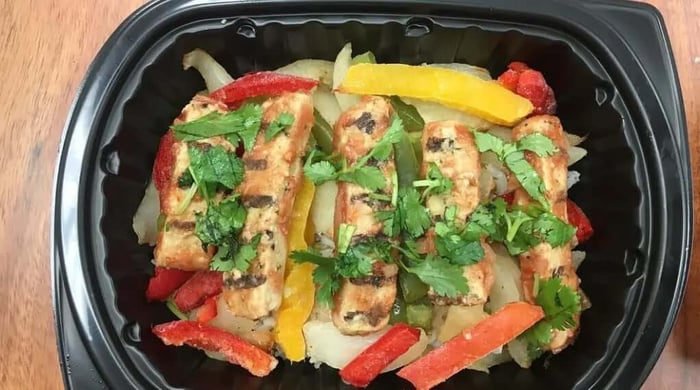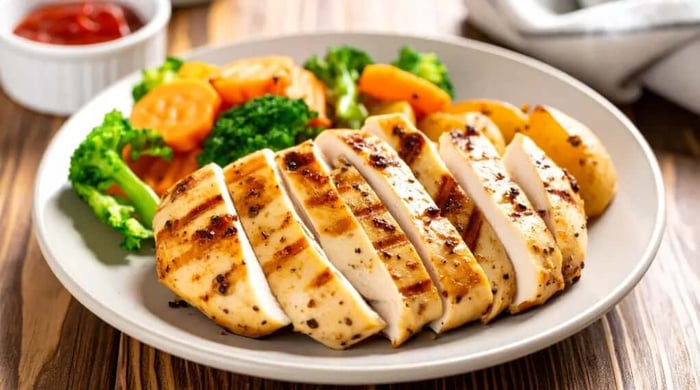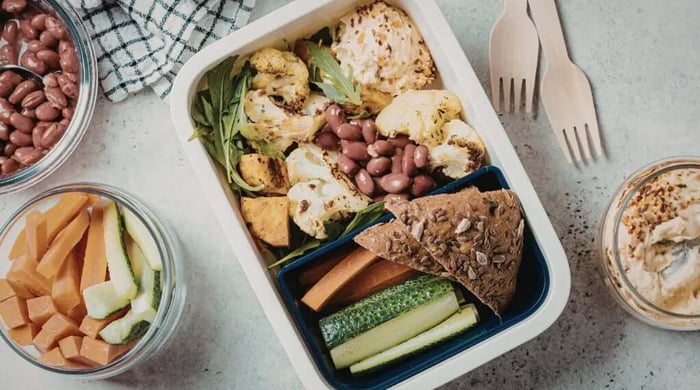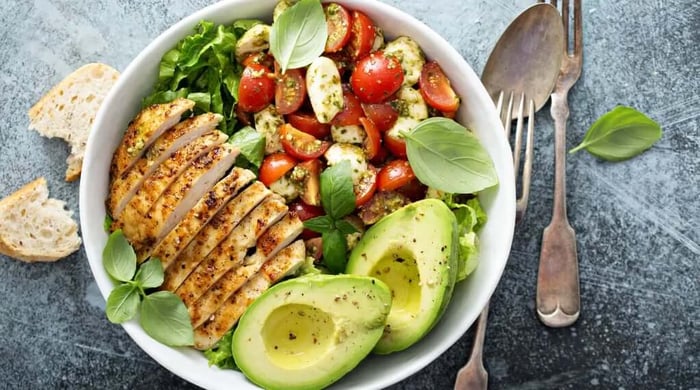
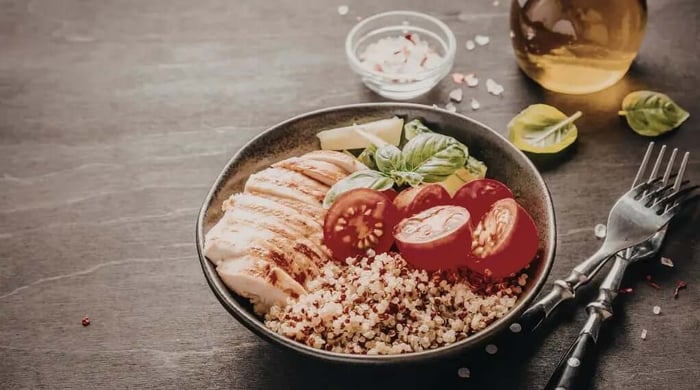
This recipe was designed with one central goal in mind: to support individuals on GLP-1 receptor agonist medications while delivering a meal that feels abundant, satisfying, and genuinely delicious. Whether you're taking semaglutide, tirzepatide, or another medication in this category, the way you fuel your body matters more than ever, and this bowl checks every box.
Recipe at a Glance
Before diving into the details, here's a quick snapshot of everything you need to know about timing, yield, and the meal's nutritional profile at the highest level.
Prep Time: 20 minutes, which includes marinating the chicken, chopping all vegetables, and rinsing the brown rice thoroughly under cold water to remove excess starch.
Cook Time: 35–40 minutes total, with the rice and roasted vegetables cooking simultaneously on the stovetop and in the oven, respectively, followed by a quick pan-sear of the chicken.
Total Time: Approximately 55–60 minutes from the moment you pull out your cutting board to the moment you sit down with a finished bowl, though most of that time is passive while things roast and simmer.
Servings: 4 generous portions, each one designed to deliver a balanced macro split that supports GLP-1 treatment goals without leaving you overstuffed or under-fueled.
New to GLP-1s? You're not alone.
Get our free GLP-1 nutrition guide — what to eat, what to expect, and how to get the best results.
Ingredients
The typical ingredients used in chicken and veggie bowls with brown rice highlight protein sources, vegetables, grains, and sauces. Gather everything before you begin cooking, as having your ingredients prepped and measured will make the entire process feel effortless. Each item on this list was chosen for a specific nutritional or culinary purpose, and substitution notes are included where flexibility exists:
1.5 pounds boneless, skinless chicken breast — trimmed of any visible fat and patted completely dry with paper towels, which is essential for achieving a proper sear rather than a steamed, rubbery texture.
1 cup dry brown rice — long-grain or short-grain both work well, though long-grain produces a fluffier, less sticky result that separates nicely in bowl format.
2 cups low-sodium chicken broth — used instead of water to cook the rice, adding a subtle savory depth that makes the grain component taste intentional rather than like an afterthought.
1 large sweet potato — peeled and cut into ¾-inch cubes that will caramelize beautifully in the oven while maintaining a creamy interior.
2 medium bell peppers (any color) — seeded and sliced into strips roughly ½ inch wide, with red or orange peppers offering the highest vitamin C content and natural sweetness.
2 cups fresh broccoli florets — cut into bite-sized pieces of uniform size so they roast evenly and develop those irresistible charred edges.
2 large handfuls of fresh baby spinach — approximately 3 cups loosely packed, which will wilt down dramatically when tossed with the warm rice and serve as the green foundation of the bowl.
2 tablespoons extra-virgin olive oil — divided between the vegetable roasting sheet and the chicken cooking pan.
3 cloves garlic, minced — split between the chicken marinade and the roasted vegetables for aromatic consistency throughout the bowl.
Juice of 1 large lemon — freshly squeezed, as bottled lemon juice lacks the bright, volatile compounds that make this marinade sing.
1 teaspoon smoked paprika — adds warmth and a subtle smokiness to the chicken without any heat, making it appealing even to those with GLP-1-related taste sensitivities.
1 teaspoon ground cumin — earthy and slightly nutty, this spice bridges the chicken and vegetable flavors into a cohesive whole.
½ teaspoon garlic powder — layered on top of the fresh garlic for a deeper, more rounded garlic presence throughout the dish.
Salt and freshly ground black pepper to taste — starting with ½ teaspoon of each and adjusting after cooking is the safest approach.
For the Tahini Drizzle: 2 tablespoons tahini, 1 tablespoon lemon juice, 1 tablespoon warm water, and a pinch of salt — whisked together until smooth and pourable. This adds creaminess and healthy fats without dairy.
Double-check your pantry against this list the night before, as there's nothing worse than discovering you're out of cumin halfway through prepping.
Instructions
Here's a step-by-step guidance on how to prepare and assemble the chicken and veggie bowl, including cooking methods and assembly tips.
Preheat your oven to 425°F (220°C) and position a rack in the center. Line a large rimmed baking sheet with parchment paper or a silicone baking mat to prevent sticking and make cleanup effortless.
Prepare the chicken marinade by combining 1 tablespoon olive oil, lemon juice, smoked paprika, cumin, garlic powder, half the minced garlic, and a generous pinch of salt and pepper in a medium bowl. Add the chicken breasts and turn them to coat evenly, then set the bowl aside on the counter while you prep the vegetables. Even 10 minutes of marinating makes a noticeable difference in flavor penetration.
Toss the cubed sweet potato, sliced bell peppers, and broccoli florets on the prepared baking sheet with the remaining tablespoon of olive oil, the rest of the minced garlic, and a pinch of salt and pepper. Spread everything into a single, uncrowded layer, using two baking sheets if necessary, because overcrowding causes steaming instead of roasting.
Place the vegetables in the preheated oven and roast for 25–30 minutes, tossing once halfway through with a spatula, until the sweet potatoes are fork-tender and the edges of the broccoli and peppers have developed golden-brown caramelized spots.
While the vegetables roast, start the brown rice by combining the dry rice and chicken broth in a medium saucepan over high heat. Bring to a rolling boil, then immediately reduce the heat to low, cover with a tight-fitting lid, and simmer undisturbed for 30–35 minutes until the liquid is fully absorbed and the grains are tender but still slightly chewy.
Cook the chicken during the last 12–15 minutes of the vegetable roasting time. Heat a large skillet or grill pan over medium-high heat until a drop of water sizzles on contact. Remove the chicken from the marinade, letting excess liquid drip off, and place the breasts in the hot pan. Cook for 6–7 minutes per side without moving them, allowing a golden crust to develop before flipping.
Check the chicken for doneness using an instant-read thermometer inserted into the thickest part of each breast. You're looking for an internal temperature of 165°F (74°C). Transfer the cooked chicken to a cutting board and let it rest for a full 5 minutes before slicing, allowing the juices to redistribute and preventing dry, stringy results.
Fluff the finished rice with a fork and immediately toss in the fresh baby spinach, stirring gently until the residual heat wilts the leaves into the grain. Season with an additional pinch of salt if needed.
Slice the rested chicken against the grain into ½-inch strips for the most tender eating experience, as cutting with the grain produces a chewy, less pleasant texture.
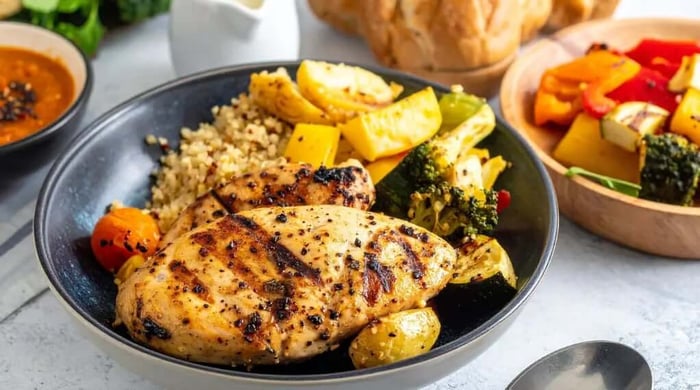
Assemble each bowl by spooning a generous scoop of the spinach-rice mixture into the bottom, arranging roasted vegetables alongside, fanning sliced chicken on top, and finishing with a generous drizzle of the tahini sauce and an optional squeeze of fresh lemon.
Serve immediately while everything is warm, or let the components cool separately for meal prep storage.
Nutrition Information (Per Serving)
One must understand that the nutritional content of the chicken and veggie bowl includes calorie count, protein, fiber, and other key nutrients. These values are calculated based on the specific ingredients and portions listed in this recipe, and they reflect one of four servings:
Calories: 445 kcal — positioned in the moderate range that satisfies without overwhelming a reduced appetite, making it appropriate as a standalone main meal for most GLP-1 users.
Total Protein: 38g — exceeding the 30g-per-meal minimum that most registered dietitians recommend for preserving lean muscle mass during medication-assisted weight management.
Total Carbohydrates: 42g — primarily from the brown rice and sweet potato, both of which are complex carbohydrate sources that digest slowly and provide sustained energy rather than rapid glucose spikes.
How to Buy and Prep the Chicken
Fresh chicken breast hasn't undergone the freeze-thaw cycle that breaks down muscle fibers and releases moisture, resulting in a juicier, more tender final product. If frozen is your only option, thaw it slowly in the refrigerator overnight rather than using the microwave, which cooks the edges unevenly while the center remains icy. There are suggestions for making the bowl healthier, for ingredient substitutions, and for adapting the recipe to various dietary needs.
Conventionally processed chicken is cooled in chlorinated water baths, which the meat absorbs, adding water weight you're paying for by the pound and diluting the flavor. Air-chilled chicken retains its natural moisture without added water, resulting in better browning and a more concentrated chicken flavor.
Storage and Meal Prep Tips
One of the greatest strengths of this recipe is how well it fits into a meal prep workflow, making it ideal for GLP-1 users who benefit from having ready-made, nutritious meals on hand whenever hunger strikes. Follow these guidelines to maximize freshness, safety, and reheating quality throughout the week:
Store each component in a separate airtight container. Keeping the rice, vegetables, chicken, and tahini drizzle in individual containers prevents moisture transfer between components, which is the primary cause of soggy, unappetizing reheated meals. Glass containers with locking lids work best because they don't absorb odors or stain from the spices.
Cool all components to room temperature before refrigerating. Placing hot food directly in the fridge raises the fridge's internal temperature, potentially putting other stored foods in the temperature danger zone. Spread the rice and vegetables on a sheet pan to cool faster, and never leave anything at room temperature for longer than two hours.
Refrigerated components will stay fresh for 3–4 days. The chicken is the most perishable element, so plan to consume the earliest-prepped servings first. If the chicken develops any off-odor, sliminess, or discoloration, discard it regardless of how many days it has been stored.
Freeze individual portions for up to 3 months. Assemble single servings in freezer-safe containers, press plastic wrap directly onto the surface to prevent freezer burn, and seal tightly. Thaw overnight in the refrigerator before reheating for best results.
Reheat the chicken and rice together in a covered skillet with a splash of broth. Microwave reheating tends to dry out chicken breast and create rubbery, uneven hot spots. Adding 2 tablespoons of chicken broth to a skillet, placing the rice and sliced chicken inside, covering with a lid, and heating over medium-low for 4–5 minutes steams everything back to a moist, tender state.
Frequently Asked Questions
Can I use chicken thighs instead of chicken breast?
Yes, boneless skinless chicken thighs are a perfectly valid substitution that many people actually prefer for their richer flavor and more forgiving cooking properties.
What if brown rice causes bloating or discomfort?
GLP-1 medications already slow gastric emptying, and the high-fiber content of brown rice can compound that effect in some individuals. Quinoa is an excellent substitute that provides comparable protein, similar fiber, and a lighter mouthfeel that many GLP-1 users find easier to digest. Cauliflower rice is another option that dramatically reduces both calories and carbohydrates while keeping the bowl format intact.
Is this recipe suitable for people not taking GLP-1 medications?
Absolutely. There is nothing medication-specific about the ingredients or preparation. This is simply a well-balanced, high-protein, vegetable-forward bowl that aligns perfectly with the nutritional priorities of GLP-1 users. Anyone seeking a nutritious, satisfying meal will enjoy it equally, and active individuals can simply increase portion sizes or add extra rice to meet higher calorie needs.
How can I increase the protein even further?
Adding a soft-boiled egg on top contributes an additional 6 grams of protein along with choline and vitamin D. Stirring a tablespoon of hemp hearts into the rice adds another 3 grams of protein plus omega-3 fatty acids. Swapping the tahini drizzle for a Greek yogurt-based sauce would add roughly 5 grams of protein per serving while keeping the creamy texture intact.
Can I make this bowl spicy?
Many GLP-1 users experience heightened taste sensitivity or mild nausea, so the base recipe intentionally avoids heat. If spice agrees with your system, add ¼ teaspoon of cayenne pepper to the chicken marinade, toss the vegetables with red pepper flakes before roasting, or drizzle sriracha or chili crisp over the finished bowl for a customizable kick.
What other vegetables work well in this bowl?
Zucchini, asparagus, snap peas, roasted cauliflower, and shaved Brussels sprouts all complement the existing flavors beautifully. Aim for vegetables that roast well at 425°F and cut them to similar sizes so cooking times remain consistent. Avoid very watery vegetables like tomatoes or cucumbers as roasted components, though they make excellent fresh toppings.
Do I need to rinse the brown rice before cooking?
Rinsing is strongly recommended. Run cold water over the rice in a fine-mesh strainer for 30–60 seconds, agitating with your hand until the water runs mostly clear. This removes surface starch that would otherwise make the cooked rice gummy and clumpy, resulting in distinct, fluffy grains that hold their structure beautifully in the bowl.
The general principle is to prioritize protein, keep fat moderate, choose complex carbohydrates over refined ones, and listen to your body's cues about portion sizes and food tolerances while on GLP-1 therapy.