
Quick Answer: This chicken and vegetable power bowl takes 40 minutes, makes four servings, and comes in at 480 calories with 2.5g saturated fat and 95mg cholesterol per bowl. It is built on the pattern most heart-healthy eating guidance describes — lean protein, fiber-rich whole grains and vegetables, and unsaturated fats from avocado, tahini, and olive oil in place of saturated ones.
If you are cooking around a cholesterol number, most recipes give you one of two things: something bland enough to feel like a punishment, or something labeled "heart healthy" with no indication of what actually makes it so. This bowl is neither. It is a sheet-pan chicken dinner with a tahini-lemon dressing that happens to be built the way heart-healthy eating patterns are generally described — and the nutrition panel below shows you the numbers so you can decide for yourself whether it fits.
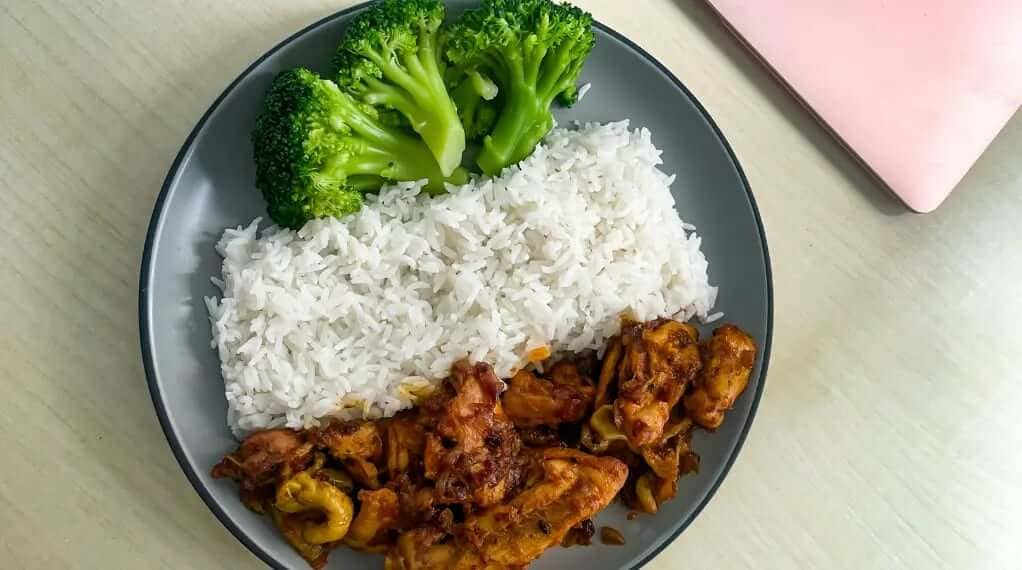
Recipe at a Glance
Prep Time: 15 minutes
Cook Time: 25 minutes
Total Time: 40 minutes
Servings: 4 bowls
Per bowl: 480 calories, 2.5g saturated fat, 95mg cholesterol
What This Bowl Is Built On
The dietary pattern that heart-health guidance typically describes is not complicated, and this bowl follows it fairly closely on four counts.
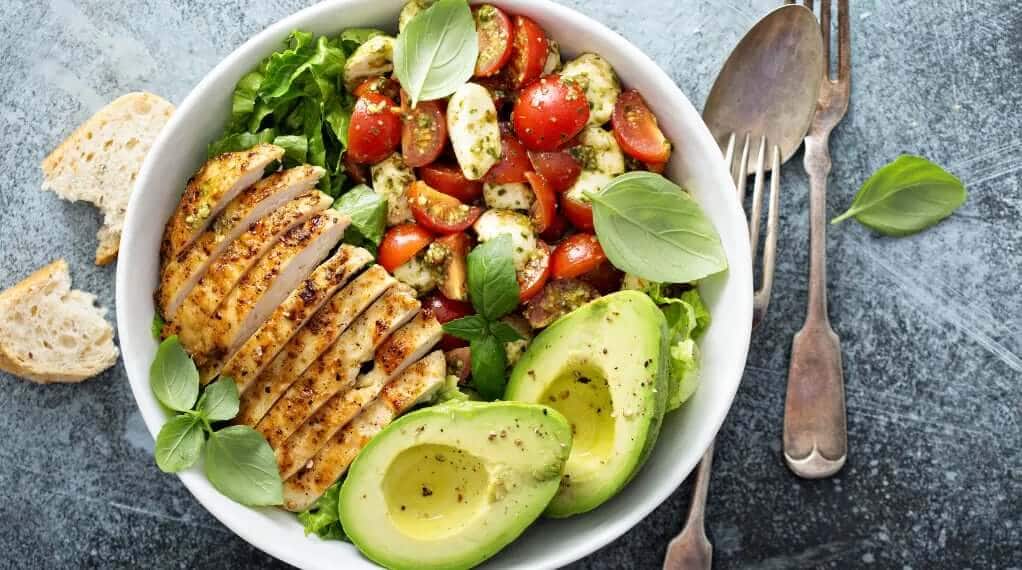
Lean protein instead of fatty cuts. Skinless chicken breast carries substantially less saturated fat than red meat or skin-on poultry. That single swap does most of the work in the saturated fat column.
Unsaturated fats doing the flavor work. The fat in this bowl comes from avocado, tahini, and olive oil — monounsaturated and polyunsaturated sources — rather than from butter, cream, or cheese. The dressing is where a bowl like this usually goes wrong, which is why it is tahini and lemon rather than something ranch-adjacent.
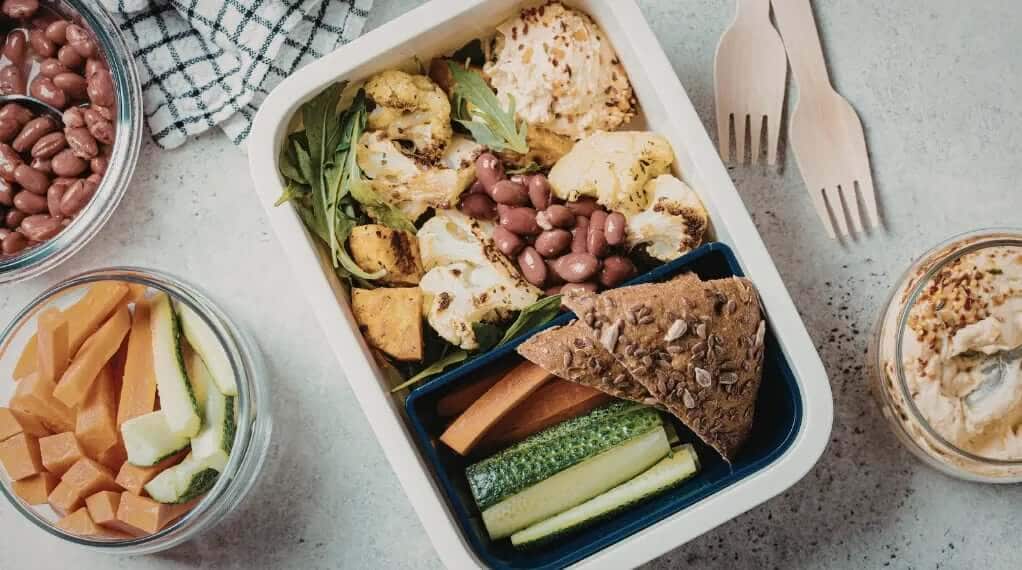
Soluble fiber throughout. Brown rice, quinoa, sweet potatoes, broccoli, and cabbage all contribute fiber, and soluble fiber in particular is a recurring feature of heart-healthy eating patterns. If you want the full picture of how soluble and insoluble fiber differ and where each shows up, our complete guide to dietary fiber is the deeper resource.
Vegetables by volume, not as a garnish. Three cups of broccoli, two of spinach, one of cabbage, plus a pound of sweet potato across four servings. The vegetables are the bulk of the bowl rather than a side note next to a large portion of protein.
A note on framing: this is a recipe, not medical guidance. It is built to fit a heart-healthy eating pattern, and the nutrition numbers are published below so you can check it against whatever targets you and your clinician are working toward. Nothing here is a substitute for their advice.
Ingredients
Get everything measured and chopped before you start. You will be running the oven, the stovetop, and the dressing at once, and this is not a recipe that rewards improvising halfway through.
1.5 pounds boneless, skinless chicken breast
1 cup brown rice, dry — long-grain gives you fluffier, more separated grains for a bowl format
1/2 cup white quinoa, dry — rinse for 30 seconds under cold water to wash off the saponin coating, which tastes bitter
2 medium sweet potatoes (about 1 pound), peeled and cut into 3/4-inch cubes
3 cups broccoli florets, cut to roughly equal size so they steam evenly
2 cups fresh baby spinach
1 cup shredded purple cabbage
1 ripe avocado, sliced — ripe means it yields to gentle pressure near the stem
3 tablespoons tahini — check the label for sesame seeds and salt only, no added oils or sweeteners
2 tablespoons fresh lemon juice (about 1 lemon)
1 tablespoon extra-virgin olive oil
1 teaspoon ground cumin
1 teaspoon smoked paprika
1/2 teaspoon garlic powder
1/2 teaspoon sea salt, plus more to taste
1/4 teaspoon freshly ground black pepper
1 tablespoon warm water, for the dressing
Optional: sesame seeds, chopped cilantro, red pepper flakes
Instructions
The trick is starting the oven and the stovetop at the same time so the grains and the sheet pan finish within a few minutes of each other.
Preheat to 400°F and line a large sheet pan with parchment.
Start the grains. Combine the brown rice and quinoa in a medium saucepan with 2.5 cups of water and a pinch of salt. Bring to a boil, then reduce to low, cover tightly, and simmer 20 to 22 minutes until the water is absorbed.
Season the sweet potatoes. Toss the cubes with half the olive oil, half the cumin, half the paprika, and a pinch of salt. Spread them across one half of the sheet pan in a single layer, leaving space between pieces so they roast instead of steaming.
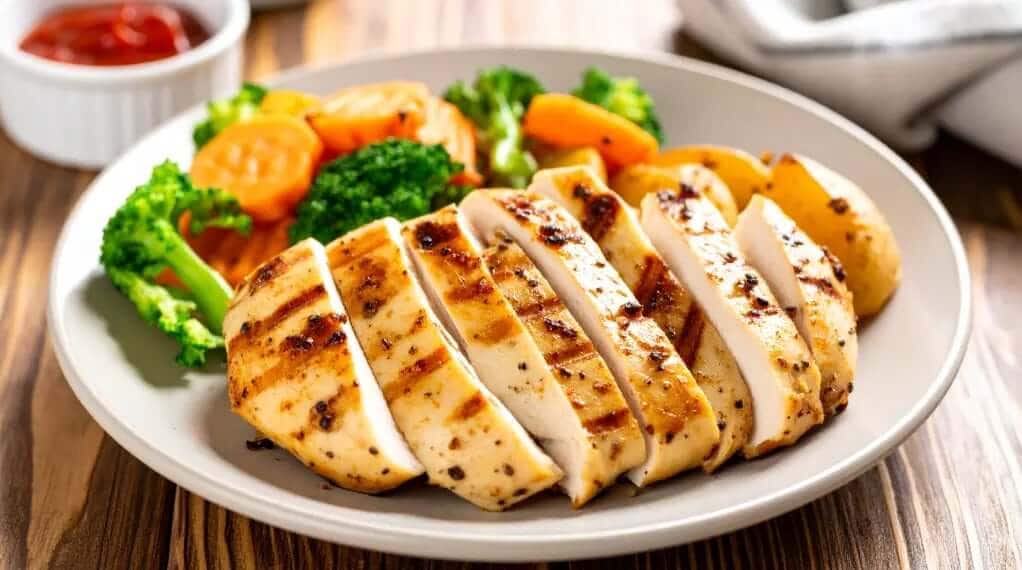
Season the chicken. Rub the breasts with the remaining olive oil, cumin, paprika, garlic powder, salt, and pepper, working the mixture across all surfaces. Place them on the other half of the pan.
Roast for 22 to 25 minutes, flipping the sweet potatoes once at the halfway point. The chicken is done at 165°F on an instant-read thermometer.
Steam the broccoli during the last five minutes — four to five minutes in a steamer basket until bright green and tender-crisp. A covered bowl with two tablespoons of water for three minutes in the microwave also works.
Whisk the dressing. Tahini, lemon juice, warm water, and a pinch of salt until smooth and pourable. Thin with more water a teaspoon at a time if it seizes up.
Rest the chicken three minutes before slicing against the grain into thin strips. Fluff the grains with a fork to release steam so the base does not go gummy.
Assemble. Divide the grains among four bowls, then arrange the chicken, sweet potatoes, broccoli, spinach, cabbage, and avocado in sections on top rather than mixing them. Drizzle with dressing, finish with sesame seeds or cilantro, and serve while the roasted components are still warm.
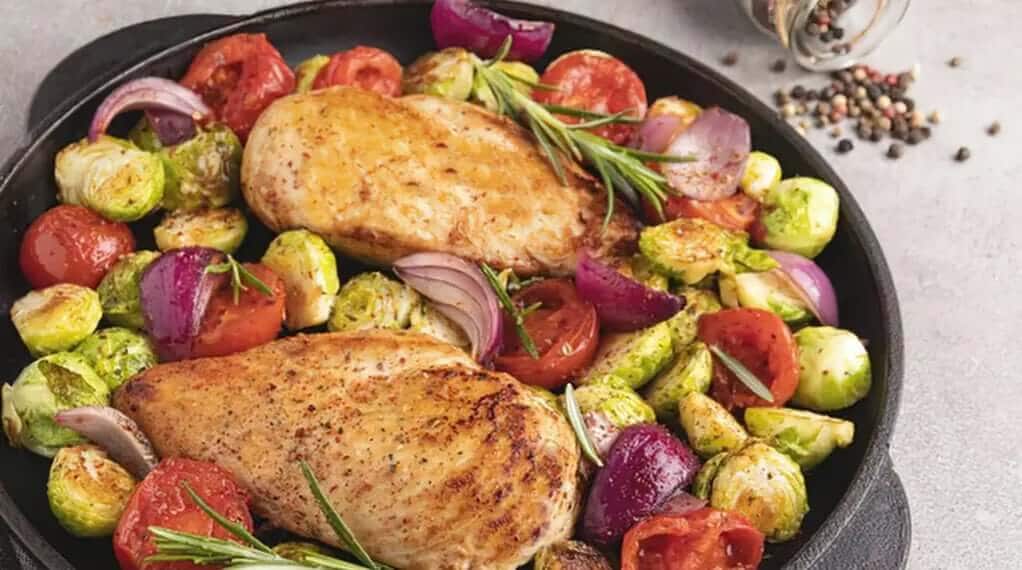
Sauces and Dressings
The dressing is where a bowl like this most often drifts away from the pattern it was built on. Creamy usually means dairy or mayonnaise, and both bring saturated fat with them. The tahini-lemon version here gets creaminess from sesame instead.
If you want variety across a week of meal prep, a Greek yogurt tzatziki, a cilantro-avocado sauce, or a simple vinaigrette of olive oil, lemon, Dijon, and herbs all give you a different flavor without changing the fat profile much. All three take about two minutes to whisk together. Keep added sugars low and lean on fresh herbs and acid for the flavor.
Nutrition Information (Per Serving)
Calories: 480 kcal
Total Fat: 14g — mostly monounsaturated and polyunsaturated, from the avocado, tahini, and olive oil
Saturated Fat: 2.5g
Trans Fat: 0g
Cholesterol: 95mg
For context on the saturated fat figure: American Heart Association guidance for people working to lower LDL puts saturated fat at roughly 5 to 6 percent of daily calories, which is about 13 grams on a 2,000-calorie day. At 2.5 grams, a bowl leaves most of that budget untouched.
Estimated values based on the ingredients as listed. Actual nutrition will vary with brands, portion sizes, and optional additions.
Buying and Prepping the Chicken
Fresh chicken breast holds seasoning better than previously frozen breast, which tends to release moisture during roasting and wash out the spice crust you have just built. Look for a uniform pink color with a slight sheen. Discoloration, sliminess, or any off smell means it is past its prime.
Storage and Meal Prep
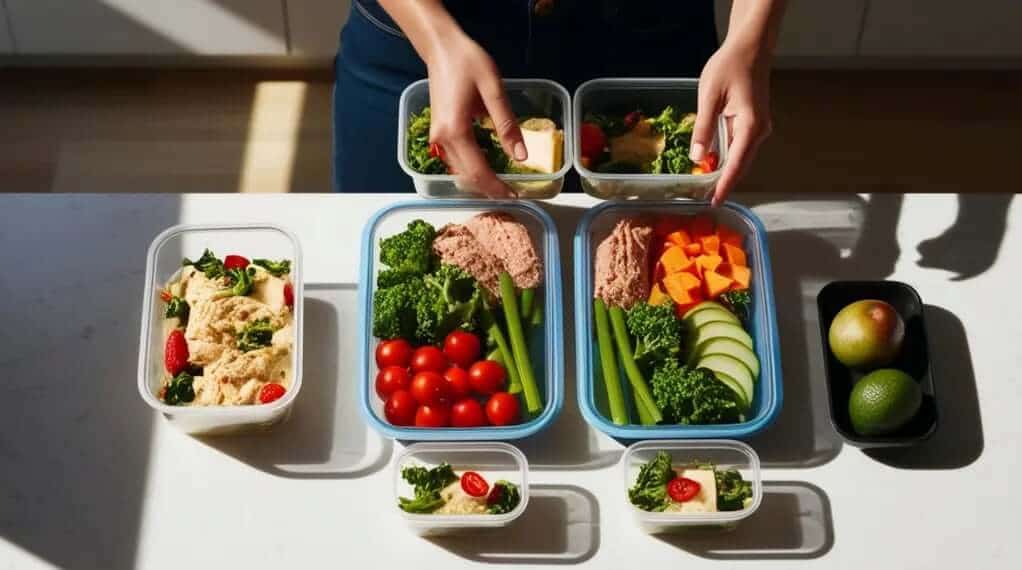
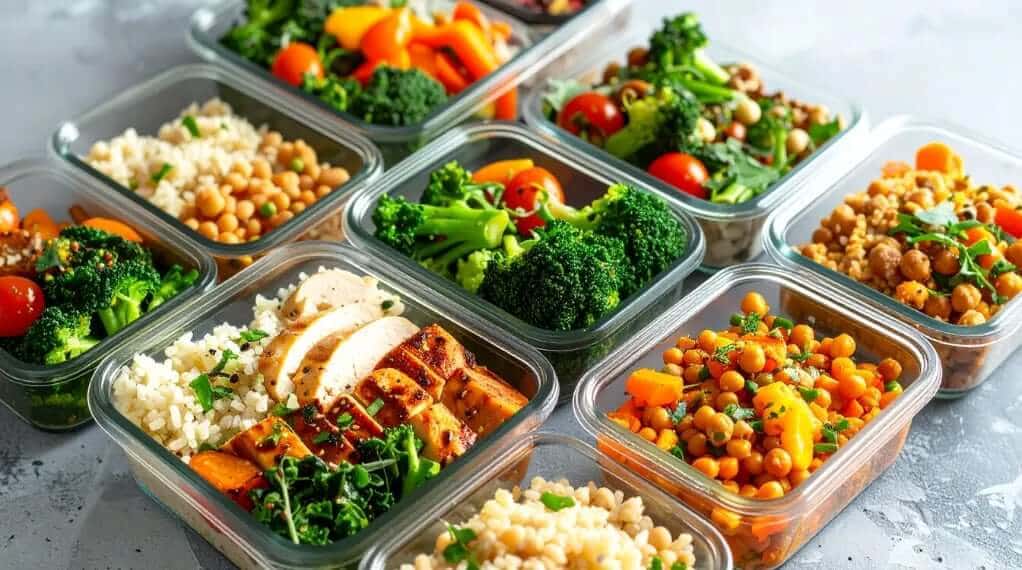
This bowl is designed for batch cooking, but only if you store it correctly. Keep the grains, chicken, roasted sweet potatoes, steamed broccoli, raw vegetables, and dressing in separate airtight containers. Moisture migration is the enemy — dressing on cabbage and spinach turns both to sludge within hours.
Transfer the sliced chicken to a shallow container so it cools quickly and evenly, and get it refrigerated within the two-hour window the USDA recommends for perishable foods at room temperature. Glass containers are worth the upgrade here: they do not stain or hold odors, and the tighter seal slows the oxidation that makes cooked grains taste stale by Wednesday.
Pro Tips
Marinate for 30 minutes if you have it. Mix the spice rub with a tablespoon of lemon juice and let the chicken sit in the fridge. You get seasoning through the surface layer rather than just on it.
Put the sweet potatoes on the lower rack. Closer to the heat source means faster caramelization on the bottom face — crisp edges, creamy interior.
Toast the quinoa first. Two minutes in a dry saucepan before adding water drives off residual moisture and brings out a nutty aroma that carries through the cooked grain.
Quick-pickle the cabbage. Toss the shredded purple cabbage with half a teaspoon of rice vinegar and a pinch of salt ten minutes before assembly. It softens the raw bite and sharpens the tang without an actual pickling step.
Warm the bowls. Two minutes in the oven while the chicken rests keeps everything hot through the last serving, which matters if you are plating for more than two people.
Where This Fits in a Week
One bowl is a good dinner. The harder problem is the other six, which is where most eating patterns fall apart — not at the meal you planned but at the one you did not. Batch-cooking four of these on a Sunday solves part of that; our complete meal prep guide covers the system for the rest of it.
At 480 calories this bowl also sits comfortably in the same range as the options in our 15 high-protein meals under 500 calories, if you want more variety in the same calorie band. And for the wider question of which foods carry their weight in a fiber-forward, vegetable-heavy pattern, our guide to the best foods for weight loss covers the ingredient-level reasoning.
For the nights when the sheet pan is not happening, our High Fiber Meal Plan is built around the same fiber-forward idea and arrives portioned and labeled. If you would rather set your own parameters, Build a Meal Plan lets you filter the full menu by calorie range and dietary restriction and hand-pick every meal in the box, or you can browse the full lineup of curated meal plans if you would rather not choose meal by meal.
Frequently Asked Questions
Can I substitute chicken thighs for chicken breast?
Boneless, skinless thighs run slightly higher in fat and cholesterol than breast meat, by roughly 25 milligrams of cholesterol per serving. If you prefer the richer flavor and the more forgiving texture, the swap is a reasonable one.
Can I use white rice instead of brown rice?
You can, but white rice has had the bran and germ removed, which is where most of the fiber and B vitamins live. If you want a lighter texture without losing the fiber, swap cauliflower rice for half the grain portion instead of going to white rice entirely.
What if I don't have tahini?
Natural almond butter or sunflower seed butter replaces tahini one-to-one in the dressing. The flavor shifts slightly but the creamy texture and the unsaturated fat profile stay comparable.
How do I make this recipe vegan?
Replace the chicken with one block of extra-firm tofu, pressed for 15 minutes, cubed, seasoned and roasted identically. Tofu contains no cholesterol, takes the cumin-paprika rub well, and adds roughly 20 grams of plant protein per serving.
I take a blood thinner. Does the spinach matter?
Spinach and broccoli are both high in vitamin K, which is relevant if you take warfarin or a similar anticoagulant. The general guidance is to keep vitamin K intake consistent rather than to avoid these foods, but this is a conversation to have with the clinician who manages your prescription, not one to settle from a recipe page.
My sweet potatoes always come out soggy. What am I doing wrong?
Overcrowding the pan is almost always the cause. Cubes packed close together steam each other instead of roasting. Spread them in a single layer with at least half an inch between pieces and resist stirring them more than once.
Can I add cheese to this bowl?
A tablespoon of crumbled feta per bowl adds about 4 grams of fat and 13 milligrams of cholesterol, which barely moves the numbers. A heavy hand with shredded cheddar or parmesan is a different story and would change the profile of the dish considerably.
Is this bowl gluten-free?
Brown rice and quinoa are both naturally gluten-free and nothing else in the recipe contains gluten. Check that your spice blends do not use wheat-derived anti-caking agents, and buy quinoa labeled certified gluten-free if you have celiac disease.
How can I add more heat?
Work half a teaspoon of cayenne into the spice rub, add a diced jalapeno to the sheet pan alongside the sweet potatoes, or finish each bowl with sriracha or chili crisp. None of these meaningfully change the calorie or fat numbers.
What other vegetables work well in this bowl?
Roasted bell peppers, steamed asparagus, shredded carrots, edamame, sliced radishes and sauteed zucchini all work. Keep the structure rather than the specific list: one roasted vegetable, one steamed or raw green, and one crunchy raw element for texture.
The Bottom Line
Forty minutes, one sheet pan, four bowls at 480 calories with 2.5 grams of saturated fat each. The reason it works is not any single ingredient — it is the shape of the whole plate: lean protein, a lot of vegetables, fiber-carrying grains, and fat that comes from avocado and sesame rather than butter and cheese. Once that shape is familiar, you can rebuild it a dozen ways with whatever is in the fridge.