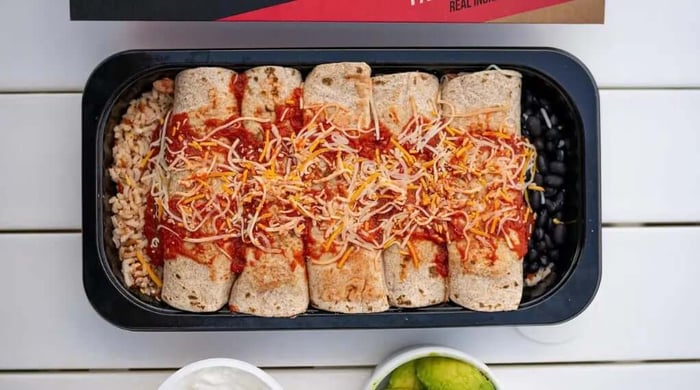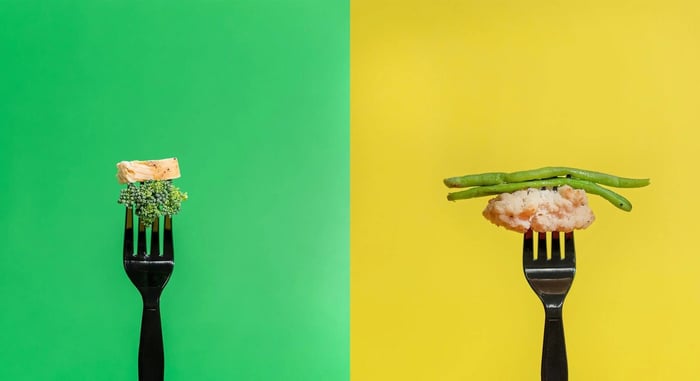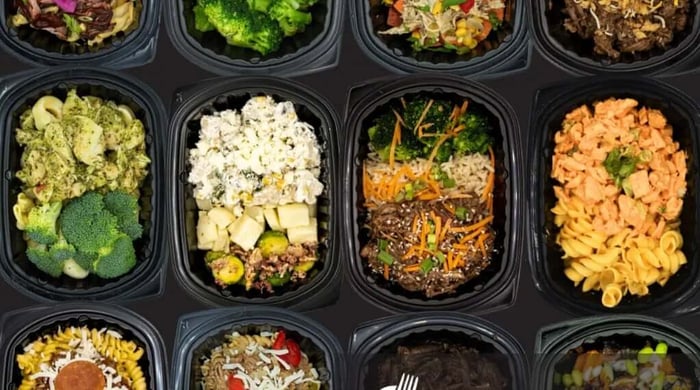
Preparing your own meals in advance is a powerful strategy for managing weight. Many people find that healthy meal prep weight loss tactics can improve diet quality and speed up progress toward their goals. By planning and cooking balanced meals ahead of time, you take control over ingredients and portion control meal prep, which is a key factor since even nutritious foods can lead to weight gain if eaten in excessive amounts. One large study found that regularmeal planning is associated with healthier eating habits and lower odds of obesity. Making a habit of meal prep for weight loss can set you up for success by removing the guesswork from your daily food choices.
Mastering Portion Control for Weight Loss
One of the biggest advantages of meal prepping is the ability to pre-portion your meals. Portion control is crucial for weight loss. Prepping meals in individual containers makes it easier to stick to appropriate serving sizes rather than mindlessly overeating from a large batch. By sticking to healthy diet meal prep and paying attention to portion sizes, you can avoid consuming excess calories that impede your progress.
- Use visual cues for portions:You don’t need to count every calorie if you focus on visual portion guides. Use your hand as a guide: a palm-sized portion of lean protein, a fist-sized serving of whole grains, and two fistfuls of vegetables can create a balanced plate. Similarly, a portion of fat might be about the size of your thumb. These simple cues help ensure balanced prepared meal portions without tedious weighing or measuring.
- Fill up on veggies:An easy rule of thumb is to fill about half of each meal prep container with non-starchy vegetables or fruits. Veggies are high in volume and fiber but low in calories, making them perfect for weight loss. Each prepared meal should beroughly 50% vegetables or fruit. This not only controls calories but also boosts nutrition and satiety. If you’re packing a lunch of grilled chicken and brown rice, make sure to add a big serving of roasted or steamed vegetables to crowd out higher-calorie items.
- Portion out each meal and snack:When you finish cooking, divide the food into individual servings right away. Store them in single-serving containers so that when it’s time to eat, you have a ready-made portion in front of you. This technique prevents the “extra spoonfuls” that occur when people serve from a single large pot. If you’ve prepared a large low-calorie meal prep soup or casserole, ladle it into separate lunch containers immediately. Having pre-portioned meals and even snacks makes it far less likely you’ll overdo it.
- Mind liquid calories and extras:Be cautious with calorie-dense add-ons like dressings, oils, and sauces. It’s easy to accidentally pour several hundred calories of dressing onto an otherwise healthy salad. Measure these extras in advance and keep them separate until mealtime. That way, your portion control meal prep efforts won’t be undermined by too much salad dressing or sauce. Opt for lighter condiments or flavorings, such as herbs, vinegar, spices, and lemon, to add flavor without many calories.
Meal prep doesn't have to be complicated.
Get our free guide — shortcuts, meal ideas, and a system that makes eating well the easy option.
Learning proper portions might take a little practice, but it gets easier quickly. Remember that controlling portion size is just as important as choosing healthy meals for weight loss. By pre-portioning meals and snacks, you build a habit of moderation.
Planning a Week of Meals: The 7-Day Meal Prep Strategy
Successful weight-loss meal planning starts with a solid plan. Taking time to plan out your menu for the week will save you stress and decision fatigue on busy days. It can be as straightforward as writing down what you’ll eat for breakfast, lunch, dinner, and snacks each day. Once you have a weight loss meal prep game plan, you can create a grocery list and schedule time to cook.
Instead of winging it meal by meal, create a simple chart or list of the upcoming week’s meals, like a 7-day diet plan for weight loss that fits your needs. Consider your schedule. Will you be out for any meals, or do some days require on-the-go options? Plan accordingly. Ensure each day’s menu includes a balance of protein, complex carbs, and healthy fats. Planning ahead helps ensure you won’t have gaps that tempt you into fast-food runs or skipping meals.
Based on your 7-day plan, make a detailed grocery list before you hit the supermarket. This helps you avoid impulse buys that aren’t on your plan. Shop mostly the perimeter of the store and less in the processed snack aisles. Buying in bulk can save money for meal prep. Also, pick up some reusable meal prep containers if you don’t have enough; having the right containers will make storage easy. When designing your weekly plan, aim for balanced prepared meal portions each day. That means including vegetables or fruits at every meal, adequate protein to keep you full, and modest portions of whole grains or starchy veggies for energy. People who follow structured meal plans are less prone to impulsive eating. Having your healthy meals ready makes youless likely to grab processed foods or junk snacks when hunger strikes. A little effort in planning and prepping ensures that every day you have healthy meals for weight loss ready to enjoy.
Healthy Meal Prep Recipes
Eating the same plain chicken and broccoli every day gets old fast, but meal prep certainly doesn’t have to be boring. One secret to sticking with meal prepping is to include foods and flavors you genuinely enjoy. The goal is to create meals that are high in nutrients and flavor while moderate in calories. Ideally, each meal should include lean protein, plenty of vegetables or fruits, and some whole grains or healthy fats for energy.
When brainstorming healthy meal prep ideas, think about dishes that: (1) make good leftovers (reheat well or taste good cold), (2) can be made in large batches, and (3) are relatively simple to prepare. You’ll also want variety from week to week so you don’t burn out on any one food.
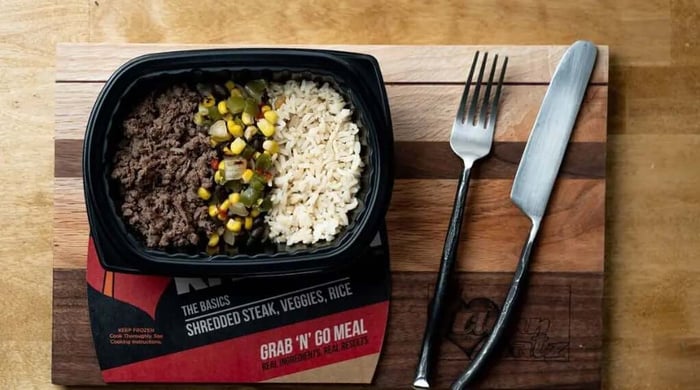
Common Meal Prep Mistakes to Avoid
Meal prepping is a fantastic habit, but there are a few pitfalls that can trip you up if you’re not careful. Being aware of these common mistakes can help you avoid them and make weight loss meal planning truly effective for weight loss. Here are some frequent meal prep missteps and how to fix them:
- Making meals too monotonous:One major mistake is eating the exact same thing every day until you’re utterly bored. While consistency is good, no one wants to choke down dry chicken and broccoli five days in a row. Food boredom is a motivation killer. It can lead you to crave variety in the form of unhealthy takeout.
- Not including enough vegetables:Another common error is skimping on veggies when prepping. Perhaps you focus heavily on cooking proteins or grains and forget to pack in the produce. This can make meals less filling and more calorically dense than necessary.
- Overly large (or too small) portions:Misjudging portion sizes is easy and can undermine your weight-loss efforts. If your prepped meals are too big, you might be consuming more calories than you realize. If portions are too small, you’ll be starving and likely end up snacking on whatever is available later. Both scenarios can stall weight loss.
- Prepping foods that don’t keep well: Not all recipes are meal-prep friendly. If you choose dishes that get soggy, discolored, or unappetizing after a day or two, you won’t want to eat your prepped meals.
- Storing food unsafely or for too long: Food safety is a critical consideration. A big mistake is cooking a massive batch of food on Sunday and trying to stretch it for 6 or 7 days in the fridge. As mentioned, most cooked foods last around 3-5 days refrigerated. Pushing it longer risks bacterial growth and foodborne illness. A smart strategy is to freeze portions that you won’t eat within 4 days. Freezing immediately after cooking locks in freshness; you can thaw a frozen meal later in the week or the following week. Also, use airtight containers to keep air out, and label them with the date. It’s easy to forget when you cooked something. Being mindful of these details will keep your meal prep safe as well as healthy.
By being mindful of these common pitfalls, you can fine-tune your meal prep process. With good planning, safe food practices, and a bit of creativity, your healthy meal prep weight loss routine will become second nature – and you’ll avoid those mistakes that could derail your progress.
Considering Meal Delivery for Weight Loss Convenience
Meal prepping does require time and effort. For busy individuals or those who don’t enjoy cooking, this can be a barrier. If you find it challenging to prepare all your meals, one option is to use a prepared meal delivery for weight loss. These services provide pre-portioned, nutritious meals that are ready to eat with minimal effort. It’s like having the benefits of meal prep, without you doing the prep.
Many weight loss prepared meal delivery programs exist, ranging from nationwide companies to local meal prep services. They typically offer menus designed by dietitians or chefs to ensure the meals are balanced and calorie-controlled. For example, you might receive dishes such as grilled chicken with vegetables and sweet potato, or turkey chili, each labeled with its nutritional information. A big advantage is portion control, which is the work of measuring and calculating calories is done for you. In fact, top-rated weight-loss meal services provide perfect portions to help customers meet their health goals. This can remove the guesswork about how much to eat, which many people struggle with.
Using a weight loss meal prep delivery service can also save you significant time. Imagine getting a week’s worth of healthy meals delivered to your door; you wouldn’t need to grocery shop or cook as often. This convenience can be a game-changer if you have a hectic schedule or simply want to spend your free time on other activities. Instead of hitting a drive-thru when you’re too busy to cook, you can just grab a ready meal from your fridge or freezer. For some, this is the difference between staying on track and derailing their diet.
Another benefit is the variety and structure these services offer. Reputable weight loss meal plans delivery rotate their menus and offer many choices. If you’re someone who dislikes eating the same thing repeatedly, a delivery service might keep your palate happier with new dishes regularly. It also provides structure. For instance, if you subscribe to a plan that sends 5 lunches and 5 dinners per week, you know you have those meals accounted for, and you might only need to worry about breakfast and snacks on your own.
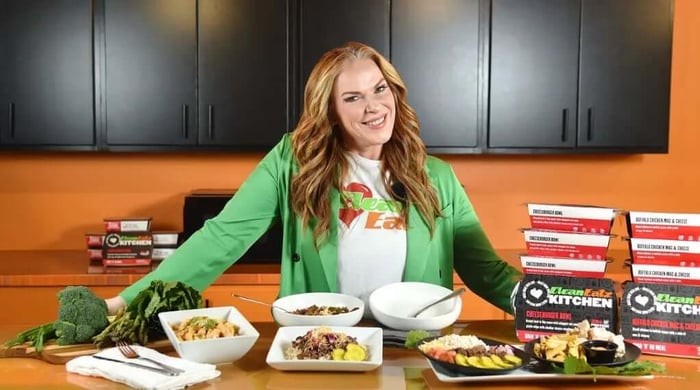
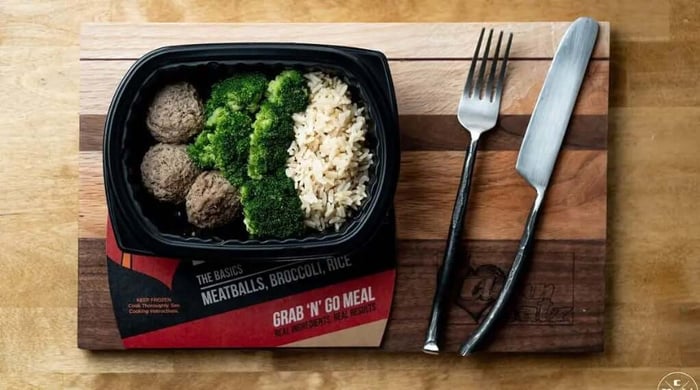
When choosing a healthy meal delivery for weight loss service, look for one that aligns with your nutritional needs. Check the average calories per meal and the macronutrient balance. Ideally, meals should have plenty of protein and vegetables, reasonable portions of whole grains, and limited added sugars or heavy sauces. Meals should not only be healthy but also tasty, or you won’t stick with them. Many companies allow you to pick and choose meals each week from a rotating menu, which is great for ensuring you get foods you enjoy. A delivery company likeClean Eatz Kitchen offers a variety of nutritionally balanced, portion-controlled meals that cater to weight-conscious eaters. Such services can ship fully cooked meals straight to your doorstep. All you have to do is heat and eat.
Consistency is key. Whether you cook everything yourself or get a bit of assistance, sticking with mostly home-prepped, whole-food meals will yield benefits beyond just shedding pounds. You’ll likely save money, reduce food waste, and feel more energized from the quality of food you’re eating. So gather your favorite recipes, stock up on containers, and start planning your next week of meals. With practice, weight loss meal prep ideas will become second nature, and you’ll wonder how you ever managed without those ready-to-go healthy meals in your fridge.
Sources
- International Journal of Behavioral Nutrition and Physical Activity – Meal planning is associated with food variety, diet quality and body weight status (PMC5288891)
- Women’s Health – "6 Meal-Prep Mistakes That Are Making You Gain Weight"
- EatingWell – "24 Meal Prep Recipes to Help You Lose Weight"
- Men’s Health – "6 Meal Prep Mistakes You Need to Stop Making"
- Good Housekeeping – "10 Best Meal Delivery Services for Weight Loss, According to a Dietitian"