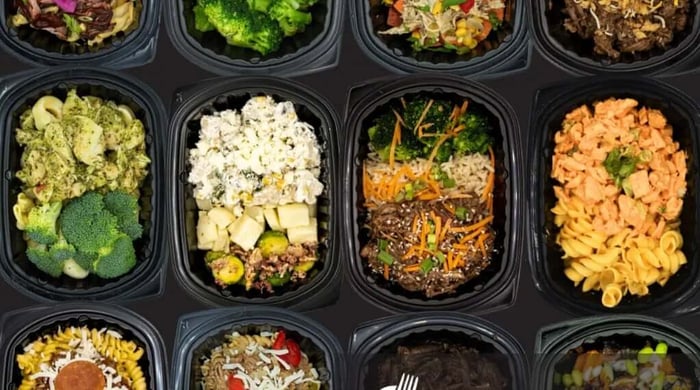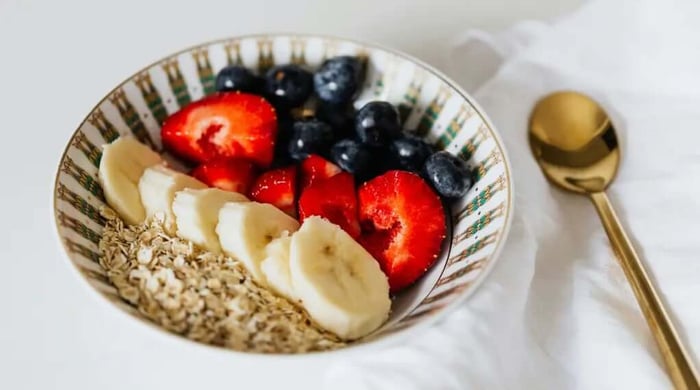

Hitting 30 grams of protein per meal on a GLP-1 medication is the single most important nutritional habit for protecting lean muscle during rapid weight loss. Research consistently shows that 30 grams per meal triggers maximal muscle protein synthesis in most adults, while patients who fall short routinely lose 25 to 40 percent of their total weight from muscle rather than fat. The challenge is that semaglutide, tirzepatide, and similar medications reduce appetite by 20 to 40 percent within weeks, making the old strategy of eating a large chicken breast or a 16-ounce steak nearly impossible.
Why Muscle Preservation Becomes Critical On GLP-1 Medications
The Muscle Loss Risk During Rapid Weight Loss
Muscle is metabolically expensive tissue. Every kilogram you lose drops your resting metabolic rate by roughly 13 calories per day. Any rapid weight-loss method carries a risk of muscle loss, but GLP-1 medications amplify it because patients eat much less spontaneously. Studies of patients on semaglutide and tirzepatide show that, without deliberate protein and resistance training interventions, up to 40 percent of weight loss can come from lean tissue. This is the same proportion seen in bariatric surgery and prolonged calorie restriction.

Why Protein Is The Single Lever You Control
You cannot easily change how the medication works, but you can change what you eat. Protein intake is the variable with the strongest evidence base for preserving muscle during weight loss. Resistance training matters too, but without adequate protein, even strength training cannot prevent significant muscle loss. A GLP-1 meal delivery plan that prioritizes protein density gives you control over the one lever that meaningfully influences body composition.
How Much Daily Protein You Actually Need On GLP-1s
Current evidence supports 1.2-1.6 grams of protein per kilogram of body weight per day during GLP-1 therapy. A 75-kilogram adult needs 90 to 120 grams of protein per day. Older adults and those losing weight aggressively benefit from the upper end of the range. Hitting these numbers requires deliberate planning when appetite is suppressed.
The 30-Gram Per Meal Target And Why It Matters
Muscle Protein Synthesis And The 30-Gram Threshold
Total daily protein matters, but distribution across meals matters almost as much. Research from the Journal of the International Society of Sports Nutrition shows that 25 to 30 grams of high-quality protein per meal stimulates near-maximal muscle protein synthesis. Going significantly higher provides modest additional benefit. Going significantly lower, especially in older adults, leaves muscle-building potential on the table at each meal. Eating 100 grams of protein in one sitting and skipping protein at the other meals results in less muscle protein synthesis than eating 25 grams across four meals. The body uses each protein-rich meal as a separate signal. Three or four meals of 30 grams each are structurally better for muscle preservation than two meals of 50 grams each. This is the foundation of any high-protein meal plan delivery strategy for GLP-1 patients.
The Leucine Trigger And Per-Meal Math
Leucine is the amino acid that flips the switch on muscle protein synthesis. Each meal needs roughly 2.5 to 3 grams of leucine, which translates to approximately 30 grams of high-quality animal protein or 35 to 40 grams of plant protein. Whey, eggs, chicken, beef, and fish all easily hit this threshold. Plant proteins require larger portions or strategic combinations.
The Challenge Of Eating Enough Protein When Appetite Drops
A 6-ounce chicken breast provides 40 grams of protein and about 280 calories. Pre-GLP-1, most adults can eat this without effort. On a maintenance dose of semaglutide or tirzepatide, finishing the full portion often produces nausea or early fullness halfway through. The solution is not to skip the protein but to choose denser sources and split meals.
Density is the key concept. Greek yogurt, with 17 grams of protein per cup, is denser than chicken soup, which has 6 grams per cup. Protein powder at 25 grams per scoop is denser than chicken breast at the same caloric load. Patients on GLP-1s benefit from choosing sources that pack more protein per ounce. A macro-friendly meal delivery approach engineered for GLP-1 patients applies this density principle to every entrée. The three most common errors are skipping meals entirely when nausea hits, replacing meals with low-protein soups or smoothies, and assuming protein bars are adequate substitutes. Each error shaves protein from the daily total.
Strategies To Hit 30 Grams On A Suppressed Appetite
Hitting 30 grams per meal with reduced appetite requires changing how you build a plate. The ordered steps describe how to build any meal up to the 30-gram threshold, even when appetite is significantly reduced from medication.
Anchor Each Meal With A Primary Protein Source: Start every meal with 4 to 6 ounces of lean animal protein. Chicken, turkey, fish, lean beef, and eggs are reliable starting points. This anchor typically delivers 25 to 35 grams on its own, putting you near or at the 30-gram target before adding anything else to the plate.
Add A Secondary Protein Source for Insurance: Sprinkle cheese, add a scoop of Greek yogurt, or include a hard-boiled egg as a side. Each addition contributes 5 to 10 grams. This insurance layer protects against undereating the primary protein when your appetite cuts you off halfway through the meal.
Use Protein Powder When Solid Food Feels Difficult: On days when nausea or fullness makes eating hard, blend a scoop of whey or pea protein into yogurt, soup, or oatmeal. One scoop adds 25 grams of protein with negligible volume.
Choose High-Protein Carbs Over Empty Carbs: Swap white rice for quinoa, regular pasta for chickpea pasta, and standard yogurt for Greek yogurt. Each swap adds 6 to 15 grams of protein per serving. These small upgrades stack up throughout the day and meaningfully increase total intake without requiring more food volume.
Front-Load Protein at Breakfast: Most patients fall short at breakfast because their appetite is lowest in the morning on GLP-1s. A protein-forward breakfast with 30 grams sets the day up for success and relieves pressure on the rest of the meals. Egg whites with turkey sausage and Greek yogurt are a reliable template.
After two weeks of tracking, the patterns become intuitive, and tracking becomes optional rather than necessary.
When To Adjust Your 30-Gram Target
During Dose Escalation Weeks
The first week after a dose increase, 30 grams per meal is often physically difficult. During this window, accept that some meals will land at 20 to 25 grams. Compensate by adding an extra protein snack or shake during the day. Total daily protein matters more than any single meal during these transition periods.

When Side Effects Make Solid Food Difficult
If nausea, reflux, or food aversion make a normal meal impossible, drop to liquid protein sources. A shake made with two scoops of whey delivers 50 grams of protein in 250 calories. Drinkable yogurts, protein-fortified smoothies, and clear protein waters all count. The goal is to hit the daily total even if individual meals fall short.
At Maintenance Dose With Stable Appetite
Once you stabilize at a maintenance dose, appetite tends to settle into a predictable pattern. Most patients can comfortably hit 30 grams across four meals. This is the easiest phase of GLP-1 therapy for muscle preservation. Discipline built during titration weeks becomes routine, and total intake stabilizes at sustainable levels for long-term maintenance.
Signs You Are Hitting Your Protein Target On A GLP-1
Body and performance feedback often reveal whether the strategy is actually working. The following indicators help distinguish adequate from inadequate protein intake during GLP-1 therapy.
Strength In The Gym Holds Steady Or Improves: If your lifts hold steady or improve despite weight loss, your protein intake is likely adequate. Falling strength during weight loss is one of the earliest signs of inadequate protein intake and muscle loss, and it usually appears before any visible change in body composition. Track your top working sets weekly across a few key compound lifts like squats, deadlifts, and presses. A sustained drop of 10 percent or more across multiple sessions warrants a protein audit before adjusting training volume or medication dose.
Body Composition Loss Skews Toward Fat: Periodic DEXA scans or bioimpedance measurements showing greater fat loss than lean tissue loss confirm the protein strategy is working. Most weight loss should ideally come from fat, with lean mass preserved at 5 to 10 percent of baseline.
Hair, Skin, and Nail Quality Stays Stable: Visible signs of protein deficiency include thinning hair, brittle nails, and loss of skin elasticity. These appear gradually and reverse slowly, often lagging 2 to 3 months behind the dietary shortfall that caused them. Maintaining quality during weight loss suggests the daily protein floor is being met consistently throughout the week. Stable feedback across these markers is one of the cheapest signals available outside a lab.
Recovery From Workouts Feels Normal: Adequate protein supports normal muscle recovery from exercise. If workouts leave you feeling drained for days, or if soreness lingers longer than usual, protein intake or total calorie intake may be too low for your activity level on the medication.
While GLP-1s suppress severe early-morning hunger that wakes you up, or aggressive afternoon crashes often signal inadequate protein at the previous meal. Hitting 30 grams consistently tends to flatten these spikes and create steadier daily energy.
Tools And Resources To Make 30 Grams Easier
Tracking Apps And Macro Calculators
Apps let you log meals and see protein totals in real time. The first two weeks of tracking are the highest-value period. After that, most patients internalize the protein content of their go-to meals, and tracking becomes optional. Pair the app with a protein intake calculator to set personalized targets based on body weight and goals.
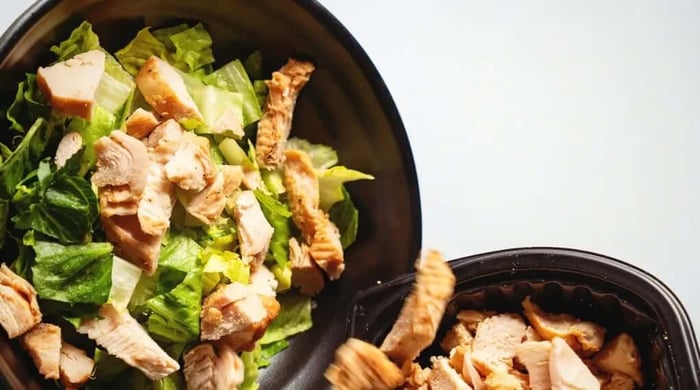
Pre-Portioned Meal Delivery Options
The structural advantage of a healthy, prepared meal delivery service for GLP-1 patients is that each meal arrives already engineered to meet specific macros. You do not have to weigh, measure, or calculate. Clean Eatz Kitchen built its GLP-1 meal plan delivery around the same 30-grams-per-meal benchmark, with chef-prepared meals that arrive frozen and reheat in three to five minutes. This is the simplest implementation of the 30-gram rule for anyone whose schedule does not allow daily meal prep. A registered dietitian who specializes in obesity medicine can tailor the 30-gram target to your specific dose and training history. They also catch patterns most patients miss, such as undereating during titration weeks or relying too heavily on protein bars at the expense of whole-food protein sources. The combination of a tracked plan, a build-your-own meal selection, and periodic dietitian check-ins cover nearly every situation in which 30 grams is hard to hit.
The best high-protein meal delivery service for GLP-1 users will always start by quantifying daily and per-meal protein targets, then engineer the menu to meet them. The principle is consistent: 30 grams of protein per meal, three to four meals per day, every day. High protein meals for GLP-1 patients are not optional. They are the structural foundation for preserving muscle, metabolism, and long-term success, which makes the medication worth taking.
Sources
Morton, R. W., Murphy, K. T., McKellar, S. R., Schoenfeld, B. J., Henselmans, M., Helms, E., Aragon, A. A., Devries, M. C., Banfield, L., Krieger, J. W., & Phillips, S. M. (2018). A systematic review, meta-analysis and meta-regression of the effect of protein supplementation on resistance training-induced gains in muscle mass and strength in healthy adults. British Journal of Sports Medicine, 52(6), 376-384. NihSystematic review and meta‐analysis of protein intake to support muscle mass and function in healthy adults
American College of Lifestyle Medicine, American Society for Nutrition, Obesity Medicine Association, & The Obesity Society. (2025). Nutritional priorities to support GLP-1 therapy for obesity: A joint advisory. American Journal of Clinical Nutrition. Nutritionajcn.nutrition.org/article/S0002-9165(25)00240-0/fulltext
Ben-Porat, T., Dahan, R., Sherf-Dagan, S., Goldenshluger, A., Kessler, Y., Brzezinski, R. Y., Khalil, A., Sakran, N., Goitein, D., & Raziel, A. (2025). Bridging the nutrition guidance gap for GLP-1 receptor agonist therapy assisted weight loss: Lessons from bariatric surgery. International Journal of Obesity. NatureBridging the nutrition guidance gap for GLP-1 receptor agonist therapy assisted weight loss: lessons from bariatric surgery
Stanford Lifestyle Medicine. (2024). Protein needs for adults 50+. Stanford University. StanfordProtein Needs for Adults 50+
Hudson, J. L., Bergia III, R. E., & Campbell, W. W. (2020). Protein distribution and muscle-related outcomes: Does the evidence support the concept? Nutrients, 12(5), 1441. NihProtein Distribution and Muscle-Related Outcomes: Does the Evidence Support the Concept?