In today's busy world, relying on takeout or vending machine snacks can derail your nutrition goals. One way to stay on track is by preparing your meals in advance for the entire week. By setting aside time to meal prep for the week, you can ensure you have nutritious, portion-controlled meals ready to eat each day instead of scrambling for something at the last minute. For those pursuing fitness or weight management, meal prepping offers greater control over their intake. You decide exactly what goes into each dish, making it easier to create balanced, calorie-controlled meals that fit your diet plan. It's also an opportunity to focus on protein. Planning a high-protein meal prep routine helps ensure every meal includes enough protein to support muscle maintenance and keep you feeling full.
Setting Your Calorie and Protein Goals
Meal prep works best when you know your nutritional targets. Estimate how many calories you need per day. You can use an online calculator to get this based on your age, sex, weight, height, and activity level. With that baseline, adjust for your goal: if you want to lose weight, plan to consume slightly fewer calories than your maintenance. If you want to gain muscle, do the opposite: eat slightly more than maintenance to be in a caloric surplus.
Equally important is setting a daily protein target. Protein supports muscle repair and helps you feel full, which is why protein meal planning is key for fitness goals. A common guideline is to aim for about0.7–1.0 grams of protein per pound of your body weight each day. For example, a 150-pound person might aim for 105–150 grams of protein per day. Once you have your calorie and protein goals, you can determine how much of the remaining calories will come from carbohydrates and fats to round out your diet.
Meal prep doesn't have to be complicated.
Get our free guide — shortcuts, meal ideas, and a system that makes eating well the easy option.
Balancing Your Macros
Now that you know your calorie and protein targets, the next step is to focus on macro meal prep. Balance your carbohydrates and fats along with protein. Each of your meals should include all three macronutrients in appropriate amounts. Building balanced macro meals will keep your diet well-rounded and ensure you get enough energy and nutrients throughout the day.
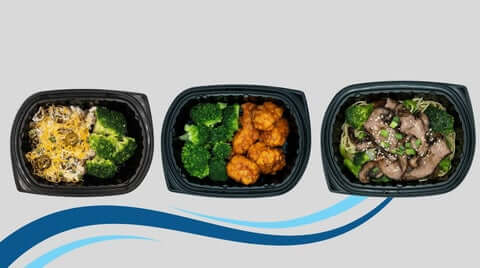
For many people, a moderate macro breakdown might work well, but you can adjust these percentages based on your needs. Some individuals prefer a lower-carb approach. In that case, you might do a low-carb meal prep by increasing healthy fats and vegetables while cutting back on starchy carbs.
Creating a Weekly Meal Prep Plan
Before you start cooking, take some time to put together a weekly meal prep plan. Having a clear plan will make your prep day go much smoother and ensure you cover all your meals. Here's a simple process for planning your meal prep week:
- Set your menu for the week: Decide which meals you want to prep in advance (for example, maybe just lunches and dinners, or all three meals each day). Write down a basic menu for each day of the week so you know what you'll be eating and can avoid repetition.
- Pick your recipes and foods: Choose a few healthy recipes or meal ideas that fit your macro targets. It's helpful to select 2–4 dishes you can cook in batches and portion out. This way, you'll have variety but still keep the process efficient.
- Make a grocery list:From your menu, create a shopping list of all the ingredients you'll need. Check your pantry, fridge, and freezer for items you already have on hand – using those first can save money and reduce waste. Stick to your list at the store to avoid impulse buys that don't fit your plan.
- Plan your prep day: Schedule a block of time on a day that works for you. During this time, you'll prepare and package your meals. Make sure you have enough storage containers ready to hold everything.
- Consider a mid-week refresh: If you're prepping for a full 7 days, you might split your cooking into two sessions so that food stays fresh. Alternatively, plan to freeze some portions that you won't eat until later in the week. This way, nothing spoils before you can enjoy it.
By planning ahead like this, you remove guesswork during the week. You'll know exactly what’s on the menu each day, and you’ve already got everything you need to execute it. A little preparation on the front end will set you up for success when things get busy.
Smart Shopping and Prep Day Tips
Once you have all your ingredients, it's time for the big prep day. Here are some tips to make your cooking session efficient and stress-free:
- Start with longer-cooking items first: Begin by cooking foods that take the most time or need little supervision. For example, put a pot of brown rice on the stove, or roast a tray of veggies, or get your chicken baking in the oven right away. By tackling these first, they cancook while you work on other tasks.
- Multi-task and use downtime wisely:Try to have multiple things cooking at once. Chop fresh vegetables or prepare a salad while your grains simmer. If you're boiling eggs or simmering chili, use that time to season and marinate other proteins for later in the week. Efficient multitasking will significantly cut down total prep time.
- Cook in bulk and batch portions:Make big batches of staple foods, so you have plenty for the week. For instance, grill or bake a large batch of chicken breasts, cook several servings of quinoa or whole-wheat pasta, and steam a big pot of veggies. When something finishes cooking, divide it into the appropriate number of meal portions immediately.
- Use helpful kitchen tools: Take advantage of appliances that simplify cooking large quantities. Slow cookers or Instant Pots can cook stews, soups, or oats in one go. An oven can roast multiple trays of proteins or vegetables simultaneously. A rice cooker can handle grains while you focus on something else. These tools let you "set it and forget it" for certain dishes.
Keep your workspace tidy to avoid being overwhelmed by a mess of pots and ingredients. As you finish cooking each item, store it properly in a container. Label containers with the meal name and the date prepared. Let foods cool slightly before sealing them and placing them in the refrigerator or freezer. Also, remember food safety. Perishable foods shouldn't sit out at room temperature for long while you're prepping.
High-Protein Meal Prep Strategies
Protein is the cornerstone of a fitness-oriented diet, so it's wise to prepare plenty of protein options during your meal prep. Cooking your proteins in bulk not only saves time but also helps you meet your weekly targets. Think about preparing multiple protein sources so you have some variety and backup if one runs out.
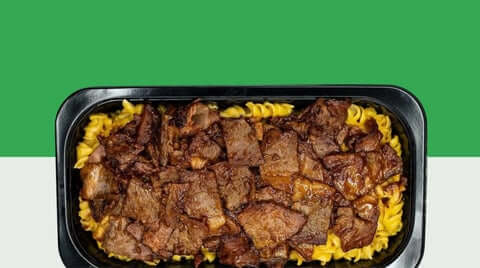
Choose lean proteins that fit your macro goals: for example, chicken breast, turkey, lean ground beef, fish, eggs, low-fat dairy, or plant-based proteins such as tofu, beans, and lentils. Many of these can be cooked ahead of time and stored for several days. Grill or bake a batch of chicken or turkey, brown a large skillet of ground meat, or roast some salmon fillets for the first few days of the week. If you prefer vegetarian proteins, cook a big pot of lentils or chickpeas, which can be seasoned and added to meals as needed. Cook enough protein foods to last all week. The idea is to have ready-to-eat protein that you can mix and match with different sides.
To keep things interesting, season your proteins in various ways. You can divide a large batch of meat into portions and use different marinades or spices on each. Say, a garlic-herb chicken and a separate batch of curry-spiced chicken. That way, even though you cooked one type of protein, you'll get different flavors throughout the week. Similarly, consider portioning sauces or garnishes to add when serving to vary the taste.
Portioning Meals and Managing Calories
After cooking is done, portioning out your meals is crucial to maintain your calorie goals. Divide each recipe or batch of food into the number of servings you planned. It's helpful to have an idea of how many calories each meal is intended to be. If you aim to eat ~2,000 calories a day with three meals and some snacks, you might allocate about 500–600 calories per prepped meal. By splitting your food right away into individual portions, you create calorie-controlled meals that are ready to grab and go.
Use measuring tools to get consistent portions. A digital kitchen scale is ideal for weighing ingredients such as cooked meat or pasta; measuring cups can be used for items such as rice or chopped vegetables. This might seem tedious at first, but it ensures each meal contains the appropriate calorie and macronutrient levels. Over time, you'll develop a better eye for portion sizes. If you're tracking your intake, you can log the exact portions in a nutrition app so you know each container's calorie and protein content. Invest in a good set of meal prep containers to pack your food. It's best if they're microwave-safe and leak-proof. Divided containers can be useful to separate components. Label each container with what's inside and the date. Not only does labeling help you remember what you prepared, but it also lets you rotate meals so you eat the oldest ones first.
Meal Prep for Fitness Goals
When adjusting your meal prep for fitness to specific goals, you'll need to tweak calories and macros depending on whether you're trying to lose fat or build muscle. The ingredients may be similar, but the quantities and options can vary to suit your needs. If your aim is to drop body fat, plan for a calorie deficit while keeping protein intake high. Filling your menu with low-calorie, high-protein meals will help youstay satisfied and preserve lean muscle even as you cut calories. Emphasize foods such as lean meats, fish, egg whites, and plenty of vegetables, which allow you to eat more food while consuming fewer calories. Also, be mindful of added fats or sugars. By controlling portions and prioritizing protein, you can create a meal plan that keeps you full on fewer calories.
If your goal is to build muscle mass or support intense training, you'll need a calorie surplus. This means your prepped meals might be larger or include extra nutrient-dense ingredients to bump up the calories. You might add an extra snack or increase portion sizes, especially of carbs and healthy fats, to fuel muscle growth. Continue to focus on high protein intake to aid muscle repair, but add complex carbs like rice, potatoes, or whole grains and healthy fats like nut butters, avocado, or olive oil for additional calories.
Staying Motivated and Keeping Meal Prep Interesting
It's easy to fall into a rut of cooking and eating the same thing over and over. Boredom is the enemy of consistency. There are ways to keep your meal prep exciting and avoid palate fatigue. One strategy is to rotate your menus regularly. Try not to prep the exact same recipes every single week. You might have one week's menu focused on Mediterranean-style dishes and the next week switch to a different theme, perhaps Mexican-inspired burrito bowls or Asian stir-fry meals. By changing up the cuisine or protein source week to week, you introduce variety while still sticking to your macro goals.
Don't be afraid to experiment and seek inspiration. There are countless healthy meal prep ideas available in recipe books, blogs, and on social media. You might find a new way to prepare lean ground turkey, or discover a high-protein vegetarian recipe to add into the mix. Trying one new recipe each week or so can keep things fresh and build your cooking skills over time. The goal is to make your meal prep sustainable, and enjoying the food you eat is a big part of that. When you look forward to your prepared meals, you'll be much more likely to stick with your eating plan over the long term.
Using Prepared Meal Delivery Services
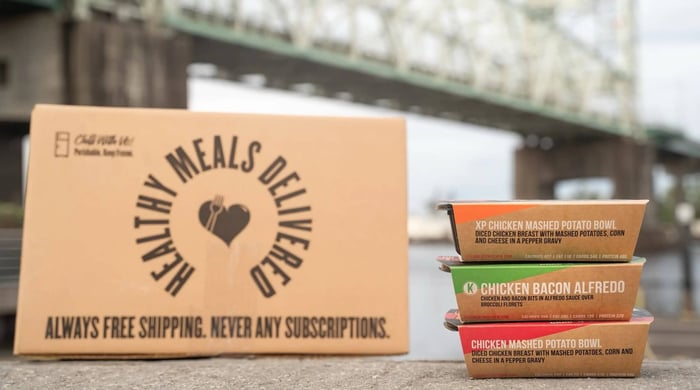
Cooking all your meals every week isn't always feasible. If you ever need a break from the kitchen, prepared meal delivery services can be a convenient solution. These companies ship fully cooked, pre-portioned meals to your doorstep that you simply heat and eat. It's not just about convenience. Such services often offer well-balanced, portion-controlled dishes that help you stick to your nutrition plan. Opting for a meal delivery service can be a healthier alternative to ordering fast food on a busy night.
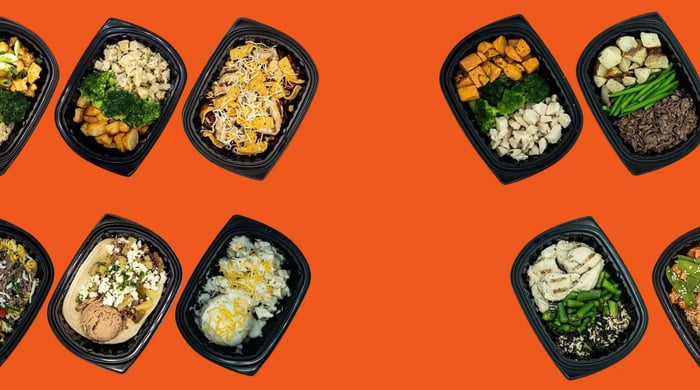
Many meal delivery providers specialize in fitness-friendly menus. Some even market themselves as macro-friendly meal delivery plans, indicating that their meals have an ideal balance of protein, carbs, and fats for those tracking macros. Typically, you'll find a range of plans, including high-protein menus, low-carb or keto options, vegetarian selections, and more. The meals come labeled with their nutritional information, so you know exactly what you're getting. Having these healthy, ready-made meals on hand can be a lifesaver when you're short on time or traveling.
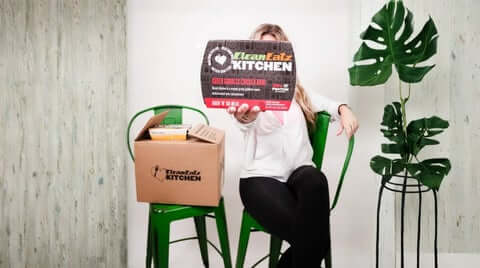
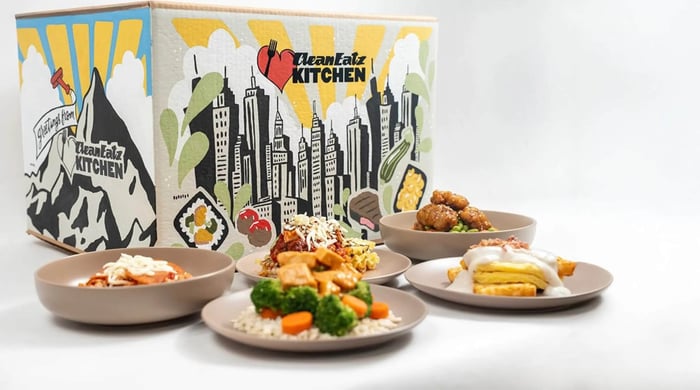
With so many services out there, it's worth doing a bit of research to find the right fit. You can read reviews or check rankings of the top-rated prepared meal delivery companies to see which ones have the best reputation for taste and quality. Pricing is also a factor – some services are premium, while others are more budget-friendly. The best premade meal delivery choice for you will depend on your dietary preferences, budget, and how much flexibility you want in selecting your meals. For example,Clean Eatz Kitchen is one service that provides nutritionally balanced, portion-controlled meals focused on health and fitness. Companies like this allow you to maintain a proper diet without the effort of cooking, making it easier to stay on track. Whether you use a service regularly or only occasionally during particularly busy weeks, prepared meal deliveries can complement your meal prep and help you stick to your calorie and protein goals with minimal hassle.
Mastering meal prep is one of the most effective strategies for maintaining a healthy diet and reaching your fitness goals. It might take a bit of work up front, but the payoff is huge. You'll save time, reduce stress, and know that you always have nourishing food ready to fuel your body. By focusing on calories and protein, you ensure that your meals support your specific needs, whether that's losing weight, gaining muscle, or simply staying energized throughout the day. Customize your meal prep to fit your tastes and lifestyle, and don't be afraid to get creative with recipes so you never get bored. With a little practice, meal prepping will become second nature, and your future self will thank you every time you open the fridge and find a healthy, delicious meal ready to enjoy.
Sources
- Ducrot P. et al., "Meal planning is associated with food variety, diet quality and body weight status in a large sample of French adults" – Int. J. Behav. Nutr. Phys. Act., 2017.
- Healthline – "IIFYM (If It Fits Your Macros): A Beginner’s Guide" (June 14, 2023).
- Healthline – "10 Science-Backed Reasons to Eat More Protein" (updated Feb 18, 2025).
- Harvard T.H. Chan School of Public Health – "Meal Prep Guide".
- Women's Health – "7 Nutritionists Share the ONE Meal Prep Tip They Swear By" (Oct 13, 2016).
- Good Housekeeping – "The Best Prepared Meal Delivery Services 2026, Tested by Experts".
- Mayo Clinic – "How long can you safely keep leftovers in the refrigerator?"