Planning a whole month’s worth of meals can be a game-changer for your schedule and nutrition, but it can also lead to “food burnout” if you’re not careful. Meal prep for a month means fewer daily cooking sessions and less last-minute takeout, but it also introduces new challenges, such as monotony and decision fatigue. This post will explore effective meal planning ideas to help you structure your monthly menus in a sustainable way. We’ll cover common pitfalls of long-term meal prep using smart planning, nutritional balance, and plenty of variety. The goal is to reduce daily decision stress and meet your health targets without feeling bored or overwhelmed.
Decision Fatigue: The Hidden Meal Planning Challenge
One reason people burn out on long-term meal planning is simple mental overload. We make over200 food-related decisions every day. Every “What’s for dinner?” or “Should I have a snack?” question adds to our cognitive load. When you plan meals for the week, you front-load many of those decisions. This can be liberating in the long run, but initially it might feel daunting to map out so many meals ahead of time.
Decision fatigue can set in when you’re trying to choose dozens of recipes at once. The process may start to feel like a chore, and that’s when motivation dips. You might default to the same two or three meals repeatedly or abandon the plan for takeout because your brain is simply tired of deciding. The key to overcoming this is to simplify and structure your planning process. Recognize that feeling overwhelmed by planning is normal. The solution isn’t to scrap meal prep, but to approach it more effectively to reduce the mental load.
Monotony and Food Boredom in Meal Prep
Even the most nutritious meal plan can backfire if it’s too repetitive. Eating grilled chicken and broccoli five days in a row might check the health boxes, but by day three, you’re probably craving anything else. Food boredom is a real phenomenon, and it can sap your motivation to stick with a meal plan. We are creatures of habit, but we also need some novelty to keep our palates interested. When your menu lacks variety, it’s easy to start dreading meal times.
Aside from the psychological aspect, lack of variety can shortchange your nutrition. If you’re rotating only a couple of recipes, you might be missing out on important nutrients. Eating the same thing every day can lead to nutrient deficiencies becauseno single food provides all the vitamins and minerals you need. This kind of unbalanced repetition can leave you feeling low in energy or cause you to plateau on your health goals.
Monotony also erodes your excitement for healthy eating. Getting stuck in a food rut can ruin your motivation to meal prep or even to eat the prepped meals you’ve made. You may find yourself reaching for junk food or ordering pizza out of sheer boredom, undermining the very purpose of your meal prep efforts.
Meal prep doesn't have to be complicated.
Get our free guide — shortcuts, meal ideas, and a system that makes eating well the easy option.
Structuring Your Monthly Meal Plan (with Flexibility)
Having a solid structure is like having a roadmap for the month. It reduces daily guesswork and stress. Start by planning one week at a time rather than attempting all 30 days in one go. For example, list out seven days of meals. This one-week plan can then become atemplate you reuse throughout the month. You might rotate two or three distinct weekly menus throughout the month, providing variety without requiring extensive planning. This concept of rotating menus for meal prep lets you benefit from repetition while still changing up the menu every week.
When structuring each week, consider theme days or consistent patterns to simplify choices. These themes provide meal ideas for the week that narrow your decision range while still allowing plenty of variation within each theme. You get a familiar routine with built-in diversity. Another helpful tactic is to schedule in a little “wiggle room” each week. Life happens. You might have a social dinner, or simply not feel like eating what was planned. Incorporate one or two flexible spots for leftovers, quick pantry meals, or a fun new recipe you found. This prevents the meal plan from feeling too rigid and gives you a chance to satisfy spontaneous cravings.
Batch cooking and freezing are your allies in monthly planning as well. Embrace a bit of frozen meal prep. If you make a big batch of chili or casserole, freeze half for later in the month. This way, you can enjoy that meal again after a couple of weeks, rather than eating all the leftovers in a row. Spreading out repeat meals by freezing portions keeps your menu feeling fresh. It also saves time on busy days, allowing you to simply reheat a home-cooked freezer meal. By structuring your month into manageable weeks, using theme nights, and planning some freezer-friendly batches, you create a framework that is organized yet flexible. This structure reduces cognitive loadand naturally encourages variety.
Balanced Meal Prep for Nutrition and Health
Planning a month of meals is also about quality matters. Balanced meal prep means each week’s menu provides a mix of proteins, carbohydrates, healthy fats, and plenty of micronutrients. The easiest way to achieve this is to include all the major food groups across your daily meals. The USDA recommends planning meals so that you eat fromall five food groups (fruits, vegetables, grains, protein foods, and dairy or fortified alternatives) every day. This ensures your body gets essential nutrients and you’re not unintentionally leaving out any category for too long.
If you follow a specific eating plan for health reasons, for instance, a low-carb meal plan or a plant-based diet, you can still apply balance and variety within those parameters. For a low-carb regimen, rotate your proteins and use an array of low-starch vegetables in different combinations. The idea is to avoid eating the exact same few items every single day. Even within constraints, there are plenty of options to explore. Your body will benefit from the diversity of nutrients, and you’ll be less likely to feel deprived. Portion control is another aspect of balance. Prepping meals in advance makes it easier to manage portions, which helps keep calories in check if that’s a goal. However, be sure you’re preparing enough food to meet your energy needs, especially if you’re very active. The beauty of planning ahead is that you can calculate and adjust portions for each meal to meet your personal needs.

Embracing Variety to Prevent Food Fatigue
The saying “variety is the spice of life” holds true in meal prep. If you want to make healthy eating a long-term habit, don’t let it become boring. Infusing variety into your meal plan can improve the overall quality of your diet and make healthy eating more fun. Variety doesn’t mean abandoning structure – it means planning for diversity. Here are some techniques to boost variety in your monthly menus:
- Rotate recipes and cuisines: Avoid repeating the exact same recipe more than once or twice in a month. Instead of meal-prepping one dish for the whole week, prepare two or three different dishes and alternate them. By rotating cuisines and flavor profiles, you ensure each week of the month feels distinct. You can still reuse your favorite meals, but not back-to-back.
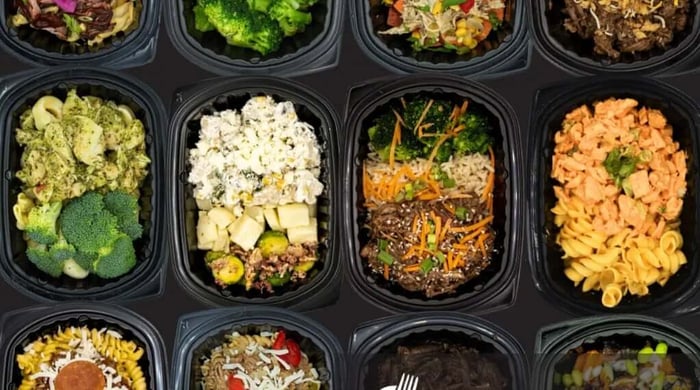
- Mix-and-match components: Variety can also come from how you assemble meals. A clever hack is to prep versatile ingredients rather than fixed meals. With these building blocks, you can create a wide range of meals by mixing and matching: one day toss the chicken and veggies into a quinoa bowl with a spicy sauce, another day into a salad with a different dressing, another day into lettuce wraps with avocado. Having interchangeable components gives you meal prep variety to invent new combos on the fly. It’s harder to get bored when today’s lunch, using the same prepared ingredients, has a completely different taste profile from yesterday’s.
- Seasonal and sensory variety:Plan your menus around the seasons to naturally introduce change. Embrace fresh asparagus and strawberries in spring, heirloom tomatoes and corn in summer, squash and apples in fall, hearty root veggies and citrus in winter. Seasonal produce peaks in flavor and keeps your menu evolving throughout the year. Also consider varying the textures and temperatures of your meals: include crunchy salads, soothing soups, grilled items, and oven-roasted dishes. Our taste buds crave not just new flavors but new experiences. By deliberately changing up the format of your meals, you add another layer of variety.
- Try at least one new recipe each cycle:Make it a goal that each week or two, you’ll try new meal prep for weight lossthat you’ve never cooked before. It could be something you found in a cookbook, a healthy food magazine, or a recipe a friend raved about. Incorporating new recipes regularly keeps things fresh and expands your repertoire. Over time, you might discover new favorites that become regulars in your rotation. Keep a list or bookmark of recipes that caught your eye, perhaps a folder for healthy meal prep ideas, and pull from it when you feel the menu is getting stale. New spices, new ingredients, or new cooking techniques can rekindle excitement for your meals.
Expanding the variety of foods also tends to improve your nutrient intake and diet adherence. When you eat a broad array of foods, you’re more likely to cover your vitamin and mineral needs, and you’re less likely to feel “stuck” or resentful of your diet.
Finding Inspiration and Keeping It Interesting
Even the best cooks run out of ideas. To sustain monthly meal prep, it’s important to continually refill your well of inspiration. Luckily, there are plenty of sources for meal prep inspiration when you need fresh ideas:
- Explore trusted recipe sources: Leverage cookbooks, cooking websites, or healthy eating magazines for new recipes. Well-established resources offer endless healthy meal prep ideas. Not every experiment will be a winner, but you’ll expand your palate and menu options with each try.
- Join communities or social media for ideas:Sometimes scrolling Instagram or Pinterest can actually be productive, if you’re following the right accounts. There are many meal prep communities on social media where people share photos and recipes of their weekly preps. Seeing others’ colorful meal prep boxes can give you ideas you hadn’t considered. Maybe someone’s post about a quinoa-black bean wrap or a bento box of mixed snacks inspires you to try something similar. Online forums and groups are also great for swapping tips and meal prep recipes. Engaging with a community keeps you motivated and reminds you that others are on the same journey.
- Recycle and remix your favorites:Don’t hesitate to take a meal you love and reinvent it to keep it interesting. If you have a go-to turkey chili recipe, next time, try adding a new spice or ingredient. If you always make the same grilled salmon, try a new marinade or sauce for a different flavor. This way, you keep the core of a tried-and-true recipe but get a fresh experience. A small change can give a dish new life. This is a great approach for healthy food recipes to lose weight as well. You can take staples like salads or grilled proteins and continuously tweak the mix-ins and seasonings so they never bore you.
The overarching idea is to avoid stagnation. Keep learning, exploring, and playing with your food. When you view your meal prep routine as a dynamic, evolving practice rather than a static chore, you’ll be much less likely to burn out.
Smart Ways to Use Meal Delivery for Variety and Convenience
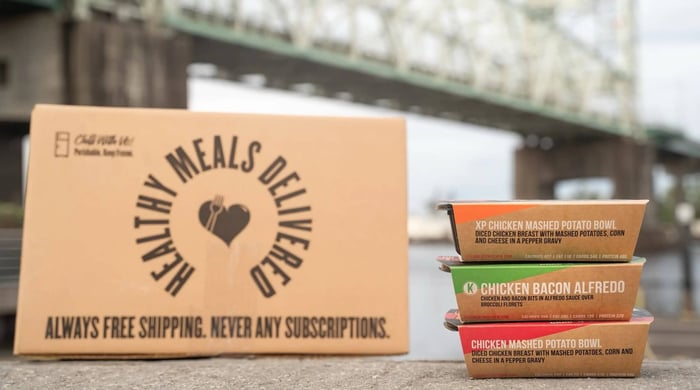
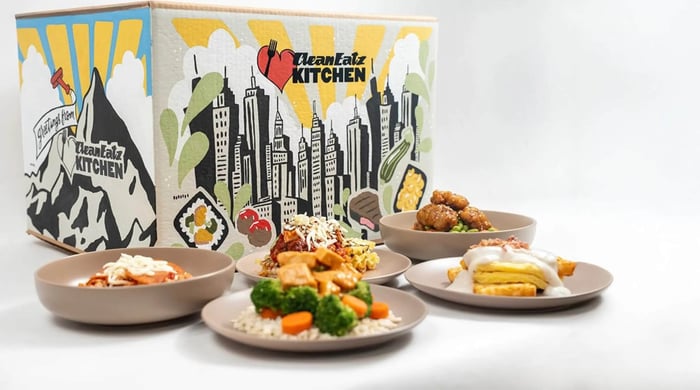
No matter how dedicated you are to cooking, some weeks are just too busy to execute the plan. Rather than hitting the drive-thru or resigning yourself to instant noodles, consider blending in some convenience with your homemade strategy. Using a healthy prepared meal delivery service on occasion can relieve pressure and add variety. For example, ordering a box from a service likeClean Eatz Kitchen can provide a few ready-made lunches or dinners to add to your monthly menu. This gives you a break from cooking while still keeping you on track with healthy eating.
The best healthy ready-made meal delivery service options typically allow you to choose from rotating menus of dishes. This can actually inspire your own cooking. You might discover a new meal you love and later try to replicate it from scratch. Many services also cater to specific needs, so you can find options that align with your plan. Importantly, using a delivery meal here and there prevents you from getting stuck eating something you’re truly tired of. It’s like a pressure valve for those moments when you just can’t chop another vegetable. You have a nutritious meal on hand that requires zero effort on your part that day.
If you keep a stash of healthy prepared meals for delivery in your freezer, you also add safety nets to your plan. Let’s say one weekend you don’t get to meal prep enough for the coming week – having a few frozen, portion-controlled meals means you won’t go hungry or resort to unhealthy options. Think of these as backups or supplements to your core meal plan.
Some people choose to subscribe to a healthy meal plan delivery for a month or two when they know they have a lot on their plate. This can be a smart move to maintain consistency during crunch times, like a busy work project or a family event month. You can use the delivered meals for half the week and cook for the other half. There’s no rule that says you must cook everything you eat in order to be healthy. What matters is making sure you have balanced, portion-controlled meals available.
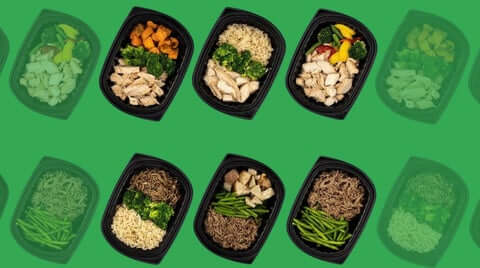
Creating monthly meal prep menus that keep you nourished, satisfied, and free from “food burnout” is absolutely achievable. It comes down to combining structure with flexibility, and discipline with creativity. Plan ahead to reduce daily stress, but leave room for spontaneity. Embrace a balanced meal prep approach that covers all your nutritional needs, but spice it up with plenty of variety. Rotate recipes, try new flavors, and don’t shy away from mixing things up. When life gets busy, remember that tools like healthy prepared meal delivery or a stash of frozen homemade meals can bridge the gaps and prevent you from derailing. Most importantly, listen to yourself. If you sense boredom creeping in, switch up your menu sooner. If you feel overwhelmed, simplify your plan for a week. The beauty of a monthly view is that you can see the big picture and make adjustments proactively. You’ll refine a system that fits your lifestyle like a glove. Your meal prep routine should make your life easier and healthier, not harder.
Sources
- Cornell Chronicle – “‘Mindless autopilot’ drives people to dramatically underestimate how many daily food decisions they make”
- Cleveland Clinic – “Should You Eat the Same Thing Every Day? Learn the Pros and Cons”
- SDSU Extension – “Reduce Stress With Meal Planning”
- MyPlate (USDA) – “Meal Planning Tip Sheet”
- American Institute for Cancer Research – “Healthy Eating Strategies: Is It Time to Add More Variety?”
- Int. J. Behav. Nutr. Phys. Act. – “Meal planning is associated with food variety, diet quality and body weight status in a large sample of French adults”