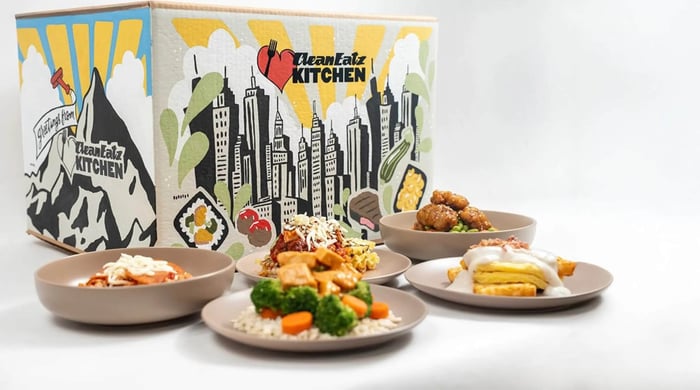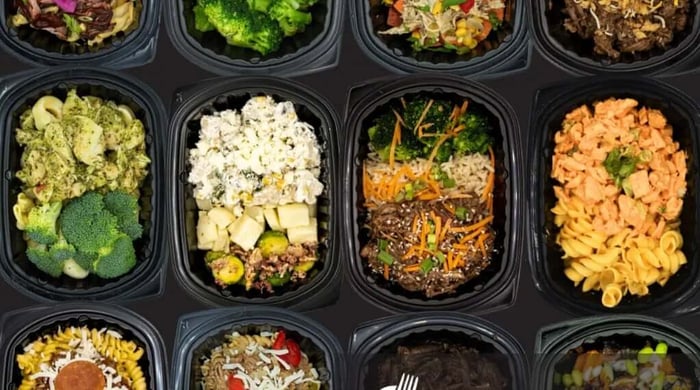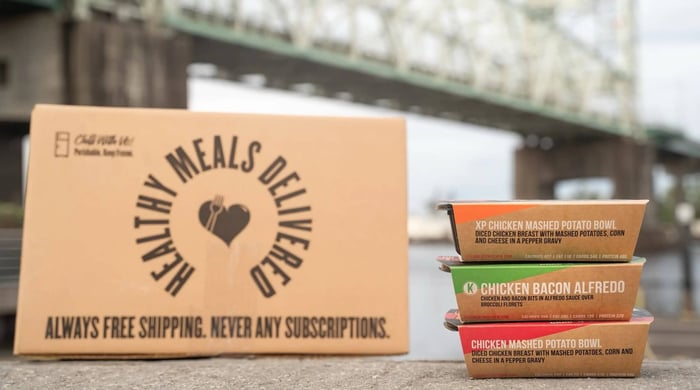
Eating well can be a struggle for busy professionals juggling work, family, and other commitments. Many workers report a lack of time for shopping and cooking, which is abarrier to healthy eating. Rather than skip meals or rely on fast food, an increasing number of people are turning to meal plan delivery services. These services send healthy, ready meals or meal kits to your door so you can simply reheat or assemble them. In this guide, we’ll explain how these fully prepared meal delivery programs work and how they can help you eat well without cooking. For example,Clean Eatz Kitchen offers pre-cooked, nutritionally balanced meals delivered weekly. By outsourcing cooking, busy people can eat wholesome food while saving time and reducing stress.
What Is a Meal Plan Delivery Service?
This is a subscription or one-time-order program that provides you with ready-to-eat or heat-and-serve meals. Instead of shopping or prepping ingredients, you receive already prepared meal delivery plans containing complete dishes. These often include breakfasts, lunches, or dinners that meet specific dietary goals. Some plans are gluten-free or high-protein, while others focus on vegetarian or low-calorie options. The key feature is that the meals arrive already cooked meal delivery style. Just reheat them in the microwave or oven.
This convenience appeals especially to busy professionals. When you have demanding schedules, it’s helpful to have healthy meal plans delivered on a regular basis. Many services let you choose how many meals you want each week and what portion sizes, making it easier to stick to a plan. Meal kits are another option, but truly prepared meal delivery services skip cooking entirely. Instead of chopping and simmering at home, you can simply heat gourmet dishes such as roasted chicken with vegetables, grain bowls, or fresh salads.
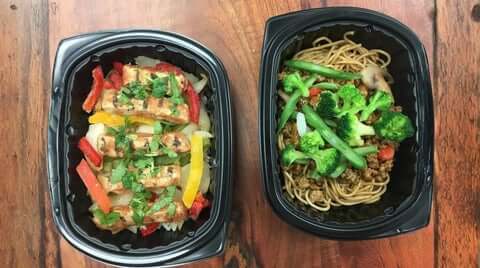
Companies may deliver these meals as single servings or in family-style containers. One might send you a box with individually sealed containers of salmon, quinoa, and broccoli already cooked. A meal delivery plan shifts all cooking to professional chefs, freeing you from cooking each night.
Meal prep doesn't have to be complicated.
Get our free guide — shortcuts, meal ideas, and a system that makes eating well the easy option.
Benefits of Prepared Meal Delivery
Prepared meal delivery offers several advantages over cooking or ordering takeout. First and foremost, it saves time. You avoid grocery shopping, chopping, and cooking. Simply open a container and heat. This means no more hours spent cleaning up after dinner on weeknights. Second, these meals are oftenhealthier than typical takeout. Prepared meal delivery services generally offer a more balanced and healthier alternative to takeout. They’re usually portion-controlled and created by dietitians, so you get the right balance of protein, carbs, and vegetables. Many services emphasize whole ingredients and avoid excessive salt or sugar.
Portion control is a key benefit. Each meal is pre-portioned, making it easier to manage calories and prevent overeating. For busy professionals who might otherwise eat large restaurant portions, this helps maintain a healthy weight. Additionally, these meals reduce decision fatigue. Instead of wondering what’s for dinner, everything is planned out. This mental ease is a real benefit after a long day at the office.
Meal delivery plans can also be very convenient meal plans for those with dietary restrictions. If you follow a specific diet, like keto, paleo, or a low-sodium regimen, you can choose a service that caters to it. Many platforms let you filter their menu by dietary needs. A personalized approach means you don’t have to cook separate meals for each family member; simply order the plan that's right for you.
Cost and waste can be lower. When you cook at home, you might buy an entire onion for one recipe and waste the rest. Delivered meals include exactly what you need, reducing food waste. In the long run, some people find that these services can be comparable in price to dining out frequently. There are even affordable premade meal delivery plans available for tighter budgets, as companies offer lower-cost options with simpler recipes. You might get 5 lunches or dinners per week for under $10 per meal, which can be cheaper than frequent fast food.
Choosing and Using a Meal Delivery Plan
Meal delivery services come in many forms. Some companies offer one-off orders, while others require weekly subscriptions. A typical plan might include 6, 9, or 12 meals per delivery. You’ll often choose your meals from a rotating menu. Look for terms like premade meal delivery or fully prepared meal delivery to ensure no cooking is needed. When selecting a service, consider the following:
- Meal Variety and Quality:Does the service offer enough menu options? The best meal prep services provide a diverse menu each week with balanced nutrition. Services that rotate menus weekly help prevent boredom and encourage consistent use. Look for providers that offer a balance of proteins, vegetables, and grains rather than repeating similar dishes with minor variations. Reading meal descriptions can reveal whether flavors are thoughtfully developed or overly basic. Portion size also matters; meals should feel satisfying without being excessive. High-quality services often highlight chef-designed recipes or nutrition-focused planning. Paying attention to ingredient sourcing and preparation style gives insight into taste and freshness.
- Diet Compatibility: Many meal delivery services clearly label meals for common diets such as gluten-free, vegetarian, or low-carb. Reviewing ingredient lists helps you avoid unwanted additives or allergens. Some companies go further by offering calorie counts and detailed macronutrient breakdowns, which can be useful for tracking nutrition. If transparency is important to you, prioritize services that provide clear labeling and nutritional information upfront. It’s also worth checking whether customization is possible or if meals are fixed. Choosing a plan that aligns with your dietary requirements reduces stress and ensures the meals support your overall wellness rather than working against it.
- Convenience:Not all meal delivery plans offer the same level of control. Some require minimum orders or ongoing commitments, which may feel restrictive if your schedule changes often. Others allow you to pause, skip weeks, or cancel without penalties. This flexibility can be crucial for people with unpredictable workloads or travel plans. Consider how much notice is required to make changes and whether customer support is accessible. Convenience also includes packaging, reheating ease, and delivery timing. A plan should reduce daily effort, not introduce new logistical challenges. Evaluating these practical details helps ensure the service remains helpful over time instead of becoming another obligation.
- Delivery Area:Confirm they deliver to your location. Some services are nationwide; others are local or regional.
- Cost:Pricing structures vary, so comparing cost per meal is more informative than looking at total price alone. Be mindful of additional expenses such as shipping or service fees, which can significantly affect value. Some providers offer discounts for larger orders or introductory trials, making it easier to test affordability. Delivery area is equally important; while some services ship nationwide, others operate regionally. Confirm coverage before investing time in menu selection. Balancing cost with reliability and quality is key. An affordable plan that delivers consistently and meets expectations often provides better long-term value than a cheaper option with limited availability or inconsistent service.
For example, many services offer a “chef’s choice” plan where the company selects meals for you, often cheaper than a fully customized plan. Others let you build your own box from the menu. If you value flexibility, choose a plan with easy swaps or cancellations. Some top-rated services allow a high degree of customization, effectively acting like the best-cooked meal delivery service by tailoring to your needs.
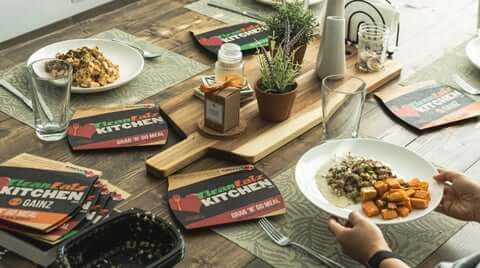
Once you receive your meals, organize them by date in your fridge. Label any that need eating sooner and stash long-life meals in the freezer. This simple system will help you avoid letting a meal go unused.
Special Considerations and Tips
Meal delivery services can simplify eating well, but a few thoughtful adjustments make a big difference in satisfaction, cost, and practicality. Understanding these considerations ahead of time helps you avoid waste. The tips below focus on maximizing value and enjoyment while fitting meal delivery smoothly into your routine:
- Storage:Before committing to a meal service, it’s important to match the delivery style with your available storage and eating habits. Frozen meals offer excellent longevity, making them ideal for people who want flexibility or don’t eat every delivery right away. However, they require adequate freezer space, which can be limiting in smaller households or apartments. Fresh meals, on the other hand, tend to have a more homemade texture and flavor but come with a shorter window for consumption. These meals typically need to be eaten within a few days, so planning your week matters more. Reviewing your schedule in advance helps prevent forgotten containers and wasted food. A realistic assessment of storage space and eating frequency helps ensure meals stay convenient rather than become a burden.
- Reheating: How you reheat a meal can significantly affect taste and texture. Many services design packaging for quick microwave use, which is ideal when time is tight. Still, not all foods respond equally well to microwaving. Dishes with roasted vegetables, grains, or sauces often benefit from oven or stovetop reheating, which restores moisture and improves consistency. Following the provider’s instructions matters, as small steps like stirring halfway or venting the lid can prevent uneven heating. Some meals are intentionally layered, requiring brief mixing to balance flavors properly. Treat reheating as the final step of preparation rather than a formality. That small mindset shift can elevate a simple meal into something more satisfying and enjoyable.
- Portion Control:Portion-controlled meals are designed to meet nutritional needs, but hunger levels vary from person to person. Instead of assuming the portion is insufficient, try finishing the meal first and waiting a few minutes before adding more food. If you still feel hungry, choose light, low-effort sides such as fresh fruit, steamed vegetables, or leafy salads. These additions increase volume without undoing the meal’s nutritional balance. Keeping simple extras on hand prevents impulsive snacking or ordering additional food. It’s also helpful to recognize that fullness isn’t just about quantity; balanced meals often take time to register satiety. Learning how your body responds helps you use these meals as intended while still feeling satisfied.
- Budget Tips:If pricing feels restrictive, starting with a trial or reduced plan allows you to test value without overcommitting. Many people find success by mixing strategies, using delivery meals on busy days and preparing simple foods on others. No-cook options like wraps, salads, or sandwiches fill gaps without adding stress. Some households also batch-cook one dish weekly, such as soup or pasta, and rotate it alongside delivered meals. This hybrid approach reduces overall spending while preserving time savings. Viewing meal delivery as a flexible tool rather than a full replacement helps you stay within budget while still benefiting from convenience.
Keeping these strategies in mind, eating well on a hectic schedule becomes much more manageable. Even when you have “no time,” you can still enjoy convenient meal plans that are nutritious.Combining a simple protein with veggies and whole grains can create a balanced meal in a hurry. Meal delivery simply packages this convenience into ready meals.
For busy professionals asking how to eat healthy with no cooking, ready-to-eat meal plans provide an effective answer. By using a prepared meal delivery service, you eliminate the most time-consuming parts of healthy eating. In their place, you get healthy meal plans delivered that are portioned and balanced for you.
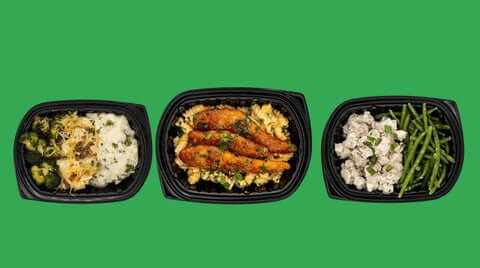
This approach ensures you have nutritious meals for busy professionals without needing to lift a spatula. Whether you need fully prepared meal delivery for lunch, dinner, or even breakfast, these services offer a practical solution. By choosing a plan that fits your dietary needs and budget, you can maintain a wholesome diet on autopilot. The best already prepared meal delivery helps you stay on track with your health, even on your busiest days, making it easy to eat well with no cooking required.
Sources:
- Good Housekeeping – Best Prepared Meal Delivery Services (2026)
- PubMed Central (Am J Health Behav) – Work Hours and Time Barriers to Healthy Eating
- Duke Health – Healthy Convenience Foods that Require No Cooking