The advice to "eat more protein" appears in nearly every fitness program and weight loss plan. The advice is correct, but it is also incomplete. The protein that supports muscle growth and the protein that supports fat loss have different optimal sources, daily targets, and timing strategies. Treating both goals as if they require identical protein habits is the most common reason fitness plans deliver disappointing results despite high protein intake.
Why Building Muscle And Losing Fat Need Different Protein Strategies
Muscle Building Requires Calorie Surplus
Building new muscle tissue is metabolically expensive. The body needs both raw material in the form of amino acids and energy in the form of calories above maintenance. Protein at 0.8 to 1.0 grams per pound of body weight is sufficient when calories are above maintenance, and additional protein produces minimal benefit beyond that range.
Fat Loss Requires a Calorie Deficit With Higher Protein
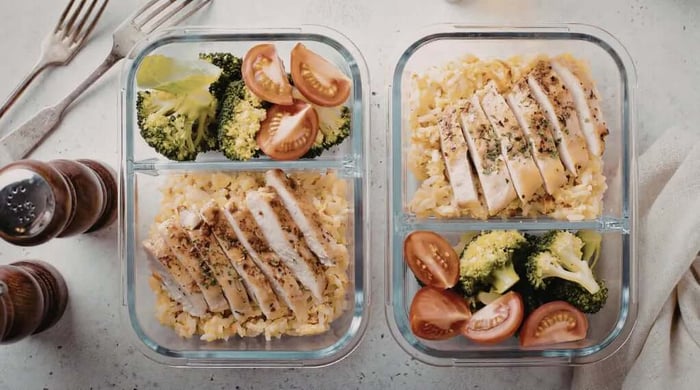
Losing fat without losing muscle requires protein at the upper end of intake recommendations. Studies on muscle preservation during deficits suggest 1.0 to 1.2 grams per pound of body weight, even though that is more than required during a surplus. The protein floor protects against the muscle catabolism that defines a poorly executed cut. Muscle building tolerates higher-fat protein sources because total calories are abundant. Fat loss benefits from leaner protein sources because every calorie matters. A ribeye steak fits well into a muscle-building plan. The same steak in a fat-loss plan crowds out vegetables, carbohydrates, and other foods that promote satiety. Lean protein meal delivery options shift naturally toward the leaner end during fat loss.
Timing Matters More During Cuts Than Bulks
Protein timing throughout the day matters less when calories are high and eaten frequently. Total daily intake dominates the result. During fat loss, protein timing matters more because each meal needs to deliver enough leucine to trigger muscle protein synthesis without driving up total calories. Spreading protein across four to five meals better meets this constraint than three large meals.
Gaining Weight the Easy Way
Get our free guide — the foods, supplements, and strategies that actually work to pack on the pounds, all in one place.
How Much Protein You Actually Need For Each Goal
For someone training to build muscle, 0.8 grams per pound of body weight is the practical minimum. A 180-pound trainee aims for 144 grams of protein per day. Going above 1.0 grams per pound rarely provides additional benefit during a surplus. Calories matter more than protein once the protein floor is met.
During fat loss, target 1.0-1.2 grams per pound of body weight. The same 180-pound person now aims for 180 to 216 grams of protein per day despite eating fewer total calories. The increased protein protects muscle from catabolism and supports satiety, both of which matter more during a deficit than during a surplus. Adults over 60 have higher protein needs across both goals due to age-related anabolic resistance. PROT-AGE Study Group recommends 1.0 to 1.2 grams of protein per kilogram of body weight as a general target, with athletic older adults benefiting from up to 1.5 grams per kilogram. Older muscles respond less to the same protein dose, which raises the required intake.
Animal Protein Sources Ranked For Muscle Building
Animal proteins provide the highest concentrations of leucine and the most complete amino acid profiles. Whole eggs deliver 6 grams of high-quality protein per egg, plus the leucine, choline, and saturated fat that support muscle synthesis. The yolk specifically increases the muscle-building response compared to egg whites alone. Three to four whole eggs at breakfast plus an egg-white-heavy breakfast a few mornings per week balances total dietary cholesterol while preserving the muscle benefits.
Fatty beef cuts deliver the protein per dollar that leaner cuts cannot match, plus creatine and zinc that support strength gains. The saturated fat fits a muscle-building calorie surplus. Two to three servings per week provide protein, calories, and the micronutrient profile that supports heavy training cycles.
Dairy protein contains both whey, which absorbs fast, and casein, which absorbs slowly. The combination supports muscle synthesis across hours rather than minutes. A cup of Greek yogurt provides 20 grams of protein, significant calcium, and a slow-release amino acid profile that matches the multi-hour anabolic window after lifting.
Salmon delivers 22 grams of protein per 4-ounce serving plus omega-3 fats that reduce inflammation and support recovery. Two to three servings per week pair well with red meat consumption and improve the overall fat profile of the diet. High protein meal delivery services that include salmon and other fatty fish make this rotation effortless.
Plant Protein Sources That Work For Both Goals
Plant proteins serve both muscle building and fat loss when chosen and combined correctly:
Soy Foods: Soy is the only plant protein with a complete amino acid profile equivalent to animal sources. A cup of edamame delivers 17 grams of protein. Tempeh delivers 31 grams per cup. High-protein meal plan delivery options that include soy effectively serve both fat-loss and muscle-building eaters.
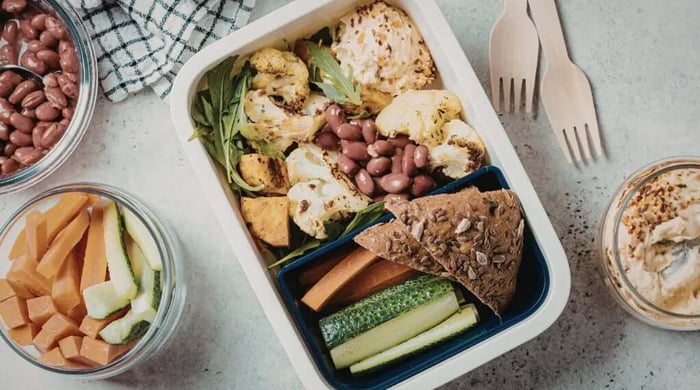
Lentils, Chickpeas, and Black Beans: Legumes deliver 15 to 18 grams of protein per cup plus 12 to 15 grams of fiber. The high fiber supports satiety during fat loss. Combining legumes with grains like rice provides a complete amino acid profile, making a chickpea and rice bowl a complete protein source for any goal.
Quinoa and Buckwheat: Both grains contain all essential amino acids despite being technically pseudo-grains. Quinoa delivers 8 grams of protein per cooked cup plus iron and magnesium. Protein meal plan delivery options that include quinoa as a base provide complete protein automatically without requiring deliberate combinations.
Pea Protein And Hemp Protein Powders: Pea protein delivers 21 grams per scoop. Hemp delivers 15 grams plus omega-3 fats. Both work well as supplements to whole-food plant protein, particularly for vegan athletes who need to hit the higher protein targets required by fat loss and muscle building.
A diet built primarily on plant proteins requires a conscious combination of these sources to hit the higher protein targets either goal demands. Most plant-based eaters succeed by including one complete protein source, such as soy or quinoa, at every meal, plus legumes and protein powder to round out daily totals.
How To Time Protein Intake Across The Day
Total daily protein matters most, but timing produces meaningful additional benefit, particularly during fat loss.
Hit 30 to 40 Grams Of Protein At Breakfast: The body has been fasting overnight. A protein-rich breakfast triggers muscle protein synthesis early and helps stabilize blood sugar throughout the morning. Egg-and-Greek-yogurt combinations or a protein meal delivery service breakfast option both deliver this target reliably without complex preparation.
Distribute Protein Evenly Across Three or Four Meals: Total daily protein should be split into roughly equal doses across meals. For someone hitting 180 grams per day, that translates to 45 grams at four meals or 60 grams at three meals. Each dose triggers a fresh round of muscle protein synthesis lasting three to four hours.
Include Protein In Every Snack And Side: Snacks without protein produce blood sugar spikes that drive cravings.
Time Protein Around Workouts For Maximum Effect: Eating 30 to 40 grams of protein within two hours after lifting maximizes the recovery response. The post-workout protein need not be a separate shake. A regular meal containing the same protein produces the same result if it lands within the window.
Include a Slow Protein Source Before Bed: Casein in cottage cheese or Greek yogurt provides a slow-release amino acid profile during sleep. A 25-gram dose 30 to 60 minutes before bed supports overnight muscle protein synthesis and reduces morning hunger. This pre-bed habit appears repeatedly in the research on natural athletes.
Most users find the structure easier to maintain than the alternative of forcing a single 80-gram dinner.
Pre and Post-Workout Protein
A small protein-and-carbohydrate snack 60 to 90 minutes before lifting delivers amino acids during training and supports performance. A scoop of whey with a banana or a small protein meal prep delivery option works well. Larger meals before lifting can cause digestive discomfort, so the snack should be small and easily digested. The post-workout window is shorter for strength athletes than for endurance athletes. A 30- to 40-gram protein dose within two hours of lifting captures the bulk of the recovery benefit. A high-protein meal prep delivery meal eaten within that window matches or beats a protein shake on satiety while delivering identical recovery outcomes.
Common Protein Sources Most People Underuse
Cottage Cheese
Cottage cheese delivers 28 grams of casein protein per cup at 220 calories. The slow-absorbing amino acid profile makes it ideal before bed, between meals, or as a high-protein base for fruit and nuts. Two cups per week add significant protein to a daily total without crowding out other foods.
Sardines And Canned Mackerel
Small oily fish provide protein at an extremely low cost and are high in omega-3s. A can of sardines provides 23 grams of protein at 200 calories. The convenience matches meal delivery high-protein options for grab-and-go situations, and the price is far lower than fresh fish equivalents.
Lean Game Meats Like Bison And Venison
Bison and venison offer protein density similar to that of lean beef, with distinct micronutrient profiles. Both work well in muscle-building rotations to add variety. The lower fat content makes them slightly better fits for fat loss than standard beef, especially when ground options are available at competitive prices.
Skyr And Other Strained Yogurts
Skyr is an Icelandic strained yogurt with 17 grams of protein per single-serving cup at 100 calories. The macro density rivals that of cottage cheese while offering a distinct texture and flavor profile. Rotating skyr with Greek yogurt across the week keeps breakfast and snack variety high without changing daily protein totals.
Mistakes That Reduce Protein Effectiveness
Doses below 20 grams produce minimal muscle protein synthesis. Eating six meals at 15 grams each totals 90 grams without producing the same anabolic response as three meals at 30 grams each. The minimum effective dose per meal matters as much as the total daily amount.
Protein powder is convenient and effective, but powders alone cannot replace whole-food protein. Whole foods deliver micronutrients, fiber, and satiety that powders lack. The optimal ratio is 70 to 80 percent of daily protein from whole foods, with 20 to 30 percent from supplements when convenience is needed.
Hitting daily protein targets consistently is harder than it sounds. Cooking high-protein meals at home requires planning, shopping, and time, which most working adults do not have in abundance. Best protein meal delivery services solve the math by delivering meals with verified protein counts on every label, which removes the daily measurement burden entirely. For muscle-building eaters, services that offer meals at 35 to 50 grams of protein per portion match the daily target without requiring home assembly. For fat-loss eaters, services offering meals with 30 to 40 grams of protein and 400 to 500 calories align precisely with the deficit math. Best high-protein meal delivery service options, like Clean Eatz Kitchen, now exist for both calorie tiers, which means a single brand can support either phase or transition between them.
Sources
Phillips, S. M., & Van Loon, L. J. (2011). Dietary protein for athletes: From requirements to optimum adaptation. Journal of Sports Sciences, 29(sup1), S29-S38. Tandfonlinetandfonline.com/doi/abs/10.1080/02640414.2011.619204
Helms, E. R., Aragon, A. A., & Fitschen, P. J. (2014). Evidence-based recommendations for natural bodybuilding contest preparation: Nutrition and supplementation. Journal of the International Society of Sports Nutrition, 11(1), 20. BiomedcentralEvidence-based recommendations for natural bodybuilding contest preparation: nutrition and supplementation
Bauer, J., Biolo, G., Cederholm, T., Cesari, M., Cruz-Jentoft, A. J., Morley, J. E., et al. (2013). Evidence-based recommendations for optimal dietary protein intake in older people. Journal of the American Medical Directors Association, 14(8), 542-559. Jamdajamda.com/article/S1525-8610(13)00326-5/fulltext
Schoenfeld, B. J., & Aragon, A. A. (2018). How much protein can the body use in a single meal for muscle-building? Implications for daily protein distribution. Journal of the International Society of Sports Nutrition, 15(1), 10. BiomedcentralHow much protein can the body use in a single meal for muscle-building? Implications for daily protein distribution
Harvard T.H. Chan School of Public Health. (2023). Protein. The Nutrition Source. HarvardProtein • The Nutrition Source
Academy of Nutrition and Dietetics. (2024). Protein and the athlete - How much do you need? EatrightSports and Athletic Performance
National Institutes of Health, Office of Dietary Supplements. (2024). Dietary supplements for exercise and athletic performance. NihOffice of Dietary Supplements - Dietary Supplements for Exercise and Athletic Performance