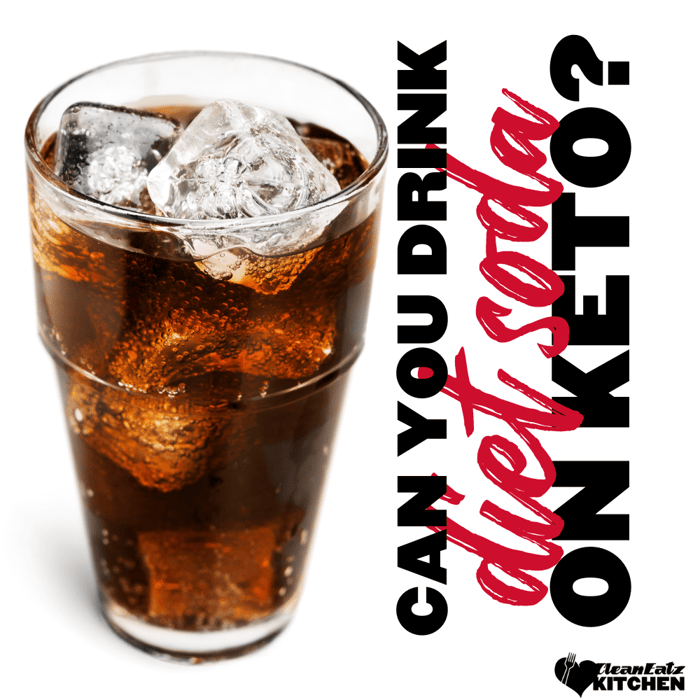
Short answer: Yes—most diet and “zero sugar” sodas contain 0g carbs and won’t directly knock you out of ketosis. The catch isn’t the carbs; it’s what diet soda can do to your cravings, hydration, and habits. Use it in moderation, keep checking labels, and let water do the heavy lifting.
People starting keto usually have the food rules down quickly: load up on fat and protein, keep carbs low, skip the bread and sugar. Drinks are where it gets murky. A cold diet soda has no sugar and no calories on the label, so it feels like it should be fine—but is it actually compatible with ketosis, or is it quietly working against you? Here’s the honest answer, plus what to drink instead when water alone isn’t cutting it.
Keto basics: why diet soda usually passes
Ketosis is a metabolic state your body shifts into when carbohydrates are scarce. With its usual fuel source running low, your body starts breaking down fat into ketones and burning those for energy instead. To get there and stay there, most people keep carbs somewhere in the range of 20–50 grams per day.
That number is the whole reason diet soda gets a pass. A classic diet soda lists 0 calories and 0g carbs, which means it has nothing in it to raise your blood sugar or interrupt ketone production. From a pure macronutrient standpoint, it slides right in. What actually moves the needle on keto is everything else you’re eating that day—your protein, your fiber-rich vegetables, your total calories. If a zero-carb soda helps you stay satisfied and consistent, it can be a reasonable tool. For the bigger picture of what belongs on your plate, our guide to the best foods for weight loss covers the foods that do the real work.
Sweeteners 101: which ones are keto-friendly
Diet soda tastes sweet without the sugar because it relies on non-nutritive sweeteners—ingredients that deliver sweetness without contributing measurable carbs. The most common are aspartame (the one in Diet Coke and Diet Pepsi), sucralose (found in many “Zero” variants), and acesulfame potassium, which is often blended with the others to round out the taste. A growing number of brands use stevia or monk fruit, both plant-derived, for people who prefer a more natural label. All of these are effectively carb-free, so none of them will pull you out of ketosis.
Sugar alcohols are a slightly different story, though you’ll mostly run into them in keto snacks, protein bars, and sugar-free candy rather than in soda. They’re worth understanding anyway. Harvard Health notes that not all sugar alcohols behave the same way in the body, and a 2023 review in Nutrients explains why erythritol in particular contributes nearly zero net carbs—it passes through largely unmetabolized rather than converting to glucose. Maltitol is the one to watch: it’s only partially absorbed and can add digestible carbs and calories, so it behaves closer to sugar than its “sugar-free” billing suggests.
“Diet” vs. “Zero Sugar” vs. “Keto” sodas
The labels can make this seem more complicated than it is. “Diet” and “Zero Sugar” are mostly branding differences—both typically mean 0g sugar and 0g carbs per serving, just marketed to slightly different audiences. Sodas explicitly labeled “keto” usually lean on the same artificial or natural sweeteners and carry little to no carbohydrate, but the word on the can isn’t a guarantee, so it’s still worth a glance at the total carbs and serving size.
A few neighbors in the drink aisle deserve a quick caution. Energy drinks are all over the map—some are genuinely sugar-free while others pack a surprising carb load, so they always warrant a label check. Flavored waters are usually unsweetened or use non-nutritive sweeteners and come in carb-free, but a few varieties sneak in added sugar. And tonic water trips people up constantly: regular tonic is sweetened and carries real sugar, while diet tonic and plain club soda, seltzer, and sparkling mineral water are naturally 0g. When in doubt, the label settles it.
Best picks and what to limit
If you want a simple shortlist to lean on, the keto-friendly options are straightforward: classic diet or “Zero Sugar” colas, unsweetened seltzer and club soda, stevia- or monk-fruit-sweetened sodas at 0g carbs, unsweetened iced tea, black coffee (or coffee with a measured splash of cream), and electrolyte waters or zero-carb mixes, which are genuinely useful on keto for reasons we’ll get to. On the other side, steer clear of regular sodas and sweetened teas, be wary of “light” or “reduced sugar” sodas that still carry 4–12g of carbs per can, and pull back if you find yourself reaching for multiple cans a day.
Make it effortless: a single soda rarely derails anyone—an unstructured day of eating does. The easiest fix is to build your meals protein-forward and low in net carbs so one diet soda is a non-event. Our Build-a-Meal Plan makes that simple: use the goal and low-carb filters to surface meals that keep your net carbs in check, or browse the ready-made options in our curated meal plans if you’d rather have the structure done for you.
The real catch: cravings, hydration, and habits
Since the carbs aren’t the problem, the honest case against leaning on diet soda lives elsewhere—and it’s worth knowing before you stock the fridge.
The first issue is cravings. For some people, the intense sweetness of a diet soda keeps the taste for sweet things alive, and research from the University of Sydney has explored how artificial sweeteners may nudge appetite upward rather than satisfying it. Whether that derails you depends entirely on your own response—some people sail through, others find one diet soda triggers an afternoon of snacking. (If your real question is whether diet soda helps or hurts weight loss specifically, we dug into that evidence separately in does diet soda help with weight loss.)
The second is hydration, and it’s the one keto beginners underestimate most. Early keto has a diuretic effect—you flush water and the electrolytes that go with it, which is a big part of why “keto flu” happens. Diet soda doesn’t replace the sodium, potassium, and magnesium you’re losing, so using it as your main fluid leaves a gap you’ll feel as fatigue and headaches. Replenishing electrolytes matters far more than the carb count of your drink.
Two smaller things round out the list. The American Dental Association points out that the carbonation and acidity in soda can wear at tooth enamel over time, so sipping through a straw and rinsing with water afterward is a smart habit. And caffeine timing matters more than people expect—Cleveland Clinic notes that poor sleep can ratchet up next-day hunger, so a late-afternoon caffeinated soda can quietly sabotage you twice over. Switch to caffeine-free after midday.
FAQs
Will diet soda kick me out of ketosis?
Not because of carbs—most diet sodas list 0g. The thing that can quietly slow your progress is what happens around the soda: if the sweet taste nudges you toward snacking or extra calories, that matters more than the drink itself. Pay attention to how your own body responds.
Is Coke Zero or Diet Coke keto?
Yes. Coke Zero, Diet Coke, and Diet Pepsi are typically 0g carbs and 0g sugar per serving, so they won’t break ketosis. Always scan the label to confirm, since formulations vary by country and product line.
Are natural sweeteners like stevia or monk fruit okay on keto?
Generally yes. Sodas sweetened with stevia or monk fruit are usually 0g carbs and fit a keto diet. Taste and digestive tolerance vary from person to person, so pick the option you actually enjoy and feel good drinking.
Are sugar alcohols okay on keto?
Most diet sodas don’t contain sugar alcohols at all—you’re more likely to find them in keto snacks and bars. When they do appear, erythritol is nearly zero net carbs, while maltitol behaves more like sugar and can add digestible carbs. Check the label.
How much diet soda is too much on keto?
There’s no official limit, but diet soda works best as an occasional treat rather than your main fluid. The American Heart Association recommends water over low-calorie sodas as your default. If multiple cans a day are crowding out water and electrolytes or ramping up your cravings, that’s the signal to cut back.
The bottom line
Diet soda is keto-compatible—it won’t break ketosis, and on a hard day it can be the difference between sticking to your plan and reaching for something that will. Just treat it as the occasional tool it is, not a hydration strategy. Build your days around protein, vegetables, and smart carbs, keep water and electrolytes front and center, and a diet soda here and there is a non-issue. If you want the low-carb structure handled for you, customize meals with our Build-a-Meal Plan using the low-carb filter.
Disclaimer: This content is provided for informational use only and is not intended as medical advice or as a substitute for the medical advice of a healthcare professional. Consult your clinician if you have specific conditions.