
Quick Answer: Yes, what you eat directly affects your mental health. Deficiencies in key nutrients—B vitamins, magnesium, omega-3s, vitamin D, vitamin C, and zinc—can impair neurotransmitter production and brain function, leading to mood disturbances, anxiety, and depression. The good news: these deficiencies can almost always be corrected through whole foods rather than supplements. The goal isn't mega-doses but bringing intake up to optimal levels.
I often get asked if food choices affect mental health. And the answer is yes! In most cases, it is the absence of adequate food intake and associated deficiencies that result in mental health compromise. Any kind of nutrition deficiency, whether macronutrients or micronutrients, can affect mental health.
However, there are some nutrient deficiencies that research has consistently shown affect mental health to a greater extent. Though the knee jerk reaction is to run out and buy a supplement, these deficiencies can almost always be addressed by including whole food sources of these nutrients in the diet. The concept I have to stress most often is that the goal is not to incorporate mega-doses of these nutrients, but rather bring intake up to optimal levels.
The Gut-Brain Connection
Before diving into specific nutrients, it's worth understanding why food affects mental health so profoundly. Your gut and brain are in constant communication through what scientists call the gut-brain axis—a network of neurons, hormones, and chemical signals. When gut bacteria are balanced, they help regulate mood, improve sleep, boost stress tolerance, and enhance memory and focus.
Chronic stress and an unhealthy diet can upset gut bacteria, disrupt digestion, and cause inflammation that affects brain function. A diet rich in whole foods—especially those high in fiber and the nutrients discussed below—supports both gut health and mental well-being.
Vitamin B
Let's start with B-Vitamins. The biological functions of B-Vitamins that relate most to mental health include the production of neurotransmitters like serotonin and dopamine, the metabolism of carbohydrates into energy and the break down of amino acids. The absence of adequate B-Vitamins can compromise each of these mental health-related functions.
The potential mental health benefits associated with correcting deficiencies of B-Vitamins include positively influencing mood and mental health status, contributing to increased sensations of pleasure, and promoting optimal energy levels. Though water-soluble, it is still important that this vitamin be consumed from whole food sources before considering supplementation to promote optimal absorption and reduce the potential for excessive intake.
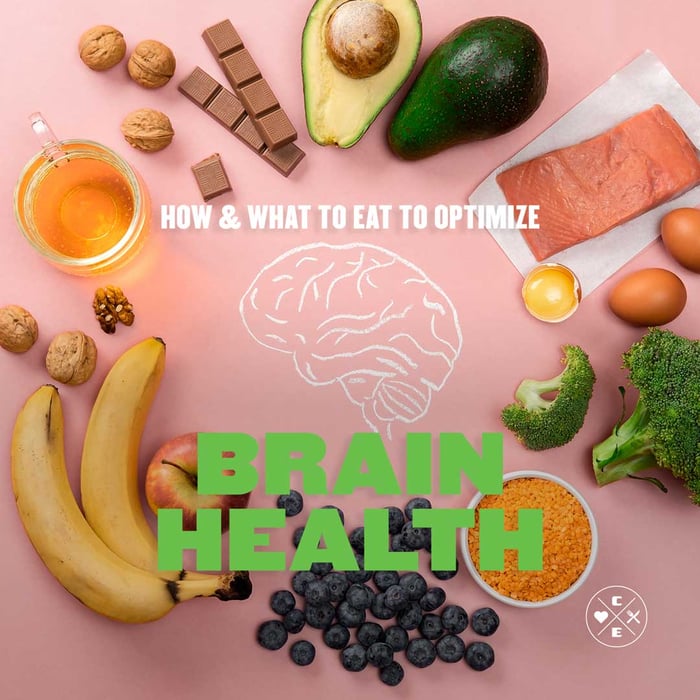
Food sources: Whole grains, eggs, beans, citrus fruit, avocado, meat, poultry, fish, fortified cereals, liver
Recent research: https://www.ncbi.nlm.nih.gov/pmc/articles/PMC6770181/
Magnesium
Next up is Magnesium. The roles that magnesium plays in mental health include helping to regulate the nervous system, with deficiencies resulting in symptoms such as agitation, anxiety, irritability, confusion, asthenia, sleeplessness, headache, delirium, hallucinations and hyperexcitability. As you would expect, the eruption of these symptoms will undoubtedly have a negative effect on mental health.
A transition from a deficient state to optimal levels is associated with reduced incidences of emotional dysregulation and major depression. Given magnesium's role in sleep quality, correcting deficiency can also improve rest—another foundational element of mental health.
Food sources: Dark leafy greens, nuts and seeds, salmon, tuna, soybeans, avocado, banana, dark chocolate, brown rice, Greek yogurt
Recent research: https://pubmed.ncbi.nlm.nih.gov/16542786/
Omega-3s
Moving on to Omega-3s! These healthy fats, often found in the form of DHA or EPA, have been all the rave in recent years. They play a key role in enhancing the function of neurotransmitters like serotonin and dopamine, which are directly related to mood management and mental health.
Incorporating Omega-3s into the diet, especially when correcting a deficient state commonly observed, can positively affect mood and enhance pleasure sensations. A 2024 research review confirms that omega-3 fatty acids have antidepressant effects attributed to their modulation of neuroinflammation, neurotransmitter function, and neuroplasticity.
Food sources: Mackerel, salmon, oysters, flaxseed, chia seeds, walnuts, soybeans
Recent research: https://www.ncbi.nlm.nih.gov/pmc/articles/PMC6770181/
Vitamin C
Vitamin C is on deck! Intake of this vitamin is usually one extreme or another, resulting in excessive intake or a deficiency. Though water-soluble, this vitamin can easily be taken in excess with all of the supplements found on the market.
The functions of Vitamin C that relate most closely to mental health include protection of cells, enhancement of immune function, iron absorption, and maintenance of cartilage, bones and teeth. Achieving adequate Vitamin C can be as simple as incorporating a couple of fruit or vegetable servings per day.
Research shows a relationship between improved body performance secondary to Vitamin C status and reduced anxiety levels. In addition, enhanced immune function resulting in a reduced incidence of illness correlates to reduced mental health compromise as well.
Food sources: Citrus fruit, bell peppers, tomatoes, strawberries, broccoli
Recent research: https://www.ncbi.nlm.nih.gov/pmc/articles/PMC8783887/
Vitamin D
Moving on to Vitamin D, one of the vitamins receiving the most attention today. Being a fat-soluble vitamin, it is crucial that intake not exceed safe recommended levels to avoid symptoms of toxicity.
The relationship that Vitamin D has with mental health is related to action on brain cells and stimulation of cell growth. The presence of Vitamin D in optimal levels normalizes the inflammatory process in the brain to reduce brain infections. Research has consistently shown that serum vitamin D levels are inversely correlated with clinical depression.
Interestingly, ongoing research continues to explore the directionality of this correlation, meaning researchers are unsure what happens first—a Vitamin D deficiency or clinical depression. A 2025 review in Clinical Nutrition found that vitamin D modulates neurotransmitter activity, reduces neuroinflammation, and influences neuroplasticity, enhancing cognitive function and mood regulation.
Regardless, ensuring that Vitamin D intake reaches optimal levels can reduce the presence of symptoms associated with clinical depression. As with other nutrients, whole food sources are always the best choice. Prior to implementing a Vitamin D supplement, it is recommended to see your physician to complete bloodwork to assess levels.
Food sources: Salmon, liver, tuna, fortified orange juice, dairy-based foods
Recent research: https://www.ncbi.nlm.nih.gov/pmc/articles/PMC6970300/
Zinc
Last, but not least, is Zinc! This nutrient has long been associated with health promotion, but has recently gained more traction related to mental health applications.
Zinc plays a role in maintaining mental health stability, with reductions of zinc reserves resulting in increased glucocorticoids, reduced serotonin and increased symptoms of depression. It is well-known that mental health will be compromised when serotonin levels start to drop.
Achieving optimal zinc status is associated with reductions in symptoms of depression and psychosis. In addition, adequate zinc levels are associated with enhanced immunity and a reduced incidence of upper respiratory infections.
Food sources: Oysters, red meat, poultry, beans, nuts, crab, lobster, whole grains, fortified cereals
Recent research: https://www.ncbi.nlm.nih.gov/pmc/articles/PMC5492454/
Putting It All Together
You'll notice that many of the foods recommended across these nutrients overlap—salmon appears for omega-3s, magnesium, and vitamin D; nuts and seeds provide magnesium, omega-3s, and zinc; whole grains deliver B vitamins and zinc. This is why a balanced, whole-food diet naturally supports mental health without requiring a cabinet full of supplements.
For a comprehensive look at nutrient-dense foods that support both physical and mental well-being, see our guide to the best foods for weight loss—many of which are the same foods that support brain health.
If planning and preparing nutrient-rich meals feels overwhelming, our Build Your Meal Plan options make it easy. Each meal is crafted by our registered dietitian to include balanced nutrition with lean proteins, whole grains, and vegetables—the exact foods that support mental health.
The Bottom Line
What you eat absolutely affects your mental health. The nutrients most consistently linked to mental well-being—B vitamins, magnesium, omega-3s, vitamin C, vitamin D, and zinc—all play critical roles in neurotransmitter production, brain cell function, and inflammation regulation.
The good news is that most deficiencies can be corrected through food rather than supplements. Focus on including fatty fish, dark leafy greens, nuts and seeds, whole grains, citrus fruits, and quality proteins in your regular diet. If you suspect a deficiency, work with your healthcare provider to assess your levels before reaching for supplements.
Mental health is complex, and nutrition is just one piece of the puzzle—but it's a foundational piece that's largely within your control.
FAQ
Can food really affect your mental health?
Yes, research consistently shows that nutrition directly impacts mental health. Deficiencies in key nutrients—B vitamins, magnesium, omega-3 fatty acids, vitamin D, vitamin C, and zinc—can impair neurotransmitter production and brain cell function. Correcting these deficiencies through whole foods can improve mood, reduce anxiety, and support overall mental well-being.
What vitamins help with depression and anxiety?
B vitamins support neurotransmitter production (serotonin, dopamine). Vitamin D influences brain cell growth and reduces neuroinflammation. Magnesium helps regulate the nervous system and reduces anxiety, irritability, and sleeplessness. Omega-3 fatty acids (EPA and DHA) enhance serotonin function and have anti-inflammatory effects. Zinc maintains serotonin levels and reduces depression symptoms.
Should I take supplements for mental health?
Whole food sources are generally preferred over supplements because they promote optimal absorption and reduce the risk of excessive intake. The goal is achieving optimal nutrient levels—not mega-doses. Before taking supplements, especially fat-soluble vitamins like D, consult your physician for bloodwork to assess your current levels.
What foods are best for mental health?
Fatty fish (salmon, mackerel, tuna) provide omega-3s and vitamin D. Dark leafy greens, nuts, and seeds are rich in magnesium. Whole grains, eggs, and beans deliver B vitamins. Citrus fruits and bell peppers supply vitamin C. Oysters, red meat, and poultry provide zinc. A balanced diet including these whole foods supports neurotransmitter production and mental well-being.
How does gut health affect mental health?
Your gut and brain communicate through the gut-brain axis via neurons, hormones, and chemical signals. Balanced gut bacteria help regulate mood, improve sleep, boost stress tolerance, and enhance memory. An unhealthy diet can upset gut bacteria and cause inflammation that affects mental health. Foods high in fiber and natural probiotics support both gut and brain function.