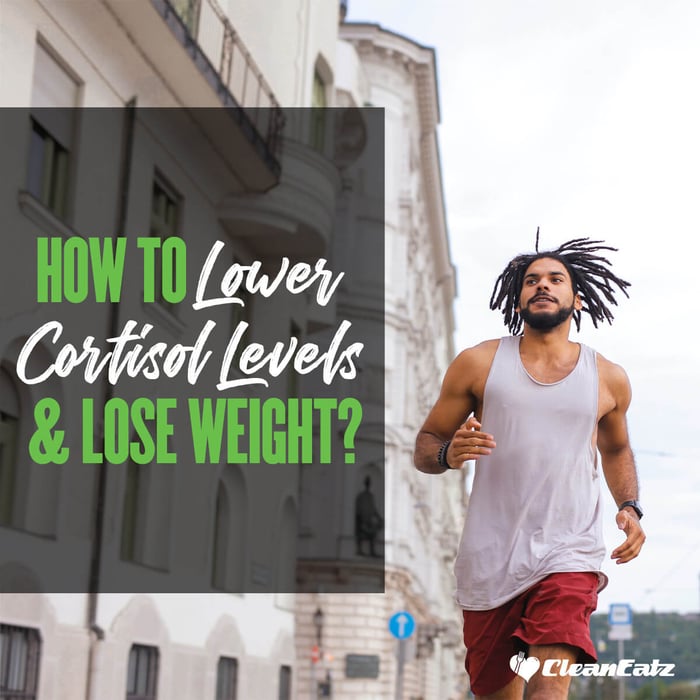

Quick Answer: "Cortisol belly" is real—chronic stress elevates cortisol, which promotes fat storage around your midsection, increases appetite, and makes weight loss harder. The fix isn't just diet or exercise alone. You need to address stress, sleep, and nutrition together. Focus on regular balanced meals, magnesium and omega-3-rich foods, adequate sleep, and stress management. Below, we break down exactly how cortisol affects your weight and what to eat to support healthier levels.
Disclaimer: This article is for general information only and isn't medical advice. If you have symptoms of abnormally high cortisol or conditions like Cushing's syndrome, consult a healthcare provider.
What Is Cortisol Belly (And Why Won't It Go Away)?
You're eating well. You're exercising. But that stubborn belly fat won't budge. If this sounds familiar, cortisol might be part of the problem.
Cortisol is your body's primary stress hormone, produced by your adrenal glands in response to perceived threats. In short bursts, it's helpful—it gives you energy to handle emergencies, regulates blood sugar, and controls inflammation. The problem starts when stress becomes chronic, and your cortisol levels remain elevated day after day.
When cortisol remains high, it triggers a cascade of effects that promote belly fat specifically. Your body interprets ongoing stress as a survival threat and responds by storing energy in the most accessible location: your abdomen. This visceral fat—the kind that wraps around your organs—is metabolically active and linked to increased risk of heart disease, type 2 diabetes, and metabolic syndrome.
What makes cortisol belly particularly frustrating is that it often resists the usual approaches. You can cut calories and increase exercise, but if your cortisol remains elevated, your body fights back. High cortisol increases hunger hormones, triggers cravings for high-calorie comfort foods, slows your metabolism, and can even break down muscle tissue for energy. Unfortunately, pushing through with sheer willpower isn't enough to overcome your body's biological stress response.
How Cortisol Causes Weight Gain
Understanding the mechanism helps you fight it effectively. Here's what happens in your body when stress keeps cortisol chronically elevated:
Your appetite increases. Cortisol raises levels of ghrelin (the hunger hormone) while suppressing leptin (the satiety hormone). The result: you feel hungrier than normal and don't feel satisfied after eating.
You crave high-calorie foods. High cortisol specifically drives cravings for sugary, salty, and fatty foods. Evolutionarily, this made sense—calorie-dense foods provided quick energy for survival. Today, it means stress sends you reaching for ice cream and chips instead of salad.
Fat storage shifts to your belly. Cortisol activates enzymes that promote fat storage in abdominal cells specifically. Visceral fat cells have more cortisol receptors than fat cells elsewhere, making your midsection a preferential storage site during stress.
Your metabolism slows. Chronic cortisol can suppress thyroid function, reducing your metabolic rate. It also promotes muscle breakdown, and since muscle burns more calories than fat, losing muscle makes weight maintenance even harder.
Blood sugar becomes unstable. Cortisol raises blood sugar to provide quick energy. This extra burst of energy is helpful for dealing with short-term stressors, but over the long term that excess glucose can be stored as fat. The subsequent blood sugar crash triggers more cravings, creating a vicious cycle.
Sleep suffers. Cortisol should naturally drop in the evening to allow melatonin, your body's sleep regulating hormone, to rise. When stress keeps cortisol elevated at night, sleep quality plummets—and poor sleep further elevates cortisol the next day. Our Complete Guide to Sleep and Health explains why this matters so much for weight loss.
Signs Your Cortisol May Be Too High
Not sure if cortisol is affecting you? These patterns may indicate chronically elevated levels:
You gain weight primarily in your midsection while your arms and legs stay relatively lean. You feel "wired but tired"—exhausted yet unable to relax or sleep well. You experience intense afternoon energy crashes, often around 2-4 PM. You crave sugar, salt, or comfort foods, especially when stressed. You catch colds frequently or take longer to recover from illness. You feel anxious, irritable, or have difficulty concentrating. You wake up tired even after adequate sleep hours. You've been doing "everything right" but still can't lose weight.
If several of these resonate, it's worth addressing cortisol alongside your nutrition approach. However, it's a good idea to have this confirmed with a lab test. If symptoms are severe or persistent, it's very important consult a healthcare provider to rule out conditions like Cushing's syndrome, which causes abnormally high cortisol.
Foods That Help Lower Cortisol
While no food directly "shuts off" cortisol, certain nutrients support your body's stress response and help regulate cortisol levels naturally.
Magnesium-rich foods are your foundation. Magnesium helps regulate the stress response, and most Americans don't get enough. Prioritize leafy greens (spinach, Swiss chard), avocado, nuts (especially almonds and cashews), seeds (pumpkin, sunflower), and dark chocolate (in moderation).
Omega-3 fatty acids reduce inflammation and help modulate cortisol. Fatty fish like salmon, mackerel, and sardines are the best sources—aim for two servings weekly. Plant sources include flaxseed, chia seeds, and walnuts.
Complex carbohydrates support serotonin production, which helps regulate mood and stress. Choose whole grains like oats, quinoa, and brown rice, plus starchy vegetables like sweet potatoes. The key is choosing slow-digesting, fiber-rich carbs that don't spike blood sugar.
Vitamin C helps reduce cortisol levels after stress. Citrus fruits, bell peppers, strawberries, and broccoli are excellent sources. Research also shows vitamin C supplementation can blunt cortisol response to acute stress.
Probiotic foods support the gut-brain axis, which influences stress response. Yogurt, kefir, sauerkraut, and kimchi provide beneficial bacteria that may help regulate cortisol.
Protein at every meal stabilizes blood sugar and prevents the crashes that can spike cortisol. Include lean proteins like chicken, fish, eggs, Greek yogurt, or legumes consistently throughout the day.
Foods and Habits That Raise Cortisol
Equally important is knowing what to limit:
Caffeine appears to stimulate cortisol release. If you're stressed, that third cup of coffee could be making things worse. Limit intake to morning only and consider cutting back if you notice anxiety, jitters, or sleep issues.
Sugar and refined carbs create blood sugar spikes and crashes that trigger cortisol. The temporary comfort of sweets is followed by a hormonal response that increases stress and cravings.
Alcohol may feel relaxing initially, it but disrupts sleep and can elevate cortisol during the night. Even moderate drinking can impair restorative sleep.
Skipping meals causes blood sugar drops that trigger cortisol release. Irregular eating patterns keep your stress response activated. Eat smaller meals every 3-4 hours to maintain stable energy.
Ultra-processed foods promote inflammation and have been linked to increased stress levels. Our 100 Best Foods for Weight Loss guide focuses on whole foods that support both weight loss and hormonal balance.
A Day of Eating for Lower Cortisol
Here's what a cortisol-supportive day looks like in practice:
Breakfast: Greek yogurt with berries, a sprinkle of pumpkin seeds, and a drizzle of honey. Or: Oatmeal topped with banana, walnuts, and cinnamon. The protein and complex carbs provide steady energy without spiking blood sugar.
Lunch: Salmon or chicken over leafy greens with avocado, quinoa, and olive oil dressing. You're getting omega-3s, magnesium, protein, and healthy fats in one bowl.
Afternoon snack: Apple with almond butter, or hummus with vegetables. This prevents the 3 PM crash that sends cortisol (and cravings) surging.
Dinner: Grilled fish or chicken with roasted sweet potato and steamed broccoli. A healthy fat, like olive or avocado oil, can help you better absorb nutrients from the plant foods on your plate. Additionally, complex carbs at dinner can actually support better sleep by promoting serotonin production.
Evening: Herbal tea (chamomile or magnesium-containing blends) instead of alcohol. Skip screens for the hour before bed.
If meal planning feels overwhelming when you're already stressed, our Weight Loss Meal Plan removes the decision fatigue. Each meal is calorie-controlled with balanced protein, carbs, vegetables, and healthy fats—exactly what your body needs for stable energy and lower stress response.
Beyond Food: The Other Half of the Cortisol Equation
Diet alone won't fix chronic cortisol elevation. These factors matter equally:
Sleep is non-negotiable. Seven to nine hours of quality sleep allows cortisol to follow its natural rhythm—high in the morning, low at night. Sleep deprivation is one of the fastest ways to spike cortisol and sabotage weight loss. Prioritize consistent bed and wake times, limit screens before bed, and keep your room cool and dark.
Movement helps, but more isn't always better. Moderate exercise reduces cortisol over time, but intense training can temporarily raise it. If you're already stressed, swap the HIIT workout for a walk, yoga, or swimming. The goal is movement that feels restorative, not depleting.
Stress management isn't optional. This sounds obvious, but actually implementing it matters. Even five minutes of deep breathing, meditation, or simply sitting quietly can measurably lower cortisol. The key is consistency—daily small practices beat occasional long sessions.
Social connection protects against stress. Positive social interactions lower stress. Isolation raises it. Make time for relationships, even when life feels busy. We need community to thrive!
Frequently Asked Questions
What is cortisol belly?
Cortisol belly refers to stubborn fat accumulation around your midsection caused by chronically elevated cortisol levels. When stress keeps cortisol high, your body preferentially stores fat in the abdominal area, particularly visceral fat around your organs. This pattern is different from general weight gain and often resists typical diet and exercise approaches.
Does cortisol actually cause belly fat?
Yes, research confirms the connection. Elevated cortisol increases appetite, triggers cravings for high-calorie foods, promotes fat storage in the abdominal area, and can slow metabolism. However, most belly fat in healthy individuals comes from calorie excess rather than cortisol alone—chronic stress makes weight loss harder, but it's rarely the sole cause.
What foods help lower cortisol?
Foods that support healthy cortisol levels include magnesium-rich options (leafy greens, avocado, nuts, seeds), omega-3 fatty acids (salmon, sardines, flaxseed), complex carbohydrates (oats, sweet potatoes, quinoa), vitamin C sources (citrus, bell peppers, berries), and probiotic foods (yogurt, kefir). Regular meals with protein and fiber help prevent the blood sugar crashes that spike cortisol.
How long does it take to lower cortisol levels?
Cortisol responds quickly to stress reduction—levels can drop within minutes of relaxation. However, reversing the effects of chronic high cortisol on body composition takes longer. Most people notice improvements in sleep, energy, and cravings within 2-4 weeks of consistent stress management and dietary changes. Visible changes in belly fat typically require 2-3 months of sustained effort.
Can you lose weight if you have high cortisol?
Yes, but it may be harder. High cortisol increases hunger, promotes fat storage, and can cause muscle loss—all of which work against weight loss. The key is addressing cortisol alongside your diet: prioritize sleep, manage stress, avoid over-exercising, and eat regular balanced meals. If you suspect abnormally high cortisol, consult a doctor to rule out conditions like Cushing's syndrome.
What are the signs of high cortisol?
Common signs include weight gain (especially around the midsection), difficulty losing weight despite diet and exercise, intense cravings for sugary or salty foods, trouble sleeping or waking up tired, afternoon energy crashes, feeling wired but tired, anxiety or irritability, and frequent illness. If you experience multiple symptoms persistently, consult a healthcare provider.
References
- Kaur et al. Physiology, Cortisol – StatPearls (2025)
- Dumesic et al. Interplay of Cortisol, Testosterone, and Abdominal Fat Mass in Normal-weight Women with Polycystic Ovary Syndrome – Journal of the Endocrine Society (2023)
- Azzam et al. Ghrelin stimulation by hypothalamic-pituitary-adrenal axis activation depends on increasing cortisol levels – Endocrine Connections (2017)
- Mazza et al. Magnesium: Exploring Gender Differences in Its Health Impact and Dietary Intake – Nutrients (2025)
- Madison et al. Omega-3 Supplementation and Stress Reactivity of Cellular Aging Biomarkers: An Ancillary Substudy of a Randomized, Controlled Trial in Midlife Adults – Molecular Psychiatry (2021)
- Beglaryan et al. Vitamin C supplementation alleviates hypercortisolemia caused by chronic stress – Stress and Health (2024)
- About Sleep – CDC (2024)
- Jain et al. Effect of Probiotics Supplementation on Cortisol Levels: A Systematic Review and Meta-Analysis (2024)
- Cole et al. Habitual Caffeine Use Is Associated With Heightened Coritsol Reactivity to Lab-Based Stress in Two Samples – Psychosomatic Medicine (2024)
- Yang et al. Association between Alcohol Consumption and Serum Cortisol Levels: a Mendelian Randomization Study – Journal of Korean Medical Science (2021)
- Gardiner et al. The effect of alcohol on subsequent sleep in healthy adults: A systematic review and meta-analysis – Sleep Medicine Reviews (2025)
- Cortes et al. Unhealthy Food and Psychological Stress: The Association between Ultra-Processed Food Consumption and Perceived Stress in Working-Class Young Adults – International Journal of Environmental Research and Public Health (2021)
- Ungurianu and Marina. Melatonin and Cortisol Suppression and Circadian Rhythm Disruption in Burnout Among Healthcare Professionals: A Systematic Review – Clinical Practice (2025)