Most consumers lump every meal-shipping brand together. They are not the same business. The subscription box and the on-demand model differ in how they bill you and how often they ship. Understanding the distinction is the first step toward picking what fits. Choosing between a subscription box and an on-demand healthy meal delivery option is the most consequential meal-prep decision most adults will make this year.
The Two Models Of Healthy Meal Delivery
How A Subscription Works
This charges you on a recurring schedule and ships food whether or not you confirm the order. Most brands require active opt-out by a deadline before each cycle. Miss the window and the box ships. The model assumes you want food on the same rhythm every week, which works for some households and frustrates many others.
How On-Demand Healthy Meal Delivery Works
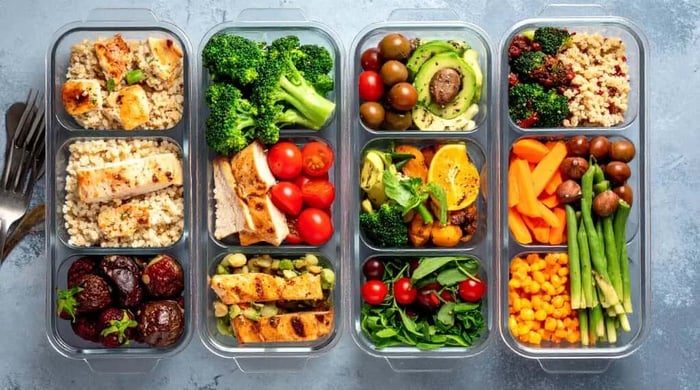
An on-demand model treats every order as a one-time purchase. You decide each time whether to buy, what to buy, and how much. Nothing ships unless you place an order. Healthy meal delivery prepared under this model lets the customer match weekly food spending to actual weekly food needs, which removes the pressure of paying for food during travel weeks or stretches of low appetite.
Where The Two Models Visibly Diverge
A true on-demand service has no cancel button because there is nothing recurring to cancel. A subscription service requires you to navigate menus, sometimes make phone calls, and occasionally accept retention offers before stopping. Even brands that let you skip individual weeks often charge after the second consecutive skip or quietly resume billing without an email warning.
Complete Exercise Guide.
Get our free guide — all the info you need on exercising, all in one place.
The Hidden Cost Of Subscription Lock-In
Auto-Renewals And Forgotten Charges
Consumers continue paying for subscriptions an average of 3 months past the point they intended to cancel. Meal box subscriptions follow this pattern closely. The card on file gets charged Tuesday morning, the box arrives Thursday, and the customer eats food they did not actively choose. Many subscription brands cap how many weeks you can skip before the account is suspended or auto-canceled at full price. Others charge a small fee per skip. The structure pushes customers toward continuous shipments, even when life calls for a break, meaning you pay for food during stretches when eating it makes no sense.
Forced Variety Without Real Control
The "we pick for you" approach in many boxes sounds appealing. In practice, it means dishes you would never have chosen yourself arrive in the box. You will eat around 20 to 30 percent of subscription box meals out of obligation rather than preference. Forced variety becomes forced compliance, which is the opposite of what a flexible meal delivery should produce.
The Stockpile Effect And Food Waste
A weekly box arriving on Thursday, combined with a Friday restaurant visit and dinner with friends on Saturday, leaves leftover meals piling up in the fridge. The next box arrives before the old one is finished. 30 to 40 percent of food in American households is wasted, and subscription meal boxes accelerate this pattern. The customer ends up paying for meals that get composted at the end of the month.
Why Real Lives Need Flexibility In Meal Delivery
The subscription model assumes a stable weekly routine that most adults do not have. Work travel, family events, illness, vacations, social plans, and seasonal appetite shifts all break the assumption. A delivery service that fights against these normal disruptions costs more than it saves.
Travel And Schedule Changes
Business travel and family vacations disrupt a household's regular eating patterns for several days at a stretch. A subscription that ships during those weeks delivers food into an empty fridge. Prepared meal delivery no subscription services let you skip those weeks entirely without penalty or hold-time on the phone with customer service.
Shifting Dietary Needs Across Months
Calorie needs change when training shifts, seasons change, or life events disrupt routines. Locked-in plans rarely accommodate fast pivots. Many customers stay on the wrong calorie tier for weeks because changing the plan requires reaching customer service. Healthy meal delivery premade in an on-demand model lets the customer pivot per order without administrative friction. The willingness to try something new drops sharply when the entry path requires a credit card, a recurring authorization, and a 30-day cancellation window. Customers who would happily test a brand for one order skip the trial entirely when it requires opening a subscription.
How Flexibility Actually Improves Weight Management
Less Pressure To Eat Every Meal On Schedule
A subscription box creates implicit pressure to eat every meal that ships, because not eating it means wasting money. This pressure overrides hunger cues, which is the opposite of how sustainable weight loss works. Best no prep meal delivery options that ship only what you order, let you eat to hunger rather than to obligation. Power stakes lead to higher compliance because the customer can easily restart after a small slip. Flexibility doubles the average duration of a successful eating plan.
Better Match To Real Hunger And Activity Cues
Weeks with heavy training have higher calorie needs. Weeks with lots of social meals have lower meal-delivery needs. A subscription cannot match this fluctuation. Healthy, ready-to-eat meal delivery ordered on demand lets volume rise and fall with the actual week, keeping the total calorie balance closer to the target.
A Side-By-Side Comparison Of Both Models
Most customers benefit from seeing the practical differences laid out in plain terms. They are also the questions to ask before signing up with any meal delivery brand, whether it's a subscription or a one-time service.
Billing and Order Control: A subscription bills automatically and ships unless you actively pause. An on-demand brand bills only when you place an order. The difference matters most during travel weeks, periods of illness, and busy stretches, when a forgotten skip turns into an unwanted box of food sitting in the fridge.
Per-Meal Cost After Discounts Expire: Welcome offers on subscriptions often hide the real ongoing rate. After the first month, prepared meal delivery subscriptions usually cost between $9 and $14 per meal. On-demand services are similar in headline price but typically lower in true cost because nothing ships during the weeks you skip.
Variety and Menu Customization: Subscriptions vary in how much choice they offer. Some pre-select meals based on preferences. Others let you swap within a fixed list. On-demand brands typically allow full menu selection per order, which produces less waste because you only order what you actually want to eat that week.
Pause, Skip, and Cancel Friction: Most subscriptions require users to navigate account menus, make phone calls, or contact chat agents to pause, skip, or cancel. The friction is intentional, designed to retain customers. Frozen meal delivery with no subscription options removes this friction entirely because there is nothing recurring to manage.
Total Time Commitment Per Week: Subscriptions require weekly review, skip decisions, and menu confirmation, even when you are not eating from them. On-demand requires almost no time each week, because you simply do not interact with the brand during weeks you do not order. The mental load difference is significant.
The design of the relationship rewards on-demand customers and frequently traps subscription customers in patterns that no longer fit their lives.

How To Evaluate A Healthy Meal Delivery Service
Choosing between subscription and on-demand brands becomes simpler with a structured comparison. The steps below walk through the questions that matter most when evaluating a service for daily use over multiple months.
Identify How Often You Will Actually Order: Track how many weeks per month you would realistically want food delivered. If the answer is fewer than three out of four weeks, you will be charged for the boxes you do not need.
Calculate The True Per-Meal Cost: Multiply the per-meal price by 0.85 to account for typical waste and skipped meals on subscription plans. On-demand cost is the listed price because skipped weeks cost nothing. Compare the two adjusted numbers, not the headline rates that brands feature on their landing pages.
Assess Menu Variety And Update Frequency: A 25-meal rotating menu beats a 10-meal one. A monthly menu refresh beats a quarterly one. Boredom kills compliance faster than any other factor. Healthy prepared meal delivery services that keep adding new dishes tend to retain customers year-round rather than just in the first few enthusiastic weeks.
Order A Test Week And Evaluate Honestly: Place one order, eat the food across a real week, and rate four things. Taste, portion size, calorie accuracy, and how often you reach for the meals versus skipping them. The real test of a meal service is whether you eat the food, not whether the marketing impressed you.
Such a process saves you significant money in the first 90 days by preventing you from committing to a brand whose model does not fit your life.
When Subscriptions Actually Make Sense
If you eat the same lunch and dinner Monday through Friday and have done so for years, a subscription provides consistency without effort. The auto-shipping benefits the eater who would order the same meals every week anyway. The trade-off of zero flexibility in exchange for zero decision-making works for these consumers. Families of four eating four delivered dinners per week consume enough food that the subscription model rarely produces waste. The volume absorbs occasional skips, and the household saves time on planning. The best no-prep meal delivery service subscriptions can work well for high-volume households, even when the model would frustrate single eaters.
Some brands offer 15 to 25 percent discounts in exchange for multi-month commitments. If your eating pattern is stable enough to use the food consistently for the commitment window, the discount produces real savings.
How To Switch From Subscription To On-Demand
Transitioning from a locked-in subscription to a flexible on-demand brand requires a small amount of planning. Done well, the transition costs nothing and gains you weeks of flexibility. The four-step approach below works for most subscription customers. Pull the order history. Count how many boxes shipped, how many you actually ate from, and how much food got thrown away. Calculate the per-meal cost based on meals actually consumed rather than meals shipped. The number is almost always higher than the headline price the brand advertises.
Multiply your average shipped meals per week by the on-demand brand's per-meal price. Compare this to your true cost per consumed meal under the subscription. Healthy, ready-to-eat meal delivery, when ordered on demand, frequently costs less per meal eaten, even when the headline price looks similar.
Once the on-demand service has proven itself, cancel the subscription with a calendar reminder for any final billing dates. Clean Eatz Kitchen has curated meal plans to set up a flexible alternative that ships only when you order.
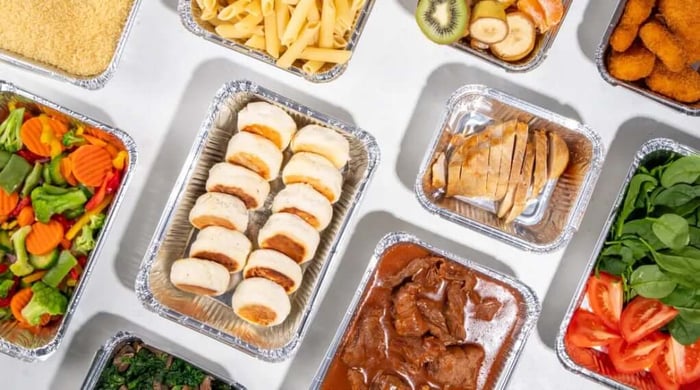
A flexible meal delivery model is more than a small convenience. It changes the relationship between customer and brand from obligation to choice. The food shows up when you want it, costs what it advertises, and disappears from your week the moment your routine changes. Browse grab-and-go items to round out a no-subscription approach that fits any lifestyle, from frequent travelers to families with shifting weekly schedules.
Sources
Bidwell, J. T., Wang, Y., & Han, K. (2022). Consumer subscription behavior and the cost of inertia in recurring purchases. Marketing Science, 41(2), 312-329. Wileyonlinelibrary.wiley.com/doi/10.1287/mksc.2021.1346
Hall, K. D., Sacks, G., Chandramohan, D., Chow, C. C., Wang, Y. C., Gortmaker, S. L., & Swinburn, B. A. (2011). Quantification of the effect of energy imbalance on body weight. The Lancet, 378(9793), 826-837. Thelancetthelancet.com/journals/lancet/article/PIIS0140-6736(11)60812-X/fulltext
Wansink, B., & Chandon, P. (2014). Slim by design: Redirecting the accidental drivers of mindless overeating. Journal of Consumer Psychology, 24(3), 413-431. Wileymyscp.onlinelibrary.wiley.com/doi/10.1016/j.jcps.2014.03.006
U.S. Department of Agriculture. (2024). Food loss and waste. USDA. usda.gov/foodlossandwaste
Federal Trade Commission. (2023). Negative option rule and subscription disclosures. FtcNegative Option Rule
Mayo Clinic Staff. (2024). Healthy eating: A detailed guide to a nutritious diet. Mayo Clinic. MayoclinicNutrition and healthy eating Nutrition basics