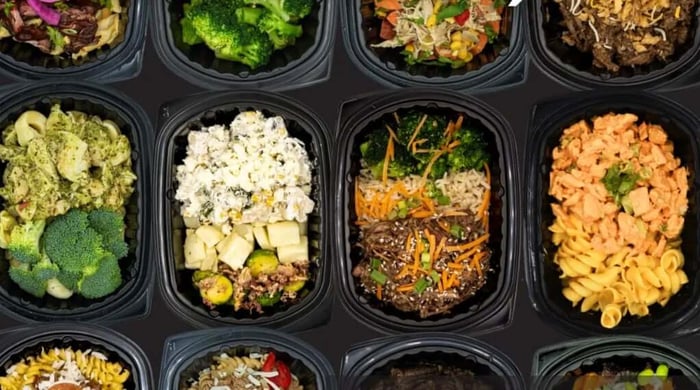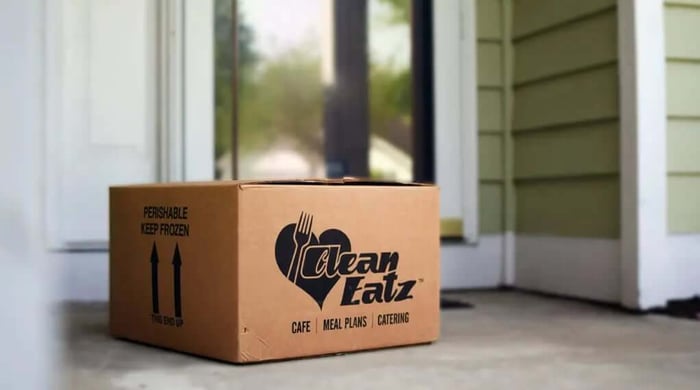
A 1,500-calorie meal delivery plan typically produces 1 to 2 pounds of weight loss per week for most adults, with greater losses in the first two weeks driven by water weight and steadier losses thereafter. A 30-pound loss over 4 to 6 months is the realistic ceiling for a moderately active adult eating 1,500 calories daily, depending on starting weight, age, sex, and activity level. The catch is that the math only works when the 1,500 calories are actually 1,500 calories, which is where pre-portioned low-calorie meal delivery plans dramatically outperform self-tracked diets that often drift 200 to 400 calories higher than the planner assumes.
The Math Behind 1,500-Calorie Weight Loss
The 3,500 Calorie Per Pound Rule
Weight loss math is simple in theory and complicated in practice. The body burns a certain number of calories daily to support basic functions and activity. When intake stays meaningfully below that number, the body taps stored fat to make up the difference. The pace of fat loss depends on how large the daily gap is and how consistently it holds. The classic approximation is that a 3,500-calorie deficit produces one pound of fat loss. A 500-calorie daily deficit produces about a pound per week, while a 1,000-calorie daily deficit produces two pounds. Most adults at maintenance burn between 1,800 and 2,400 calories daily. Eating 1,500 calories creates a 300 to 900-calorie deficit per day, which translates to 0.6 to 1.8 pounds of fat loss per week in pure math terms.
Why Maintenance Calories Vary So Widely
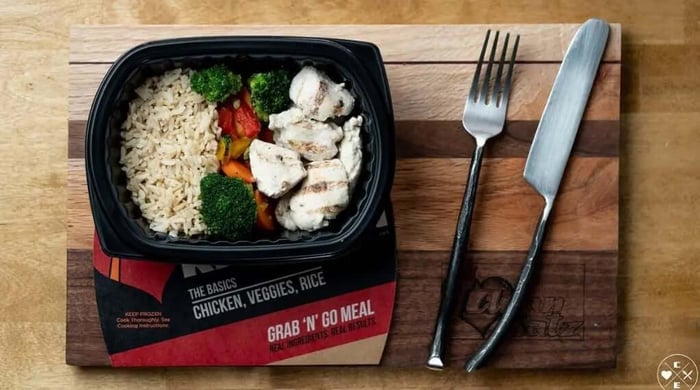
Maintenance is the daily calorie burn that keeps your weight stable. A 5-foot-2-inch sedentary 55-year-old woman might maintain at 1,600 calories. A 6-foot-tall active 35-year-old man might maintain at 2,700 calories. The same 1,500-calorie plan produces a 100-calorie deficit for the first person and a 1,200-calorie deficit for the second. The same diet will produce wildly different weight loss results.
Self-tracked diets routinely underestimate intake by 20 to 40 percent. Cooking oil added during prep, dressings, snacks, and beverages all add up. A prepared meal delivery for a weight-loss plan that ships 1,500 calories of fully cooked, labeled meals removes this drift. The 1,500 in the plan is actually 1,500 on the plate.
What Realistic Weekly Weight Loss Looks Like
Sustainable fat loss is slower than most people expect, but faster than crash dieting can maintain. The science consistently points to a 1- to 2-pound-per-week range as the sweet spot for adults at typical starting weights. The Centers for Disease Control recommends 1 to 2 pounds of weight loss per week as the rate that produces durable results without triggering compensatory metabolic adaptation. People who lose more than 2 pounds per week often regain more weight within a year, partly because rapid weight loss includes more muscle and triggers stronger hunger responses. The best prepared meal delivery for weight loss option typically targets this 1 to 2 pound weekly range deliberately.
For an average adult with a maintenance intake of 2,000 calories, 4 weeks of eating 1,500 calories produces a 14,000-calorie deficit, which translates to about 4 pounds of fat loss. Add 2 to 3 pounds of water weight lost in the first week, and the scale typically drops 6 to 7 pounds in the first month. After that, the rate slows to a steadier 4 to 5 pounds per month as water weight stabilizes and metabolism adapts to the reduced intake.
The first month produces the biggest drop in scale because glycogen stores deplete, water bound to glycogen is released, and inflammation decreases as food quality improves. None of these is fat loss, but all of them are real weight loss on the scale. Patients who understand this pattern do not panic in month two when the rate slows. The slower pace is the actual fat-loss signal, and the faster pace in the first month is mostly water.
The First Two Weeks: Water Weight Versus Fat Loss
Glycogen Depletion And Water Loss
Understanding what is actually happening prevents the common mistake of thinking the plan stops working when the rapid initial loss slows. Each gram of glycogen stored in muscle and liver holds 3 to 4 grams of water. When calorie intake drops below maintenance, the body first taps into glycogen, releasing bound water. Most adults shed 2 to 4 pounds of water in the first week through this mechanism.
Sodium And Inflammation Reductions
Switching from a typical mixed diet to a healthy prepared meal delivery option usually significantly reduces sodium intake, which further lowers water retention. Reduced processed food intake also dampens inflammation, which can drop another pound of inflammation-related water weight in the first two weeks.
What The Scale Reads Versus What The Mirror Reflects
A 7-pound drop in two weeks might be 5 pounds of water and 2 pounds of fat. The same 7-pound drop in month two is almost entirely fat. The mirror often catches up with the scale in month two, as fat loss becomes visible. This is normal. Patience through this transition is the single biggest predictor of long-term success on a 1,500-calorie plan.
How Activity Level Changes Your Results
Sedentary Versus Lightly Active Maintenance
Activity level is the second-biggest variable after starting weight. Two adults of the same size and age can have maintenance calories that differ by 600 or more, simply because one is sedentary and the other walks 10,000 steps daily. A sedentary adult burns roughly 1.2 times their basal metabolic rate. A lightly active adult burns about 1.4 times BMR. For a 75-kilogram adult with a BMR of 1,500, this is the difference between 1,800 maintenance calories and 2,100 maintenance calories. On a 1,500-calorie diet, the active version loses fat 50 percent faster than the sedentary version. Adding 30 minutes of brisk walking daily often moves a person up a tier of activity.
Why Resistance Training Outperforms Cardio
A pound of muscle burns roughly 6 calories daily at rest, while a pound of fat burns 2. Adding 5 pounds of muscle through resistance training raises daily maintenance by about 20 calories. More importantly, resistance training during weight loss protects existing muscle from being lost alongside fat.
Step Counts And Non-Exercise Activity
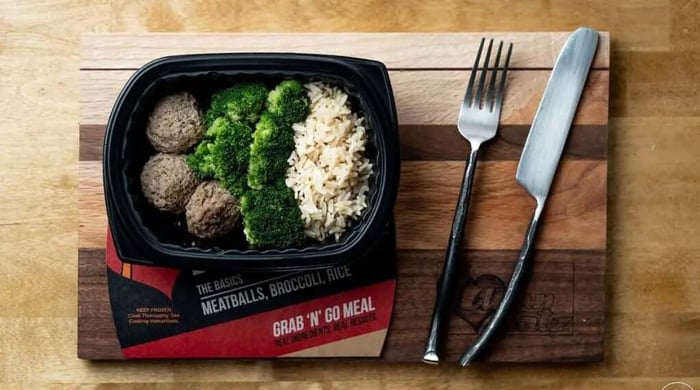
Non-exercise activity thermogenesis is the calories burned through daily movement that is not formal exercise. Standing, walking, fidgeting, and household activities all count. The difference between 4,000 and 10,000 daily steps can be an additional 200 to 300 calories burned, which compounds significantly over weeks. A low-calorie meal delivery service combined with simple daily step targets often outperforms a more aggressive diet with no movement plan.
Common Reasons People Lose Less Than Expected
Most adults who follow a 1,500-calorie plan for 8 weeks lose less than the math predicts. The reasons are usually predictable and addressable. The following issues account for most of the gap between predicted and actual weight loss on a 1,500-calorie meal plan. Recognizing them early prevents the discouragement that derails most weight loss efforts:
Hidden Calorie Sources Outside The Meal Plan: Cooking oil and snacks consumed between meals can add 300 to 600 calories per day. A meal delivery plan covers only the meals it ships. Anything added at home counts toward your total and reduces the plan's actual weekly deficit.
Overestimated Maintenance Calories From Online Calculators: Standard calculators use general activity multipliers that may not match your real life. An office worker who walks little may burn 200 calories less than the calculator suggests. Adjust your perceived maintenance down by 100 to 200 calories if results lag behind predictions across the first month.
Inadequate Protein Driving Muscle Loss Instead of Fat Loss: If protein intake stays below 1.0 grams per kilogram of body weight, muscle loss can account for 30 to 40 percent of total weight loss. The scale still drops, but the body composition change favors fat retention. Aim for 1.2 to 1.6 grams per kilogram across every week of the plan.
Insufficient Sleep or Chronic Stress Elevating Cortisol: Sleep below six hours per night and chronic high-stress periods both raise cortisol, which promotes abdominal fat storage and water retention.
As you lose weight, your maintenance calories drop because a smaller body needs less fuel. A plan that worked at 200 pounds may stall at 180 pounds without adjustment. Recalculate maintenance every 15 to 20 pounds of loss and adjust calorie intake or activity level to reopen the deficit.
How To Maximize Results On A 1,500-Calorie Plan
Hit Protein First At Every Meal
Aim for 30 grams of protein per meal across three meals, or 25 grams per meal across four. This typically lands at 90 to 120 grams of protein daily on a 1,500-calorie plan. Adequate protein protects muscle, increases satiety, and keeps the loss skewed toward fat. A premade meal delivery for weight loss option built around 30+ grams of protein per entrée delivers this target without daily planning.
Add Volume With Vegetables And Fiber
Adding a large salad or two cups of roasted vegetables to any meal increases satiety without adding meaningful calories. Aim for 25 to 35 grams of fiber daily on a 1,500-calorie plan. This helps with fullness and prevents the constipation that often accompanies reduced food volume.
Plan With Daily Steps
A 30-minute walk after dinner and two weekly strength-training sessions transform a 1,500-calorie diet from a slow grind into a sustainable lifestyle. The walk burns 150 calories. The strength sessions protect muscle. Both improve sleep and mood, which, in turn, feed back into appetite control and adherence over time.
Steps To Maximize Results
Each step builds on the previous one and creates a sustainable system rather than a short-term sprint:
Week 1: Eat only the planned 1,500 calories. Do not add or subtract from the planned meals. Track your weight daily and average across the week. The first week establishes your baseline rate of loss and identifies any hidden calorie sources from beverages or snacks that need attention.
Week 2: Begin walking 30 minutes daily, either as one block or split into two 15-minute segments. This adds roughly 150 calories burned daily without affecting recovery or hunger. The compound effect over the month is significant and builds the cardiovascular base for adding strength work.
Week 3: Add two full-body resistance training sessions of 30 to 45 minutes each. Use compound movements like squats, push-ups, and rows. This protects muscle during weight loss and builds the metabolic base that supports long-term maintenance. Pair with adequate protein to make the training productive.
Week 4: Set a consistent bedtime that allows 7 to 8 hours of sleep. Remove screens 30 minutes before bed and keep the bedroom cool. Better sleep lowers cortisol and improves appetite hormones, which accelerates fat loss without requiring further calorie reduction or longer workouts.
Week 5 and Beyond: After each 4-week block, weigh in, take measurements, and assess how you feel. If progress stalls for more than 2 weeks, adjust either by adding 1,000 daily steps or reducing 100 daily calories. Make one change at a time so you can see what actually moves the needle for your body.
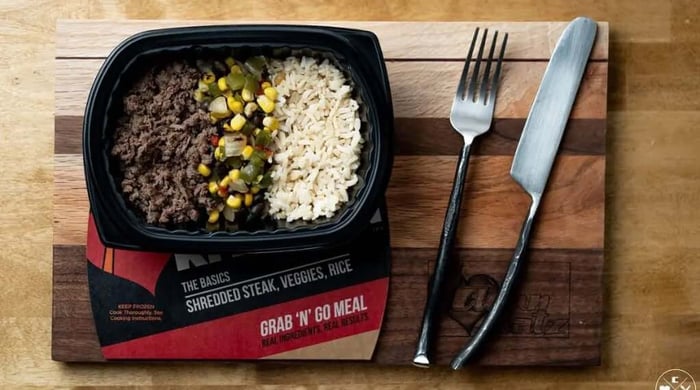
When you reach your target weight, transition gradually. Add 100 calories per week until you reach your new maintenance level. This avoids the sudden weight rebound that comes from jumping back to pre-diet eating. Many adults use a best weight-loss meal delivery plan during the loss phase, then switch to a slightly higher-calorie variant for maintenance. Evaluate a ready-to-eat meal delivery option for the broader convenience benefit; the math stays the same. Clean Eatz Kitchen designed its weight loss meal plan around the same 1,500-calorie ceiling, with chef-cooked meals shipped in single-serve portions to remove the most common cause of plan failure: meals that drift in calorie count between cooking and eating.
Sources
Centers for Disease Control and Prevention. (2024). Losing weight. CdcSteps for Losing Weight
National Heart, Lung, and Blood Institute. (2024). Aim for a healthy weight. NihAim for a Healthy Weight | NHLBI, NIH
Hall, K. D., & Kahan, S. (2018). Maintenance of lost weight and long-term management of obesity. Medical Clinics of North America, 102(1), 183-197. NihMaintenance of lost weight and long-term management of obesity
Heymsfield, S. B., & Wadden, T. A. (2017). Mechanisms, pathophysiology, and management of obesity. New England Journal of Medicine, 376(3), 254-266. Nejmnejm.org/doi/full/10.1056/NEJMra1514009
Morton, R. W., et al. (2018). A systematic review, meta-analysis and meta-regression of the effect of protein supplementation on resistance training-induced gains in muscle mass and strength in healthy adults. British Journal of Sports Medicine, 52(6), 376-384. NihSystematic review and meta‐analysis of protein intake to support muscle mass and function in healthy adults