
The meal delivery market is projected to reach $59.5 billion by 2030, and the sheer number of options has made the decision harder, not easier. Services range from fully prepared, calorie-controlled meals to raw-ingredient kits that require 30 or more minutes of prep and cook time. Some lock you into weekly subscriptions, while others let you order on demand. Choosing a service that doesn't fit with your lifestyle can undermine the consistency that's necessary for successful weight loss. This guide walks you through a structured decision process, step by step, to choose the best one for you. By the end, you'll know exactly what criteria matter and how to evaluate any service against a framework that puts your goals first.
Why Meal Delivery Works for Weight Loss (and Where It Falls Short)
The science behind meal delivery for weight loss isn't complicated, but it is worth understanding before you spend a dollar. Weight loss requires a sustained calorie deficit, or consuming fewer calories than your body burns. This makes pre-made, pre-portioned meals a perfect fit for weight loss.
The reason is structure. Pre-portioned meals eliminate two of the biggest obstacles to maintaining a deficit: portion creep and decision fatigue. When a 400-calorie meal arrives in a sealed container, there's no temptation to add an extra scoop of rice or an extra drizzle of oil.
However, having meals shipped to your door doesn't teach you how to cook, read nutrition labels, or make smart choices at a restaurant. Long-term success depends on behavioral factors:
- Self-monitoring: This practice can include keeping a food journal, tracking exercise, or reviewing daily routines to identify patterns that influence health outcomes. By closely observing behaviors, individuals become more aware of portion sizes, nutritional balance, and triggers that lead to unhealthy choices. Over time, self-monitoring strengthens accountability and helps people recognize both progress and setbacks. This awareness enables informed decisions that support long-term health goals, rather than relying solely on pre-prepared meals.
- Physical activity: Movement helps regulate metabolism, improve cardiovascular health, and maintain muscle strength. Developing a consistent exercise routine also reinforces discipline and encourages a more active lifestyle. Whether through structured workouts, walking, recreational sports, or daily movement habits, physical activity helps balance caloric intake and energy expenditure. Integrating exercise into daily life creates a sustainable rhythm that supports healthy habits independently of meal services or short-term dietary programs.
- Self-correction: Even the most disciplined routines occasionally break down due to travel, stress, or schedule changes. The ability to self-correct is an important behavioral skill for long-term success. Rather than abandoning healthy goals after a setback, individuals who practice self-correction recognize the lapse and make small adjustments to return to their routine.
A delivery service can support those behaviors, but it can't replace them. Meal delivery is a powerful tool for creating consistency, especially during the first several months when building new habits. It stops being useful the moment you treat it as a permanent substitute for food literacy.
Meal prep doesn't have to be complicated.
Get our free guide — shortcuts, meal ideas, and a system that makes eating well the easy option.
Prepared Meals vs. Meal Kits: Choosing the Right Format
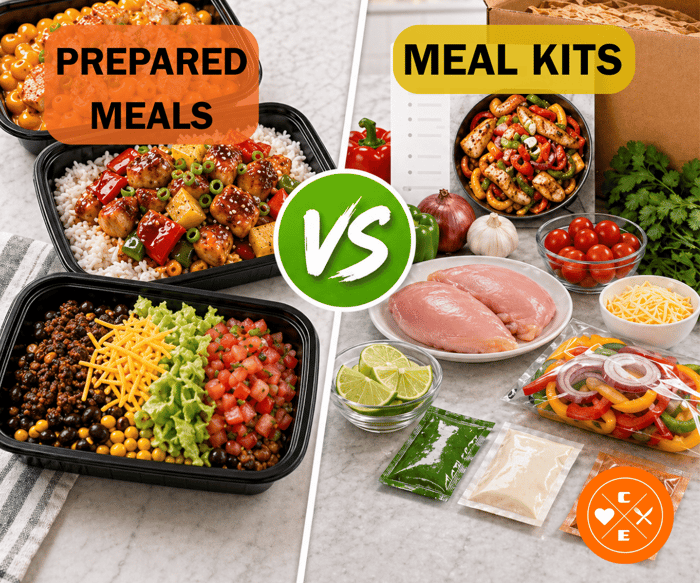
Fully Prepared (Heat-and-Eat) Meals
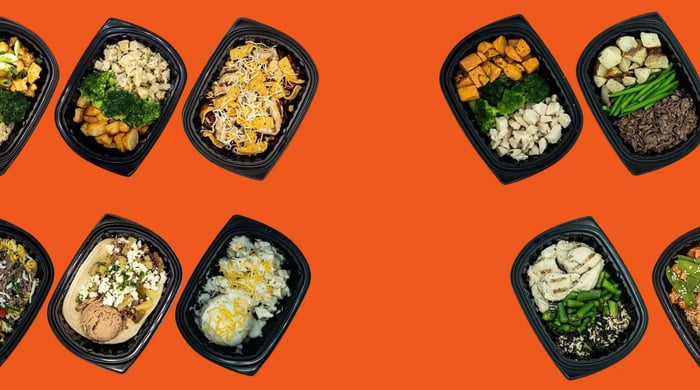
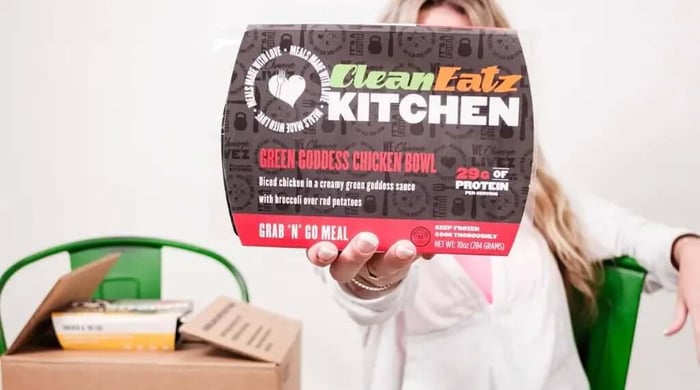
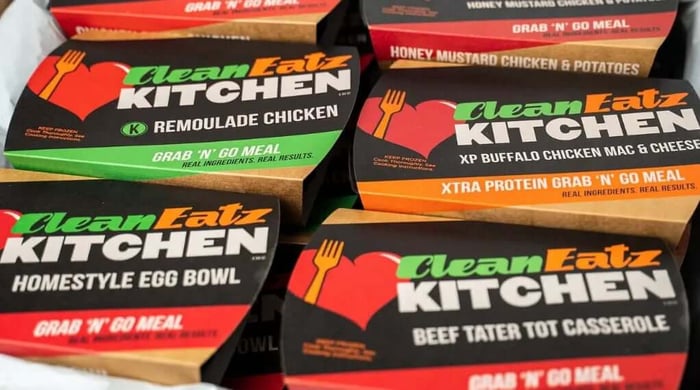
These arrive pre-cooked and pre-portioned. You heat them in a microwave or oven, typically in under five minutes, and eat. The calorie count is fixed. The macros are printed on the label. There's zero room for improvisation, which is precisely the point for weight loss. This format works best if your schedule is unpredictable, your cooking skills are limited, or your past dieting attempts have been derailed by the gap between planning healthy meals and sticking to that plan. Clean Eatz Kitchen ships flash-frozen meals with full macro breakdowns, often under 500 calories per serving with at least 20 grams of protein. It requires no subscription, so you can order on your own schedule without cancellation headaches.
Meal Kits (Cook-at-Home)
Meal kits ship raw, pre-measured ingredients with step-by-step recipes. You do the cooking, which typically takes 20–40 minutes. Calorie counts are provided, but because you control the cooking process, the actual intake can vary. This works best if you enjoy cooking and want to build kitchen skills while losing weight. The risk is that meal kits focus more on flavor and variety than on strict calorie control, and the act of cooking can lead to unplanned extras.
The Five Criteria That Actually Matter
Nutritional Transparency and Macro Balance
This is non-negotiable. Any service worth considering should publish full nutritional information for every meal before you order. You need to see calories, protein, carbohydrates, fat, fiber, and sodium at a minimum.
For weight loss specifically, look for meals that deliver at least 20–25 grams of protein per serving. Protein is the most filling macronutrient. Higher protein intake preserves lean muscle mass during calorie restriction, which matters for maintaining your metabolic rate as you lose weight. A solid benchmark for weight-loss-oriented meals is 350–500 calories per serving, with protein accounting for 30% or more of total calories. If a service doesn't make this information easily accessible on its website, treat that as a red flag.
Flexibility and Customization
Evaluate how much control you have over what shows up at your door. Key questions to ask:
- Can you choose individual meals, or are you locked into pre-built bundles?
- Can you filter by dietary needs, like gluten-free, dairy-free, low-carb, or vegetarian?
- Can you swap proteins or remove specific ingredients?
- Can you adjust the number of meals per week as your needs change?
Services that offer rigid, pre-selected weekly boxes might be fine if your tastes are flexible. But if you have food allergies, strong preferences, or need to coordinate deliveries with travel and social plans, look for services with à la carte ordering or highly customizable plans.
Ingredient Quality and Sourcing
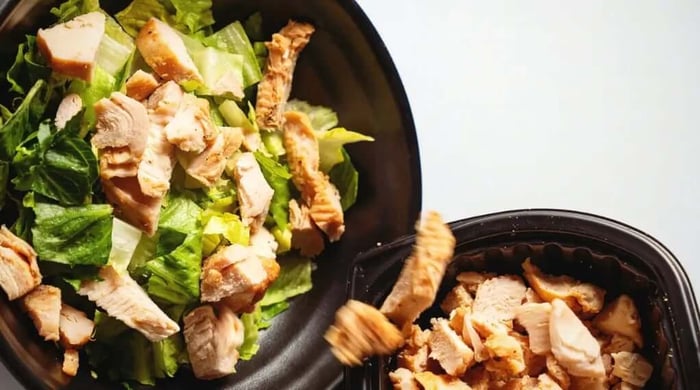
Calorie counts alone don't tell you what you're eating. Two 400-calorie meals can be nutritionally worlds apart depending on the quality of the ingredients. Look for services that specify their sourcing practices. A meal built around lean chicken breast, roasted sweet potato, and steamed broccoli will keep you fuller and more nourished than one built around a processed chicken patty, white rice, and a corn syrup-sweetened sauce, even at the same calorie count.
True Cost Per Meal (Not Sticker Price)
The per-meal price listed on a service's homepage almost never tells the full story. To make an accurate comparison, you need to calculate the true cost per meal by factoring in shipping fees (which can add $8–$12 per order), minimum order requirements, and any "plan" discounts that only apply at higher quantities. Most weight-loss meal delivery services price individual meals between $6 and $15, with some premium options stretching to $20+. Tally what you currently spend on the meals this service would replace. Include groceries that go to waste, impulse takeout orders, and the value of your time spent planning, shopping, and cooking.
Delivery Logistics and Shelf Life
Flash-frozen meals offer a significant practical advantage for weight loss, as you can stock your freezer and have a healthy option available on any night, including the nights you'd otherwise order pizza. Fresh meals taste slightly better in many cases, but create pressure to eat them within a narrow window, which can lead to food waste or forced meal timing. If you travel frequently, have an irregular schedule, or simply don't want the commitment of weekly deliveries, prioritize services with no-subscription-required models and meals with a long shelf life. Having ten meals in your freezer that you eat over six weeks may be a more valid approach than receiving a fresh box every Monday, especially if the fresh meals may go bad before you can eat them.
How to Test a Service Before You Commit
Trying a meal delivery service can seem like an easy way to simplify eating habits, but committing too quickly could lead to disappointment if the service doesn’t fit your preferences or lifestyle. Here's how to test a service before deciding to rely on it regularly:
- Start with the smallest possible order: Most meal services offer a starter pack or a minimum order that includes roughly six to eight meals. Choosing the smallest option keeps the initial test low risk while still giving enough meals to evaluate the service realistically. During this stage, focus on a few key questions: whether the flavors are enjoyable enough to eat regularly, whether the portion sizes leave you satisfied, and whether the ordering and delivery process fits your schedule.
- Evaluate taste, variety, and satisfaction: Taste and satisfaction play a major role in whether a meal service is sustainable over time. During your trial period, pay attention to how enjoyable the meals are and whether the variety of the menu prevents boredom.
- Track your meals for two weeks: Log each meal from the service using whatever tracking method you prefer, such as a nutrition app, written journal, or spreadsheet. Record basic information, including calories, estimated macronutrients, and how full you felt afterward, on a simple scale from one to five. Also, note whether you needed additional snacks to stay satisfied.
- Compare results: Before starting the service, spend about a week tracking your current eating habits, including what you eat, the cost of groceries or dining out, and the time spent planning or preparing meals. After completing two weeks using the delivery service, compare the two periods carefully.
- Assess convenience: Convenience is often the main reason people try meal delivery services, so it is important to evaluate whether the service genuinely simplifies your lifestyle. Consider factors such as delivery reliability, packaging waste, storage space required, and how easily meals fit into your daily schedule. If ordering, storing, or reheating meals becomes complicated, the service may not remain practical long term. Assessing these logistical details ensures the service supports your routine rather than creates new frustrations.
This method ensures that any service you choose supports your goals, preferences, and daily routine before you commit to using it regularly.
Red Flags That a Service Isn't Right for You
Exaggerated Weight Loss Claims
Any service promising specific weight loss numbers, "Lose 10 pounds in your first month!" is selling hope, not food. Weight loss rates depend on your starting weight, activity level, metabolic rate, sleep, stress, and countless other individual factors. Sustainable weight loss typically occurs at a rate of half a pound to two pounds per week. A responsible service will talk about supporting your goals, not guaranteeing outcomes.
Lack of Nutritional Information
If you can't find detailed macro breakdowns before ordering, move on. Some services bury nutrition facts or only show calorie counts without protein, fat, and carb splits. You need the full picture to make informed choices about what you're eating.
Building a Long-Term Strategy Around Meal Delivery
Phase 1: Full Replacement (Weeks 1–8)
Use the service for the majority of your meals. The goal here isn't just calorie control; it's habit formation. You're training yourself to eat appropriate portions, to recognize what a balanced plate looks like, and to break the cycle of impulse eating. This is where meal delivery earns its value, because it removes friction at the exact point where most diets fail.
Phase 2: Gradual Transition (Weeks 9–16)
Begin replacing two to three delivered meals per week with home-cooked meals that mirror the structure of what you've been eating: similar calorie counts, similar protein-to-carb ratios, similar portion sizes. Use the delivered meals as a reference point. If your prepared meals average 420 calories with 28 grams of protein, try to hit those numbers when you cook for yourself.
Phase 3: On-Demand Support (Ongoing)
Once you've built cooking skills and portion awareness, shift to using delivery as a safety net rather than a staple. Keep a stock of frozen meals for busy weeks, travel recovery, or the inevitable days when cooking simply isn't happening. This is where no-subscription models prove their long-term value. You order what you need, when you need it, without paying for meals that go uneaten. This phased approach aligns with what the research supports. Dietary self-monitoring and gradual skill-building were among the strongest predictors of long-term weight maintenance. Meal delivery jumpstarts the process; your own evolving skills sustain it.
There is no single best weight loss meal delivery service. There's only the best service for your specific combination of goals, preferences, schedule, and budget. The right service puts full nutritional data in front of you before you order. It gives you enough flexibility to eat around your life instead of restructuring your life around a meal schedule. It prices its meals fairly once you account for shipping and minimums. And it doesn't trap you in a subscription you'll forget to cancel.
Before you sign up for anything, revisit the five criteria in this guide and score each service you're considering. Weight loss is hard enough without fighting your food logistics. The right meal delivery service should make consistency easier without adding another source of friction to your week.
Sources:
- Meal Kit Delivery Services Market Size and Forecast 2026 to 2035 – Acumen (2026)
- Moon and Koh. Clinical Evidence and Mechanisms of High-Protein Diet-Induced Weight Loss – Journal of Obesity and Metabolic Syndrome (2020)
- Champagne et al. Dietary intakes associated with successful weight loss and maintenance during the Weight Loss Maintenance Trial – Journal of the American Dietetic Association (2011)