
The perfectly portioned containers, the pre-calculated macros, the convenience of opening your fridge and knowing exactly what to eat, all of it disappears the moment your weight loss meal delivery subscription ends. And for many people, that's the moment everything starts to unravel.
Here's the uncomfortable truth: losing weight is the easier half of the equation. Keeping it off once you're back to shopping, prepping, and cooking on your own is where the real challenge begins. While most people can lose 5–10% of their body weight on a structured plan, many of those people regain a majority of the weight they lost within four to five years. If you're using a structured eating program to lose weight, the transition period immediately after it ends is key to setting yourself up for weight maintenance success.
Why the Transition Off Meal Delivery Is the Most Dangerous Phase
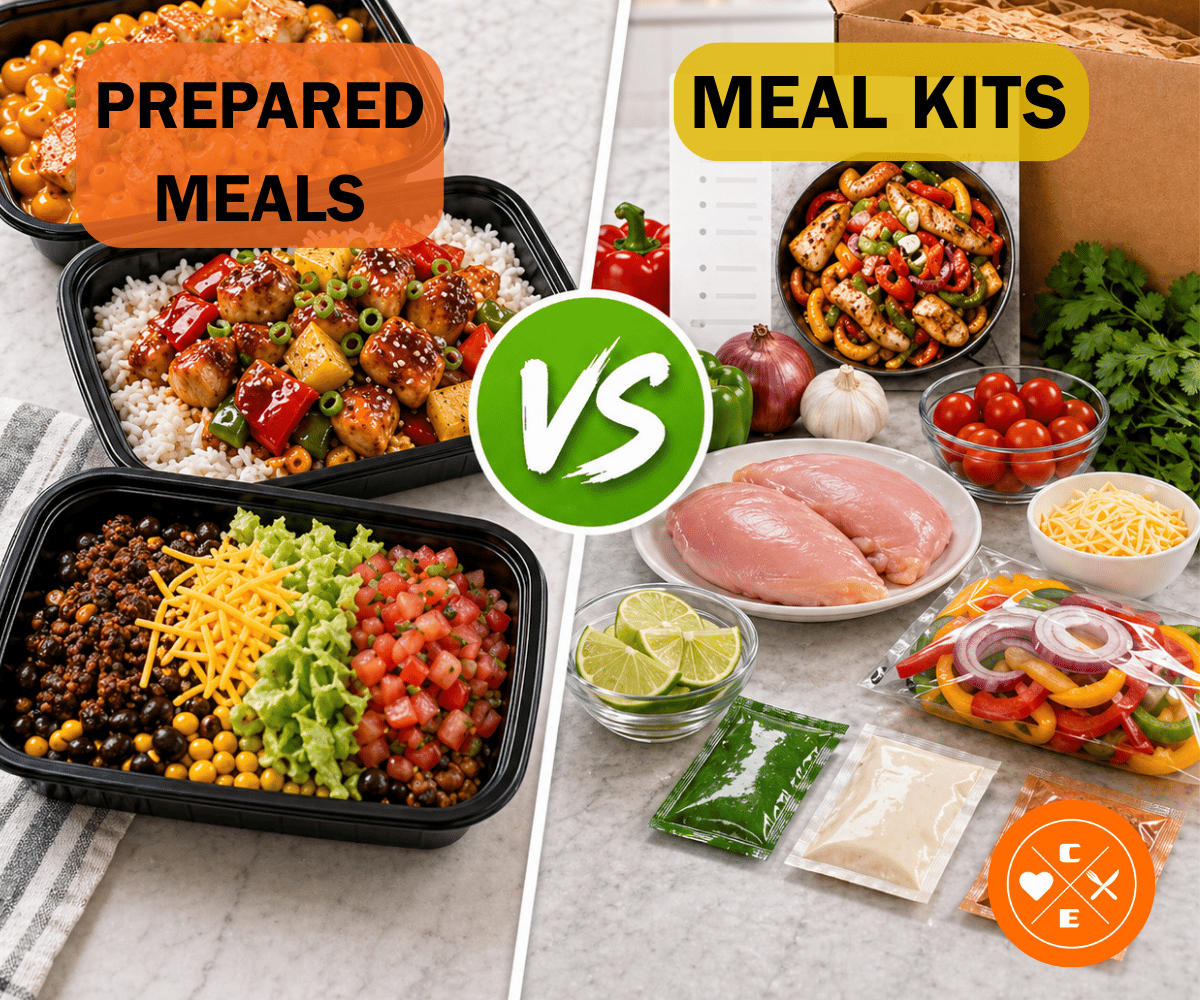
Weight loss meal delivery services remove decision fatigue. You don't have to think about what to buy, how much to cook, or whether your portions are right. The system handles it. That structure is exactly why services like Clean Eatz Kitchen work so effectively during the active weight-loss phase. The meals are portioned, nutritionally balanced, and ready to eat, eliminating the daily micro-decisions that derail most diets.
But that same convenience creates a dependency. When the structure vanishes, you're suddenly responsible for hundreds of small food decisions each week. There is a biological mechanism behind why this is so hard. After weight loss, appetite signals can increase by 400–600 calories per day above what you're actually burning. Your brain is literally pushing you to eat more than you need, and it does this below your conscious awareness. You could easily regain weight by reaching for slightly larger portions or snacking mindlessly. The meal delivery service was acting as a guardrail against those subconscious signals. Without a deliberate plan to replace that guardrail with your own habits, the biological tide pulls you back toward your starting weight.
Meal prep doesn't have to be complicated.
Get our free guide — shortcuts, meal ideas, and a system that makes eating well the easy option.
The 60-Day Window: What Habit Science Actually Says
What Makes Habits Stick
Building new habits generally takes at least two months, and it requires more than good intentions. Certain conditions make habits far more likely to become automatic and long-lasting. When routines are repeated consistently, tied to existing behaviors, and personally meaningful, they gradually shift from effortful actions to natural parts of daily life. Understanding these factors can help individuals design routines that are easier to maintain and less dependent on motivation alone:
- Consistency: Behaviors practiced daily are reinforced through repetition, allowing the brain to form stronger associations between actions and outcomes. When a behavior occurs at the same time each day, it gradually requires less conscious effort. For example, preparing a balanced breakfast every morning or packing lunch before leaving home becomes easier over time because the routine becomes familiar. Daily repetition reduces reliance on motivation and instead turns the behavior into a normal, expected part of everyday life.
- Anchoring habits: Habits tend to stick more easily when they are connected to behaviors that already occur regularly. This strategy, often called habit stacking, uses established routines as cues that trigger new actions. For instance, preparing a healthy snack after returning home from work or drinking water immediately after waking up links the new habit to an existing pattern. Because the original routine already happens automatically, it naturally prompts the new behavior. The two actions become mentally connected, strengthening consistency without requiring constant reminders or deliberate effort.
- Personal ownership of food choices: When individuals actively choose which routines to maintain, they feel a greater sense of ownership and control. This personal investment strengthens motivation and commitment, particularly during periods when maintaining the habit requires extra effort. In the context of eating habits, selecting meals, cooking styles, or dietary patterns that align with personal preferences encourages long-term adherence.
- Gradual transition: Many people begin new routines with structured systems such as meal plans or delivery services. While these systems provide helpful guidance, lasting habits develop when individuals gradually take responsibility for maintaining those patterns independently. Transitioning from externally guided routines to self-directed behaviors allows people to apply what they have learned about portion sizes, food balance, and meal timing.
- Positive reinforcement: Improvements in energy levels, digestive comfort, mood stability, or physical fitness can motivate individuals to continue their routines. Tracking progress helps make these benefits visible. When people recognize the connection between consistent habits and positive outcomes, the behavior feels rewarding instead of burdensome.
Developing lasting habits involves designing routines that align with human behavior patterns rather than relying on constant discipline.
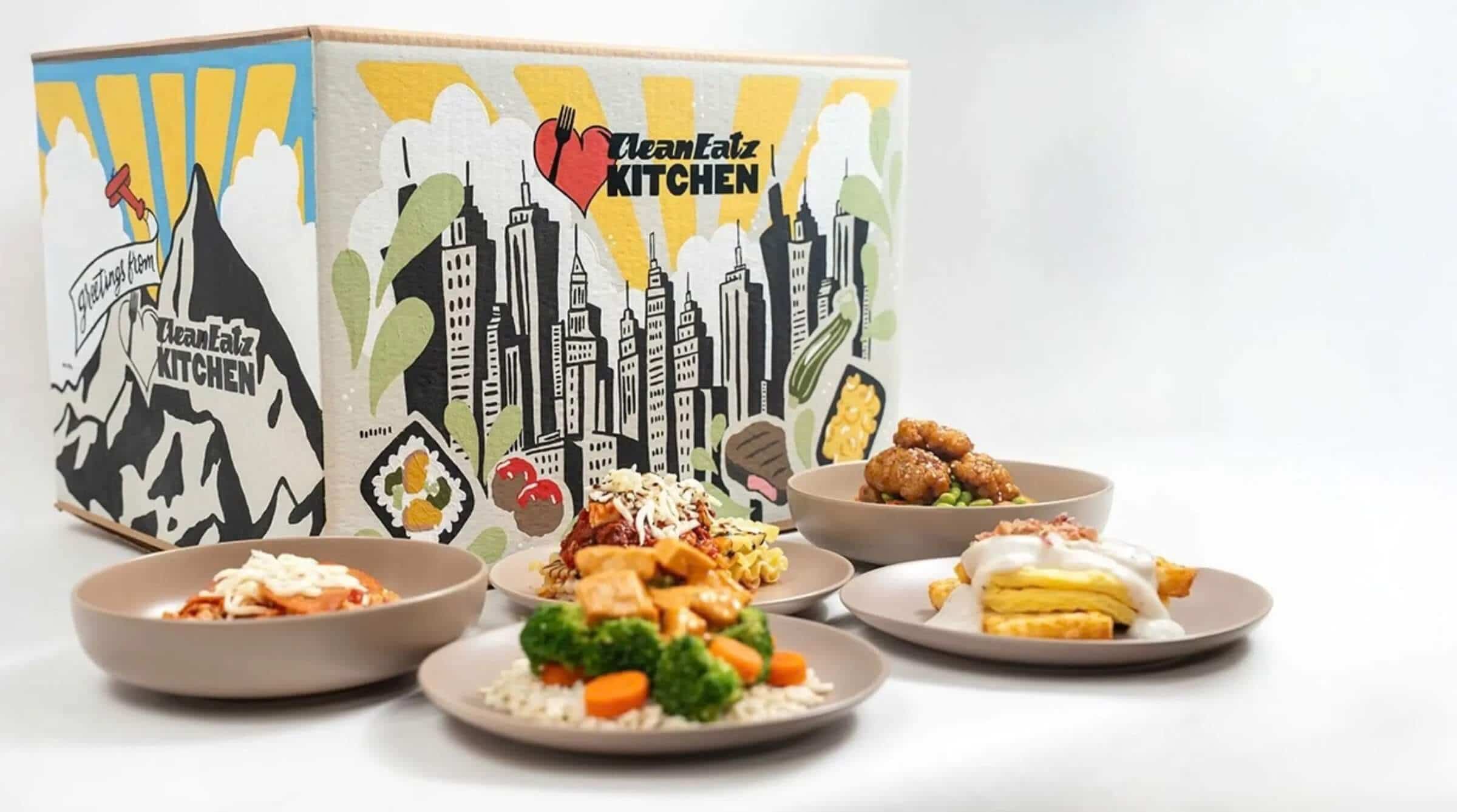
Reverse-Engineering What Your Meal Delivery Taught You
Every delivered meal came in a container that held a specific amount of food. Over weeks or months of eating from those containers, your eyes and stomach calibrated to those volumes. This is arguably the single most valuable thing a meal delivery service gives you. Portion awareness is one of the strongest predictors of long-term weight maintenance. The challenge is that when you start cooking again, you're working with full-sized pans and dinner plates that are 20–30% larger than what most nutritional guidelines assume.
When meals arrive ready-made, you never have to face the 5:30 PM question, "What should I eat?" That question is where most diet plans collapse. Not because people lack willpower, but because decision fatigue late in the day makes the path of least resistance almost irresistible. The replacement system is meal planning, and it doesn't need to be elaborate. Spending 15–20 minutes each week choosing five dinners, building a shopping list from those choices, and doing one focused grocery trip accomplishes the same thing your meal delivery did: it removes the daily decision. People who used grocery lists had measurably healthier diets and lower BMIs, largely because the lists served as a buffer against impulse purchases.
The Five Techniques That Cover 90% of Healthy Meals
Master these five methods, and you can produce an almost unlimited variety of nutritious meals:
- sheet pan roasting (proteins and vegetables together at 400°F for 20–25 minutes)
- basic sautéing in a nonstick pan with minimal oil
- assembling grain bowls from pre-cooked components
- building salads substantial enough to serve as meals
- using a slow cooker or Instant Pot for hands-off protein preparation
None of these requires advanced knife skills or specialty equipment. They're the techniques that produce meals comparable in quality and nutrition to what arrives in a meal delivery box, because they're essentially the same techniques those companies use, just scaled down.
When to Strategically Use Meal Delivery as a Safety Net
Here's a nuance most articles miss: transitioning off meal delivery doesn't have to mean quitting cold turkey. Many people succeed with a gradual step-down approach — moving from seven delivered meals per week to four, then to two, then to occasional use during particularly hectic weeks. This mimics how training wheels work: you reduce the external support incrementally as your internal skills develop. Clean Eatz Kitchen works well in this capacity because their meals are designed around the same nutritional principles you should be applying to your home cooking. Having a few delivered meals in the freezer as a backup for nights when your meal prep runs out, or your schedule implodes, means the fallback option is a portioned, balanced meal rather than pizza delivery.
Self-Monitoring Without Self-Obsession
Weigh yourself once per week, at the same time, under the same conditions, and track the trend rather than fixating on any single number. Second, maintain a brief food awareness practice. This doesn't need to be calorie counting. It can be as simple as a mental end-of-day review: "Did I eat roughly the way I planned to today?" Third, pay attention to how your clothes fit. Changes in how a specific pair of pants feels often register gradual shifts earlier and more reliably than a scale, which fluctuates with hydration, sodium intake, and dozens of other variables.
What the First 90 Days Should Look Like
Pulling all of this together, the transition off meal delivery works best as a structured, phased process rather than an abrupt shift.
Days 1–30: The Scaffolding Phase
Keep as much structure as possible during the first month – we're building a scaffolding here. Meal prep every week on the same day. Use containers that match your delivered meal sizes. Follow a written meal plan and grocery list. This is not the time for culinary experimentation or intuitive eating. You're building the scaffolding that will support the habits you're forming. If you can, keep one or two delivered meals per week from a service like Clean Eatz Kitchen as a baseline, a nutritional anchor that ensures at least some of your meals each week hit the right targets without any effort on your part.
Days 31–60: The Expansion Phase
Begin expanding your options by introducing more variety into your cooking. Try new recipes, but keep them within the simple technique framework. Start loosening the rigid meal plan. Perhaps plan only dinners, and let lunches be assembled from whatever prepped components are available. Continue weekly weigh-ins and grocery list shopping. This is typically when the habit formation research suggests your new behaviors are beginning to solidify, though they're not yet automatic.
Days 61–90: The Autonomy Phase
By the third month, your weekly rhythm should feel more natural than forced. You might find you no longer need to write out a formal meal plan because you've internalized a rotating set of 10–15 go-to meals. You can start cooking more intuitively while using your portion-awareness skills as a background check. Continue monitoring, but notice that it requires less conscious effort.
Underneath all the practical strategies of meal prep, the grocery lists, and the portion containers, there's a fundamental mindset shift that separates people who maintain their weight loss from those who don't. Obesity is a chronic condition requiring lifelong management, not a temporary problem solved by a temporary intervention. Your meal delivery subscription was a tool, not a cure. It gave you a structured environment to lose weight and, ideally, to begin internalizing what balanced, appropriately portioned meals look and feel like. The habits you build after it ends are the actual long-term solution.
The people who've maintained significant weight loss for a decade or more didn't do it through perpetual dieting. They did it by constructing a sustainable daily routine, and then protecting that routine against the inevitable disruptions of real life. That's the real answer to what happens after weight loss meal delivery stops. The dramatic before-and-after story may look appealing, but the quiet, ongoing practice of doing the small things right, week after week, is where the real results are.
Sources:
- Anderson et al. Long-term weight-loss maintenance: a meta-analysis of US studies – The American Journal of Clinical Nutrition (2001)
- Hall and Kahan. Maintenance of lost weight and long-term management of obesity – Medical Clinics of North America (2019)
- Singh et al. Time to Form a Habit: A Systematic Review and Meta-Analysis of Health Behaviour Habit Formation and Its Determinants – Healthcare (Baseline) (2024)
- Mayo Clinic Staff. Portion control for weight loss – Mayo Clinic (2025)
- Dubowitz et al. Using a Grocery List Is Associated with a Healthier Diet and Lower BMI — Journal of Nutrition Education and Behavior (2015)