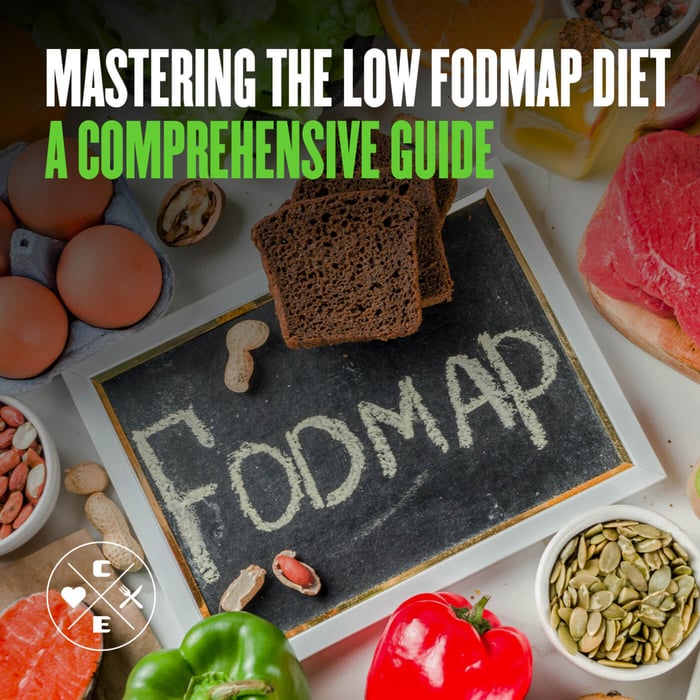
Quick Summary: The Low FODMAP diet is a three-phase therapeutic approach for managing IBS and SIBO symptoms. It involves temporarily eliminating fermentable carbohydrates (FODMAPs), then systematically reintroducing them to identify personal triggers. Research shows 52-86% of IBS patients experience significant symptom relief. This guide covers the science, the phases, what to eat and avoid, and how to work with professionals for best results.
Contents
About FODMAPs: What They Are and Why They Matter
What Happens When You Eat FODMAP Foods
The Low FODMAP Diet Explained
The Three Phases: Elimination, Reintroduction, Personalization
Benefits of a Low FODMAP Diet
Foods to Avoid on a Low FODMAP Diet
What to Eat: Low FODMAP Foods
Who Should Consider the Low FODMAP Diet
Precautions Before Starting
Making It Work: Meal Prep and Planning
Frequently Asked Questions
The Bottom Line
About FODMAPs: What They Are and Why They Matter
What you eat can have a major effect on your body, and digestive concerns are incredibly common. The Low FODMAP diet has emerged as a significant dietary intervention for individuals grappling with irritable bowel syndrome (IBS) and small intestinal bacterial overgrowth (SIBO). With its focus on reducing fermentable carbohydrates, this diet aims to alleviate gastrointestinal symptoms such as bloating, abdominal pain, and altered bowel habits.
FODMAPs may sound like a mouthful, but understanding them is crucial for anyone looking to manage digestive discomfort effectively. FODMAP stands for Fermentable Oligosaccharides, Disaccharides, Monosaccharides, and Polyols—a group of short-chain carbohydrates found in many everyday foods.
Fermentable: This refers to the ability of these carbohydrates to be fermented by bacteria in the gut. When FODMAPs reach the large intestine undigested, gut bacteria ferment them, producing gases like hydrogen, methane, and carbon dioxide, which can lead to bloating and discomfort.
Oligosaccharides: These are short chains of sugar molecules found in foods like wheat, rye, onions, and garlic. Oligosaccharides are poorly absorbed by the small intestine, making them prime candidates for fermentation in the colon.
Disaccharides: These are double sugar molecules, with lactose being the most common example. Found in dairy products, lactose causes digestive distress in people who lack sufficient lactase enzyme to break it down.
Monosaccharides: These are single sugar molecules like fructose, found naturally in fruits, honey, and some vegetables. While glucose is well-absorbed, fructose can be problematic when consumed in excess of glucose or in foods with a high fructose-to-glucose ratio.
Polyols: Also known as sugar alcohols, these include sorbitol, mannitol, and xylitol. They're found in certain fruits and vegetables and commonly used as artificial sweeteners. Polyols are only partially absorbed and can have a laxative effect in high doses.
The Five Main FODMAP Types
Fructose: A simple sugar abundant in many fruits and vegetables, and a component of table sugar and most added sugars.
Fructans: Present in grains such as wheat, spelt, rye, and barley, as well as onions and garlic.
Galactans (GOS): Found in legumes including beans, lentils, and chickpeas.
Lactose: The carbohydrate in dairy products like milk, soft cheese, and ice cream.
Polyols: Sugar alcohols like sorbitol and mannitol, found in certain fruits and used in sugar-free products.
What Happens When You Eat FODMAP Foods
When we consume foods containing FODMAPs, these carbohydrates travel through the digestive system without being fully broken down and absorbed in the small intestine. In the small intestine, where most nutrient absorption occurs, the enzymes required to digest certain types of FODMAPs may be insufficient or absent.
As a result, these undigested FODMAPs continue their journey into the large intestine, where they encounter a large and diverse community of gut bacteria. Once there, these undigested FODMAPs serve as a food source for the gut bacteria. As the bacteria ferment these carbohydrates, they produce gases that can cause the intestines to expand and distend, leading to bloating and discomfort.
Furthermore, FODMAPs draw water into the intestines through osmosis. This increased water content can contribute to diarrhea or loose stools in some people, while in others it may worsen constipation by affecting gut motility.
In individuals with sensitive digestive systems—particularly those with Irritable Bowel Syndrome (IBS) or Small Intestinal Bacterial Overgrowth (SIBO)—these effects can trigger or exacerbate symptoms including abdominal pain, bloating, diarrhea, constipation, and even non-GI symptoms like fatigue and brain fog.
This is where the low FODMAP diet comes in. By reducing the intake of foods high in FODMAPs, the diet aims to minimize fermentation in the gut, alleviating unwanted symptoms and improving overall digestive health.
The Low FODMAP Diet Explained
The Low FODMAP diet1 is a dietary approach designed to alleviate symptoms associated with digestive disorders like IBS and SIBO. By initially reducing high-FODMAP foods and then systematically reintroducing them, individuals can pinpoint which specific carbohydrates are problematic for their digestive system.
Once trigger foods are identified, the goal shifts toward personalizing the diet to include as much variety as possible while maintaining symptom control. This is a crucial point: the low FODMAP diet is not meant to be followed indefinitely in its strictest form. It's a temporary intervention aimed at achieving long-term dietary freedom and improved digestive health.
Think of it as a diagnostic tool rather than a permanent eating plan. The elimination phase helps calm your symptoms, the reintroduction phase identifies your specific triggers, and the personalization phase creates a sustainable way of eating that keeps you feeling well without unnecessary restrictions.
The Three Phases: Elimination, Reintroduction, Personalization
Starting the low FODMAP diet can be transformative, but it's crucial to undertake this dietary approach under the supervision of a qualified dietitian. This ensures a personalized plan tailored to your individual needs and allows for close monitoring of symptoms and nutritional adequacy.
The diet involves three main phases2:
Phase 1: Elimination (2-8 Weeks)
In this phase, you'll work closely with your dietitian to significantly reduce your intake of high-FODMAP foods. Together, you'll replace these foods with suitable low-FODMAP alternatives from the same food groups to maintain nutritional balance.
This phase typically lasts 2-8 weeks—long enough to see symptom improvement, but not so long that you risk nutritional deficiencies or unnecessary restriction. If there's no improvement during this time, you'll reassess with your healthcare provider and explore other treatment options.
During elimination, meal prep becomes especially important. Having ready-made, FODMAP-safe meals available prevents the stress of daily decision-making. Our Complete Meal Prep Guide offers strategies for batch cooking that work well with elimination diets.
Phase 2: Reintroduction (6-10 Weeks)
Once the elimination phase is complete, you'll systematically rechallenge specific FODMAP subgroups to assess your tolerance. Each subgroup is reintroduced one at a time over 2-3 days, allowing you to monitor how your body responds.
A typical reintroduction order might be:
Fructans (wheat-based): Testing bread or pasta
Fructans (onion/garlic): Testing these separately, as tolerance often differs
Galacto-oligosaccharides (GOS): Testing legumes like lentils or chickpeas
Lactose: Testing milk or yogurt
Excess fructose: Testing honey or mango
Polyols (sorbitol): Testing foods like peaches or plums
Polyols (mannitol): Testing mushrooms or cauliflower
The order of reintroduction is typically based on your nutritional needs and personal preferences. Keep a detailed food and symptom diary during this phase—it's invaluable for identifying patterns.
Phase 3: Personalization (Ongoing)
Based on your individual responses to the food challenges, your dietitian will help create a personalized long-term diet. Foods you tolerate well can be reintroduced freely, while those causing mild to moderate symptoms may be reintroduced gradually as your tolerance improves.
Foods that consistently trigger severe symptoms are typically avoided, at least initially. But here's the good news: tolerance often improves over time. Regular follow-up with your dietitian allows you to rechallenge poorly tolerated foods periodically—you may find that something that bothered you initially becomes tolerable later.
Benefits of a Low FODMAP Diet
Following a low FODMAP diet can offer several meaningful benefits for individuals experiencing digestive discomfort:
Reduced Gas and Bloating: High-FODMAP foods ferment in the gut, producing excessive gas. Eliminating these triggers often results in significant relief from bloating—one of the most frustrating symptoms for IBS sufferers.
Improved Bowel Habits: Both diarrhea and constipation are hallmark features of IBS. The low FODMAP diet helps regulate bowel habits by reducing the fermentable carbohydrates that can swing things to either extreme.
Less Abdominal Pain: By identifying and avoiding your specific trigger foods, you may experience significant relief from the cramping and pain that disrupts daily life.
Psychological Benefits: Digestive disturbances are closely linked to anxiety and stress. When you're not constantly worried about symptoms, you may notice improvements in mood and overall mental well-being. The gut-brain connection is real, and calming your gut often calms your mind.
Increased Energy: Digestive distress is exhausting. When you're not using energy managing symptoms, many people report feeling more vibrant and capable throughout the day.
Better Quality of Life: Perhaps most importantly, the low FODMAP diet empowers you to engage fully in life—enjoying social connections, traveling, and pursuing activities without constant worry about finding a bathroom or managing pain.
Foods to Avoid on a Low FODMAP Diet
During the elimination phase, you'll need to avoid or significantly limit high-FODMAP foods. Rather than memorizing exhaustive lists, focus on understanding the main categories and common culprits. The Monash University FODMAP Diet app is the gold standard resource for specific foods and serving sizes.
High-FODMAP Categories at a Glance
Vegetables: Garlic and onion are the biggest triggers for most people—they appear in countless recipes and prepared foods, so label reading is essential. Other common culprits include asparagus, artichokes, cauliflower, mushrooms, and sugar snap peas.
Fruits: Apples, pears, mangoes, watermelon, cherries, and dried fruits tend to be high in fructose or polyols. Stone fruits (peaches, plums, nectarines) are also commonly problematic.
Dairy: Milk, soft cheeses (ricotta, cottage cheese), ice cream, and yogurt contain lactose. Hard cheeses and lactose-free alternatives are generally safe.
Grains: Wheat, rye, and barley contain fructans. This includes bread, pasta, cereals, crackers, and baked goods made with these grains.
Legumes: Beans, lentils, chickpeas, and soybeans are high in GOS. Canned and rinsed legumes may be better tolerated in small amounts.
Sweeteners: Honey, agave, high-fructose corn syrup, and sugar alcohols (sorbitol, mannitol, xylitol) found in sugar-free products.
Hidden Sources: Watch for garlic and onion powder in seasonings, sauces, soups, and processed foods. Check protein bars, supplements, and even medications for sugar alcohols and inulin/chicory root (added fiber).
Many people following the low FODMAP diet find overlap with gluten-free eating helpful during elimination. If you're new to avoiding wheat products, our Gluten-Free Diet for Beginners guide covers label reading and kitchen setup basics.
What to Eat: Low FODMAP Foods
The low FODMAP diet isn't about deprivation—there's an abundance of delicious, nutritious foods you can enjoy freely. Here's a practical overview organized by food group:
Vegetables (Low FODMAP)
Bell peppers, carrots, cucumbers, eggplant, green beans, kale, lettuce, potatoes, spinach, tomatoes, zucchini, bok choy, and the green parts of scallions and leeks. Most vegetables are safe in reasonable portions.
Fruits (Low FODMAP)
Strawberries, blueberries, raspberries, oranges, grapes, kiwi, cantaloupe, honeydew, pineapple, and unripe bananas. Citrus fruits are generally well-tolerated.
Proteins
Plain meats, poultry, fish, seafood, eggs, and firm tofu are naturally FODMAP-free. Watch for marinades and seasonings that may contain garlic or onion.
Dairy Alternatives
Lactose-free milk and yogurt, hard cheeses (cheddar, parmesan, swiss), butter, and plant milks made from almonds, coconut, or rice (check for added inulin).
Grains
Rice, quinoa, oats, corn, gluten-free bread and pasta, and sourdough spelt bread (the fermentation process reduces fructans).
Nuts and Seeds
Almonds (limit 10), walnuts, pecans, macadamias, peanuts, chia seeds, pumpkin seeds, and sunflower seeds.
Flavor Boosters
Garlic-infused oil (the fructans don't transfer to oil), ginger, chives, lemongrass, most herbs, maple syrup, and soy sauce or tamari.
For convenient low-FODMAP eating, Clean Eatz Kitchen's Gluten-Free Meal Plan features many naturally FODMAP-friendly options with simple ingredients you can verify. When time is short, having prepared meals that don't contain common triggers removes the guesswork.
Who Should Consider the Low FODMAP Diet
IBS Patients
Irritable bowel syndrome is the most prevalent gastrointestinal condition globally, affecting millions of people. Research findings3 reveal that a majority of IBS patients—ranging from 52% to 86%—experience significant improvement in their symptoms on the low FODMAP diet.
If you've been diagnosed with IBS and haven't found relief through other approaches, the low FODMAP diet is one of the most evidence-based interventions available.
SIBO Patients
Small intestinal bacterial overgrowth occurs when there's an abnormal increase in bacteria in the small intestine. While antibiotics are typically the primary treatment, dietary modifications4 like the low FODMAP diet can complement conventional therapy by reducing symptoms while treating the underlying overgrowth.
The relationship between the low FODMAP diet and SIBO is still being researched, and results have been mixed. Work closely with a gastroenterologist who can coordinate dietary and medical treatments.
Other Functional Gut Disorders
Functional gut disorders5 like functional dyspepsia and even some people with inflammatory bowel disease (IBD) in remission may benefit from low FODMAP eating. However, effectiveness varies significantly, and individualized assessment is essential.
Food Intolerances
Some individuals experience gastrointestinal symptoms from specific food intolerances even without a diagnosed digestive disorder. The systematic approach of the low FODMAP diet can help identify triggers that might otherwise remain mysterious.
Precautions Before Starting
The low FODMAP diet is a powerful tool, but it's not without challenges. Here's what to consider:
Get Tested First: If you suspect celiac disease, do not start a low FODMAP (or gluten-free) diet before testing. Eliminating wheat can normalize blood tests and biopsies, making diagnosis difficult. Rule out celiac disease and other conditions with your doctor before beginning.
Potential Nutritional Gaps: Restricting high-FODMAP foods can reduce intake of fiber, prebiotics, calcium, and certain vitamins. This is why the elimination phase should be temporary and why working with a dietitian is so important.
Microbiome Considerations: Many high-FODMAP foods are prebiotic, meaning they feed beneficial gut bacteria. Long-term strict restriction may alter your gut microbiome in ways that aren't helpful. Once you complete the elimination phase, our Ultimate Guide to Dietary Fiber explains how to gradually reintroduce fiber from tolerated sources to support long-term gut health.
Psychological Impact: Restrictive eating can be stressful and may lead to anxiety around food or social isolation. If you notice these patterns developing, discuss them with your healthcare team.
Reintroduction Complexity: Identifying triggers requires careful tracking and patience. Without proper guidance, you may miss important patterns or unnecessarily avoid foods you could tolerate.
Making It Work: Meal Prep and Planning
Success on the low FODMAP diet comes down to preparation. When you have safe, delicious meals ready to go, you're far less likely to accidentally consume trigger foods or feel deprived.
Batch Cook Basics: Prepare large quantities of low-FODMAP staples—rice, quinoa, roasted vegetables, and proteins—that you can combine throughout the week. Having building blocks ready makes assembly quick and easy.
Master Garlic-Infused Oil: Since fructans don't dissolve in oil, you can sauté garlic cloves in olive oil, remove them, and use the flavored oil freely. This simple technique adds depth to countless dishes without the FODMAP load.
Read Every Label: Garlic and onion hide everywhere—spice blends, stocks, sauces, marinades. During elimination, cook from scratch as much as possible, or choose products specifically marketed as low-FODMAP.
Use Convenience Strategically: When life gets busy, having backup options prevents dietary slip-ups. Clean Eatz Kitchen's Build Your Own Meal Plan lets you select meals with simple, identifiable ingredients—helpful when you need to verify FODMAP content.
Dining Out Strategies: Choose restaurants with simple preparations, call ahead to discuss your needs, and don't be afraid to ask questions. Grilled proteins with plain rice or potatoes and steamed vegetables are usually safe bets.
Frequently Asked Questions
What does FODMAP stand for?
FODMAP stands for Fermentable Oligosaccharides, Disaccharides, Monosaccharides, and Polyols. These are short-chain carbohydrates poorly absorbed in the small intestine that can cause digestive symptoms in sensitive individuals.
Who should follow a low FODMAP diet?
The low FODMAP diet is primarily recommended for people with IBS, SIBO, and other functional gut disorders. Research shows 52-86% of IBS patients experience significant symptom improvement. Always consult a healthcare provider before starting.
How long do you stay on the low FODMAP diet?
The elimination phase typically lasts 2-8 weeks, followed by a reintroduction phase over several weeks, then personalization for long-term maintenance. The strict elimination is not meant to be permanent.
Can you eat gluten on a low FODMAP diet?
The low FODMAP diet restricts fructans found in wheat, not gluten itself. Small amounts of wheat may be tolerated, and gluten-free grains like rice and quinoa are generally safe. Many find gluten-free products helpful during elimination.
Is the low FODMAP diet the same as gluten-free?
No. Low FODMAP restricts fermentable carbohydrates including fructans, while gluten-free eliminates gluten protein. There's overlap with wheat, but low FODMAP also restricts many gluten-free foods like apples, onions, and legumes.
What can I eat for breakfast on a low FODMAP diet?
Options include eggs, oatmeal with lactose-free milk, gluten-free toast with peanut butter, smoothies with strawberries or blueberries, and lactose-free yogurt. Avoid honey, apples, and regular milk.
Do I need a dietitian for the low FODMAP diet?
Working with an experienced dietitian is strongly recommended. They help you navigate elimination without nutritional deficiencies, guide proper reintroduction testing, and create a sustainable long-term plan.
Can the low FODMAP diet cause nutritional deficiencies?
Yes, if followed improperly or too long. Restricting high-FODMAP foods can reduce fiber, prebiotics, calcium, and certain vitamins. This is why the elimination phase should be temporary (2-8 weeks) and dietitian guidance is valuable.
How do I know which FODMAPs trigger my symptoms?
During reintroduction, you test one FODMAP group at a time over 2-3 days while monitoring symptoms. A detailed food and symptom diary is essential for tracking reactions and identifying patterns.
Are there apps to help with the low FODMAP diet?
The Monash University FODMAP Diet app is the gold standard, providing a comprehensive database with FODMAP ratings, serving sizes, and recipes, regularly updated based on ongoing food testing.
Can I eat out on a low FODMAP diet?
Yes, with planning. Choose restaurants with simple preparations, ask about ingredients (especially garlic and onion), request modifications, and stick to basics like grilled proteins with rice and simple vegetables.
Will I have to avoid FODMAPs forever?
No. Most people find they can tolerate many FODMAPs after completing the reintroduction process. The goal is a personalized diet that's as varied as possible while keeping symptoms controlled. Many triggers can be reintroduced in small amounts over time.
The Bottom Line
The low FODMAP diet offers a scientifically validated approach for managing symptoms of digestive discomfort, particularly for those with IBS and SIBO. It's not a quick fix or a permanent restriction—it's a structured process of elimination, discovery, and personalization.
Key takeaways:
It's a diagnostic tool: The diet helps you identify your specific triggers rather than avoiding everything indefinitely.
Three phases matter: Elimination, reintroduction, and personalization each serve essential purposes. Skipping reintroduction means missing the whole point.
Professional guidance helps: Working with a dietitian experienced in the low FODMAP protocol improves outcomes and prevents nutritional gaps.
Preparation is key: Meal planning and prep make the difference between success and frustration.
Long-term freedom is the goal: The aim is the most varied, enjoyable diet possible that keeps you symptom-free.
Finding your way to improved digestive health can seem like quite the journey, especially when considering dietary changes. But with patience, proper guidance, and a systematic approach, many people find lasting relief and a new relationship with food that's informed by their body's actual needs rather than fear or guesswork.
If you're ready to simplify your eating while managing dietary restrictions, explore Clean Eatz Kitchen's meal plans—with simple ingredients, clear nutritional information, and no-subscription convenience, they can be a helpful tool during your low FODMAP journey and beyond.
References
1. Bellini M, et al. Low FODMAP Diet: Evidence, Doubts, and Hopes. Nutrients. 2020;12(1):148. https://pubmed.ncbi.nlm.nih.gov/33585949/
2. Whelan K, et al. The low FODMAP diet in the management of irritable bowel syndrome. Aliment Pharmacol Ther. 2018. Research Gate
3. Varjú P, et al. Low fermentable oligosaccharides, disaccharides, monosaccharides and polyols (FODMAP) diet improves symptoms in adults suffering from irritable bowel syndrome (IBS). Eur J Nutr. 2017. https://pubmed.ncbi.nlm.nih.gov/31986083/
4. Pimentel M, et al. ACG Clinical Guideline: Small Intestinal Bacterial Overgrowth. Am J Gastroenterol. 2020. https://doi.org/10.14309/ajg.0000000000000504
5. Black CJ, Ford AC. Best management of irritable bowel syndrome. Frontline Gastroenterol. 2020. https://pubmed.ncbi.nlm.nih.gov/33260902/