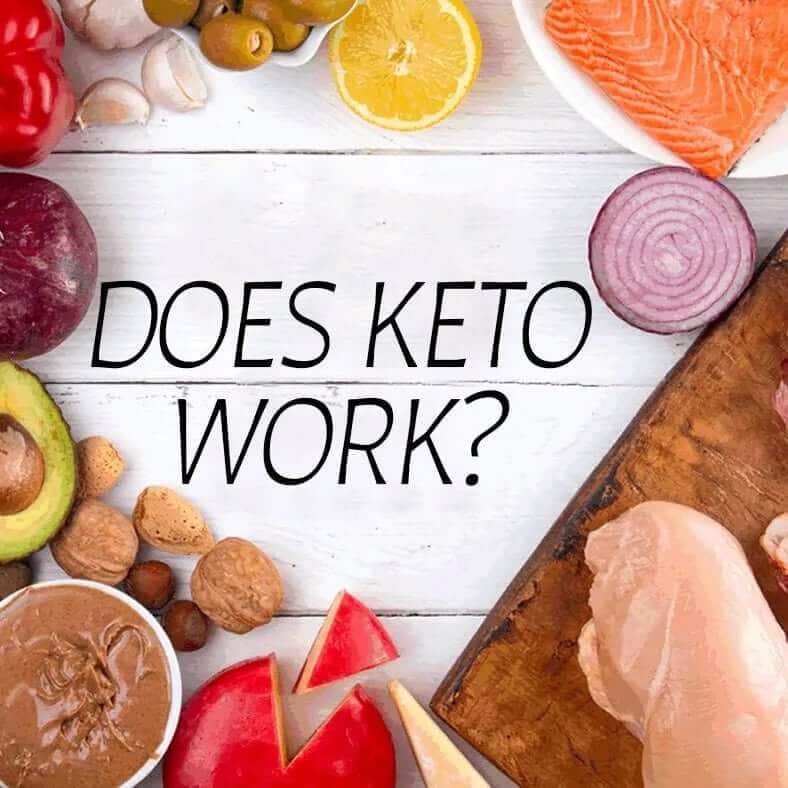

Quick Answer: Yes, keto can work for weight loss — particularly in the first three to six months, and especially for people with obesity, type 2 diabetes, or metabolic syndrome. But long-term studies show the advantage over other calorie-matched diets shrinks significantly, and adherence is the real challenge. Keto is a tool, not a magic switch.
To keto or not to keto? It's the most common diet question I get, and the honest answer is: it depends on what you're trying to do, and for how long.
Keto's reputation oscillates between miracle solution and dangerous fad, and neither extreme is quite right. The research has matured enough — including several 2024 meta-analyses — that we can actually answer this question with some precision instead of vibes. Here's where the evidence actually lands.
How the Keto Diet Actually Works
The ketogenic diet, as described by the Harvard School of Public Health, is a high-fat, very low-carbohydrate eating pattern: roughly 70 to 75% of calories from fat, 15 to 20% from protein, and 5 to 10% from carbohydrates. In practical terms, that means keeping total carbs below 20 to 50 grams per day — about one apple's worth.
When carb intake drops that low, the body runs out of its preferred fuel (glucose) and starts breaking down fat into molecules called ketones. The liver converts those ketones into usable energy for the brain and muscles. This metabolic state is called ketosis, and most people reach it within two to seven days of consistent carb restriction. Full "fat-adaptation" — where the body actually runs efficiently on fat — takes another two to four weeks.
Originally developed in the 1920s to treat pediatric epilepsy, the ketogenic diet has since been studied for a wide range of conditions including type 2 diabetes, polycystic ovary syndrome (PCOS), and certain neurological disorders. Weight loss is now its most popular use — but it isn't its strongest application.
Does It Actually Work for Weight Loss?
Short answer: yes, especially early on.
A 2024 meta-analysis of 11 randomized controlled trials in women with obesity and PCOS found significant reductions in body weight, BMI, and waist circumference on ketogenic diets compared to standard control diets. A 2024 meta-analysis published in the American Journal of Clinical Nutrition looking at cardiovascular risk factors also found improvements in HDL cholesterol, triglycerides, and blood pressure for many participants on keto.
But context matters. A lot of the early weight loss on keto isn't fat — it's water. Each gram of stored glycogen holds about three grams of water, and once you deplete glycogen, that water leaves with it. That's why people often drop five to ten pounds in the first week and then watch the scale slow down dramatically.
The bigger question is what happens at six and twelve months. When researchers compare keto against calorie-matched low-fat diets at one year, the advantage shrinks to about 0.9 kg (roughly two pounds) — meaningful, but not the dramatic difference keto's marketing suggests. The famous DIETFITS trial published in JAMA found no significant difference between low-carb and low-fat diets at 12 months when calories matched.
The practical takeaway: keto works in large part because it makes calorie restriction easier. Cutting carbs reduces appetite-stimulating hormones, the high-fat content keeps people full, and the lack of "snackable" foods naturally lowers intake. For people who struggle with hunger and cravings on a standard diet, that effect is real and useful. For people who already do well with portion control, keto doesn't offer much additional magic.
The Catches: Side Effects, Lipids, and Adherence
Keto isn't free. The first one to two weeks usually bring some version of keto flu — headaches, fatigue, brain fog, irritability, muscle cramps — driven almost entirely by electrolyte loss. When insulin drops, the kidneys excrete more sodium, and potassium and magnesium follow. Salting food more liberally, drinking bone broth, and supplementing magnesium typically resolves it within a few days. Most people who quit keto in the first two weeks quit because of this, not because of hunger.
Cholesterol response varies a lot. For many people, HDL rises and triglycerides drop substantially — both favorable. But a meaningful subset (often lean, active people called "lean mass hyper-responders") see significant LDL increases on keto, sometimes 50% or more. Whether that elevated LDL carries the same cardiovascular risk as elevated LDL in someone eating a standard diet is genuinely debated in the cardiology community. If you're going to do keto for more than a few months, get baseline bloodwork and recheck at three months.
Adherence is the real killer. A 2024 review of ketogenic therapy programs found mean adherence rates of about 64% at one year and 38% at three years. Strict carb restriction is socially demanding — birthday cake, restaurant menus, family dinners, traveling, holidays all become friction points. The best diet in the world doesn't help if you can't actually follow it. This is why most successful keto outcomes involve a planned transition to a sustainable lower-carb pattern (typically 75 to 130 grams of carbs per day) after the initial weight-loss phase.
Other concerns to know: constipation is common (fiber drops when fruit and whole grains disappear; load up on non-starchy vegetables and consider a fiber supplement). Some people develop gallbladder issues with sustained high fat intake. And keto is generally not appropriate during pregnancy, for people with kidney disease, or for anyone with a history of disordered eating.
Who Keto Actually Fits (and Who It Doesn't)
Strong candidates for keto: People with obesity who haven't had success with standard calorie restriction, people with type 2 diabetes or insulin resistance (where carb reduction directly addresses the underlying issue), people with PCOS, people who genuinely struggle with hunger and cravings on lower-fat diets, and people with refractory epilepsy or specific neurological conditions where keto has a clear therapeutic role.
Probably not a fit: Endurance athletes whose performance depends on high-carb fueling (though this is less black-and-white than it used to be — see our complete guide to low-carb eating for exercise for the nuanced picture). Anyone with significant kidney disease, gallbladder issues, or a history of eating disorders. Pregnant or breastfeeding women. People who love bread and pasta enough that giving them up will make life miserable — sustainability matters more than the perfect macro split.
The honest middle position is that keto is one effective tool among several. Mediterranean-style eating, structured calorie deficits with higher protein, and intermittent fasting all produce comparable results in the long-run studies. The best diet is the one you'll actually stick to, that supports the rest of your life, and that your bloodwork agrees with.
If you're going to give keto a try, do it with structure. Plan for the electrolyte adjustment, build meals around real food (not "keto-labeled" processed snacks loaded with seed oils and sugar alcohols), and have a transition plan for what comes after the weight loss phase. Our top 10 keto-approved foods and what not to eat on keto guides cover the food side; for people who don't want to navigate every menu choice, the Build-a-Meal Plan lets you filter by carb count to surface keto-friendly options, and our Curated Meal Plans include pre-built options for low-carb eaters who'd rather not assemble it themselves.
Frequently Asked Questions
How many carbs do you eat on keto?
Most keto plans cap total carbs at 20 to 50 grams per day — low enough to keep insulin down and shift the body into ketosis. The 20-gram end gets people there fastest; the 50-gram end is easier to sustain. Above 50 grams, most people will drop out of ketosis.
How long does it take to enter ketosis?
For most people, two to seven days of consistent carb restriction (under about 50 grams a day) is enough to start producing measurable ketones. Full fat-adaptation — the metabolic shift where the body runs efficiently on fat — typically takes two to four weeks.
What is the keto flu and how do you avoid it?
Keto flu is the cluster of symptoms — headaches, fatigue, brain fog, irritability, muscle cramps — that hits in the first one to two weeks of carb restriction. It's almost entirely caused by electrolyte loss as insulin drops and the kidneys excrete more sodium. Eating salt, drinking broth, and supplementing potassium and magnesium typically resolves it.
Does keto raise cholesterol?
It can. Most people see HDL (good cholesterol) rise and triglycerides drop, which is favorable. But a meaningful subset of people — sometimes called lean mass hyper-responders — see significant increases in LDL cholesterol on keto. Get baseline bloodwork and recheck after three months if you're considering long-term keto.
Can you do keto long-term?
Some people do, but adherence drops sharply over time. Research on therapeutic keto programs found mean adherence around 64 percent at one year and 38 percent at three years. For most people, keto works best as a short-to-medium-term tool for weight loss or metabolic reset, then transitions to a sustainable lower-carb pattern.
The Bottom Line
Keto works — within limits. It produces faster early weight loss than most diets, genuinely helps people with insulin resistance and PCOS, and reduces appetite for many users. But the long-term advantage over other well-constructed diets is smaller than the headlines suggest, the side effects are real, and the sustainability is a genuine challenge for most people. Use it intentionally, watch your bloodwork, plan your transition, and don't treat it as a permanent identity. The diet you'll actually follow always beats the perfect diet you won't.