Quick Answer: In 2026, Cava and Chipotle are usually the easiest fast-casual chains for a healthier order because their build-your-own bowls make it simple to prioritize protein and vegetables. Taco Bell is a strong budget option when you use Fresco Style. The biggest mistake usually isn’t the restaurant—it’s the add-ons (cheese, creamy sauces, wraps, bread bowls, and combo sides) that quietly double the calories.
Table of Contents
The Truth About "Healthy" Fast Food
Fast Food Chains Ranked by Health (2026)
The Healthiest Order at Each Chain
What to Avoid Everywhere
The Real Solution
Quick Reference: Best & Worst at Every Chain
FAQs
References
The Truth About "Healthy" Fast Food
Fast food is often painted with a single brush, but the reality is more nuanced. Some chains genuinely offer nutrient-dense, customizable meals, while others lean on a marketing halo that doesn’t hold up under nutritional analysis. After reviewing full nutrition disclosures from seven major fast food chains, one pattern was unmistakable: the difference between a healthy fast food meal and an unhealthy one rarely comes down to the restaurant. It comes down to the ordering strategy.
Calories, sodium, protein density, ingredient quality, and portion distortion matter far more than branding. A “healthy” chain can hand you a 950-calorie bowl, and a burger chain can serve you a balanced 350-calorie meal — it all depends on what you actually order. This guide ranks the major chains on the factors that genuinely move the needle: ingredient quality, customization flexibility, protein-to-calorie ratio, sodium exposure, and how people realistically order in the drive-thru. Whether your goal is weight loss, metabolic health, or simply making better choices on the road, you’ll know exactly what works and what doesn’t.
Fast Food Chains Ranked by Health (2026)
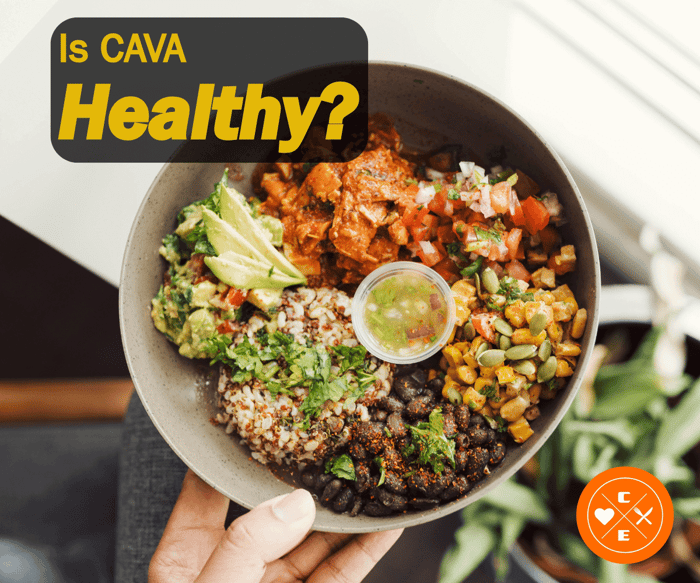
1. Cava — Best Overall. Cava ranks first because its default ingredients are genuinely nutritious: vegetables, olive-oil-based dressings, lean proteins, and whole grains. A typical grilled chicken salad bowl lands between 450–550 calories with 35g+ protein, making it one of the strongest protein-per-calorie options in fast food. The things to watch are the pita bread (320 calories), Crazy Feta (very high sodium), and the Crispy Falafel Bowl, which climbs to 955 calories. Read our full Cava nutrition breakdown →
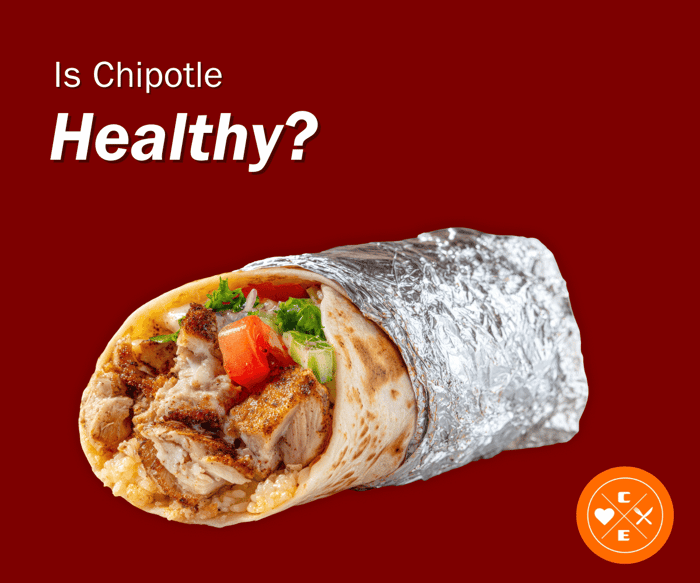
2. Chipotle — Best for Customization. Chipotle’s build-your-own model allows excellent calorie control, if portions are managed. A chicken salad bowl without rice can stay under 500 calories with 30g+ protein. The common pitfalls are predictable: choosing a burrito instead of a bowl, doubling the rice, and stacking cheese, sour cream, and a tortilla, which together can add 500+ calories before you’ve touched the protein. Read our full Chipotle nutrition breakdown →
3. Taco Bell — Best Value for Healthy Eating. Taco Bell is a consistent surprise in nutrition analysis. Its Fresco Style option removes cheese and sour cream, dramatically cutting calories and fat: two Fresco soft tacos come in around 280 calories, and the Chicken Power Bowl without avocado ranch lands at roughly 470 calories with 27g protein. What sinks an order here is the indulgent end of the menu — grilled cheese burritos, Nachos BellGrande, and combo boxes. Read our full Taco Bell nutrition breakdown →
4. Chick-fil-A — Best for Grilled Protein. Chick-fil-A offers some of the best fast-food grilled chicken available, with the 8-piece Grilled Nuggets delivering 130 calories and 25g protein — one of the leanest protein hits on any menu. The main issue is sodium and sauces: many entrées exceed 1,500 mg sodium, and each sauce packet adds about 140 calories. Read our full Chick-fil-A nutrition breakdown →
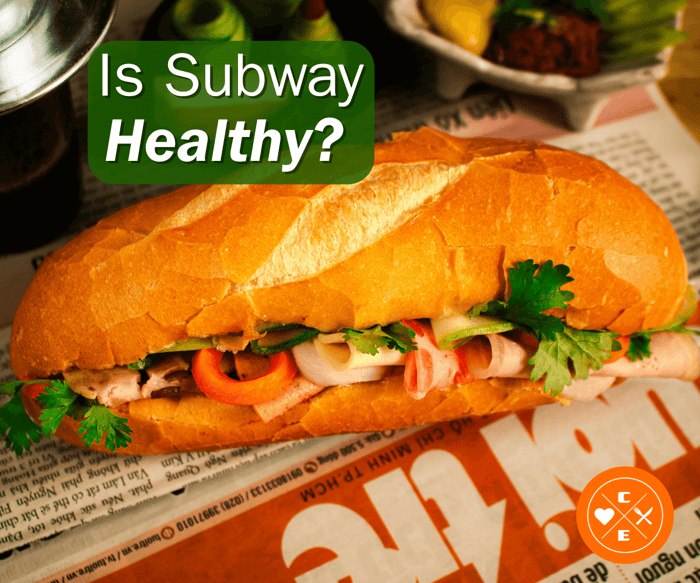
5. Subway — Largest "Health Halo" Gap. Despite the “Eat Fresh” marketing, Subway meals often mirror burger-chain calories. Footlongs range from 520 to over 1,100 calories, and wraps are frequently worse than the sandwiches they replace, reaching up to 1,590 calories. Healthy options do exist, but only with restraint: a 6-inch Veggie Delite or 6-inch Turkey, with mustard instead of creamy sauces, keeps things in check. Read our full Subway nutrition breakdown →
6. Panera — Biggest Perception vs. Reality Problem. Panera has one of the widest gaps between its health image and its nutrition data. The Broccoli Cheddar Bread Bowl runs about 890 calories and 2,350 mg sodium, and many of the salads exceed 1,500 mg sodium on their own. Safer options are limited to a handful of menu items and require intentional ordering. Read our full Panera nutrition breakdown →
7. McDonald’s — Most Dependent on Strategy. Individual items aren’t always disastrous — a plain Hamburger is 250 calories and an Egg McMuffin is 310 — but combo meals push totals past 1,100 calories fast. With salads and several lighter items no longer widely available on the U.S. menu, healthier choices are more limited, which makes portion and side strategy even more important here than anywhere else. Read our full McDonald’s nutrition breakdown →
Method note: Nutrition varies by location and changes over time. The examples in this guide are based on each chain’s published U.S. nutrition information reviewed in February 2026. Use the chain’s own nutrition calculator for the most accurate totals, especially when adding sauces, sides, or “double” portions.
The Healthiest Order at Each Chain
If you’re eating at these chains, these are the smartest, most consistently balanced choices in terms of calories, protein, and overall nutrient quality.
Cava: Salad bowl with grilled chicken or steak, tzatziki, hummus, vegetable toppings, and yogurt dill dressing (≈450–550 calories, 33–35g protein).
Chipotle: Salad bowl with chicken, black beans, fajita vegetables, fresh tomato salsa, and lettuce (≈400–500 calories, ~32g protein).
Taco Bell: Chicken Power Bowl without avocado ranch (≈470 calories, 27g protein), or two Fresco Style Soft Tacos (≈280 calories, 16g protein).
Chick-fil-A: 8-piece Grilled Nuggets with a side salad and light dressing (≈250 calories, ~28g protein).
Subway: 6-inch Veggie Delite or Turkey on wheat with all vegetables and mustard (≈220–260 calories, 8–18g protein).
Panera: Strawberry Poppyseed Salad with chicken (≈370 calories, 29g protein, ~710 mg sodium).
McDonald’s: Egg McMuffin (≈310 calories, 17g protein) or Hamburger with apple slices (≈265 calories, 12g protein).
Notice the pattern across all seven: lean protein, vegetables, and a deliberate “no” to the creamy add-ons. If you want the full menu of weight-loss-friendly choices beyond the drive-thru, our complete guide to the best foods for weight loss breaks down the staples worth building your week around.
What to Avoid Everywhere
A few categories tend to undermine nutrition goals regardless of which chain you visit, because they add calories and sodium without improving satiety or nutrient quality.
Anything labeled “Loaded,” “Supreme,” or “Deluxe.” These terms are reliable red flags. They almost always signal extra cheese, sauces, bacon, or fried toppings that add 200–400 calories with minimal benefit. A Quarter Pounder is about 520 calories; the Deluxe version jumps to roughly 630 with little added satiety.
Combo meals. Combos are one of the fastest ways to turn a reasonable order into a calorie overload, because the automatic fries and sugary drink typically add 400–800 calories. A Big Mac on its own is ≈580 calories, while the full meal reaches roughly 1,120. Ordering items individually and choosing water is one of the simplest, most effective fixes you can make.
Creamy sauces and dressings. Ranch, mayo-based sauces, and creamy dressings quietly add 100–200 calories per serving. A single Chick-fil-A sauce packet adds about 140 calories, Subway mayonnaise adds roughly 110, and some Panera dressings exceed 200. Ask for sauce on the side, or skip it entirely.
Bread bowls and wraps. Despite their “lighter” image, wraps and bread bowls can be calorie and sodium multipliers. Panera’s Broccoli Cheddar jumps from ≈240 calories in a cup to ≈890 in a bread bowl, with sodium climbing just as sharply — so it’s worth checking the calculator before assuming it’s a lighter swap.
Breakfast menus. Fast food breakfast is one of the hardest menus to keep balanced. McDonald’s Big Breakfast with Hotcakes is about 1,340 calories, and many breakfast sandwiches and burritos land in the 500–700+ calorie range with high sodium once you add cheese, sauces, and a side. Two simpler choices that still fit a balanced approach are the Egg McMuffin and plain oatmeal, especially when you skip sugary drinks and extra add-ons.
Desserts and shakes. These are best viewed as full meals in calorie terms, not small treats. A large McDonald’s shake is around 800 calories, a Chick-fil-A milkshake runs roughly 570–600, and Panera pastries range from 400 to over 800. They offer little nutrition relative to their calorie load and can easily negate an otherwise sensible order.
The Real Solution
Here’s the honest truth: even the healthiest fast food requires constant navigation. Every menu is designed to maximize indulgence, not nutrition. The healthiest chains still offer items north of 900 calories, while the least healthy chains can still produce meals under 300 if you order carefully. That’s why consistency — not perfection — is the real challenge.
If you’re serious about eating well over time, the most reliable strategy is controlling your food environment rather than relying on willpower at the drive-thru. That’s the entire idea behind Clean Eatz Kitchen’s build-a-meal plans: portion-controlled, macro-balanced meals with transparent nutrition and no guesswork. You can use the goal filter to narrow to weight-loss-friendly options or the high protein filter to surface 35g+ meals — the math is already done, with no hidden sodium spikes, oversized portions, or upsells that quietly turn a reasonable choice into a calorie overload.
For moments when you’re near a Clean Eatz café, our high-protein grab-and-go meals offer the same convenience as fast food, but with ingredients and portions that actually support long-term health goals. Fast food can absolutely work in a pinch — but building your routine around it, even at so-called “healthy” chains, means constantly swimming against menus designed to make you eat more. The path of least resistance leads to better outcomes when your default options are already aligned with your goals.
Quick Reference: Best & Worst at Every Chain
Cava
Best: Steak Mezze Salad (≈495 cal, 33g protein)
Worst: Crispy Falafel Bowl (≈955 cal, 58g fat)
Chipotle
Best: Chicken salad bowl, no rice (≈400–500 cal, 32g protein)
Worst: Loaded burrito with everything (1,500+ cal, ≈2,500 mg sodium)
Taco Bell
Best: Fresco Style Soft Tacos, 2x (≈280 cal, 16g protein)
Worst: Double Steak Grilled Cheese Burrito (≈920 cal, 2,170 mg sodium)
Chick-fil-A
Best: Grilled Nuggets 8-piece (130 cal, 25g protein)
Worst: Cobb Salad with dressing (≈1,090 cal, 2,090 mg sodium)
Subway
Best: 6-inch Veggie Delite (≈220 cal, 360 mg sodium)
Worst: Chicken & Bacon Ranch Wrap (≈1,590 cal, 3,930 mg sodium)
Panera
Best: Strawberry Poppyseed Salad with chicken (≈370 cal, 710 mg sodium)
Worst: Broccoli Cheddar Bread Bowl (≈890 cal, 2,350 mg sodium)
McDonald’s
Best: Hamburger (250 cal, 12g protein) or Egg McMuffin (310 cal, 17g protein)
Worst: Big Breakfast with Hotcakes (≈1,340 cal, 2,070 mg sodium)
FAQs
What is the healthiest fast food restaurant?
Cava and Chipotle consistently rank as the healthiest mainstream fast food chains due to their build-your-own format, whole-food ingredients, and strong protein options. Taco Bell is surprisingly diet-friendly when ordering Fresco Style items. Chick-fil-A offers high-quality grilled protein but tends to run high in sodium. In contrast, Subway, Panera, and McDonald’s require much more careful ordering to keep calories and sodium within reasonable limits.
What should I order at fast food to lose weight?
The most weight-loss-friendly fast food choices focus on lean protein, vegetables, and minimal added fats. Examples include Cava salad bowls with grilled chicken (around 450–550 calories), Chipotle salad or burrito bowls with no rice (generally under 500 calories), Taco Bell Chicken Power Bowls or Fresco Style tacos, Chick-fil-A Grilled Nuggets (130 calories for an 8-piece), and Subway 6-inch turkey or veggie subs (typically under 300 calories). To stay in a calorie deficit, avoid combo meals, creamy sauces, and items labeled “supreme,” “deluxe,” or “loaded.”
Which fast food has the lowest calories?
Some of the lowest-calorie options at major chains include McDonald’s Hamburger (250 calories), Taco Bell Fresco Soft Taco (140 calories), Chick-fil-A Grilled Nuggets (130 calories for an 8-piece), and Subway’s 6-inch Veggie Delite (220 calories). By contrast, Panera and most fast-food breakfast menus tend to be significantly higher in both calories and sodium, even when portions appear moderate.
What fast food is high in protein but low in calories?
Fast food items with the best protein-to-calorie ratio include Chick-fil-A Grilled Nuggets (130 calories, 25g protein), Taco Bell Chicken Power Bowl without avocado ranch (≈470 calories, 27g protein), Cava salad bowls with steak (approximately 495 calories, 33g protein), Chipotle chicken salad bowls (under 500 calories with about 32g protein), and Subway’s 6-inch Rotisserie Chicken (around 310 calories, 24g protein). Breaded proteins and creamy sauces reduce protein efficiency by adding calories without improving satiety.
Which fast food has the most sodium?
The highest-sodium fast food items are often found at chains perceived as “healthier.” Panera bread bowls frequently exceed 2,000 mg of sodium, Subway footlong Italian BMT sandwiches can reach over 3,000 mg, McDonald’s Big Breakfast with Hotcakes contains about 2,070 mg, Chipotle loaded burritos often exceed 2,500 mg, and Chick-fil-A’s Spicy Deluxe Sandwich reaches roughly 1,750 mg. In many cases, a single fast food meal can exceed the recommended daily sodium intake, making customization and portion control essential.
For comprehensive guidance on foods that support weight loss, see our complete guide to the best foods for weight loss, or browse our curated meal plans built for specific goals.
References
CAVA — Nutrition & Allergen Guide (Jan 2026)
Chipotle — Nutrition Calculator (Accessed Feb 2026)
Chipotle — U.S. Nutrition Facts (Accessed Feb 2026)
Taco Bell — Nutrition Calculator (Accessed Feb 2026)
Chick-fil-A — Nutrition & Allergens (Accessed Feb 2026)
Subway — U.S. Nutrition Information (Sep 2025)
Subway — U.S. Product Ingredient Guide (Jan 2025)
Panera — Nutrition Guide (Jan 2026)
McDonald’s — Nutrition Calculator (Accessed Feb 2026)
Disclaimer: This article is for educational purposes only and does not replace medical or personalized nutrition advice.