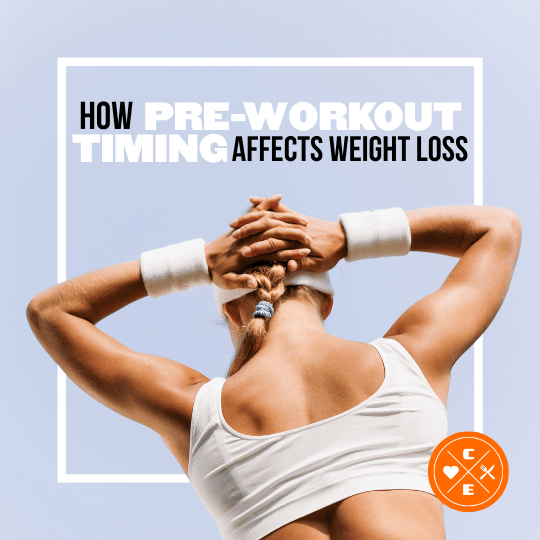
Quick Answer: The best pre-workout timing for weight loss is the schedule that helps you train well while staying within your daily calorie target. Most people do best with a balanced meal 2–3 hours before exercise, a lighter carb-and-protein snack 60–90 minutes before, or easy-to-digest carbs 30–60 minutes before training. For short, low-intensity morning workouts, fasted exercise can be fine if you tolerate it—but it is not automatically more effective for fat loss.
Last reviewed & updated: April 28, 2026
Why Pre-Workout Timing Matters for Fat Loss
What you eat before a workout matters, but when you eat can also influence how your body feels during training.
For weight loss, the foundation is still your overall calorie balance. To lose body fat, you need to use more energy than you consume over time. Exercise supports that process by increasing calorie expenditure, improving fitness, and helping you maintain weight loss over the long term.
Pre-workout timing fits into that bigger picture because it can affect workout quality. If you train underfueled, you may feel tired earlier, reduce your intensity, or cut the session short. If you eat too much too close to exercise, you may feel sluggish, nauseated, or uncomfortable.
The goal is to give your body enough fuel to move well, train consistently, and still stay within your daily calorie target.
For a comprehensive breakdown of how exercise fits into your weight loss plan, check out our Complete Exercise Guide for Weight Loss.
Complete Exercise Guide.
Get our free guide — all the info you need on exercising, all in one place.
How to Time Your Pre-Workout Meals
Think of pre-workout timing in three windows. Each one calls for a slightly different approach.
Two to three hours before exercise is usually a good window for a complete meal. At this point, your body has time to digest a mix of carbohydrates, protein, vegetables, and a moderate amount of fat. A meal like grilled chicken with rice and roasted vegetables, salmon with sweet potato and a side salad, or a turkey wrap with fruit can provide steady energy without sitting too heavily in your stomach.
If you are eating 60–90 minutes before exercise, choose something lighter. Your body still needs fuel, but a full meal may be too much. Greek yogurt with berries, toast with cottage cheese, a small turkey wrap, or a fruit smoothie with protein can work well here. These options provide carbohydrates for energy and protein to support muscle maintenance during weight loss.
If you are eating 30–60 minutes before exercise, keep it simple. Choose quick-digesting carbohydrates, such as a banana, applesauce, dates, pretzels, a rice cake with honey, or half a bagel with jam. If you want protein, keep it light, such as a small shake. Avoid large amounts of fat or fiber right before training, since they slow digestion and may cause stomach discomfort.
Morning Workouts: To Eat or Not to Eat?
Morning workouts are tricky because most people do not want to wake up at 4 a.m. just to eat before a 6 a.m. gym session.
For short, low- to moderate-intensity cardio, fasted training can work well for some people. If you feel good, have stable energy, and do not get lightheaded, you may not need a pre-workout snack.
But fasted training is not a magic fat-loss shortcut. Research suggests fasted exercise may increase fat oxidation during the workout, but that does not automatically mean greater long-term weight loss. What matters most is the total pattern: calorie intake, protein intake, training consistency, sleep, recovery, and how well you can perform.
If you are doing high-intensity intervals, strength training, or longer workouts, skipping food may backfire. Even a small snack—half a banana, a few dates, or a small glass of diluted juice with water—15–30 minutes before training can help you feel stronger and more focused.
Pay attention to your body. If you feel dizzy, shaky, unusually fatigued, or you dread morning workouts because you feel drained, try adding a small pre-workout snack and compare your performance.
People with diabetes, blood sugar regulation issues, a history of disordered eating, or those who are pregnant or taking medications that affect blood glucose should get personalized guidance before training fasted.
What to Eat for Different Timing Windows
The closer you get to your workout, the simpler your food should be.
When you have 2–3 hours before training, build a balanced meal around lean protein, carbohydrates, and vegetables. Add a small to moderate amount of healthy fat if it sits well with you. Examples include oatmeal with Greek yogurt and berries, chicken with rice and vegetables, or a whole-wheat wrap with turkey and fruit.
When you have 60–90 minutes before training, shift toward a smaller snack that is easier to digest. Carbohydrates should be the main focus because they help fuel moderate- to high-intensity exercise. Protein can help support muscle repair and maintenance, especially during weight loss. Good options include Greek yogurt with fruit, cottage cheese with pineapple, toast with turkey, or a smoothie with protein powder and berries.
When you have only 30–60 minutes before training, keep it mostly to quick-digesting carbs. Try a banana, applesauce, pretzels, a rice cake with honey, or half a bagel with jam. This is not the time for a huge salad, a greasy meal, or a high-fat snack.
For more guidance on which foods support weight loss best, see our Complete Guide to the Best Foods for Weight Loss.
Common Pre-Workout Timing Mistakes
One of the biggest mistakes is assuming that training on an empty stomach always burns more fat. Fasted exercise can increase fat use during the session, but fat oxidation during one workout is not the same as losing more body fat over weeks or months. If training fasted makes your workout shorter, weaker, or harder to stick with, it may not help your weight loss plan.
Another mistake is eating too much too close to exercise. A heavy meal right before training can leave you sluggish, nauseated, or uncomfortable because your body is trying to digest food while also supporting exercise.
A third mistake is choosing foods that are too high in fat or fiber right before movement. Big salads, large servings of beans, fried foods, avocado-heavy meals, or snacks with a lot of nut butter can be healthy in other contexts, but they may not be ideal right before a workout.
Finally, do not underfuel all day just because your goal is weight loss. Sustainable fat loss is easier to maintain when you can train consistently, recover well, and preserve lean muscle. Adequate protein and resistance training are especially important for protecting muscle during a calorie deficit.
Personalizing Your Approach
These timing guidelines work for many people, but your body may need something slightly different.
Start with a simple baseline: eat a light carb-and-protein snack about 60–90 minutes before training. Then adjust based on how you feel.
If you feel heavy or bloated during exercise, eat earlier or reduce the size of the snack. If you run out of energy halfway through, move your snack closer to training or add a small amount of easy-to-digest carbohydrates. If you feel great training fasted for short morning cardio, you may not need to change anything.
The workout type matters too. Heavy lifting, squats, deadlifts, HIIT, and longer endurance sessions usually require more pre-workout fuel than a short walk or easy bike ride. Core-intensive movements may also feel better when you allow more digestion time.
Keep your food choices consistent while testing timing. That way, you can tell whether the timing—not the food itself—is what makes the difference.
Making It Easy with Prepared Meals
Planning meals around workout schedules takes effort. You have to shop, cook, portion, and time your meals in a way that fits your training.
Clean Eatz Kitchen’s Weight Loss Meal Plan offers portion-controlled meals designed to support calorie control, making them a practical option when you need a balanced meal 2–3 hours before training. The High Protein Meal Plan can be useful for people who need more protein to support muscle maintenance, performance, and recovery. Exact macros vary by meal, so always check the nutrition information for the specific meals you choose.
For last-minute fuel, keep simple snacks on hand: bananas, applesauce cups, rice cakes, pretzels, dates, or protein shakes. Having the right food ready makes it easier to fuel your workout without overthinking it.
The Bottom Line
Pre-workout timing is not about following rigid rules or forcing yourself to eat when it does not feel right. It is about giving your body enough fuel to train well while staying within a calorie deficit over time.
A balanced meal 2–3 hours before exercise works well for many people. A lighter snack 60–90 minutes before is a good option when you are short on time. Quick-digesting carbs 30–60 minutes before can help when you need fast energy without digestive heaviness.
For morning workouts, fasted training can work for short, low-intensity sessions if you tolerate it well. For strength training, HIIT, or longer workouts, a small snack often helps you perform better.
The best approach is the one you can repeat consistently. Start with these guidelines, pay attention to your energy and workout quality, and adjust until you find what works best for your body.
Frequently Asked Questions
What is the best time to eat before a workout for weight loss?
For most people, a balanced meal 2–3 hours before exercise provides enough fuel without feeling too heavy. If you are short on time, a smaller snack 30–90 minutes before training can also work. The goal is to support workout quality while still staying within your daily calorie target.
Should I work out on an empty stomach to burn more fat?
Not necessarily. Fasted exercise may increase fat oxidation during the workout, but that does not automatically lead to greater long-term fat loss. If fasted training feels good and you can train consistently, it can be fine. If it makes you tired, dizzy, or less motivated, a small pre-workout snack may be a better choice.
What should I eat 30 minutes before a workout?
Choose quick-digesting carbohydrates such as a banana, applesauce, dates, pretzels, a rice cake with honey, or half a bagel with jam. Keep fat and fiber low during this window to reduce the chance of stomach discomfort.
Does pre-workout meal timing affect how many calories I burn?
Indirectly, yes. Good timing may help you train harder, longer, or more consistently, which can increase total calorie burn over time. But timing alone does not override calorie balance. Weight loss still depends on your overall intake, activity level, and consistency.
Is a pre-workout snack necessary for weight loss?
No. A pre-workout snack is not mandatory. It depends on your workout type, training time, appetite, and energy levels. If you train well without food, you may not need one. If your workouts feel weak or uncomfortable, experimenting with a small snack may help.
Disclaimer: This content is for educational purposes only and does not replace personalized professional advice.
References
- Centers for Disease Control and Prevention. Physical Activity and Your Weight and Health. Updated April 7, 2026.
- Stratton MT, et al. The Impact of Breakfast Consumption or Omission on Exercise Performance and Adaptations: A Narrative Review. Nutrients. 2025; 17(2):300.
- Kazeminasab F, et al. The effects of acute bouts of exercise in fasted vs. fed states on glucose and lipid metabolism in healthy adults: A systematic review and meta-analysis of randomized clinical trials. Clin Nutr ESPEN. 2025 Apr;66:320-331.
- Cao W, et al. A Review of Carbohydrate Supplementation Approaches and Strategies for Optimizing Performance in Elite Long-Distance Endurance. Nutrients. 2025 Mar 6;17(5):918.
- Casuso RA, Goossens L. Does Protein Ingestion Timing Affect Exercise-Induced Adaptations? A Systematic Review with Meta-Analysis. Nutrients. 2025 Jun 21;17(13):2070.
- Kokura Y, et al. Enhanced protein intake on maintaining muscle mass, strength, and physical function in adults with overweight/obesity: A systematic review and meta-analysis. Clin Nutr ESPEN. 2024 Oct;63:417-426.