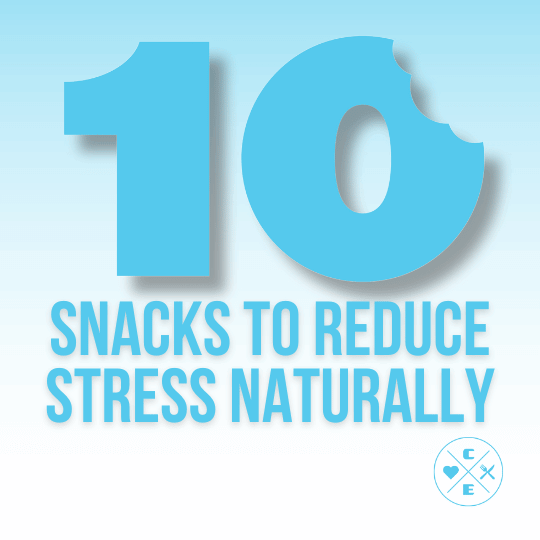
Quick Answer: Stress can increase appetite and make sugary, salty, or high-fat foods feel more rewarding, especially during demanding days. A practical way to snack more intentionally is to choose options that combine protein, fiber, and unsaturated fats—such as nuts, Greek yogurt with berries, or vegetables with hummus. Pre-portioning snacks, eating without distractions when possible, and keeping balanced options within easy reach may also help. For a deeper look at how stress can affect eating patterns, see our guide to cortisol and weight.
Last reviewed & updated: April 1, 2026
We’ve all been there. A deadline is looming, your inbox is overflowing, and suddenly that bag of chips in the break room feels much harder to ignore. Stress can make eating feel more impulsive, and there is real biology behind that shift.
During stressful periods, the body activates a broader stress response that can affect appetite, food reward, and eating behavior. In some people, this may increase the appeal of highly palatable foods, especially those rich in sugar, fat, or salt. That does not mean it is simply a matter of willpower. It means food choices are often shaped by a mix of physiology, habit, environment, and emotional state. The encouraging part is that, once you understand the pattern, it becomes easier to put supportive habits in place instead of reacting on autopilot.
Why Stress Makes You Crave Certain Foods
Stress does not affect eating the same way in everyone, but for many people it can increase the appeal of highly palatable foods—especially those rich in sugar, fat, or salt. Cortisol is one part of that picture, but stress-related eating is also shaped by reward pathways, habits, emotions, and the food environment around us.
That is one reason stressful days can make comfort foods feel especially tempting. These foods are convenient, familiar, and rewarding in the moment, which may help explain why cravings can feel stronger during periods of pressure or emotional strain. At the same time, individual responses vary: some people eat more under stress, while others notice the opposite.
Today’s stressors may look different from physical threats, but modern pressures such as deadlines, financial worries, or relationship tension can still influence appetite, food choices, and eating patterns. For some people, this shows up as stronger cravings, more impulsive snacking, or a greater pull toward energy-dense “comfort” foods.
The goal is not to rely on willpower alone. It is to make stressful moments easier to navigate by having more balanced, satisfying options ready ahead of time. When nutritious snacks are visible, convenient, and pre-portioned, it becomes easier to respond to stress in a way that feels more supportive and less automatic.
What Makes a Snack More Helpful During Stress
Not all snacks feel equally satisfying during stressful days. In general, the most helpful options are the ones that are easy to eat, satisfying enough to hold you over, and built in a way that supports steadier energy rather than a quick rise and crash. Snacks that include protein and fiber, and sometimes a source of healthy fat, can be a practical choice for that.
A useful pattern is to combine protein, fiber, and healthy fats when possible. This type of snack may slow digestion, improve fullness, and make it easier to feel satisfied for longer. Here is the role each part can play:
Protein can help make a snack more filling and satisfying. Think Greek yogurt, cottage cheese, edamame, roasted chickpeas, or a hard-boiled egg.
Healthy fats, especially unsaturated fats from foods like nuts, seeds, avocado, or olive oil, can add staying power and help make a snack feel more satisfying.
Fiber can help slow digestion and support a steadier blood sugar response after eating. Fruits, vegetables, legumes, and whole grains are some of the most practical ways to include it.
Some balanced examples include walnuts or almonds with fruit, Greek yogurt with berries, dark chocolate with a small handful of nuts, or raw vegetables with hummus. These choices are not “perfect” foods, but they can be more satisfying and more balanced than grabbing something sugary or highly processed when stress is running high.
Quick Snack Combinations That Work
When stress is high, simple choices are often the easiest to follow. Keeping a short list of balanced snack combinations in mind can make decisions feel easier in the moment. Snacks that combine protein, fiber, and sometimes healthy fats tend to be more satisfying and may help you stay full until your next meal.
- Avocado on whole-grain crackers — A simple combination of unsaturated fats and whole grains that can feel more satisfying than a refined snack.
- Apple slices with almond butter — Natural sweetness paired with fiber and fat for a more balanced option.
- Cottage cheese with berries — A protein-rich snack with fruit for added fiber and flavor.
- Celery with peanut butter and a few dark chocolate chips — Crunchy, satisfying, and a practical way to include something sweet in a portion-aware way.
- Hard-boiled eggs with cherry tomatoes — A portable option that combines protein with a fresh, easy-to-eat vegetable.
If you want even simpler options, pre-made snacks can be useful on especially busy days. The most helpful choices are usually the ones that offer some combination of protein, fiber, or whole-food ingredients and make it easier to snack with less guesswork.
Portion Control When Stress Is Running the Show
One of the trickier parts of stress eating is how easy it can be to slip into autopilot. It is common to keep eating from a large bag or container without fully noticing how much you have had. That is not a character flaw. Stress, distraction, and large portions can all make it harder to stay aware of hunger and fullness cues in the moment.
A practical way to make snacking feel more manageable is to remove some of the decision-making ahead of time. Pre-portioning snacks when you are calm and thinking clearly can make it easier to eat more intentionally later, especially on busy or stressful days. Smaller packages or divided portions may also create a natural pause before reaching for more.
A few simple approaches can help. You can use your hand as a rough visual guide, portion snacks into individual containers when you bring them home, or avoid eating straight from a large package when possible. These small steps create clearer stopping points and make portions easier to notice.
For quick reference, here are some practical portion ideas for common stress snacks:
| Snack | Portion Size |
|---|---|
| Nuts or seeds | ¼ cup (about a small handful) |
| Fresh fruit | 1 medium piece or about ½ cup cut fruit |
| Nut butter | 2 tablespoons |
| Raw vegetables | 1 cup |
| Greek yogurt | about ¾ cup |
Mindful Eating: Slowing Down When Everything Feels Urgent
Mindful eating may sound unrealistic when you are stressed or rushing through the day, but it can be a helpful way to interrupt eating on autopilot. The core idea is simple: paying closer attention to your food and your eating experience instead of snacking while distracted. Mindfulness-based approaches appear to be especially relevant for emotional eating and eating in response to external or environmental cues.
When you eat more mindfully, you may find it easier to notice hunger, fullness, and satisfaction before eating past the point of comfort. It can also help break the automatic hand-to-mouth pattern that often shows up during stressful moments. Even small changes can be worth practicing over time.
Before you start snacking, try taking a few slow breaths. This brief pause may help you feel more grounded and create a moment to check in with yourself before eating. Slow breathing practices have been associated with reduced stress and shifts in autonomic regulation, although the effect will vary from person to person.
Then, instead of eating straight from the package, place your snack in a bowl or on a plate. This small step can make the eating experience feel more intentional and help you notice what and how much you are eating.
As you eat, slow down enough to taste your food. Notice the texture, temperature, and whether the snack is actually satisfying the craving. Halfway through, pause and ask yourself: Am I still hungry? Am I still enjoying this? Or am I eating automatically? These questions are not about judgment. They are simply a way to build more awareness around your own eating patterns.
For more on developing this skill, our mindful eating guide goes deeper into practical techniques.
Setting Yourself Up for Success
The best time to plan for stress eating is before stress is high. When you feel calm and have a bit more mental space, it becomes easier to stock your kitchen, prep a few simple snacks, and shape your environment in a way that supports more balanced choices later on. A healthy food environment is one in which nutritious options are visible, accessible, and easy to choose.
A little weekly prep can go a long way. Spending even 30 to 45 minutes chopping vegetables, portioning nuts into containers, hard-boiling eggs, or washing fruit can make snacks much easier to reach for during busy weekdays. When stress shows up mid-week, having ready-to-eat options available can reduce the need for extra decisions in the moment.
Your environment matters too. Keeping balanced snacks where you can easily see and reach them may make them more likely to be chosen, while storing less-helpful options out of immediate view can make mindless grabbing less automatic. The goal is not perfection. It is to make the more nourishing choice the easier choice, especially when stress or decision fatigue are already high.
It also helps to have a backup plan. Even with the best intentions, there will be weeks when meal prep does not happen. On those days, simple frozen meals, pre-portioned snacks, or other convenient options can still help you stay consistent without having to start from scratch.
When Snacking Isn't the Answer
Sometimes the urge to snack is about physical hunger, but sometimes it is tied more closely to stress, boredom, fatigue, or feeling overwhelmed. Before reaching for food, it can help to pause briefly and ask what you actually need in that moment. Emotional eating is common, but it does not look the same for everyone, and stress can affect appetite in different ways.
A simple check-in can be useful here: Does this feel like physical hunger, or am I looking for relief, distraction, or comfort? Physical hunger often builds gradually and can usually be satisfied by a range of foods. Emotional hunger may feel more sudden, more specific, or more closely tied to a stressful moment or emotional state. This is not a perfect rule, but it can be a helpful way to build awareness around your eating patterns.
If it seems more emotional than physical, try addressing the feeling first. A short walk, a few minutes of stretching, or stepping outside for fresh air may help shift your state enough to create some distance from the craving. A few slow breaths can help too. Breathwork and slow breathing practices have been associated with reduced stress and improvements in autonomic regulation, although the effects vary from person to person.
If, after checking in, you realize you are genuinely hungry, then snack. The goal is not to avoid eating. It is to respond more intentionally, with an option that feels balanced and satisfying rather than purely automatic.
The Bigger Picture: Stress, Sleep, and Food
Smart snacking during stressful periods is part of a much bigger picture. Sleep, stress, appetite, and food choices all influence one another. When you are not sleeping well, hunger and cravings often feel harder to manage, and some studies have found changes in appetite-related hormones such as higher ghrelin and lower leptin after sleep loss. Even so, the overall pattern is more important than any single hormone: poor sleep is consistently linked with greater hunger, more reward-driven food choices, and higher energy intake in many people.
Chronic stress can also shape eating behavior over time. In some people, it is linked with more impulsive snacking, a stronger pull toward highly palatable foods, and greater difficulty maintaining regular eating habits. In others, appetite may decrease instead. That is why, if stress eating feels like a regular pattern rather than an occasional challenge, it may help to look beyond the snack itself and consider the wider context, including stress load, sleep quality, routines, and emotional coping strategies.
Our sleep and health guide covers how rest can affect appetite and stress resilience. And for a broader look at food choices that support long-term health goals, the Best Foods for Weight Loss pillar article explores practical options in more detail.
The Bottom Line
Stress eating is not a personal failure. It often reflects a mix of biology, habit, environment, and emotional state. The goal is not to handle every craving perfectly, but to make stressful moments easier to navigate with a little more awareness and preparation.
One practical approach is to keep balanced snacks available, portion them ahead of time when possible, and build in a brief pause before eating on autopilot. Snacks that include protein, fiber, and healthy fats are often more satisfying and can make it easier to feel steady between meals.
It can also help to check in with yourself before snacking. Sometimes you are genuinely hungry. Other times, the need may be stress relief, rest, distraction, or a short reset rather than food. That pause alone can make your next choice feel more intentional.
Start small. Choose one or two strategies from this guide and try them this week. Maybe that means portioning snacks ahead of time, keeping fruit and protein-rich options visible, or putting your snack on a plate instead of eating from the package. Small changes are often easier to sustain, and over time they can help create more supportive habits.
And on the days when preparation does not happen, simple backup options can still help. Pre-portioned snacks, balanced convenience foods, or easy freezer staples can make stressful days feel more manageable without having to overthink every choice.
FAQs
Why do I crave junk food when I'm stressed?
Stress can increase appetite and make highly palatable foods—especially those rich in sugar, fat, or salt—feel more rewarding. Cortisol may be part of that response, but stress-related eating is also shaped by habits, emotions, and the food environment around you. Responses vary, so not everyone reacts to stress in the same way.
What are the best snacks for stressful days?
A helpful pattern is to choose snacks that combine protein, fiber, and sometimes healthy fats, because these tend to be more satisfying and may help support steadier energy between meals. Practical examples include nuts with fruit, Greek yogurt with berries, vegetables with hummus, or apple slices with nut butter.
How can I reduce stress eating?
Start with a short pause before snacking and ask whether you feel physically hungry or whether you may be looking for comfort, distraction, or relief from stress. Keeping balanced snacks visible and pre-portioned can help, and simple strategies like taking a short walk or doing a few slow breaths may make the moment feel easier to manage.
How do I control portion sizes when snacking?
Simple visual cues can help, such as using your hand as a rough guide or portioning snacks into containers ahead of time instead of eating straight from the package. The goal is not perfect measuring, but making portions easier to see and easier to stop at when stress and distraction are high.
What is mindful snacking?
Mindful snacking means paying closer attention to your food and your eating experience instead of eating automatically or while distracted. It may help you notice hunger, fullness, and satisfaction more clearly, and mindfulness-based approaches have shown promise for emotional eating and other eating behaviors linked with overeating or eating on autopilot.
Disclaimer: This content is for educational purposes only and does not replace personalized professional advice.
REFERENCES
- Braden A, Ahlich E, Koball AM. Emotional Eating and Obesity: An Update and New Insights. Curr Obes Rep. 2025 Sep 29;14(1):70.
- Betancourt-Núñez A, et al. Emotional Eating and Dietary Patterns: Reflecting Food Choices in People with and without Abdominal Obesity. Nutrients. 2022 Mar 25;14(7):1371.
- Rakha A, et al. Insights into the constellating drivers of satiety impacting dietary patterns and lifestyle. Front Nutr. 2022 Sep 20;9:1002619.
- Machalias A, et al. Cereal Fibers and Satiety: A Systematic Review. Nutr Rev. 2026 Jan 1;84(1):47-68.
- Daley SF, Shreenath AP. The Role of Dietary Fiber in Health Promotion and Disease Prevention: A Practical Guide for Clinicians. Treasure Island (FL): StatPearls Publishing; 2026 Jan.
- Nishi SK, et al. Impact of Nut Consumption on Cognition across the Lifespan. Nutrients. 2023 Feb 16;15(4):1000.
- Morillo-Sarto H, et al. 'Mindful eating' for reducing emotional eating in patients with overweight or obesity in primary care settings: A randomized controlled trial. Eur Eat Disord Rev. 2023 Mar;31(2):303-319.
- Lin J, et al. Associations of short sleep duration with appetite-regulating hormones and adipokines: A systematic review and meta-analysis. Obes Rev. 2020 Nov;21(11):e13051.
- Gresser D, et al. The Impact of Sleep Deprivation on Hunger-Related Hormones: A Meta-Analysis and Systematic Review. Obesities. 2025; 5(2):48.
- Smith J, et al. Emotional Eating Interventions for Adults Living with Overweight or Obesity: A Systematic Review and Meta-Analysis. Int J Environ Res Public Health. 2023 Feb 3;20(3):2722.