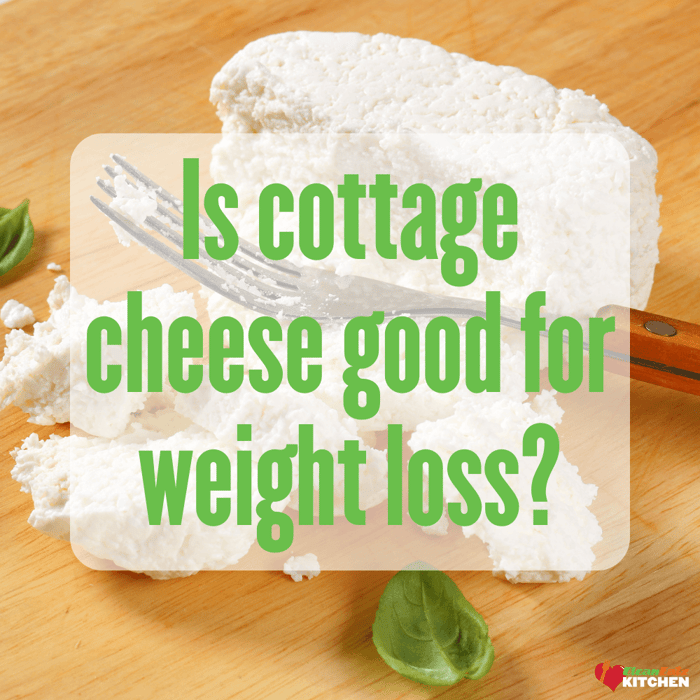
Quick Answer: Yes — cottage cheese can be an excellent addition to a weight loss diet. A half-cup serving of low-fat cottage cheese provides about 12 grams of protein for roughly 90 calories, making it a highly protein-dense food. That protein helps keep you full longer, supports muscle maintenance while you’re in a calorie deficit, and requires zero prep—just open and eat.
Last updated: January 7, 2026
Cottage cheese has been having a moment, and for good reason.
What was once relegated to the diet food aisle of the 1970s is now showing up in viral recipes, fitness influencer feeds, and actual nutrition research as a legitimately effective tool for weight management.
The appeal is simple: cottage cheese delivers a lot of protein without a lot of calories. That matters because protein is the most satiating macronutrient—it keeps hunger at bay better than carbs or fat, calorie for calorie.1 And when you're trying to lose weight, feeling full on fewer calories isn't a nice-to-have; it's the whole game.
For a deeper dive into which foods support weight loss and why, our 100 Best Foods for Weight Loss guide breaks down the science and gives you a complete roadmap.
Nutrition at a Glance
The nutritional profile of cottage cheese shifts based on fat content, so here's what you're working with per half-cup serving:
| Type | Calories | Protein | Carbs | Fat | Sodium |
|---|---|---|---|---|---|
| Nonfat (0%) | ~81 | ~11.7g | ~7.5g | ~0.3g | ~420mg |
| Low-fat (2%) | ~92 | ~11.8g | ~5.4g | ~2.6g | ~348mg |
| Regular (4%) | ~120 | ~12g | ~6g | ~5g | ~350mg |
Source: USDA FoodData Central. Values vary by brand—always check your label.2
Why Cottage Cheese Works for Weight Loss
The reason cottage cheese keeps showing up in weight-loss conversations comes down to three factors that research consistently supports.
- Protein keeps you full. High-protein foods increase satiety more effectively than equivalent calories from carbs or fat. A 2020 systematic review in the journal Physiology and Behavior found that higher protein intake helps regulate appetite hormones like ghrelin, reducing overall hunger throughout the day.3 With 12 grams of protein per half-cup, cottage cheese delivers meaningful satiety for minimal caloric investment.
- Casein supports muscle preservation. About 80% of the protein in cottage cheese is casein, a slow-digesting protein that provides a sustained release of amino acids over several hours.4 This is particularly valuable during weight loss, when preserving lean muscle mass becomes critical. Research published in Frontiers in Nutrition suggests that consuming casein before bed can support overnight muscle protein synthesis—making that late-night cottage cheese snack more than just a craving fix.5
- It's amazingly versatile. You can eat cottage cheese sweet with berries and cinnamon, savory with tomatoes and everything-bagel seasoning, blended into smoothies for extra creaminess, or stirred into scrambled eggs at the last minute. No cooking required. That convenience factor matters because the best diet food is the one you'll actually eat.
Potential Downsides (And How to Handle Them)
Cottage cheese isn't perfect for everyone, but most of the common concerns have straightforward solutions.
- Sodium can add up. A typical serving lands around 15–18% of your daily value for sodium. If you're watching salt intake for blood pressure or other reasons, look for "low-sodium" or "no salt added" varieties, which are increasingly available. Alternatively, balance your other meals to accommodate the sodium hit.
- Lactose may cause issues. Cottage cheese contains more lactose than aged cheeses like cheddar or parmesan, though less than milk. If you're lactose-sensitive, start with a smaller portion (¼ cup) to test tolerance, or opt for the lactose-free versions now offered by several brands.
- Calorie creep from toppings. Cottage cheese is a smart base because it’s filling and high in protein. If your goal is fat loss, just remember that toppings like honey, granola, and nut butter can increase total calories pretty quickly. A simple tip is to portion out your add-ins so you know what you’re getting — for example, 1 tablespoon of honey is about 64 calories, and it’s easy to exceed that if you pour straight from the bottle.
How to Choose the Right Cottage Cheese
Not all cottage cheese is created equal, and the best choice depends on your goals. If you're cutting calories aggressively, nonfat or 1–2% gives you maximum protein for minimum calories. If you prefer richer taste and find it more satisfying, 4% is perfectly reasonable—just account for the extra 30–40 calories per serving.
Check the ingredients list for "live and active cultures" if you want potential probiotic benefits for gut health. And always compare sodium across brands; the difference between a high-sodium and low-sodium option can be 200+ milligrams per serving.
Practical Ways to Eat It
The beauty of cottage cheese is that it works in almost any meal context.
For breakfast, try it in a bowl with fresh berries and a sprinkle of cinnamon—satisfying without the sugar spike of flavored yogurts. On toast, it makes an excellent high-protein spread; add sliced tomatoes, a crack of black pepper, and fresh basil for something that feels more substantial than it is.
Savory applications work just as well. Stir cottage cheese into scrambled eggs right at the end of cooking for added creaminess and protein. Use it as a ricotta substitute in stuffed peppers or lasagna. Blend it into smoothies when you want extra protein without the chalky texture of powder. And for a late-night snack that actually serves a purpose, a half-cup with cinnamon delivers slow-digesting casein protein to support overnight recovery.
For more high-protein breakfast ideas that include cottage cheese and other smart options, check out our 10 Healthy Breakfast Ideas for Weight Loss.
Pairing with Clean Eatz Kitchen
Cottage cheese makes an excellent complement to prepared meals when you're trying to hit protein targets without cooking everything from scratch. Add a half-cup alongside any Clean Eatz Kitchen meal plan entrée to bump up the protein, or pair it with our Overnight Oats for a balanced breakfast that covers both convenience and nutrition.
Frequently Asked Questions
Is cottage cheese actually good for losing weight?
Yes, it can be. Cottage cheese delivers roughly 12 grams of protein per half-cup for only 80–120 calories, depending on fat level. That protein-to-calorie ratio supports fullness and helps preserve lean muscle during a calorie deficit—two factors research consistently links to more successful weight loss.6
Which is better for weight loss: cottage cheese or Greek yogurt?
Both are excellent high-protein dairy options with similar calorie profiles. Greek yogurt often edges slightly higher in protein per serving, while cottage cheese provides a different texture and pairs well in savory dishes. The best choice is whichever one you'll actually eat consistently.
How much cottage cheese should I eat per day for weight loss?
A practical serving is ½ to 1 cup (about 12–24 grams of protein), fitting within the 20–40 gram protein-per-meal range that research suggests optimizes satiety and muscle preservation during weight loss.7
Does cottage cheese have probiotics?
Some brands do. Look for labels that specifically say "live and active cultures." If that phrasing isn't on the container, it likely doesn't contain probiotics.
Can I eat cottage cheese if I'm lactose intolerant?
Often, yes—in smaller portions. Cottage cheese contains less lactose than milk but more than aged cheeses. Start with ¼ to ½ cup to assess tolerance, or choose lactose-free brands now widely available.
The Bottom Line
Cottage cheese is one of those rare foods that actually lives up to the weight-loss hype. High protein, low calories, versatile enough to eat at any meal, and requiring zero cooking—it checks every practical box. The key is choosing a fat level that fits your calorie budget, watching your sodium if that's a concern, and not burying the nutritional benefits under excessive toppings.
For a complete list of foods that support weight loss—including where cottage cheese ranks among 100 options—see our comprehensive 100 Best Foods for Weight Loss guide.
References
1. Moon J, Koh G. Clinical Evidence and Mechanisms of High-Protein Diet-Induced Weight Loss. J Obes Metab Syndr. 2020;29(3):166-173. doi:10.7570/jomes20028
2. U.S. Department of Agriculture. FoodData Central: Cottage Cheese. fdc.nal.usda.gov
3. de Carvalho KMB, et al. Dietary protein and appetite sensations in individuals with overweight and obesity: A systematic review. Physiol Behav. 2020;225:113070.
4. Boirie Y, et al. Slow and fast dietary proteins differently modulate postprandial protein accretion. Proc Natl Acad Sci USA. 1997;94(26):14930-14935.
5. Snijders T, Trommelen J, Kouw IWK, et al. The Impact of Pre-sleep Protein Ingestion on the Skeletal Muscle Adaptive Response to Exercise in Humans. Front Nutr. 2019;6:17. doi:10.3389/fnut.2019.00017
6. Farsi DN, Mathur H, Beresford T, Cotter PD. Cottage cheese, a relatively underexplored cultured dairy product with potential health benefits? Crit Rev Food Sci Nutr. 2025:1-11. doi:10.1080/10408398.2025.2487682
7. Jäger R, Kerksick CM, Campbell BI, et al. International Society of Sports Nutrition Position Stand: protein and exercise. J Int Soc Sports Nutr. 2017;14:20. doi:10.1186/s12970-017-0177-8
Disclaimer: This article is for educational and informational purposes only and is not intended as medical advice. Individual nutrition needs vary. Always consult your physician, registered dietitian, or other qualified healthcare professional before making changes to your diet—especially if you have a medical condition, are pregnant or breastfeeding, take medications, or have a history of disordered eating.