Quick Answer: For weight loss, blending wins because it keeps the whole fruit and vegetable fiber that helps you feel full and satisfied. Juicing removes most of the pulp and fiber, concentrating sugars and making it easier to overconsume calories without fullness. If you enjoy juice, keep portions to 8–12 oz, focus on vegetables, and pair it with protein.
Last updated: January 4th, 2026
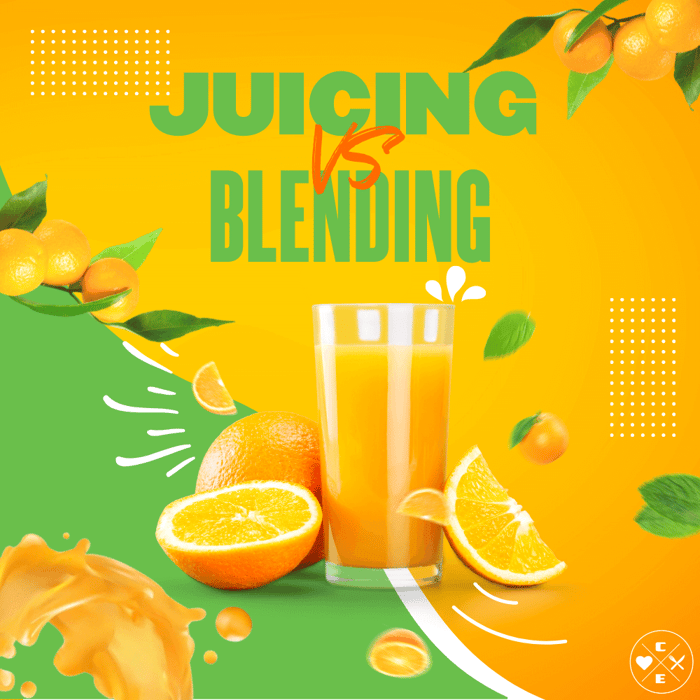
Juicing and blending are often talked about as interchangeable ways to get more fruits and vegetables, but they differ in how they’re processed and how they may affect fullness, blood sugar, and overall nutritional intake.
Below, we break down how juicing and blending compare, when each can fit into a weight-loss plan, and how to build drinks that support satiety and balance.
Juicing vs Blending: What’s the Real Difference?
The key distinction between juicing and blending lies in what happens to the fiber and how quickly the drink is consumed. Understanding these differences can help you decide when each approach makes sense, especially if weight loss is part of your goal.
When you juice, a machine extracts the liquid from fruits and vegetables and discards most of the pulp, the portion that contains fiber. Blending, on the other hand, keeps the entire food intact. All of the fiber, volume, and texture remain in the final drink.
That difference isn’t just technical. It changes how your body responds. Fiber plays an important role in appetite regulation. It slows digestion, helps stabilize blood sugar, and contributes to feelings of fullness after eating.
When fiber is removed, as it is with most juices, those satiety signals are weaker. It’s easy to consume several hundred calories of juice quickly and feel hungry again soon after. For example, drinking 300 calories of apple juice can take less than a minute, while eating three whole apples, the same calories, would be far more filling and difficult to consume in one sitting.
Our Ultimate Guide to Dietary Fiber explains why this nutrient matters so much for weight management.
Here's how they compare at a glance:
| Aspect | Juicing | Blending |
|---|---|---|
| How it works | Extracts liquid, removes most pulp/fiber | Purees whole food, fiber stays in |
| Fullness factor | Lower—less fiber, less volume | Higher—more fiber, thicker texture |
| Typical calories | 8-12 oz: 60-220 depending on ingredients | 12-16 oz: 300-450 when built with protein |
| Best use case | Veggie variety, small quantities when desired | Snack with protein |
Why Blending Is Better for Weight Loss
When weight loss is the goal, feeling satisfied on fewer calories makes a meaningful difference. Compared with juicing, blending can be more supportive because it preserves fiber, allows for protein inclusion, and slows how quickly calories are consumed.
First, blending keeps the fiber intact. A smoothie made with berries, spinach, and protein powder still contains the fiber found in those whole foods. Fiber slows digestion, helps stabilize blood sugar, and contributes to longer-lasting fullness. These effects can reduce hunger between meals and help limit cravings.
Second, smoothies make it easier to include protein, which is consistently linked to greater satiety than carbohydrates or fat alone. Adding Greek yogurt or protein powder turns a fruit-based drink into a more balanced option that helps control appetite. This is much harder to achieve with juice, since adding protein often negatively affects texture and taste.
Finally, the thickness of a smoothie naturally slows your consumption. You sip it over 10-15 minutes rather than gulping it in seconds. That extra time allows your brain's satiety centers to register what you're consuming before you finish.
It is also important to note that eating whole fruit is generally more effective for fullness and calorie control than either blending or juicing.
Chewing food takes more time, activates additional satiety signals, and naturally limits how much you eat. For example, eating whole berries or an apple usually leads to fewer calories consumed and greater satisfaction than drinking those same foods in liquid form. Blending can still be a helpful option when convenience matters.
For a complete list of weight loss friendly ingredients to add to your smoothies, check out our 100 Best Foods for Weight Loss guide.
How Juicing Can Still Fit a Weight-Loss Diet
This does not mean juice is inherently bad. It simply requires more intention. Some people genuinely dislike the texture of smoothies, have digestive conditions that make higher fiber intake uncomfortable, or simply enjoy fresh juice and want to include it occasionally.
If you're going to juice, these guidelines keep it weight-loss compatible: Keep portions modest at 8-12 ounces, which is closer to a small glass than a large bottled juice. Aim for a ratio of 2-3 parts vegetables to 1 part fruit; think cucumber, celery, and lemon with just a small apple for sweetness.
Drink juice alongside a protein-rich meal rather than on its own, and treat fresh juice as perishable by refrigerating it promptly and consuming it within 24 to 48 hours.
Building a Weight-Loss Smoothie
Making smoothies can be a creative process. However, if you prefer more structure, here’s a simple formula to follow:
Protein: 15–35 g (protein powder or Greek yogurt)
Fruit: 1 cup (berries, bananas, etc.)
Vegetables: Spinach, kale, celery, etc.
Liquid: 8–12 oz water or unsweetened, low-fat milk (milk provides 8-16 g protein)
Healthy fats (optional): Measured—1 tbsp nut butter or 1 tsp seeds
Most smoothies built this way land between 250 and 450 calories, depending on protein choice and whether fats are included. They provide enough protein and fiber to support fullness without quietly turning into a high-calorie dessert.
The biggest calorie traps come from unmeasured sweeteners, fruit overload, and generous scoops of nut butters or honey. Keeping ingredients intentional makes smoothies a useful tool rather than a weight-loss setback.
Quick Recipes to Get You Started
Veggie-Forward Juice (8-12 oz): Cucumber + celery + lemon + small apple + fresh ginger. This stays under 100 calories while actually tasting good—the apple takes the edge off the vegetables without making it a sugar bomb.
Berry Protein Smoothie (12-16 oz): One scoop protein powder + one cup mixed berries + big handful spinach + cup of unsweetened almond milk. About 280 calories, 25g protein, and enough fiber to keep you satisfied through a busy morning.
Tropical Green Smoothie (12-16 oz): One cup Greek yogurt + half cup pineapple + half cup mango + handful spinach + water to blend. Around 320 calories with 20g protein—tastes like vacation, works like nutrition.
For an even easier option, our Overnight Oats deliver a similar nutritional profile with zero blending required.
Common Mistakes That Sabotage Results
The biggest smoothie mistake is free-pouring high-calorie ingredients. Nut butters, oils, honey, and granola add up quickly, often without you realizing it. A smoothie that seems “healthy” can easily reach 700 calories when peanut butter isn’t measured, honey is drizzled freely, and granola is added by the handful.
Large serving sizes are another common issue that can influence weight loss. Oversized smoothie cups make it easy to drink far more than intended, so it helps to measure your portions and pay attention to how much you’re actually consuming.
Finally, smoothies shouldn’t completely replace whole fruits and vegetables. Chewing food activates additional satiety signals that drinking doesn’t provide, which can help regulate appetite and calorie intake. Use smoothies strategically, and continue to include whole produce throughout the day. Our Best Fruits for Weight Loss guide covers the whole-food options that work best.
Make Nutrition Simple
If tracking smoothie ingredients feels like too much work, our Weight Loss Meal Plan delivers calorie-controlled, protein-rich meals with zero guesswork. Add a simple fruit smoothie as a snack without worrying about whether your main meals are balanced.
Frequently Asked Questions
Is juicing or blending better for weight loss?
Blending is usually better because it keeps all the fiber, which helps you feel full longer. Juice removes the pulp and fiber, making it easier to consume excess calories without feeling satisfied. If you enjoy juice, keep portions small (8-12 oz) and focus on vegetables rather than fruit.
Does blending destroy nutrients?
No—nutrients are largely preserved when you blend and drink soon after. Some oxidation occurs during blending and increases with storage, so enjoying smoothies fresh is best.
Do I need a juice cleanse to detox?
No. Your liver and kidneys already handle detoxification. Juice cleanses often backfire for weight loss because they lack protein and fiber, leaving you hungry and prone to overeating afterward. Focus on balanced meals, adequate hydration, quality sleep, and regular activity instead.
Can a smoothie replace a meal?
Yes, when built correctly. A meal-replacement smoothie should include 15-35 grams of protein, fruit or vegetables, and measured healthy fats. Without protein, a smoothie is just a snack that won't keep you full for long.
How do I keep smoothie sugar low?
Use more vegetables than fruit, choose lower-sugar fruits like berries over bananas and mangoes, measure your portions, skip added honey or syrups, and include protein to balance blood sugar response.
Disclaimer: This article is for general information only and isn't medical advice. Nutrition varies by recipe and individual needs.