Who hasn’t come home after a long day, stomach growling, only to realize there’s nothing healthy ready to eat? A busy schedule is one of the top reasons people resort to quick takeout meals, which are oftenhigh in calories and lead to expanding waistlines. Meal prep for work week lunches and dinners can be a game-changer for those with full calendars. By setting aside time to prepare meals in advance, you can ensure a nutritious home-cooked option is always on hand, even on your busiest days. This article will provide a healthy meal prep plan spanning seven days, along with tips and ideas to make weekly meal prepping efficient and tailored for busy individuals.
Why Meal Prepping Is Worth It
Meal prepping simply means planning and preparing some or all of your meals ahead of time. This practice offers numerous benefits that make it especially worthwhile for busy people. It saves time during the week. Instead of scrambling to cook each day, you can batch-cook and portion out meals in one or two sessions. There are financial perks, too. Cooking in bulk and avoiding last-minute takeout can significantly cut food costs.
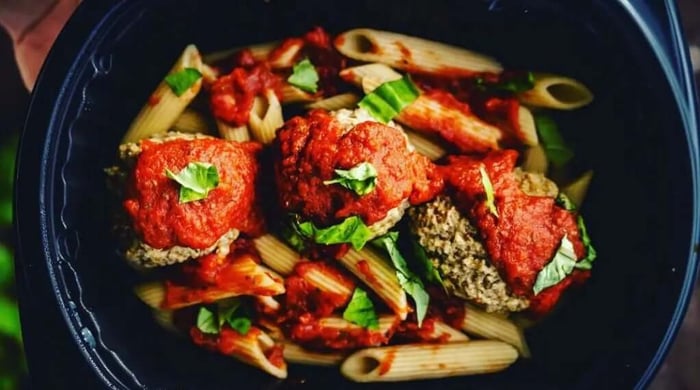
Importantly, meal prep puts you in control of what you eat. When you cook at home, you decide the ingredients and portions, which can lead to healthier choices. By planning balanced, home-cooked dishes, you’re more likely to meet your nutrition goals and less likely to overindulge in sugar, salt, or unhealthy fats. Preparing your own meals also allows you to cater to specific dietary needs or goals, whether it’s weight management, muscle gain, or managing a health condition.
Another big advantage of a weekly healthy meal prep routine is stress reduction. Knowing your meals are ready to go can quickly take a load off your mind during a busy week. You won’t have the last-minute panic of figuring out dinner or the temptation to grab fast food out of convenience. Many people find that having a set meal plan helps them stick to a healthier diet consistently. Over time, this can support better overall health, increased energy, and improved weight management. It’s a lot easier to resist ordering pizza when you know you have a tasty, ready-to-reheat meal waiting in the fridge. Investing a bit of time in meal prep yields huge returns. Balanced meal ideas at your fingertips, less money spent on eating out, controlled portions, and the peace of mind that comes with being prepared.
Planning a Weekly Meal Prep: Key Steps and Ideas
Effective meal prep starts with a good plan. Below are some healthy meal planning ideas and steps to help structure your weekly meal prep plan. Following these steps will ensure your plan is realistic and tailored to your schedule:
-
Choose Your Meal Focus:Decide which meals of the day you need to prep for. You don’t have to prep all your breakfasts, lunches, and dinners for seven days. Consider where preparation will have the greatest impact. Are mornings too hectic to make breakfast? Is lunch a rush at work? Pinpoint your pain points. For many working folks, prepping lunches and dinners for workdays is a priority. This is essentially meal prep for work week days. You might decide to cook dinner every night but prep lunches in advance, or vice versa.
-
Look at Your Calendar:Check your upcoming week for any meals you won’t need or days you’ll eat out. If Friday night you have a work dinner or Saturday is a day out with friends, you can exclude those from your plan. This prevents over-preparing food that might go to waste. Also, identify your busiest days. Those are when you’ll be happiest to have a fully prepared meal on hand. Schedule easier or already-cooked meals on days you know you’ll have zero time, and you can plan to cook slightly more involved recipes on days that are lighter.
-
Start Small if New:If you’re new to easy weekly meal prep, don’t overwhelm yourself by planning seven gourmet dinners right off the bat. It’s perfectly fine to start with just a few days. Starting small helps you learn how much food you need and how long prep actually takes, without burning out in the process.
-
Brainstorm Balanced Meals:Take a few minutes to develop meal ideas that are nutritionally balanced and keep well. A good guideline for balanced meals is to include a source of lean protein, plenty of vegetables or fruits, and some complex carbohydrates, plus healthy fats in moderation. Think about dishes you enjoy that incorporate these elements. Some nutritious ready-made meals for prep include: grilled chicken with roasted broccoli and brown rice, veggie stir-fry with tofu and quinoa, turkey chili with beans and veggies, or baked salmon with green beans and sweet potato. Healthy meal planning ideas might also include theme days to provide a starting point for each day’s meal type. Jot down 4-5 core recipes or dishes you want for the week.
-
Make a Grocery List: Once you decide on your meals, list out all the ingredients you’ll need. Checking your pantry for what you already have can save money. Planning ahead like this helps you shop more efficiently and resist impulse buys. Aim to buy just what you need for the recipes to avoid waste. If possible, consolidate ingredients used in multiple recipes. This is also the time to consider any shortcuts you want to use, like pre-chopped veggies or bottled sauces, and add those to your list.
-
Pick Your Prep Day(s):Decide when you will do the bulk of your cooking and prepping. Many people prefer to do a big session on Sunday afternoon so that the majority of meals for Monday through Wednesday or Thursday are ready. If you have time mid-week, you might do a smaller second prep on Wednesday to finish out the week’s meals. Mark these prep times on your calendar as appointments with yourself.
-
Stay Flexible:Even the best plans can be disrupted by unexpected events. Maybe you planned a meal for Wednesday, but end up having to work late and order takeout that night. That’s okay. You can carry that planned meal over to lunch the next day, or freeze it for later. Build a little buffer into your plan. For instance, have an extra easy meal (like eggs on toast or a can of healthy soup) in your back pocket if you need a quick substitute. The goal of meal planning is to reduce stress, not to create a rigid schedule you must follow without deviation. It’s fine to swap days or make minor tweaks as the week unfolds.
By following these planning steps, you create a roadmap for your week. Planning also reinforces healthy choices. When you’ve thought it through ahead of time, you’re less likely to grab unhealthy options.
Tips for Quick and Efficient Meal Prep
Meal prepping doesn’t have to mean spending an entire Sunday in the kitchen. The key is to streamline your effort and use time-saving strategies. Here are some tips to achieve quick, healthy meal prep sessions and maintain your momentum week after week:
-
Embrace Batch Cooking:Cook staple components in large batches. For example, roast a big tray of mixed vegetables, cook a large pot of brown rice or whole grains, and bake or grill several portions of protein all at once. Batch cooking means you’ll have these building blocks ready to mix-and-match into different meals. It’s much faster to season and cook 4–6 chicken breasts at one time than to cook them individually on different days.
-
Multi-Task in the Kitchen: Efficient meal prep is all about multitasking. While something is baking in the oven, use that time to chop fresh veggies, wash fruit, or prepare a sauce on the stovetop.
-
Use Time-Saving Ingredients: Don’t hesitate to take advantage of healthy convenience products. Pre-washed salad greens, pre-cut vegetables, and canned beans are all nutritious options that save you chopping and cooking time. Frozen fruits and vegetables are also a meal prepper’s friend. Contrary to myth, frozen produce is often just as nutritious as fresh – it’s usually frozen right after harvest, locking in vitamins. If you’re short on time, it’s perfectly fine torely on pre-cut and frozen veggies and bagged salads as part of your plan.
-
Prep Components, Not Just Full Meals:You don’t have to cook every dish to final completion if you prefer fresh-cooked taste. An alternative approach is to prep components. Wash and chop all your veggies and store them in the fridge. Marinate proteins ahead of time, so on the day of cooking, you just have to throw them in the oven or pan.
-
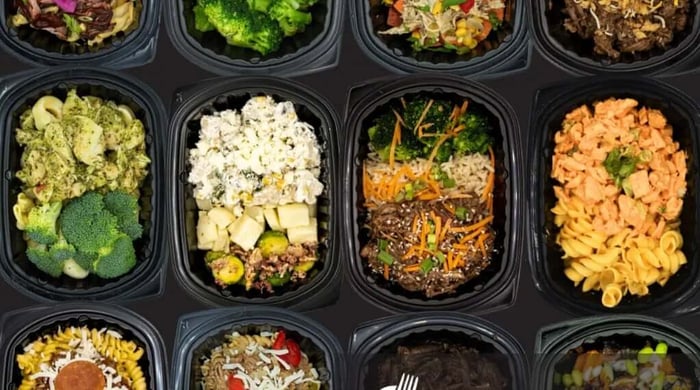
Invest in Quality Containers:Having the right storage containers is essential for meal prep. Use containers that are airtight to keep food fresh. It’s helpful to have a variety of sizes, including single-portion containers for lunches and larger ones for family-size dishes. Clear containers are great because you can see what’s inside. You’re less likely to forget about food if you can see it. Some containers are microwave-safe for easy reheating, and others even have compartments to separate parts of a meal. Additionally, consider using mason jars for salads or for overnight oats. Good containers prevent leaks and keep foods from getting soggy, making your prepped meals more appetizing when it’s time to eat.
-
Label and Date Everything: After you finish prepping and portioning meals or ingredients, label the containers with the contents and the date prepared. This helps you keep track of how long something has been in the fridge or freezer, so you use it within safe time frames.
-
Food Safety First:On the topic of freshness, remember that meal prep should still obey food safety guidelines. Cooked meals don’t last forever in the fridge. Generally, most prepared foods will keep well for about 3-4 days under refrigeration (40°F or 4°C or below), after which quality and safety begin to decline. This means if you do a big cook on Sunday, plan to eat those meals by mid-week. If you need to prep for a full 7 days, use your freezer for items intended for later in the week. For example, you can refrigerate meals for Mon–Thu and freeze Friday’s and Saturday’s portions immediately, then thaw them a day before use. Freezing extends storage significantly. Also, cool foods properly before freezing (but don’t leave them at room temperature for too long). When reheating, ensure you heat foods thoroughly for safety. These practices will keep your prepared meal plans not only convenient but also safe to enjoy.
-
Plan for Snacks and Breakfast:Don’t forget about the smaller meals. Prepping isn’t just for dinners and lunches. If you tend to rush in the morning, consider preparing breakfast for the week too. Easy weekly meal prep ideas for breakfast include overnight oats, egg muffins, or smoothie packs.
By applying these tips, meal prepping will become more streamlined and sustainable. The goal is to create a 7-day meal prep that fits into your life with minimal hassle.
Sample 7-Day Healthy Meal Prep Plan
This plan assumes you’ll do a primary cooking session on Sunday and a smaller prep on Wednesday. Of course, you can adjust based on your availability. The idea is to prepare multiple meals in advance and also repurpose leftovers creatively so you don’t spend time cooking from scratch each day.
The specifics of what you eat will depend on your preferences and dietary needs, but the principles remain: cook in batches, reuse components creatively, and use your freezer to extend the shelf life of meals. With a bit of practice, you’ll find this routine saves you time and ensures you always have healthy meal planning ideas in action, even on the craziest days.
When to Consider Prepared Meal Delivery Services
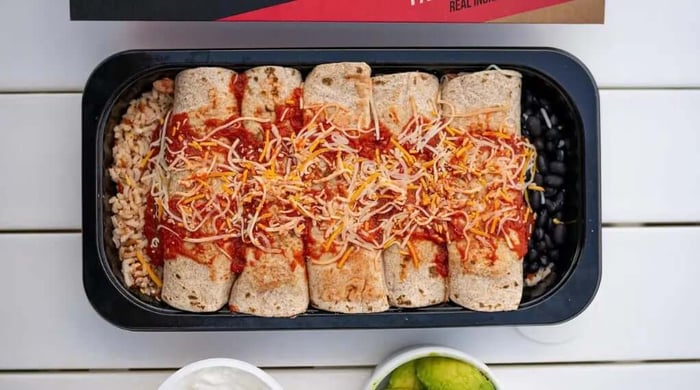
Despite our best intentions, some weeks are so busy that even a quick meal prep session can be hard to squeeze in. Maybe you’re traveling, swamped with work deadlines, or just need a break. In such cases, using an already prepared meal delivery service can be a smart way to stay on track with healthy eating without cooking. These services send fully cooked, ready-to-eat meals to your door. It’s essentially outsourcing your meal prep for the week. Many companies offer plans with a menu of dishes you can choose from, often designed by chefs or dietitians.
Using a meal delivery service isn’t “cheating.” It’s a convenient option, and it can complement your own cooking. For example, you might cook three days’ worth of meals and order prepared meals for the other two days when you know you’ll have no time. The best cooked meal delivery service options prioritize fresh, quality ingredients and balanced nutrition, which is exactly what you want as a busy but health-conscious individual. Look for services that offer a variety of cuisines and allow customization for your diet. The best fully prepared meal delivery providers will offer menus that cater to diverse dietary needs, from weight-loss plans to diabetic-friendly or high-protein options.
When choosing the right service, you might wonder what the best premade meal delivery service is. “Best” depends on your personal preferences, budget, and health goals. Some factors to consider include: nutritional content, portion size, menu variety, and, of course, cost and convenience of delivery. The good news is that many premade meal delivery services allow you to order just a trial or a week’s worth to see if you like it. You can read reviews and possibly try a few to find your favorite. The ideal service provides nutritious, ready-made meals that align with what you consider healthy.
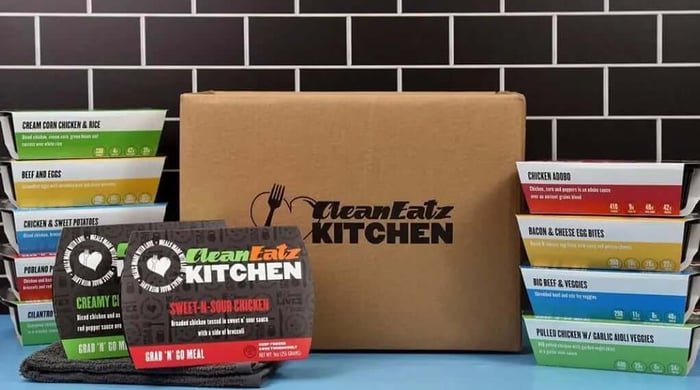
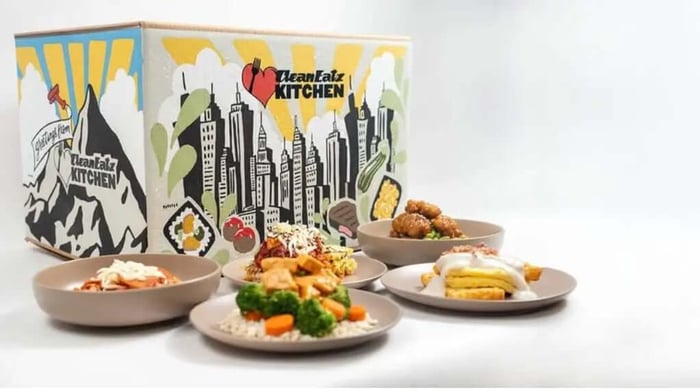
A company in this space isClean Eatz Kitchen, which offers prepared meal plans for various dietary preferences. With a service like this, you can select meals that fit your nutrition goals and have them delivered to you. Such meals are crafted to be well-balanced and are perfectly portioned, taking the guesswork out of healthy eating on busy days. These meal services can be aworthwhile investment if you’re short on time or don’t enjoy meal planning and grocery shopping. Convenient, healthy meal delivery services can be helpful for busy people.

Eating well during a busy week is entirely possible. It just takes a bit of planning upfront. By adopting a meal prep habit, you set yourself up for success. Use the tips on efficiency to refine your process, making it quicker and more enjoyable. Keep your menu varied to stay excited about your meals. And don’t forget to celebrate the convenience you’ve created for yourself: when you open your fridge on Wednesday night and see a tasty, already prepared meal waiting, give yourself a pat on the back for planning ahead. Know that it’s okay to get a little help. Busy times or unexpected life events happen to all of us. Having some healthy frozen meals on hand, or using a meal delivery service for a week, can bridge the gap without derailing your nutrition. The combination of meal prep for work week days and smart use of prepared meal options can cover all your bases.
Sources
- Harvard T.H. Chan School of Public Health – The Nutrition Source: Meal Prep Guide (accessed Dec 2025).
- Klein, L. & Parks, K., Home Meal Preparation: A Powerful Medical Intervention, Am J Lifestyle Med. 14(3):282–285 (2020).
- Champion, D., Make meal-prepping work for you: Checklist from a registered dietitian, Ohio State Wexner Medical Center (Sept 2024).
- Stanford Lifestyle Medicine – Meal Prep Ideas for Busy People (Jan 2024).
- Academy of Nutrition and Dietetics – Cook Once, Eat Safely Throughout the Week (Aug 2020, reviewed Apr 2024).
- University of Virginia Health – Should You Subscribe to a Meal Delivery Service? (Pros & Cons) (Mar 2022).