In recent years, many Americans have embraced healthy premade meal delivery as a convenient way to eat well without spending hours in the kitchen. Healthy prepared meals for delivery are fully cooked and arrive frozen to your door, ready to heat and eat. These healthy convenience meals bridge the gap between home cooking and takeout, often emphasizing whole-food ingredients and balanced nutrition. Modern freezing technology enables ingredients to be picked at peak ripeness and flash-frozen,locking in nutrients and flavor. Frozen fruits and vegetables can retain as much vitamin and mineral content as fresh produce. The result is a variety of nutritious frozen meals that families can stock in their freezers. Many meal delivery companies even promote a nutrition lineup, highlighting lean proteins, vegetables, and whole grains. The convenience appeals especially to busy people. You simply heat and enjoy a portion-controlled meal in minutes, without shopping or chopping.
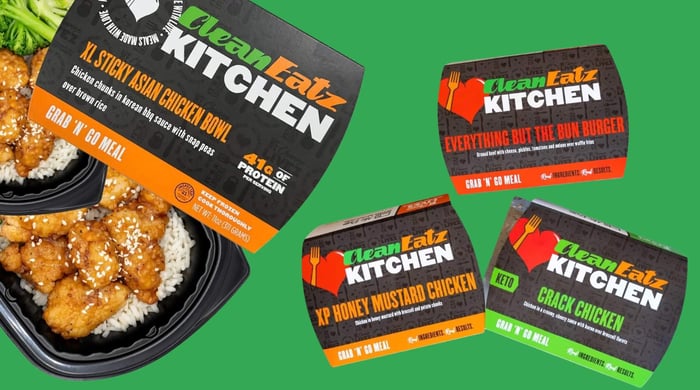
There are dozens of companies in this space, and people often look for the best healthy prepared meal delivery service to meet their goals. For example,Clean Eatz Kitchen is a provider offering nationwide healthy frozen meal options. One tip is to compare menus and nutrition information online, since reviews and dietitians often rank services by variety, ingredients, and ease of ordering. The best frozen meal delivery service can offer a practical way to enjoy balanced, whole-food dishes without extra prep.
Packaging and Delivery: Keeping Meals Fresh
When ordering frozen meals delivered from a meal service, packaging is crucial. Companies typically ship meals in insulated boxes or coolers, often lined with foam or reflective thermal material. Inside the box, multiple ice packs or dry ice keep the contents at sub-freezing temperatures. Frozen food needs to beshipped in an insulated container with a good seal to prevent warm air from entering. Many providers will place individual meals in plastic or film trays, then surround them with ice or gel packs inside a sturdy corrugated box. It is common to see instructions to label the box “Keep Refrigerated” or “Perishable: Keep Frozen” on the outside. These steps ensure that, even in transit delays, the meals stay frozen and safe.
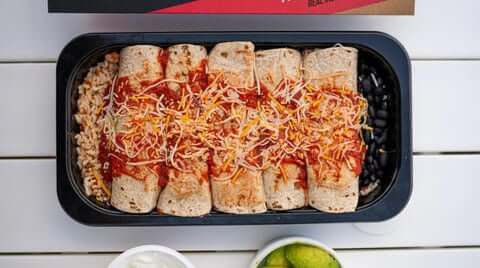
Most frozen meal deliveries use expedited shipping. Upon arrival, it’s best to unpack the box immediately. Check that the ice packs are still frozen solid; if so, you can often safely store the meals in your freezer. Many meals will have a “use-by” date on the package since properly frozen entrees remain safe long-term. Always follow the company’s storage instructions. Using about 5 pounds of dry ice per 24 hours of transit, though many companies instead rely on gel packs for shorter trips. If you live far from a distribution hub, the packaging must do even more work to keep food cold. Providers often tailor shipping methods by region and season, adding extra insulation or colder gel packs in summer.
Once you receive your order, refrigerate or freeze it right away. Good practice is to label any date on the package and re-freeze meals if you won’t eat them immediately. The outer packaging can be composted or recycled after use. Frozen prepared meal delivery relies on a robust cold chain: insulated containers, adequate ice packs or dry ice, and clear labeling to ensure meals arrive frozen, at which point consumers transfer them to their own freezers.
Nutritional Value of Frozen Meals
How do frozen meals stack up nutrition-wise? They can be very healthy, often just as nutritious as freshly made meals. When done correctly, frozen meals preserve the vitamins, minerals, and macronutrients of the ingredients.Freezing pauses nutrient degradation by solidifying the natural water in foods. High-quality frozen proteins retain their protein content and key vitamins when flash-frozen.
Because these meals are portion-controlled, they make it easier to manage calories and macros. Each portion is measured in advance, which can help with weight or blood sugar management. Many companies advertise the calorie count, macronutrient breakdown, and fiber on each meal’s label. Savvy customers compare these nutrition facts to their dietary needs. It’s recommended to look for meals that are moderate in sodium and saturated fat, and higher in vegetables and fiber. Expect clean frozen meals to use whole-food ingredients and avoid excessive additives or sauces. By reading the label, you can ensure you’re choosing a nutrition-focused frozen meal that aligns with your health goals.
That said, not all frozen meals are equally healthy. If a meal includes a lot of creamy sauces, cured meats, or cheese, it may be higher in calories, salt, or saturated fat. Choose entrées with plenty of vegetables and lean protein. Some meal plans cater to specific diets, so you can pick meals that match your needs. Meals aimed at the Mediterranean-style diet might emphasize fish, whole grains, and extra-virgin olive oil. When shopping, treat frozen delivery meals like any other packaged food. If a meal is truly healthy and properly frozen, you can trust that it delivers vitamins and minerals comparable to a fresh-cooked dish.
Flavor and Quality of Frozen Meals
What about taste? Modern frozen meal services invest in quality ingredients and preparation methods to ensure good flavor. Freezing technology today is quite advanced: by rapidly cooling food, companies can preserve its original taste and texture. When food is frozen quickly, itstops the processes that cause food to lose color and delicious taste. As a result, frozen meals can still be vibrant and appetizing. Chefs behind these services often add sauces, herbs, and seasonings before freezing to boost flavor. One reviewer of prepared meals observed that some companies include flavor-enhancing sauces or compound butters to lift the taste of otherwise bland ingredients.
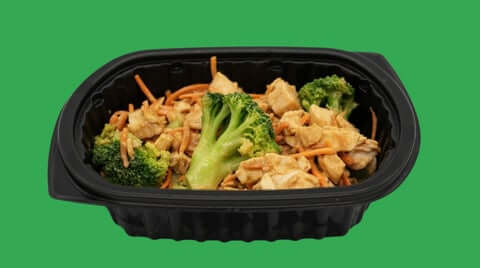
However, individual results vary by recipe. Vegetables in frozen meals may be softer than fresh-cooked ones, and very subtle flavors can be muted by freezing. Protein and starches tend to fare well; for example, properly frozen rice and pasta will not turn mushy if initial processing is done right. Many healthy prepared meal delivery services pre-cook or par-cook starchy sides and proteins, then freeze them to ensure the best texture upon reheating. The key for consumers is to follow the heating instructions carefully. Avoid overcooking, as that is more likely to degrade taste than the freezing process itself. Expect that good frozen healthy meals should taste better than the TV dinners of old, but perhaps a little lighter in seasoning than restaurant food.
Variety of Diets and Meal Plans
One benefit of frozen meal delivery is the wide variety of options. Many services offer rotating menus with dozens of dishes each week. Diet-conscious customers can often filter by dietary pattern: keto, paleo, gluten-free, vegetarian, and even specialized plans like Mediterranean diet frozen meal collections. A Mediterranean-style plan might feature items like frozen salmon, chickpeas, whole grains, and vegetables, aligning with dietary recommendations. Addingfrozen varieties, such as salmon, is a cost-effective way to meet the “twice-a-week seafood” guideline of the Mediterranean diet. The service will let you customize a frozen meal plan delivery by choosing which meals you want each week from an online menu. This means you can sample cuisines from around the world.
Customers should also note portion size and calories, especially if they are on a specific diet. Because plans vary, the same company may have multiple menu tracks. Some services even allow customization ,like extra vegetables or different sides, though true customization is often limited by the nature of pre-cooked meals.
Meal prep services have become popular, too, but they usually send raw ingredients and recipes. In contrast, frozen meal delivery services send the finished, cooked product. This means no cooking skill is required. You just heat. If you want guaranteed portion control and no cooking, meal delivery is simpler than either meal kits or home meal prep. Many users find it an easy complement to a healthy lifestyle.
Convenience and Time-Saving Benefits
Choosing how to feed yourself is about time, energy, and consistency. Healthy frozen meal delivery services have grown because they address everyday pressure points modern households face. Below are the key advantages:
- Convenience Without the Prep: Ready-made healthy meal delivery streamlines dinner by removing the planning, shopping, and prep. Instead of navigating grocery aisles or juggling recipes, you heat a fully prepared meal in minutes, often straight from the freezer. That simplicity matters for professionals, caregivers, and seniors who value predictable routines. Many services design meals with chefs and dietitians, ensuring balanced nutrition without extra decisions. The result is reliable, portioned food that supports healthy habits while freeing evenings for work, family, or rest. Convenience becomes a daily advantage rather than an occasional luxury.
- Consistency and Reduced Waste: Having stocked options prevents last-minute takeout and avoids the frustration of spoiled food. Each dish arrives as a single serving, removing guesswork around portions and eliminating overcooking. Because quantities are fixed, planning becomes easier, and food waste drops significantly. Another overlooked benefit is cleanup: fewer pots, knives, and cutting boards are involved. After eating, disposal or recycling is quick, keeping kitchens calmer on busy nights. Such predictability supports steadier routines and less mental clutter.
- Flexible Choices for Every Eater: Households with different tastes often struggle to satisfy everyone at dinner. Many frozen meal services address this by offering a variety of selections in a single delivery. Picky eaters, calorie counters, and adventurous food lovers can each choose meals they enjoy. This flexibility reduces mealtime conflict and removes pressure from the person ordering food. Couples and families benefit from shared logistics without compromising their individual needs. Specialty diets, including gluten-free or plant-based plans, fit easily into the same shipment. Everyone eats well without separate cooking sessions. That balance makes consistency achievable long term.
- Budget Trade-Offs and Value: Although convenience carries a higher price than home cooking, the comparison is not always straightforward. Buying individual ingredients, especially for specialty diets, can quickly inflate grocery bills. Bulk meal orders sometimes lower per-meal costs when time, waste, and energy are considered. Predictable pricing also helps with monthly budgeting. Knowing exactly what dinner costs removes uncertainty from food spending. For many users, the real value lies in reclaimed hours rather than raw savings. That exchange feels reasonable when schedules are demanding. Cost becomes a conscious, controlled decision.
- Subscription Convenience Without Commitment: Weekly frozen meal subscriptions offer structure without locking customers into rigid plans. Users select how many meals they want and adjust deliveries as needs change. Most services allow skipping weeks, pausing shipments, or canceling without penalties. This flexibility makes meal delivery a supportive tool rather than an all-or-nothing lifestyle shift. Some people rely on it during demanding work periods and cook more on weekends. Others keep meals on hand as backups for emergencies or late nights. Control remains firmly with the customer. That autonomy increases long-term satisfaction.
For many people, the combination of time saved and stress reduced outweighs the added cost. Used strategically, these services complement home cooking rather than replace it. That balance is where their long-term value truly shows.
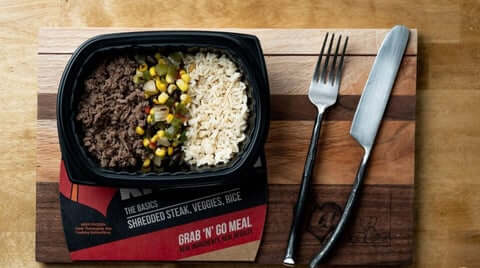
Healthy frozen meal delivery is a practical option for many Americans today. Modern preservation technology and careful packaging ensure that meals arrive safe and flavorful, with nutrients locked in by freezing. Most providers emphasize balanced, whole-food ingredients and dietitian-designed portion control, so you often end up with more vegetables and lean protein than a typical takeout order. Although offerings vary by company, many services cater to popular dietary patterns and offer global cuisines, making mealtime interesting and hassle-free. With options like Clean Eatz Kitchen and others delivering nationwide, it’s easier than ever to enjoy a meal prep service alternative without cooking. Simply order online, wait for the frozen meals to be delivered, and heat up a healthy meal whenever you need it.
Sources:
- Academy of Nutrition and Dietetics: “Frozen Foods: Convenient and Nutritious”.
- Food Safety Mid Atlantic (Mara Shorr): “Shipping Basics: How to Keep Food Safe In Transit”.
- American Frozen Food Institute (AFFI): “From Farm to Freezer: How Freezing Locks in Nutrition, Flavor and Taste”.
- EatingWell: “The Best Frozen Foods to Eat on the Mediterranean Diet”.
- Good Housekeeping: “The Best Prepared Meal Delivery Services 2026, Tested by Experts”.