There has been an explosive growth in gluten-free meal plan delivery services in recent years, signaling a shift in how people approach diet and convenience. What was once a niche offering for a small segment of the population has now become a booming industry. Many more people are choosing gluten-free diets than those who medically require them. For example,11% of millennials and a similar share of Gen Z follow a gluten-free diet, even though only about 1% of Americans have celiac disease. Health-conscious consumer trends are projected to propel the gluten-free food market from a $6 billion niche to roughly $14 billion over the coming decade. This surge reflects a perfect storm of rising health awareness, dietary trends, and the quest for convenience. In this article, we’ll explore why demand for gluten-free meal services is soaring, and how dedicated delivery companies are meeting the needs of everyone from busy families to health-conscious individuals.
What Does Gluten-Free Mean and Who Needs It?
Gluten is a protein found in grains like wheat, barley, and rye, and it’s the ingredient that gives bread its chewiness and structure. A gluten-free diet eliminates all foods containing these grains and their derivatives. But who truly needs to avoid gluten? The strictest requirement comes from individuals with celiac disease. This is an autoimmune disorder where even tiny amounts of gluten trigger the body to attack its own small intestine. For someone with celiac, eating gluten causes severe digestive distress and long-term health complications. Those with non-celiac gluten sensitivity or wheat allergies must avoid gluten to prevent symptoms. For these people, gluten-free diet meals are not a trendy option but a medical necessity. There are no medications or cures for these conditions. A 100% gluten-free diet is theonly way to manage celiac disease or gluten sensitivity. These specially prepared celiac-friendly meals must be completely free of cross-contamination with gluten-containing ingredients.
Beyond Medical Necessity: Gluten-Free Goes Mainstream
While a relatively small percentage of the population must eat gluten-free for medical reasons, the gluten-free lifestyle has expanded far beyond that group. Millions of people have adopted gluten-free eating as a personal choice for perceived health or wellness benefits. Only around 5% of Americans truly need a gluten-free diet due to conditions like celiac, yet roughly25% of Americans report following a gluten-free diet. This means a huge number of consumers are opting to go gluten-free even without a formal medical requirement. Why are so many people ditching gluten by choice? Several factors are at play:
-
Health and Wellness Trends: Many individuals believe that eliminating gluten will improve health, digestion, or weight loss. Gluten has been vilified in some popular diet circles, often lumped in with sugar or processed carbs as something to avoid. The result is a demand for healthy gluten-free meals by people hoping to feel better, have more energy, or manage their weight.
-
Celebrity and Media Influence: The gluten-free diet trend has been amplified by celebrities and social media influencers touting gluten-free living as a path to wellness. This mainstream visibility has normalized gluten-free eating even for those without gluten issues. When famous athletes or actors credit gluten-free diets for their fitness or clarity of mind, fans take notice. This has helped move gluten-free from a niche medical case to a mainstream lifestyle choice.
-
Curiosity and Personal Experimentation: A good number of people try going gluten-free out of curiosity or self-diagnosis. Perhaps they’ve experienced bloating or fatigue and wonder if gluten is the culprit. Others might embark on gluten-free eating to see if it improves skin conditions or other health complaints. Often, individuals will eliminate gluten for a trial period to gauge if they feel better without it.
-
General “Free-From” Preference: Gluten-free is part of a broader “free-from” trend and clean eating. Just as some consumers seek products free of dairy, soy, or artificial additives, many are gravitating toward gluten-free foods because it aligns with a back-to-basics, whole-foods mindset. Gluten-free options often emphasize alternative grains, nuts, and vegetables, which appeal to those trying to reduce processed white flour in their diet.
The gluten-free trend’s growth has fed on itself. As more people demand gluten-free products, more options become available, quality improves, and it becomes easier to maintain a gluten-free lifestyle.
The Gluten-Free Market on the Rise
The collective shift in consumer behavior has led to an undeniable market boom for gluten-free foods and services. Grocery store aisles that once had maybe one lonely gluten-free pasta are now stocked with top gluten-free foods of every kind. Food manufacturers, large and small, have expanded their gluten-free offerings in response to demand. Not only has product variety exploded, but overall sales have surged. Market research consistently shows double-digit annual growth in the gluten-free sector. The global gluten-free foods market will roughly double in size over the coming decade. Drivers of this growth include greater awareness of gluten intolerance, increased health consciousness, and the proliferation of “free-from” products in the marketplace. What was once considered a niche health-food category has firmly entered the mainstream.
An interesting aspect of this growth is that mainstream shoppers are driving it. People with gluten-free food delivery needs now include fitness enthusiasts seeking high-protein, low-gluten meals, parents looking for cleaner ingredients for their kids, and generally anyone who believes cutting gluten might benefit their lifestyle. As a result, companies are innovating to make gluten-free options tastier, more nutritious, and more accessible than before.
The phrase “gluten-free” is no longer confined to obscure health stores. It’s emblazoned on products in big-box supermarkets and featured on menus of regular restaurants. All of this indicates that gluten-free eating has evolved from a medical necessity for a few to a wide-reaching consumer preference. And where demand is growing, businesses will find ways to meet it, which brings us to the rise of meal delivery services tailored to the gluten-free wave.
The Rise of Gluten-Free Meal Delivery Services
Hand-in-hand with the gluten-free trend is another modern food revolution: meal delivery services. Over the past decade, meal prep services and meal kit subscriptions have transformed how people get dinner on the table. These services deliver either fully cooked prepared meal delivery packages or pre-portioned ingredients with recipes straight to your doorstep. They cater to busy lifestyles by removing the need for grocery shopping and meal planning. Importantly, many cater to specific dietary preferences. As consumers started seeking out vegetarian, low-carb, or paleo options, meal services responded by creating specialized menus. Gluten-free is no exception. The convenience of meal delivery aligns perfectly with the needs of gluten-free eaters: it can be hard to find safe, tasty gluten-free options when dining out or exhausting to cook separate meals every night, so why not have trustworthy meals shipped to you?
There is continued expansion for gluten-free meal services, largely because they address two converging forces: an increase in gluten-related health issues and the modern consumer’s desire for quick, hassle-free meals. Demand is up not only because more people are going gluten-free, but because theconvenience and time-saving benefits of delivery services are a major driver of their popularity. Busy professionals, students, and families are embracing the idea that they can stick to a gluten-free diet without spending hours in the kitchen. With a subscription or online order, gluten-free meal delivery options arrive ready to heat and eat or simple to cook, making it easier than ever to maintain dietary goals.
It’s also worth noting that the COVID-19 pandemic accelerated the adoption of meal delivery services. During lockdowns, getting prepared food delivered became a necessity for many households. Post-pandemic, that habit has stuck. People discovered how convenient it was to have meals delivered, and companies expanded their offerings. This broader acceptance of delivered meals naturally extends to specialized services like gluten-free plans. Consumers who might have been hesitant to trust an outside company with their dietary restrictions are now more open to it, given the success and normalization of meal deliveries in recent years.
Catering to Families and Diverse Diets
One notable factor in the soaring demand for gluten-free meal services is the way they cater to entire households and various dietary needs. If one member of the family is diagnosed with celiac disease or has a gluten sensitivity, it often influences how the whole family eats. Many families find it easier to cook gluten-free for everyone at home rather than risk cross-contamination by mixing gluten-containing and gluten-free meals. This means a single gluten-intolerant person can effectively turn the household into a gluten-free household. One gluten-avoiding family member can influence the grocery basket for the entire family. In other words, meal delivery for families increasingly needs to include gluten-free choices, because families don’t want to cook separate dinners for different members.
Busy families find particular value in delivery services because they solve the perennial question of “What’s for dinner?” without a last-minute scramble. With work, school, and activities, not every household has the time to cook from scratch every night, let alone cook gluten-free, which can require extra care with ingredients. Gluten-free meal service delivery companies fill this gap by doing the heavy lifting and letting the family simply heat up a prepared dish or quickly cook a kit.
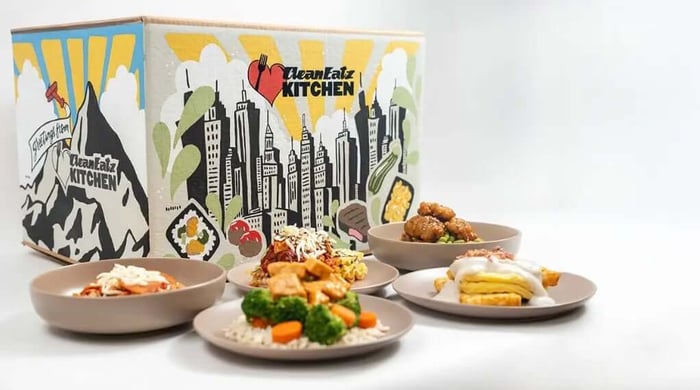
Meal Kits vs. Prepared Meals: Gluten-Free Solutions for Every Lifestyle
Gluten-free meal kits send you a box containing raw ingredients and recipe instructions to cook your own meal at home. The ingredients are pre-measured and often partially prepped. For gluten-free meal kits, all the ingredients provided will be free of gluten, often substituting traditional items with gluten-free alternatives. Meal kits are great for people who enjoy cooking or want to improve their kitchen skills, but who need assurance that every ingredient in the recipe is safe for a gluten-free diet.
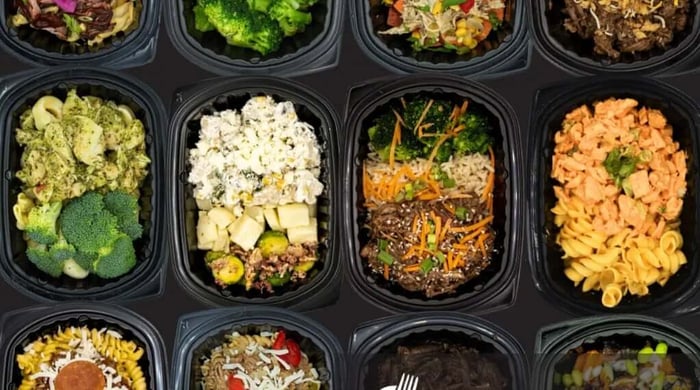
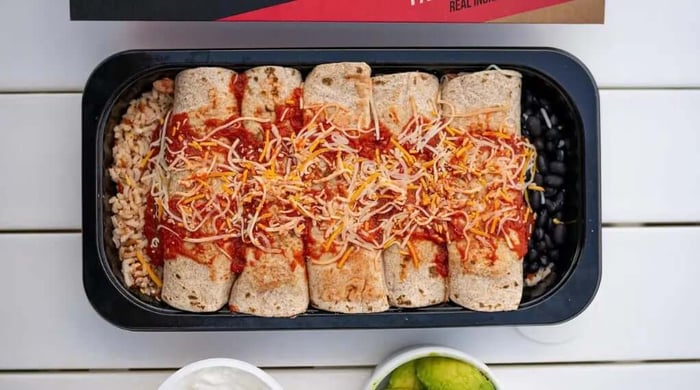
For the gluten-free crowd, prepared meals are incredibly convenient. It’s like having your own personal chef who understands your dietary restrictions. There’s zero cooking required; at most, you might plate the food after heating. These services are perfect for extremely busy individuals, those who don’t enjoy cooking, or times when you just need something ready now. They’re also a lifesaver for people who might not be physically able to cook each night. All gluten-free prepared meals from reputable services come clearly labeled and often are designed by dietitians to ensure they’re balanced and nutritious. Prepared meal plans often allow you to choose a set number of meals per week so you can outsource as much of your diet as you want.
Why These Services Are a Game-Changer
First and foremost is safety. For anyone with celiac disease or severe gluten intolerance, the kitchen can be full of danger. A breadcrumb in the butter or a splash of regular soy sauce can be enough to cause a reaction. Cooking at home requires constant vigilance to avoid cross-contamination, and eating out can be stressful because you must trust the restaurant understands your needs. This is where specialized delivery services shine. Many gluten-free meal servicesprepare food in dedicated gluten-free facilities, eliminating cross-contamination risk and giving customers true peace of mind. You know that every ingredient in every dish is vetted for gluten and that the cooking environment is controlled. This “worry-free” aspect cannot be overstated. It’s life-changing for those who otherwise always have to double-check every morsel.
Choosing the Best Gluten-Free Meal Delivery Plan
With demand soaring, dozens of companies have entered the market to offer gluten-free meal services. If you’re considering one, how do you pick the right plan for you or your family? Finding the best gluten-free meal delivery plans comes down to a few important considerations:
-
Portion Size and Family-Friendliness: If you’re feeding a family, check if the service has family plans or only individual servings. Family-sized plans may be more cost-effective and include portions intended to feed 4 or more people at once. If it’s just for one or two of you, check whether the portions match your appetite and whether you can easily adjust the number of meals per week.
-
Cost and Value: Price is always a consideration. Meal delivery can range from quite affordable to premium pricing. Compare the cost per meal to what you’d normally spend on groceries or eating out. While services can be more expensive than home cooking using basic ingredients, remember to factor in the time saved and the specialized nature of the meals. Some services offer discounts for larger plans or longer subscriptions. Also, look at shipping fees, flexibility of skipping weeks, and whether you need to commit long-term or can cancel anytime. The best meal delivery plan for gluten-free living is one that fits your budget without compromising food safety and quality.
-
Reviews and Reputation: Lastly, do a bit of homework on the company’s reputation. Customer reviews can reveal a lot about portion sizes, taste, and the reliability of delivery. A service might look great on paper, but it may have small portions or frequently swapped items. Hearing from other gluten-free customers via reviews or community forums can provide insight. If a meal service is consistently highly rated by the gluten-free community, that’s a strong sign of trustworthiness.
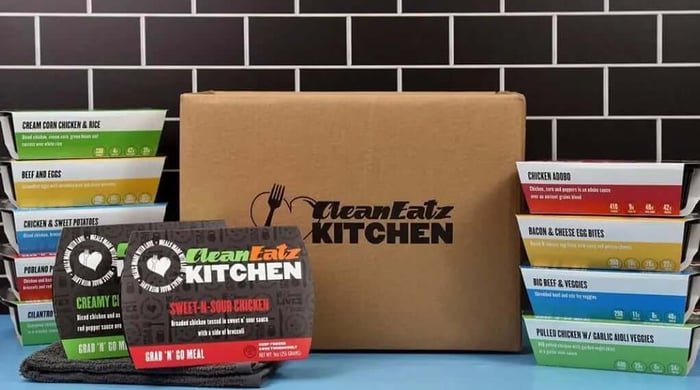
By considering these factors, you can narrow down the field and find a gluten-free meal service that aligns with your needs. For example,Clean Eatz Kitchen is one brand that offers a dedicated gluten-free meal plan delivery with fully prepared meals, providing a convenient option for health-conscious consumers who need trustworthy gluten-free options. It’s important to choose a service that not only checks the gluten-free box but also makes you excited to eat their meals every day.

The rise of gluten-free meal delivery services is a testament to how our food system is adapting to meet those needs. What once might have been a daunting dietary restriction is now an opportunity for culinary exploration delivered right to your door. With greater awareness of gluten-related conditions and more individuals pursuing optimal health through diet, the momentum behind these services will continue to grow. In short, demand is soaring because these services hit the sweet spot of modern eating. For anyone considering going gluten-free or tired of managing the diet on their own, there’s never been a better time to take advantage of the many options available and enjoy the benefits for both your schedule and your well-being.
Sources:
-
Food Manufacturing – “Why Gluten-free Foods Are Taking Over Grocery Store Shelves” (Lisa MarcAurele, Mar 24, 2025)
-
Food Navigator – “Gluten‑free: Trends reshaping a booming market” (Donna Eastlake, Dec 16, 2025)
-
Nebraska Today (University of Nebraska–Lincoln) – “Study concludes Americans self-diagnose to adopt gluten-free diets” (Leslie Reed, Nov 20, 2020)
-
Beyond Celiac – “Celiac Disease: Fast Facts” (BeyondCeliac.org, 2025)
-
Archive Market Research – “Gluten-Free Meal Delivery Services 2025 Trends and Forecasts 2033” (PRDUA Research, Jan 20, 2025)
-
Business Wire – “Gluten Free Food Market Global Forecast Report 2025-2033 (ResearchAndMarkets)” (Press Release, Apr 7, 2025)
-
Celiac.com – “Best Gluten-Free Meal Delivery Services” (Celiac.com, Feb 21, 2025)