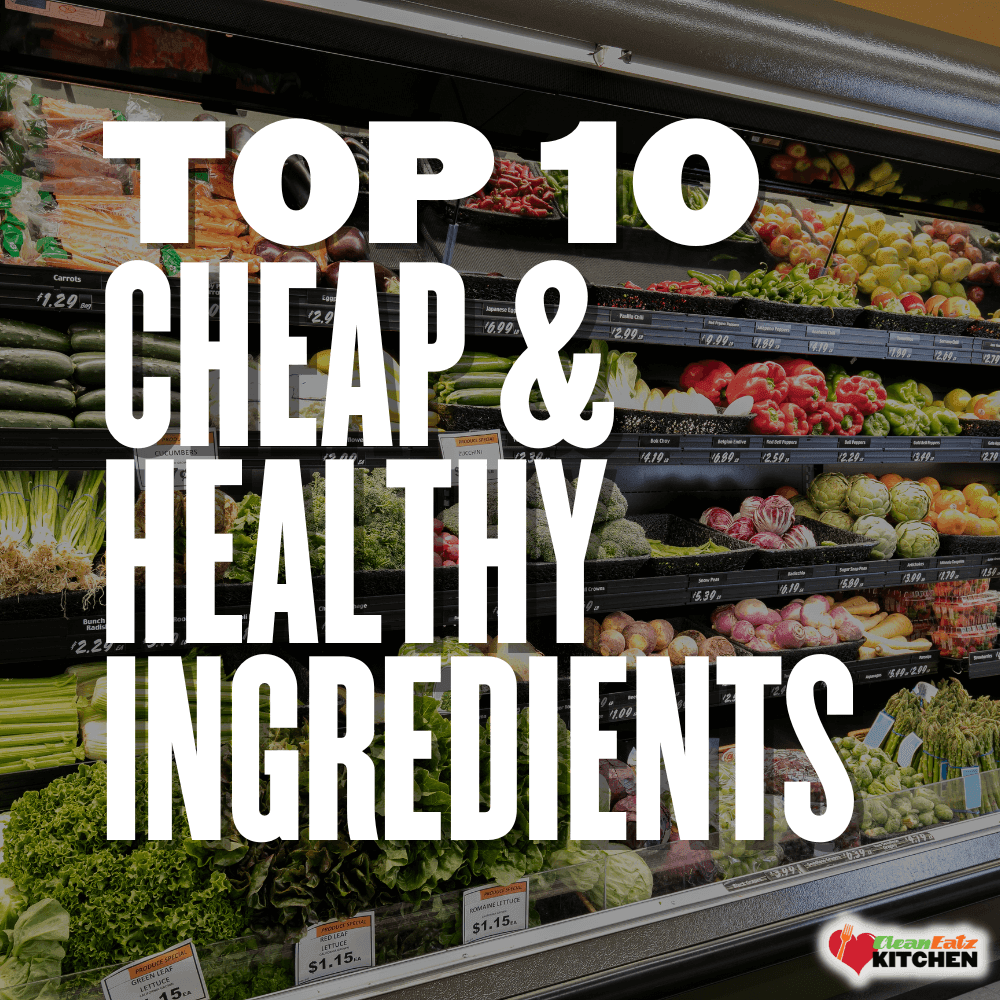

Quick Answer: The most budget-friendly healthy ingredients include beans, oats, rice, cabbage, frozen produce, lentils, potatoes, and tofu. These nutrient-dense staples cost significantly less than most processed foods, while still providing the protein, fiber, and vitamins your body needs. Stock these pantry essentials and you'll have the foundation for dozens of affordable, healthy meals.
Eating healthy doesn't require a hefty grocery bill. With food prices continuing to rise, finding ways to stretch your budget while maintaining good nutrition has become essential for most households. The good news? Some of the most nutritious foods on the planet are also among the most affordable.
The key is knowing which ingredients deliver the best nutritional bang for your buck. The ten budget-friendly staples below form the foundation for countless healthy meals—from quick weeknight dinners to batch-cooked meal prep. Whether you're feeding a family or cooking for one, these ingredients will help you eat well without overspending.
For a complete system on turning these ingredients into a week's worth of meals, check out our Complete Meal Prep Guide—it covers everything from batch cooking strategies to storage tips that prevent food waste.
Meal prep doesn't have to be complicated.
Get our free guide — shortcuts, meal ideas, and a system that makes eating well the easy option.
10 Budget-Friendly Ingredients for Healthy Eating
1. Cabbage
Cabbage is a workhorse vegetable that belongs in every budget-conscious kitchen. Its versatility allows it to be braised, grilled, shredded for slaw, or diced for a wholesome stir-fry. Among all the produce available, cabbage stands out for its extended shelf life. It stays fresh in your refrigerator for weeks, ensuring it's ready whenever you need it.
This humble vegetable is not just economical; it's also low in calories and high in fiber, making it excellent for digestive health and weight management. Cabbage is rich in antioxidants that combat free radicals and reduce cell stress. Anthocyanins, found especially in red cabbage, offer several benefits, including protecting red blood cells. For pennies per serving, you get a nutritional powerhouse.
2. Beans
Beans are often priced at less than $1 per can, making them an essential staple for anyone watching their food budget. The range of dishes featuring beans is impressive. Vegetarian burgers, Tex-Mex favorites like burritos and tacos, hearty soups, stews, and chili all benefit from this affordable protein source.
Each bean variety has its own distinct flavor and texture, so experiment with chickpeas, pinto beans, black beans, and kidney beans. Beyond versatility, beans deliver exceptional nutrition: they're packed with plant-based protein and fiber that keep you feeling full. This combination makes them a standout ingredient in our 100 Best Foods for Weight Loss guide.
3. Oats
Oats rank among the most nutritious and affordable grains available. Rich in nutrients that support heart health and blood sugar management, oats help maintain a healthy weight while keeping you satisfied for hours. Enjoy them as a warm bowl of oatmeal, cold as overnight oats or muesli, or blended into smoothies for added nutrition.
These nutrient-dense grains promote healthy digestion, support muscle maintenance, and deliver lasting satiety. Oats also contain a unique fiber called beta-glucan, known for its cholesterol-lowering effects. A large container costs just a few dollars and provides weeks of breakfasts.
4. Cornmeal
Cornmeal, a staple in Southern cooking, opens up possibilities for polenta, grits, cornbread, and more. It's affordable, shelf-stable for months, and provides sustained energy along with dietary fiber, iron, and phosphorus. A bag of cornmeal costs very little but can stretch across numerous meals. While not as protein-rich as some other staples, cornmeal provides affordable energy and variety.
5. Edamame
Edamame (young soybeans) offers an excellent plant-based protein option. Available shelled or in the pod, fresh or frozen, edamame works as a quick snack, a protein boost for salads and stir-fries, or blended into hummus. It's rich in complete protein and vitamins, making it a valuable meat alternative for budget-conscious eaters, especially helpful for those following a plant-based diet.
6. Frozen Fruits and Vegetables
Frozen produce remains one of the smartest budget choices you can make. Flash-frozen at peak ripeness, these fruits and vegetables often contain more nutrients than "fresh" produce that's traveled across the country. They come pre-sliced, have a much longer shelf life, and produce zero waste since you use only what you need.
Stock your freezer with frozen berries for smoothies, mixed vegetables for stir-fries and soups, and frozen spinach for adding nutrition to nearly any dish. The cost savings compared to fresh produce—especially for out-of-season items—can be substantial.
7. Dried Lentils
Dried lentils and split peas belong to the legume family and offer incredible value. They're inexpensive, store for months in your pantry, and cook faster than most dried beans without requiring pre-soaking. Research links regular legume consumption to better blood sugar control, healthy weight maintenance, and improved cardiovascular health.
8. Rice
Rice serves as a universal staple food for good reason. Whether you prefer white, brown, basmati, or jasmine rice, this versatile grain forms the base for countless dishes—fried rice, grain bowls, pilaf, Thai salads, and more. A large bag costs just a few dollars and provides dozens of servings.
9. Potatoes
Potatoes remain one of America's most affordable vegetables. They can be mashed, baked, roasted, air-fried, or added to soups and stews. Both russet and red potatoes provide vitamins, minerals, and satisfying complex carbohydrates with fiber, all at very low cost per serving.
10. Tofu
Tofu provides affordable, complete protein with all nine essential amino acids. Available in textures ranging from silken to extra firm, it adapts to virtually any cuisine or cooking method. Tofu absorbs marinades beautifully. Just press out excess moisture before cooking for the best texture. Use it in stir-fries, scrambles, curries, or even smoothies for a protein boost.
Putting Budget Ingredients to Work
Having these ingredients on hand is the first step. The next step is turning them into actual meals without spending hours in the kitchen every day. This is where meal prep becomes invaluable. Spending a few hours on the weekend to batch-cook grains, prep vegetables, and portion proteins means healthy eating becomes the easy choice all week long.
There are criteria and characteristics that make certain ingredients both affordable and versatile for everyday cooking. If the idea of cooking everything yourself feels overwhelming, a meal delivery service like Clean Eatz Kitchen can fill the gaps. Pre-prepared meals help reduce grocery expenses, minimize food waste, and save significant time in the kitchen. Many people find that combining a few delivered meals with simple home-cooked options (using the budget ingredients above) creates the perfect balance of convenience, nutrition, and affordability. Our Value Meal Plan was designed specifically for budget-conscious, healthy eaters. With portion-controlled, nutritionally balanced meals delivered to your door.
Cooking with Budget Staples
Basic pantry staples can turn into satisfying meals with little effort. Cook rice or pasta, then build around canned tomatoes, beans, and frozen vegetables for soups, skillet dinners, or simple baked dishes. Oats can be made into breakfast porridge, overnight oats, or savory fritters, while canned fish, chickpeas, or lentils work well in salads, wraps, and grain bowls. To maximize ingredients, batch-cook grains, repurpose leftovers into soups or casseroles, and season with garlic, onion, and spices for variety. With a few flexible staples on hand, you can mix and match ingredients to make affordable meals throughout the week. There are also ways to stretch meals and make the most out of limited ingredients, including meal planning and creative uses for staples.
Health and Nutrition of Pantry Staples
Budget-friendly pantry staples can be both affordable and nourishing when chosen thoughtfully. Beans, lentils, oats, rice, canned fish, and frozen vegetables provide protein, fiber, vitamins, and minerals that support steady energy and overall health. For the best nutritional value, favor minimally processed options such as low-sodium canned goods and unsweetened products. Some staples, like white rice or refined flour, are budget-friendly but less nutrient-dense than whole-grain alternatives, so pairing them with beans, vegetables, or protein can help balance them. Also, watch for added sugar and saturated fat in packaged items.
Pantry Organization and Storage
A well-organized pantry is just as important as the ingredients you buy when you’re trying to eat well on a budget. Start by grouping items by category so everything has a clear home: grains and pasta together, canned goods together, baking ingredients together, snacks together, and spices in one easy-to-reach section. This makes meal planning faster and helps you avoid buying duplicates. Use clear containers whenever possible so you can see what you have at a glance. Airtight jars and storage tubs help protect dry goods like flour, oats, rice, beans, nuts, and seeds from moisture and stale air, all of which can shorten shelf life.
If you transfer ingredients from original packaging, label each container with the item name and the date you opened it so older foods get used first. A first-in, first-out system is one of the simplest ways to reduce waste: place newer groceries behind older ones so the oldest items are always front and center. Keep the foods you use most often at eye level or in the most accessible part of the pantry, and store less-used items higher up or farther back. For optimal freshness, keep your pantry cool, dark, and dry, since heat and humidity can cause food to spoil or lose quality more quickly.
Avoid storing pantry staples near the stove, dishwasher, or sunny windows if possible. It also helps to do a quick pantry check once a week or at least once a month. Look for expired items, half-used packages, or foods that should be used soon, then plan meals around them. This habit keeps ingredients from getting forgotten and helps you stretch your grocery budget further. For bulk purchases, divide larger quantities into smaller portions if needed, so you only open what you’ll use soon. Nuts, seeds, whole grains, and flours may last longer in the freezer or refrigerator, which can be a smart option if you buy them in larger amounts. Keep a running shopping list in or near the pantry so you can note what you’re running low on before your next trip to the store. When your pantry is easy to navigate and maintain, cooking becomes simpler, food waste goes down, and your budget-friendly ingredients stay ready whenever you need them.
Smart Shopping and Saving Tips
There are practical shopping strategies and tips to help readers save money while purchasing ingredients for their kitchen. Unit pricing helps you spot when a larger package is actually the better deal, and when a “family size” item is mostly just a marketing trick. It is useful for staples you buy often. You can also save by choosing store brands for the same core ingredients, since they often cost less without sacrificing much quality. If you have room to store items safely, buying larger quantities of frequently used ingredients can lower your overall grocery bill. But bulk only works if you’ll use it before it spoils, so it’s best for foods you know you cook with regularly. Another smart move is to shop with a flexible list. Build your meals around ingredients that are on sale, then swap in similar items based on price. For example, if one type of bean, grain, or frozen vegetable is discounted, choose that instead of sticking to a fixed brand or variety. Seasonal shopping also helps with produce, because fruits and vegetables are usually cheaper when they’re in season and abundant. If you notice a good deal on a shelf-stable item you already use, consider stocking up a little, but only in amounts that fit your budget and storage space. Avoid impulse purchases by eating before you shop and sticking closely to a list. Shopping the outer aisles first, checking markdown sections, and using digital coupons or loyalty offers can also add up to meaningful savings over time.
Frequently Asked Questions
What are the most affordable healthy ingredients to stock?
The most affordable healthy ingredients include beans (under $1 per can), oats, rice, cabbage, frozen fruits and vegetables, dried lentils, potatoes, cornmeal, edamame, and tofu. These staples provide protein, fiber, and essential nutrients while keeping grocery costs low.
Are frozen fruits and vegetables as nutritious as fresh?
Yes, frozen produce is harvested at peak ripeness and flash-frozen, which locks in nutrients. They're often more nutritious than fresh produce that has traveled long distances. Plus, they're budget-friendly and reduce food waste since you only use what you need.
How can beans help with weight loss on a budget?
Beans are high in protein and fiber, which promote fullness and reduce overall calorie intake. At less than $1 per can, they're one of the most affordable protein sources available. Use them in soups, tacos, salads, and as meat substitutes in various dishes.
What's the best way to use budget ingredients for meal prep?
Cook grains like rice and oats in large batches, prep vegetables for the entire week, and portion beans and proteins into grab-and-go containers. Our Complete Meal Prep Guide walks you through the entire process step by step.
Is tofu a good protein source for budget-conscious eaters?
Tofu is an excellent budget protein. It provides all nine essential amino acids at a fraction of the cost of meat. It absorbs marinades well, comes in various textures, and works in everything from stir-fries to smoothies.