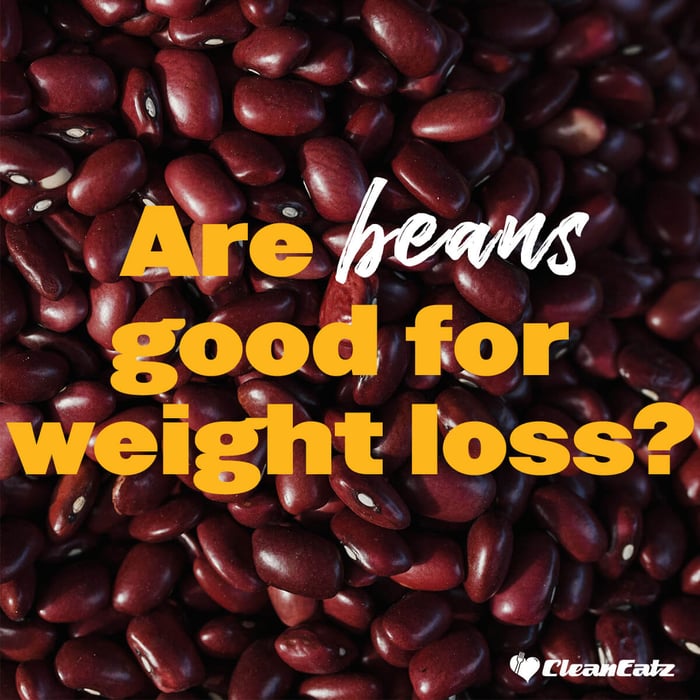

Quick Answer: Yes—beans are one of the best foods for weight loss. Their unique combination of plant protein (7-9g per ½ cup) and fiber (6-8g per ½ cup) creates powerful satiety that helps you eat less without feeling deprived. Research shows beans increase fullness by 31% compared to other foods, and regular bean consumers have significantly lower body fat. A ½ cup serving costs about 110-130 calories and keeps you satisfied for hours. Best choices: black beans, kidney beans, chickpeas, and lentils. Start with ½-1 cup daily, choose low-sodium canned or properly cooked dried beans, and pair with lean protein and vegetables for balanced meals.
Table of Contents
- The Humble Bean: Your Secret Weight Loss Weapon
- Why Beans Work So Well for Weight Loss
- Complete Nutrition Breakdown: All Bean Types Compared
- The Best Beans for Weight Loss (Ranked)
- How Many Beans Should You Eat?
- Buying Guide: Canned vs. Dried (And What to Look For)
- How to Prepare Beans for Maximum Benefits
- 10 Bean Meal Ideas with Calories
- 7 Common Bean Mistakes That Sabotage Weight Loss
- How to Reduce Gas and Bloating from Beans
- Frequently Asked Questions
- The Bottom Line
The Humble Bean: Your Secret Weight Loss Weapon
Let me share something that might surprise you: one of the most effective weight loss foods isn't trendy, doesn't require a prescription, and costs less than a dollar per serving. It's been sitting in your pantry—or the back of your grocery store—this whole time.
I'm talking about beans.
I know, I know. Beans don't have the glamour of superfoods or the buzz of the latest supplement. They don't come with celebrity endorsements or dramatic before-and-after photos. But here's what they do have: decades of research showing they help people lose weight and keep it off.
The reason is simple. Beans deliver something almost no other food can match—a powerful combination of plant protein AND fiber in the same package. That one-two punch creates a level of satisfaction that helps you naturally eat less without feeling like you're on a diet.
A cross-sectional study of 246 women found that those who ate the most beans had nearly 4 percentage points less body fat and more than 4 cm smaller waist circumference compared to women who ate the fewest beans. That's a significant difference from one simple dietary change.
This guide will show you exactly why beans work so well for weight loss, which varieties give you the best results, how much to eat, and how to prepare them without the uncomfortable side effects. By the end, you'll understand why this humble legume deserves a starring role in your weight loss journey.
Why Beans Work So Well for Weight Loss
Beans aren't magic—they just have the exact nutritional profile that makes weight loss easier. Here's the science behind their effectiveness:
The Protein + Fiber Satiety Effect
Most high-protein foods (like meat) have little fiber. Most high-fiber foods (like vegetables) have little protein. Beans have both—and that combination is uniquely powerful for controlling hunger.
A meta-analysis of 9 randomized crossover trials found that bean consumption increased acute satiety by 31% compared to control foods. That means you feel significantly more satisfied after eating beans than after eating the same number of calories from most other foods.
Why? Because protein and fiber work through different mechanisms:
- Protein triggers the release of satiety hormones (CCK, PYY, GLP-1) that signal fullness to your brain
- Fiber slows digestion, keeps food in your stomach longer, and feeds beneficial gut bacteria
- Together, they create lasting fullness that prevents the "I just ate but I'm still hungry" feeling
Low Glycemic Index = Stable Energy
Unlike refined carbs that spike and crash your blood sugar, beans have a low glycemic index (GI of 20-40 depending on variety). This means:
- Steady energy without the crash that triggers cravings
- Better insulin sensitivity over time
- Reduced fat storage compared to high-GI foods
Research shows that people eating low-GI diets find it easier to maintain a calorie deficit because they experience fewer hunger spikes and energy crashes throughout the day.
Gut Health Benefits
Beans contain resistant starch and oligosaccharides that feed your beneficial gut bacteria. These bacteria produce short-chain fatty acids (SCFAs) that may help regulate appetite and improve fat metabolism. A healthier gut microbiome is increasingly linked to easier weight management.
For a deeper dive into how fiber supports weight loss and overall health, see our Ultimate Guide to Dietary Fiber.
Beans vs. Meat for Satiety
Here's a fascinating finding: research from the University of Copenhagen found that protein-rich meals based on beans and peas increased satiety more than meat-based meals with similar protein content. Participants who ate bean-based meals consumed 12% fewer calories at their next meal compared to those who ate veal or pork.
The researchers concluded that beans' high fiber content provides satiation that even meat's higher protein can't match. This doesn't mean you need to replace all meat with beans—but adding beans to your diet can boost fullness beyond what protein alone provides.
Complete Nutrition Breakdown: All Bean Types Compared
All beans are nutritious, but they do vary slightly. Here's how the most common varieties compare (per ½ cup cooked):
| Bean Type | Calories | Protein | Fiber | Carbs | Fat |
|---|---|---|---|---|---|
| Black Beans | 114 | 7.6g | 7.5g | 20g | 0.5g |
| Kidney Beans | 112 | 7.7g | 6.5g | 20g | 0.4g |
| Pinto Beans | 122 | 7.7g | 7.7g | 22g | 0.6g |
| Chickpeas (Garbanzo) | 134 | 7.3g | 6.2g | 22g | 2.1g |
| Navy Beans | 127 | 7.5g | 9.6g | 24g | 0.6g |
| Cannellini (White) | 125 | 8.7g | 6.3g | 22g | 0.3g |
| Lentils | 115 | 9.0g | 7.8g | 20g | 0.4g |
| Black-Eyed Peas | 99 | 6.6g | 5.6g | 18g | 0.5g |
| Lima Beans | 108 | 7.3g | 6.6g | 20g | 0.4g |
Source: USDA FoodData Central. Values for cooked beans without added salt.
The Best Beans for Weight Loss (Ranked)
While all beans support weight loss, some varieties edge ahead based on their protein-to-calorie ratio, fiber content, and practical versatility:
🥇 Lentils
Why they win: Highest protein (9g per ½ cup), excellent fiber, and they cook faster than other beans (20-30 minutes, no soaking required). Red lentils break down into creamy soups; green and brown lentils hold their shape for salads.
🥈 Black Beans
Why they're excellent: Outstanding fiber-to-calorie ratio (7.5g fiber for 114 calories), versatile flavor that works in Latin, Southwestern, and Asian dishes. They're also among the highest in antioxidants.
🥉 Kidney Beans
Why they rank high: Classic chili bean with solid protein and fiber. Research shows kidney beans may help reduce blood pressure and blood sugar spikes. Great texture that holds up in hearty dishes.
Honorable Mentions:
- Navy beans: Highest fiber of common beans (9.6g per ½ cup)
- Cannellini beans: Highest protein among white beans, creamy texture
- Black-eyed peas: Lowest calories, mild flavor, causes less gas than other beans
The bottom line: Choose the beans you enjoy and will actually eat. The "best" bean is the one that becomes a consistent part of your diet.
How Many Beans Should You Eat?
Here's a practical framework for incorporating beans into a weight loss diet:
Daily Target
½ to 1 cup of cooked beans per day (about 110-220 calories)
The USDA Dietary Guidelines recommend 1-3 cups of legumes per week, but research on satiety and body composition suggests daily consumption provides better results. If you're new to beans, start with ½ cup and work up.
How Beans Fit Your Calorie Budget
| Daily Calorie Target | Suggested Bean Portion | % of Daily Calories |
|---|---|---|
| 1,400 calories | ½ cup (110-130 cal) | ~8% |
| 1,600 calories | ½-¾ cup (110-180 cal) | ~7-11% |
| 1,800 calories | ¾-1 cup (165-220 cal) | ~9-12% |
| 2,000+ calories | 1 cup (220 cal) | ~11% |
Not sure what your daily calorie target should be? Use our Calorie Calculator to find your personalized number.
When to Eat Beans
- Lunch: Ideal timing—beans at lunch prevent afternoon energy crashes and reduce snacking
- Dinner: Works well, especially if you struggle with evening hunger
- As a snack: A small portion (¼ cup) with vegetables can tide you over between meals
Buying Guide: Canned vs. Dried (And What to Look For)
Canned Beans: The Convenient Choice
Pros:
- Ready to eat in 2 minutes (drain, rinse, done)
- Long shelf life (2-5 years)
- Consistent quality and texture
- Lower lectin content (already cooked)
- Budget-friendly ($0.80-1.50 per can)
What to look for:
- "No salt added" or "low sodium" varieties (under 140mg per serving)
- Short ingredient list: beans, water, maybe salt
- BPA-free can lining (most major brands now use this)
- Store brands are typically identical to name brands at lower cost
Pro tip: Rinsing canned beans removes about 40% of the sodium. Always rinse, even low-sodium varieties.
Dried Beans: The Economical Choice
Pros:
- Cheapest option ($0.10-0.20 per cooked cup)
- Best texture and flavor when cooked properly
- No added sodium
- More variety available (specialty beans)
What to look for:
- Beans that are uniform in size and color
- No cracks, holes, or shriveling
- Sold in stores with good turnover (old beans take longer to cook)
- Bulk bins often offer the best prices
Cost Comparison
| Type | Cost per Cup (Cooked) | Prep Time |
|---|---|---|
| Dried beans (bulk) | $0.15-0.25 | 8+ hours (soak) + 1-2 hours cook |
| Dried beans (bag) | $0.25-0.40 | 8+ hours (soak) + 1-2 hours cook |
| Canned (store brand) | $0.50-0.70 | 2 minutes (drain/rinse) |
| Canned (name brand) | $0.80-1.00 | 2 minutes (drain/rinse) |
Either option works—choose based on your time, budget, and cooking preferences.
How to Prepare Beans for Maximum Benefits
Canned Beans (Quick Method)
- Open can and pour beans into a colander
- Rinse under cold water for 30-60 seconds
- Shake off excess water
- Add to recipe (or eat as-is with seasoning)
Dried Beans (Traditional Method)
Step 1: Sort and Rinse
Spread beans on a baking sheet and remove any debris, broken beans, or small stones. Rinse in a colander.
Step 2: Soak (Choose One Method)
- Overnight soak: Cover beans with 3 inches of water, soak 8-12 hours. Discard soaking water.
- Quick soak: Cover beans with water, bring to boil for 2 minutes, remove from heat, cover, let sit 1 hour. Discard water.
Step 3: Cook
- Add fresh water (3 cups water per 1 cup dried beans)
- Bring to boil, then reduce to simmer
- Cook until tender: 45-60 minutes for most beans, 20-30 minutes for lentils
- Add salt only in the last 10 minutes (earlier salt can toughen skins)
⚠️ Important Safety Note: Raw kidney beans contain high levels of lectins that can cause food poisoning. Always boil kidney beans for at least 10 minutes before simmering. Never cook kidney beans in a slow cooker from raw—the temperature isn't high enough to destroy lectins. Use canned kidney beans or boil dried beans first.
Batch Cooking Strategy
Cook a large batch of dried beans on the weekend, then portion into containers and refrigerate (5 days) or freeze (3 months). This gives you the economy of dried beans with the convenience of canned.
10 Bean Meal Ideas with Calories
Here's how to build satisfying, weight-loss-friendly meals around beans:
Lunch Ideas (400-500 calories)
1. Southwest Black Bean Bowl (~450 cal)
- ¾ cup black beans (170 cal)
- 4 oz grilled chicken breast (120 cal)
- ½ cup brown rice (110 cal)
- Salsa, lettuce, tomatoes, lime (30 cal)
- 1 tbsp Greek yogurt instead of sour cream (20 cal)
2. Mediterranean Chickpea Salad (~420 cal)
- ¾ cup chickpeas (200 cal)
- 3 cups mixed greens (25 cal)
- Cucumber, tomatoes, red onion (30 cal)
- 2 oz feta cheese (150 cal)
- Lemon-herb dressing (15 cal)
3. Bean and Tuna Salad (~380 cal)
- ½ cup cannellini beans (125 cal)
- 5 oz canned tuna in water (130 cal)
- Mixed vegetables, lemon juice (40 cal)
- 2 tsp olive oil (80 cal)
- Fresh herbs (5 cal)
Dinner Ideas (450-550 calories)
4. Turkey and Bean Chili (~480 cal)
- ½ cup kidney beans + ½ cup black beans (225 cal)
- 4 oz lean ground turkey (170 cal)
- Tomatoes, peppers, onions, spices (60 cal)
- 2 tbsp shredded cheese (25 cal)
5. Lentil and Vegetable Curry (~420 cal)
- 1 cup cooked lentils (230 cal)
- Mixed vegetables (broccoli, spinach, peppers) (50 cal)
- Curry sauce (light coconut milk base) (100 cal)
- ¼ cup brown rice (40 cal)
6. Bean Tacos (~470 cal)
- ¾ cup pinto beans, mashed and seasoned (180 cal)
- 3 small corn tortillas (150 cal)
- Cabbage slaw, pico de gallo (40 cal)
- 2 tbsp guacamole (50 cal)
- Hot sauce, lime, cilantro (10 cal)
Quick Meals (Under 400 calories)
7. Bean and Egg Scramble (~350 cal)
- ½ cup black beans (115 cal)
- 2 eggs scrambled (140 cal)
- Salsa (20 cal)
- 1 small corn tortilla (75 cal)
8. White Bean and Kale Soup (~280 cal)
- ¾ cup cannellini beans (190 cal)
- 2 cups kale (70 cal)
- Low-sodium broth, garlic, herbs (20 cal)
9. Hummus Veggie Plate (~350 cal)
- ½ cup hummus (200 cal)
- Raw vegetables for dipping (50 cal)
- 2 whole grain crackers (100 cal)
10. Quick Bean Burrito Bowl (~390 cal)
- ¾ cup black beans (170 cal)
- ½ cup cauliflower rice (15 cal)
- Fajita vegetables (60 cal)
- ¼ cup salsa (20 cal)
- ¼ avocado (80 cal)
- 2 tbsp Greek yogurt (25 cal)
- Hot sauce, lime (20 cal)
Want more meal ideas and done-for-you portions? Our Weight Loss Meal Plan includes calorie-controlled meals with beans and legumes built right in—no measuring required.
7 Common Bean Mistakes That Sabotage Weight Loss
1. Adding Too Many High-Calorie Toppings
The mistake: Drowning beans in cheese, sour cream, and oils. A simple ½ cup of beans (115 cal) can become 400+ calories with heavy toppings.
The fix: Use Greek yogurt instead of sour cream (saves 30 cal per 2 tbsp), measure cheese portions, and flavor with salsa, herbs, lime, and spices instead of fat.
2. Not Counting Refried Beans Accurately
The mistake: Assuming refried beans are the same as whole beans. Traditional refried beans are cooked with lard or oil and can have 50-100 more calories per serving.
The fix: Choose "fat-free" or "vegetarian" refried beans, or make your own by mashing whole pinto beans with spices.
3. Treating Beans as a "Free" Food
The mistake: Eating unlimited beans because they're "healthy." At 110-130 calories per ½ cup, 2-3 cups adds 450-800 calories.
The fix: Measure portions, especially when starting. Beans are healthy but still have calories that count.
4. Ignoring Sodium in Canned Beans
The mistake: Using regular canned beans without rinsing. Some contain 400-500mg sodium per serving, which can cause water retention and bloating that masks progress.
The fix: Choose low-sodium varieties and always rinse. Track sodium if you eat multiple servings.
5. Eating Beans Without Protein
The mistake: Making beans-only meals. While beans have protein, it's incomplete and the amounts are modest compared to meat, fish, or eggs.
The fix: Pair beans with animal protein (chicken, fish, eggs) or combine with rice/grains to create complete proteins. Aim for 25-40g protein per meal. Check your targets with our Protein Intake Calculator.
6. Starting with Too Much, Too Fast
The mistake: Going from zero beans to a cup daily overnight. Your gut bacteria need time to adjust, leading to uncomfortable gas and bloating.
The fix: Start with ¼ cup, increase by ¼ cup every few days. Most people adapt within 2-3 weeks.
7. Not Cooking Dried Beans Properly
The mistake: Skipping the soak or not cooking beans until fully tender. Undercooked beans cause more digestive discomfort and may contain higher lectin levels.
The fix: Soak dried beans overnight, discard soaking water, and cook until completely soft. When in doubt, use canned.
How to Reduce Gas and Bloating from Beans
Let's address the elephant in the room. Beans can cause gas—but it doesn't have to be severe, and it typically decreases significantly as your body adapts.
Why Beans Cause Gas
Beans contain oligosaccharides (complex sugars) that humans can't digest. These pass to your large intestine where bacteria ferment them, producing gas. This is actually a sign of healthy gut bacteria activity—but it can be uncomfortable.
Strategies That Work
1. Start Small and Build Up
Begin with ¼ cup and increase gradually over 2-3 weeks. Your gut bacteria adapt and gas production typically decreases significantly.
2. Rinse Canned Beans Thoroughly
The liquid in canned beans contains dissolved oligosaccharides. Rinsing removes some of these compounds.
3. Soak and Discard Water for Dried Beans
Soaking leaches out some oligosaccharides. Always discard the soaking water and cook in fresh water.
4. Try Different Varieties
Some beans cause less gas than others. Generally easier to digest: lentils, black-eyed peas, and adzuki beans. Higher gas potential: kidney beans, navy beans, and lima beans.
5. Cook Until Very Soft
Thoroughly cooked beans are easier to digest. Don't rush the cooking process.
6. Add Digestive Aids
- Cook beans with a piece of kombu seaweed (may help break down oligosaccharides)
- Add carminative herbs like cumin, fennel, or ginger to recipes
- Take enzyme supplements like Beano before eating (contains alpha-galactosidase)
7. Don't Give Up Too Soon
Most people who stick with regular bean consumption find that gas decreases substantially after 2-3 weeks as their gut bacteria adjust.
Frequently Asked Questions
Are beans good for weight loss?
Yes—beans are excellent for weight loss. They provide a rare combination of plant protein (7-9g per half cup) and fiber (6-8g per half cup) that creates lasting fullness. Research shows bean consumption increases satiety by 31% compared to other foods, and women who eat beans regularly have nearly 4% lower body fat and 4cm smaller waist circumference on average.
How many beans should I eat per day for weight loss?
Start with ½ to 1 cup of cooked beans per day (about 110-220 calories). The USDA recommends 1-3 cups of legumes per week, but research suggests daily consumption provides the best satiety benefits. Adjust portions to fit your calorie target—beans should enhance your meals, not dominate them.
Which beans are best for weight loss?
All beans support weight loss, but black beans, kidney beans, and lentils offer the best protein-to-calorie ratio. Black beans provide 7.6g protein and 7.5g fiber per half cup for just 114 calories. Lentils have the highest protein at 9g per half cup. Choose the beans you enjoy most—consistency matters more than minor nutritional differences.
Are canned beans as healthy as dried beans?
Yes—canned beans are nutritionally comparable to dried beans and often more practical. Choose low-sodium or no-salt-added varieties and rinse before using, which removes about 40% of the sodium. Canned beans are already cooked, making them convenient for quick meals.
Do beans cause weight gain because of carbs?
No—beans contain complex carbohydrates with a low glycemic index, meaning they digest slowly and don't spike blood sugar like refined carbs. The fiber in beans also feeds beneficial gut bacteria and creates compounds that may actually help with fat metabolism. Research consistently shows bean consumers have lower body weight, not higher.
How do I reduce gas from eating beans?
Start with small portions (¼ cup) and increase gradually over 2-3 weeks as your gut bacteria adapt. Rinse canned beans thoroughly. For dried beans, soak overnight and discard the soaking water before cooking. Try different varieties—lentils and black-eyed peas tend to cause less gas.
Can I eat beans on a low-carb diet?
Beans are moderate in carbs (about 20g per half cup), which may not fit strict keto diets (under 20g daily). However, for moderate low-carb approaches (50-100g daily), beans can absolutely fit. A half cup of black beans has about 12-13g net carbs and provides substantial protein and fiber.
Are beans better than meat for weight loss?
Research found bean-based meals increased satiety more than meat-based meals with similar calories, and people ate 12% fewer calories at their next meal. This is likely due to beans' fiber content. However, meat provides more complete protein. The best approach is including both—beans can replace some meat servings to boost fiber while keeping protein high.
The Bottom Line
Beans might not be glamorous, but they're one of the most effective weight loss foods you can eat. The research is consistent: the protein-fiber combination creates genuine satisfaction that helps you eat less without feeling deprived.
Here's your action plan:
- Start with ½ cup daily of any bean variety you enjoy
- Choose low-sodium canned beans for convenience (rinse well) or cook dried beans in batches
- Pair beans with lean protein and vegetables for balanced, satisfying meals
- Give your gut 2-3 weeks to adapt before judging digestive tolerance
- Track portions until you get a feel for appropriate serving sizes
Beans work because they make eating less feel sustainable. When you're genuinely satisfied after meals, staying in a calorie deficit stops feeling like punishment. That's the real secret to lasting weight loss.
Ready to build balanced, portion-controlled meals that include the right mix of protein, carbs, and fiber? Our Build Your Meal Plan lets you customize your week with dietitian-designed meals—many featuring beans and legumes. Or grab our Weight Loss Meal Plan for calorie-controlled meals ready in minutes. No subscription required.
Disclaimer: This article provides general nutrition information and is not medical advice. Individual needs vary based on health status, dietary restrictions, and personal goals. If you have kidney disease, gout, or other conditions that may be affected by legume consumption, consult with your healthcare provider. Those with legume allergies (including peanut and soy allergies) should exercise caution, as cross-reactivity can occur.