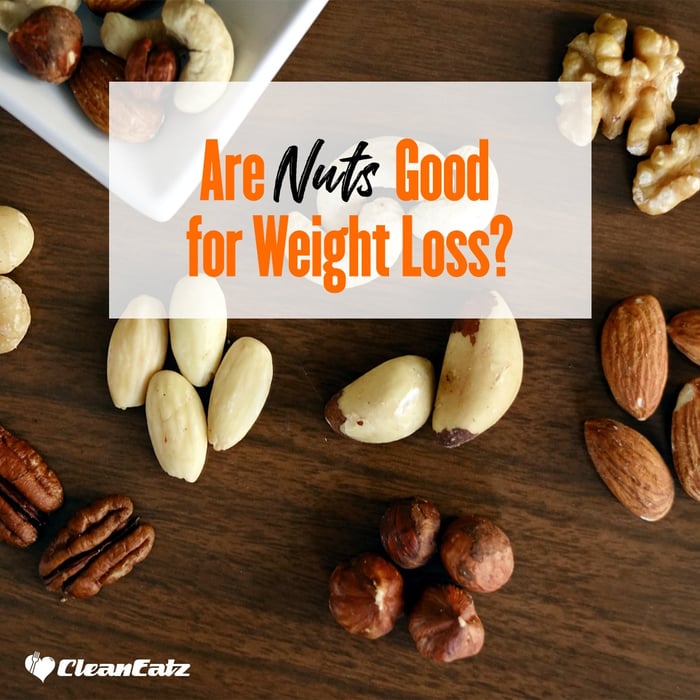
Quick Answer: Nuts can fit into a weight-loss diet, but portion size matters because they are calorie-dense. One ounce (about a small handful) of nuts typically contains around 160–200 calories, so eating large amounts can easily add extra calories. However, nuts also provide protein, fiber, and unsaturated fats, which may help with satiety for some people. When eaten in modest portions—such as about one ounce—they can be included in a balanced eating pattern without necessarily interfering with weight management.
Last updated: March 21, 2026
If you’ve been avoiding nuts because they seem too high in calories to fit into a weight-loss plan, you’re not alone. Nuts are energy-dense foods, which can make them seem like something to limit when trying to reduce calorie intake. However, research suggests the relationship between nut consumption and body weight may be more complex than it appears.
Multiple large-scale studies have found that nut eaters tend to weigh less and have smaller waistlines than people who don't eat nuts.1 A 2024 systematic review and meta-analysis found that nut consumption is linked to a 7% lower rate of overweight and obesity in long-term studies, with researchers concluding that "the concern that eating nuts contributes to increased adiposity appears unwarranted."2
So what makes nuts so weight-loss friendly? It comes down to how your body processes them—and how they affect your appetite for hours after eating.
Why Nuts Support Weight Loss (The Science)
The calorie count on a nutrition label doesn't tell the whole story when it comes to nuts.
Your body doesn't absorb all the calories from nuts—particularly when you eat them whole rather than as nut butter or oil. Research shows that the structure of nuts means a significant portion passes through your digestive system unabsorbed.3 One study found that about 18% of the fat in whole peanuts was excreted rather than absorbed, compared to only 7% from peanut butter.4
Beyond incomplete absorption, nuts work for weight loss through several mechanisms. The combination of protein, fiber, and healthy unsaturated fats creates a trifecta for satiety.
When you eat nuts, you feel full faster and stay satisfied longer, which naturally leads to eating less at subsequent meals. Studies have found that 54–104% of the extra calories from adding nuts to the diet are offset by eating less of other foods throughout the day.5
There's also evidence that nuts may boost your metabolism. One study found that participants burned 28% more calories after a meal containing walnuts compared to a meal with fat from dairy sources.6 While more research is needed, this thermogenic effect could partially explain why nut eaters don't gain weight despite the additional calories.
For a deeper dive into how different foods affect weight loss, our complete guide to the best foods for weight loss covers the science behind building a satisfying, sustainable diet.
The Best Nuts for Weight Loss
While all nuts offer nutritional benefits, some stand out for weight management. Here's what makes each option worth including in your diet.
Almonds are often considered the gold standard for weight loss nuts. They're high in protein (6 grams per ounce) and fiber (3.5 grams per ounce), both of which promote satiety. Almonds also contain magnesium, which helps your cells produce energy from food and may help reduce cravings. A 24-week study found that people following a low-calorie diet with almonds lost 18% of their body weight compared to 11% for those on the same calorie level without almonds.7
Walnuts are unique among nuts for their high omega-3 fatty acid content. These healthy fats help regulate hormones related to hunger and satiety, and research suggests they may support the creation of new fat-burning cells. A study found that incorporating walnuts into a reduced-calorie diet led to weight loss plus cardiovascular benefits including improved cholesterol levels and lower blood pressure.8
Pistachios deserve special mention for weight loss because they come with built-in portion control. The act of cracking open each shell slows down your eating pace, giving your body time to register fullness. They're also among the lowest-calorie nuts at about 160 calories per ounce, and the visual cue of empty shells helps you track how much you've eaten.
Cashews are slightly higher in calories than other options, but they still support weight management through their combination of healthy fats, protein, and fiber. They're particularly satisfying and can help manage cravings between meals when you're watching your calorie intake.
How to Add Nuts to Your Diet Without Overeating
The benefits of nuts come with an important caveat: portion control matters.
A serving size is about one ounce—roughly one small handful, or about 23 almonds, 14 walnut halves, or 49 pistachios. That's typically 160-200 calories, which fits easily into a weight loss plan when you account for it.
The easiest way to avoid mindless overeating is to pre-portion your nuts rather than eating straight from a large container. Keep single-serving bags or containers ready for grab-and-go snacking, whether you're heading to work or need something to tide you over between meals.
Nuts are incredibly versatile beyond snacking. Add chopped almonds or walnuts to your morning oatmeal or yogurt for extra staying power. Toss them into salads for crunch and protein. Use nut butter on whole grain toast as a satisfying breakfast or snack. You can even incorporate crushed nuts into coatings for baked chicken or fish as a healthier alternative to breadcrumbs.
When choosing nuts, opt for unsalted or lightly salted varieties to keep sodium intake in check. Raw or dry-roasted nuts are better choices than those roasted in oil, which adds extra calories without additional benefits.
For meal prep ideas that incorporate healthy fats and protein, check out our complete meal prep guide, which covers strategies for building balanced meals that support your weight loss goals.
Nuts and Fiber: A Weight Loss Connection
One of the most underrated reasons nuts support weight loss is their fiber content.
Fiber slows digestion, stabilizes blood sugar levels, and feeds the beneficial bacteria in your gut—all of which influence how your body manages weight.
A 2024 study examining nut consumption in over 2,000 adults found that people who ate nuts regularly had greater gut microbiota diversity, which was linked to more favorable body fat distribution.9 This gut-health connection is an emerging area of research that suggests the benefits of nuts extend beyond their macronutrient profile.
Most Americans don't get enough fiber, and nuts offer an easy way to boost your intake without adding empty carbohydrates. Almonds provide about 3.5 grams of fiber per ounce, while pistachios offer about 3 grams. For more on how fiber supports weight management and overall health, our ultimate guide to dietary fiber covers everything you need to know.
Common Concerns About Nuts and Weight Loss
Many people worry that nuts are “too fattening” to include in a weight-loss diet. This concern is understandable—fat provides about 9 calories per gram, making it the most calorie-dense macronutrient. However, the type of fat and the overall portion size can make a meaningful difference.
Nuts are rich in unsaturated fats, particularly monounsaturated and polyunsaturated fats. These fats are generally associated with cardiovascular benefits and can also help promote satiety. In addition, the fat in nuts helps the body absorb fat-soluble vitamins such as vitamins A, D, E, and K.
Some people also wonder whether certain nuts should be avoided entirely. While nuts like Brazil nuts, macadamia nuts, and pecans are higher in calories than options like almonds or pistachios, they are not inherently incompatible with weight management—they simply require more attention to portion sizes. Brazil nuts, for example, are particularly rich in selenium, and even one or two per day can provide a meaningful amount of this nutrient.
The key is considering nuts within your overall calorie intake rather than viewing them as a food to eliminate. When eaten in moderate portions—especially in place of more refined snack foods such as chips, crackers, or candy—nuts can fit into a balanced eating pattern.
Making Nuts Part of a Complete Weight Loss Strategy
While nuts are a valuable tool, sustainable weight loss comes from your overall eating pattern rather than any single food. Combining nutrient-dense snacks like nuts with balanced, portion-controlled meals creates the foundation for long-term success.
If you're looking for an easier way to manage your nutrition while losing weight, our Weight Loss Meal Plan provides calorie-controlled, macro-balanced meals that take the guesswork out of dieting. Each meal is designed to keep you satisfied while maintaining the calorie deficit needed for weight loss. You can also explore our clean protein bars for a convenient snack option that pairs well with a handful of nuts for a balanced afternoon pick-me-up.
Frequently Asked Questions
Do nuts help you lose belly fat?
Research suggests that eating about one ounce of nuts several times per week is associated with reduced abdominal obesity. A 2024 study found that nut consumption was linked to beneficial body fat distribution, particularly when nuts replace less healthy snacks like chips or processed foods.10
How many nuts should I eat per day for weight loss?
A serving size of about one ounce (28 grams) per day—roughly a small handful—is ideal for weight loss. The 2020-2025 Dietary Guidelines for Americans recommend adults on a 2,000-calorie diet consume about 5 ounces of nuts, seeds, and soy products per week.
Which nuts are best for weight loss?
Almonds, walnuts, and pistachios are considered top choices. Almonds are high in protein and fiber, walnuts provide omega-3 fatty acids that help regulate appetite, and pistachios are among the lowest-calorie nuts with built-in portion control from their shells.
Can eating too many nuts cause weight gain?
Yes, portion control matters. While research shows that moderate nut consumption doesn't lead to weight gain, eating more than one or two handfuls daily adds surplus calories that could replace more nutritious options and potentially lead to weight gain.
Are nuts better than other snacks for weight loss?
Yes. Studies show that people who eat nuts regularly tend to consume less red meat and refined carbohydrates. Replacing snacks like chips, crackers, or candy with nuts provides protein, fiber, and healthy fats that keep you fuller longer and support weight management.
The Bottom Line
Despite their calorie density, nuts are a weight-loss-friendly food when eaten in moderation. The combination of protein, fiber, healthy fats, and incomplete calorie absorption makes them uniquely satisfying—helping you eat less overall while getting essential nutrients. A daily serving of about one ounce fits easily into a calorie-controlled diet and may actually enhance your weight loss results compared to avoiding nuts entirely.
The best approach is to pre-portion your servings, choose unsalted or lightly salted varieties, and use nuts to replace less nutritious snacks rather than adding them on top of your current eating pattern. When combined with balanced meals and regular physical activity, nuts can be a delicious part of your weight loss journey.
References
1. Bes-Rastrollo M, et al. Prospective study of nut consumption, long-term weight change, and obesity risk in women. American Journal of Clinical Nutrition. 2009.
2. Nishi SK, et al. Nut consumption and adiposity: A systematic review and meta-analysis of prospective cohort studies and randomized controlled trials. Obesity Reviews. 2024.
3. Baer DJ, et al. Measured energy value of pistachios in the human diet. British Journal of Nutrition. 2012.
4. Levine AS, Silvis SE. Absorption of whole peanuts, peanut oil, and peanut butter. New England Journal of Medicine. 1980.
5. Mattes RD, Dreher ML. Nuts and healthy body weight maintenance mechanisms. Asia Pacific Journal of Clinical Nutrition. 2010.
6. Kris-Etherton PM, et al. The role of tree nuts and peanuts in the prevention of coronary heart disease: multiple potential mechanisms. Journal of Nutrition. 2008.
7. Wien M, et al. Almonds vs complex carbohydrates in a weight reduction program. International Journal of Obesity. 2003.
8. Rock CL, et al. Walnut consumption in a weight reduction intervention: Effects on body weight, biological measures, blood pressure and satiety. Nutrition Journal. 2017.
9. Shi Y, et al. Nut consumption, gut microbiota, and body fat distribution: Results of a large, community-based population study. Frontiers in Nutrition. 2024.
10. Mead LC, et al. Effects of energy-restricted diets with or without nuts on weight, body composition and glycaemic control in adults: A scoping review. Nutrition Research Reviews. 2024.
Disclaimer: This article is for educational purposes only and does not replace medical or personalized nutrition advice.