
Quick Answer: Whether Bodyarmor is good for you depends entirely on which version you grab and why. Bodyarmor Original carries 120 calories and 29g of sugar per 16 oz bottle, which is more added sugar than the American Heart Association recommends women consume in an entire day. Bodyarmor Zero Sugar (10 calories, 0g sugar) and Bodyarmor Lyte (20 calories, 2g sugar) deliver the same electrolytes without the sugar load. Sports drinks are built for intense exercise lasting 60+ minutes, not everyday hydration or casual workouts, so for most people most of the time, water is the better call.
Table of Contents
- The Sports Drink Confusion: What No One Tells You
- What Is Bodyarmor? Breaking Down the Product Line
- Complete Nutrition Comparison: All Bodyarmor Versions
- The Weight Loss Truth: Why Regular Bodyarmor Works Against You
- When You Need a Sports Drink (And When You Don't)
- Better Hydration Alternatives for Weight Loss
- Bodyarmor vs. Other Sports Drinks
- 7 Common Mistakes People Make with Sports Drinks
- Smart Strategies: If You Choose to Drink Bodyarmor
- Frequently Asked Questions
- The Bottom Line
The Sports Drink Confusion: What No One Tells You
You're at the gym, you just finished a solid 45-minute workout, and you reach for that colorful bottle of Bodyarmor because it looks healthier than a soda and tastes way better than plain water. The label promises electrolytes, vitamins, and coconut water. Athletes endorse it. It must be good for you, right?
Not necessarily. And if you're trying to lose weight, that "healthy" sports drink could be quietly sabotaging your calorie deficit.
It can happen pretty easily, too. Someone commits to eating clean, tracking their meals, and hitting the gym consistently, and then casually drinks 2-3 Bodyarmor bottles throughout the day without thinking twice. That's potentially 360 extra calories and 87 grams of sugar that never get counted. No wonder the scale isn't budging.
Bodyarmor has positioned itself as a healthier sports drink alternative. In some ways, it is. It uses coconut water, skips artificial colors, and packs in vitamins. But "healthier than Gatorade" and "good for you" are two very different claims, and they get conflated constantly.
This guide will give you the complete, honest breakdown of Bodyarmor drinks, every version, every calorie, every gram of sugar, so you can decide whether they belong in your routine.
What Is Bodyarmor? Breaking Down the Product Line
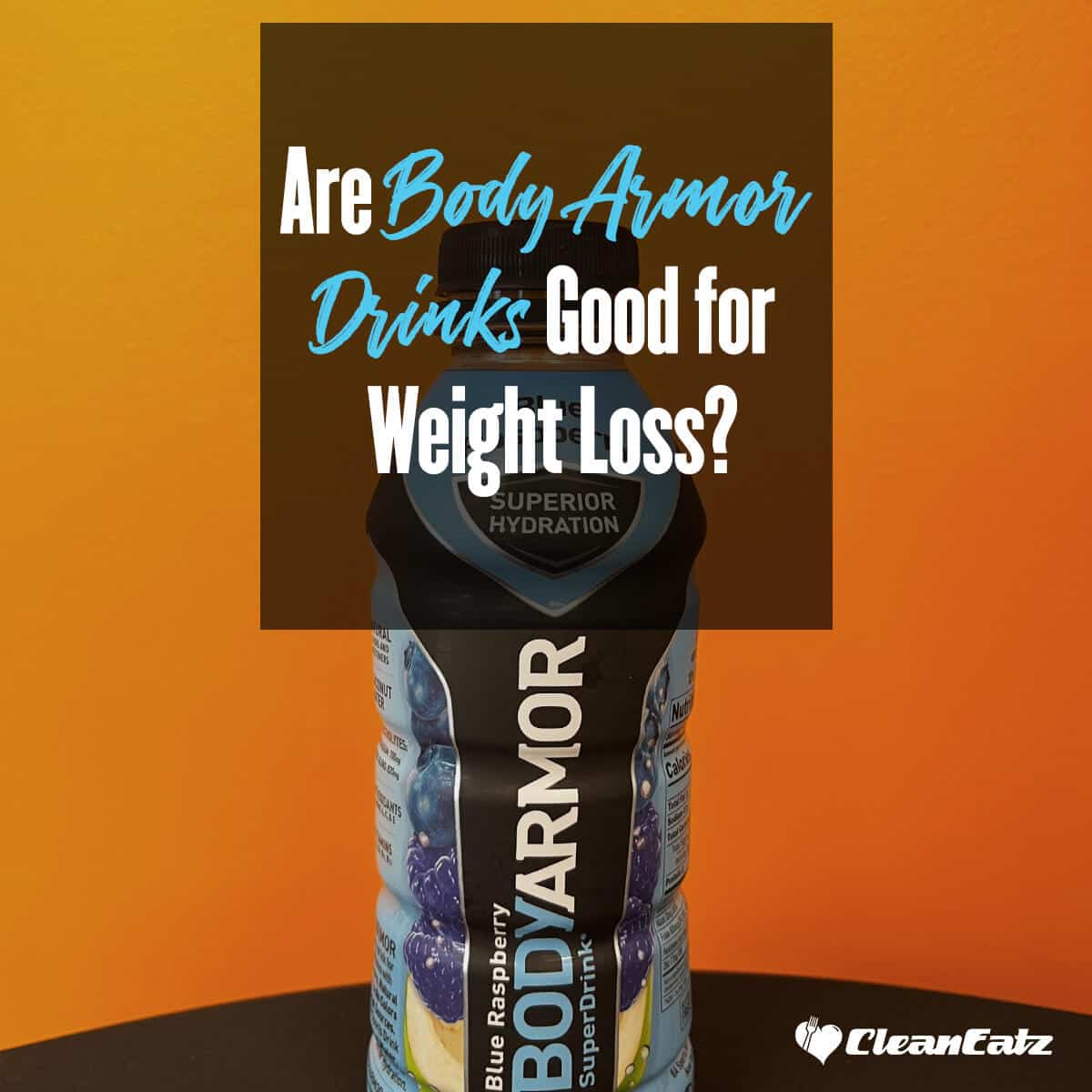
Bodyarmor, styled BODYARMOR on the bottle and commonly written as body armor, launched in 2011 as a "better-for-you" sports drink alternative. The brand gained massive traction when Kobe Bryant became an early investor, and it's now owned by Coca-Cola. Their marketing emphasizes natural ingredients, coconut water, and superior hydration.
Bodyarmor isn't just one drink, though. They have multiple product lines with dramatically different nutrition profiles. These include:
Bodyarmor Original
This flagship product contains coconut water, pure cane sugar, and a blend of electrolytes and vitamins. This is what most people grab when they see "Bodyarmor" on the shelf.
Bodyarmor Lyte
A lower-calorie version sweetened with allulose (a non-digestible carbohydrate that tastes sweet but provides almost no usable calories) and stevia instead of cane sugar. Worth noting if you've read older reviews of this drink: Lyte used to be sweetened with erythritol, and the current formula has moved to allulose. Designed for people who want electrolytes without the sugar load.
Bodyarmor Zero Sugar
The lowest-calorie option, sweetened with stevia. Contains vitamins and electrolytes with virtually no caloric impact. Unlike Original and Lyte, this one skips the coconut water entirely.
Bodyarmor Flash I.V.
A rapid rehydration formula with significantly more sodium than the other versions. This is designed for serious athletes and illness recovery, and it sits much closer to a medical rehydration solution than to a standard sports drink. It comes in both cane sugar and zero sugar varieties, and as of early 2026 there is also a caffeinated version.
The version you choose makes an enormous difference. Let's break down exactly what's in each one.
Complete Nutrition Comparison: All Bodyarmor Versions
Before you can decide if Bodyarmor fits your goals, you need the numbers. Here's how all four main versions compare, based on current product labels:
| Nutrient | Original (16 oz) | Lyte (16 oz) | Zero Sugar (16 oz) | Flash I.V. (20 oz) |
|---|---|---|---|---|
| Calories | 120 | 20 | 10 | 15-80 |
| Sugar | 29g | 2g | 0g | 0-19g |
| Sodium | 30mg | 30mg | 5-10mg | 530mg |
| Potassium | 680mg | 680mg | 620mg | 720mg |
| Sweetener | Cane sugar | Allulose + stevia | Stevia | Cane sugar or allulose + stevia |
Exact figures vary a little by flavor. The Fruit Punch Original label, for example, lists 130 calories and 29g of added sugar. Read the bottle you're holding.
Choosing Bodyarmor Zero Sugar over the Original saves you 110 calories and 29 grams of sugar per bottle. Over a week of daily drinking, that's 770 fewer calories, without changing anything else about what you eat.
What About Those Vitamins?
All Bodyarmor versions contain B vitamins (B3, B5, B6, B9, B12) and antioxidant vitamins (A, C, E). While these are beneficial, here's the reality check: if you're eating a balanced diet with plenty of vegetables, fruits, and lean proteins, like those in our 100 Best Foods for Weight Loss guide, you're likely getting adequate amounts of these vitamins already.
The vitamins in Bodyarmor are a nice bonus, but they don't justify the sugar and calorie load of the original version.
The Weight Loss Truth: Why Regular Bodyarmor Works Against You
Let's get specific about why original Bodyarmor is problematic for weight loss. It comes down to three factors:
1. Liquid Calories
Your body processes liquid calories from sugar differently than solid food calories. When you eat a 120-calorie snack, say, a hard-boiled egg with some vegetables, your stomach registers fullness and sends satiety signals to your brain. When you drink 120 calories of Bodyarmor? Those signals barely register.
Research confirms this. A clinical trial published in the American Journal of Clinical Nutrition found that reducing caloric beverages by just 2 servings per day resulted in approximately 2 kg (4.4 lbs) of weight loss over 6 months, without any other dietary changes.
Liquid calories are essentially "invisible" to your appetite regulation system. You'll drink that Bodyarmor and still eat the same lunch you would have eaten anyway.
2. Excess Sugar
One 16-oz bottle of regular Bodyarmor contains 29 grams of sugar. To put that in perspective:
| Comparison | Sugar Content |
|---|---|
| Bodyarmor Original (16 oz) | 29g |
| AHA Daily Limit (Women) | 25g (6 tsp) |
| AHA Daily Limit (Men) | 36g (9 tsp) |
Yes, you read that right. A single Bodyarmor Original exceeds the American Heart Association's recommended daily added sugar limit for women, in just one bottle. According to the American Heart Association, limiting added sugars to no more than 6% of daily calories is crucial for heart health and weight management.
3. The Research Connection to Weight Gain
This isn't just theory. A seven-year study published in the journal Obesity followed over 7,500 adolescents and young adults. The researchers found that more frequent sports beverage consumption was associated with increased BMI and higher rates of overweight and obesity. Separately, Harvard's School of Public Health notes that sports drinks are really only beneficial for adults engaged in high-intensity exercise lasting more than one hour, not for casual workouts or daily hydration.
When You Need a Sports Drink (And When You Don't)
Here's the honest truth: most people don't need sports drinks at all.
You Might Benefit from a Sports Drink If:
- You're exercising at high intensity for more than 60-90 minutes
- You're sweating heavily in hot, humid conditions
- You're doing endurance activities (marathon training, long cycling sessions)
- You're recovering from illness with significant fluid loss
- You're an athlete who needs rapid glycogen replenishment post-training, in which case you'd intentionally choose one that contains sugar, like regular Bodyarmor, because your body will convert the sugar to glycogen
You Probably Don't Need a Sports Drink If:
- Your workout is under 60 minutes
- You're doing moderate-intensity exercise (walking, light weights)
- You're just thirsty during your regular day
- You're trying to lose weight
- You're exercising in an air-conditioned gym
For the vast majority of gym-goers doing 30-60 minute sessions, water is all you need. Your body has plenty of glycogen stores to fuel a typical workout, and you can replenish electrolytes through whole foods in your next meal. If you're still building your training routine and want to know what drives results, our complete exercise guide for weight loss walks through the evidence in depth.
Timing matters too. Our guide to hydration timing for post-workout recovery covers when electrolytes help and when they're just extra calories. If you sweat heavily, calculating your sweat rate tells you how much you're losing.
Better Hydration Alternatives for Weight Loss
If you want to stay hydrated during weight loss without adding calories, here are your best options:
| Option | Calories | Sugar | Best For |
|---|---|---|---|
| Plain Water | 0 | 0g | Daily hydration, most workouts |
| Bodyarmor Zero Sugar | 10 | 0g | Flavor + electrolytes with minimal calories |
| Bodyarmor Lyte | 20 | 2g | Low-cal option, and many people prefer allulose to straight stevia |
| Electrolyte Tablets (Nuun, LMNT) | 0-15 | 0-1g | Customizable, portable, cost-effective |
| Water + Lemon/Lime | ~5 | ~1g | Natural flavor without sweeteners |
| Coconut Water (plain) | 45 | 9g | Natural electrolytes, but watch portions |
For more ways to make water less boring without adding sugar, see our guide to flavored water for weight loss.
DIY Electrolyte Water
Want electrolytes without any added cost or calories? Make your own:
- 32 oz water
- 1/8 teaspoon salt (sodium)
- Squeeze of lemon or lime juice (potassium + flavor)
- Optional: splash of 100% fruit juice for taste
Total cost: essentially free. Total calories: under 10.
Bodyarmor vs. Other Sports Drinks
The useful comparison is Gatorade, the drink Bodyarmor positions itself against. Per bottle, as each is usually sold:
| Per bottle | Calories | Sugar | Sodium | Potassium |
|---|---|---|---|---|
| Bodyarmor Original (16 oz) | 120 | 29g | 30mg | 680mg |
| Gatorade Thirst Quencher (20 oz) | 140 | 34g | 270mg | about 80mg |
Gatorade figures are from USDA FoodData Central's branded foods data (search "Gatorade Thirst Quencher" at FoodData Central). Ounce for ounce the two carry similar sugar. The real difference is the electrolytes: Bodyarmor is heavy on potassium from coconut water, and Gatorade carries about nine times the sodium per bottle.
Here's the irony. Bodyarmor markets itself as the healthier option, but the low sodium content in the original formula makes it less effective for sports hydration, because sodium is the primary electrolyte you lose in sweat. If heavy sweat loss is your problem, Bodyarmor's own Flash I.V. line, at 530mg of sodium per 20 oz bottle, is the one built for the job.
7 Common Mistakes People Make with Sports Drinks
These are the most common ways a sports drink ends up working against a weight-loss plan.
1. Drinking Sports Drinks for General Wellness
Choosing Bodyarmor over water because it has vitamins and electrolytes, even when not exercising. You're adding 120 calories and 29g of sugar for nutrients you could get from a balanced, nutritious diet.
2. Not Counting Liquid Calories
Meticulously tracking every bite of food but ignoring beverages. Three Bodyarmors per day can add nearly 400 calories to your daily intake, which could lead to weight gain if not accounted for. Use our calorie calculator to understand your total daily needs, including drinks.
3. Drinking Sports Drinks After Short Workouts
Grabbing a sports drink after a 30-minute treadmill session. A regular Bodyarmor may contain nearly as many calories as you burn during a short, light or moderate intensity workout. Water is sufficient for most workouts under 60 minutes.
4. Ignoring Serving Sizes
Not realizing that larger bottles contain multiple servings. A 28 oz bottle contains 1.75 servings of a 16 oz pour. If the label lists calories per serving and you drink the whole bottle, do the multiplication before you log it.
5. Assuming "Natural" Means Low-Calorie
Thinking that "pure cane sugar" and "coconut water" make the calories healthier. Your body processes cane sugar the same as any other sugar. Natural doesn't mean calorie-free.
6. Using Sports Drinks to Replace Meals
Skipping breakfast and "making up for it" with Bodyarmor. You get calories without protein, fiber, or satiety, which will likely leave you feeling hungry again in no time.
7. Choosing the Wrong Version
Grabbing whatever Bodyarmor is on sale without checking which version it is. The difference between Original (120 cal) and Zero Sugar (10 cal) is enormous for someone trying to lose weight. Always check the label.
Smart Strategies: If You Choose to Drink Bodyarmor
Water gets boring, and sometimes you want something with flavor. If you're going to include Bodyarmor in your routine, here's how to do it intelligently:
Strategy 1: Choose the Right Version
For weight loss: Bodyarmor Zero Sugar or Lyte only. Save the original for endurance activities or as an occasional treat that you track.
Strategy 2: Time It Right
If you want the original version, consume it during or immediately after intense workouts lasting 60+ minutes. This is when your body can put the sugar toward glycogen replenishment.
Strategy 3: Track Every Bottle
Add it to your food log just like you would a snack. A bottle of regular Bodyarmor has more calories than some protein bars.
Strategy 4: Dilute It
Mix half a bottle of regular Bodyarmor with water. You get the flavor and some electrolytes at half the calories.
Frequently Asked Questions
Is Body Armor good for you?
It depends on which version and why you're drinking it. Bodyarmor Original delivers electrolytes and vitamins but also about 120 calories and 29g of added sugar per 16 oz bottle, more than the American Heart Association suggests women have in a full day. Bodyarmor Zero Sugar (10 calories) and Lyte (20 calories) give you the electrolytes without the sugar. For hard exercise lasting more than an hour, the original has a real use. For everyday hydration or a 45-minute gym session, water does the job.
Is Bodyarmor Lyte good for you?
For most people, it's the most reasonable Bodyarmor to drink regularly. Lyte has 20 calories per 16 oz bottle, is sweetened with allulose and stevia instead of cane sugar, and keeps the coconut water and potassium of the original. Its sodium is low, so it isn't the right pick for replacing heavy sweat loss; that's what Flash I.V. is for.
Is it bad to drink Body Armor every day?
A daily Bodyarmor Zero Sugar or Lyte adds almost nothing to your calorie intake. A daily Bodyarmor Original is different: that's about 120 calories and 29g of added sugar every day, or roughly 840 calories and 203g of added sugar a week. If you're drinking one out of habit rather than because a workout calls for it, water or a low-calorie version is the better default.
Is Bodyarmor healthier than Gatorade?
Neither is clearly healthier. Ounce for ounce they carry similar sugar. Bodyarmor has far more potassium (680mg per 16 oz bottle against about 80mg in a 20 oz Gatorade), while Gatorade has about nine times the sodium (270mg against 30mg). Sodium is the electrolyte you lose most in sweat, so Gatorade is the better rehydration drink during long, sweaty exercise.
Does Bodyarmor have caffeine?
Bodyarmor Original, Lyte and Zero Sugar are caffeine free. Bodyarmor Flash I.V. Caffeine Zero Sugar, launched in January 2026, has 95mg of caffeine per bottle. Check the label if caffeine matters for your sleep or health.
The Bottom Line
Regular Bodyarmor is a sports drink, built for athletes who need rapid carbohydrate and electrolyte replacement during intense, prolonged exercise. For that purpose, it works well.
But for the average person doing moderate exercise, and especially for anyone trying to lose weight, it's not the best choice.
Here's how to hydrate well, with or without Bodyarmor:
- Default to water for everyday hydration and workouts under 60 minutes.
- Choose Bodyarmor Zero Sugar or Lyte if you want electrolytes and flavor without the calories.
- Save regular Bodyarmor for long endurance sessions, or count it as a treat.
- Reach for Flash I.V. if you're replacing heavy sweat loss and need real sodium.
- Count liquid calories in your daily tracking.
The best hydration strategy is simple, affordable, and proven: drink plenty of water, eat whole foods that naturally contain electrolytes, and save the sugary drinks for when you need them.
Ready to take control of your nutrition without the guesswork? Our Weight Loss Meal Plan takes the thinking out of healthy eating with portion-controlled, macro-balanced meals designed to keep you in a calorie deficit while staying satisfied. No calorie counting, no meal prep, just heat, eat, and stay on track. Prefer to pick every meal yourself? Build a Meal Plan lets you filter by calorie range, protein target, and dietary restriction so you can build a box around your exact goal.
Disclaimer: This article provides general nutrition information and is not medical advice. Individual hydration needs vary based on activity level, climate, health conditions, and medications. Consult with a healthcare provider or registered dietitian for personalized recommendations, especially if you have diabetes, kidney disease, or other conditions affected by fluid and electrolyte balance.