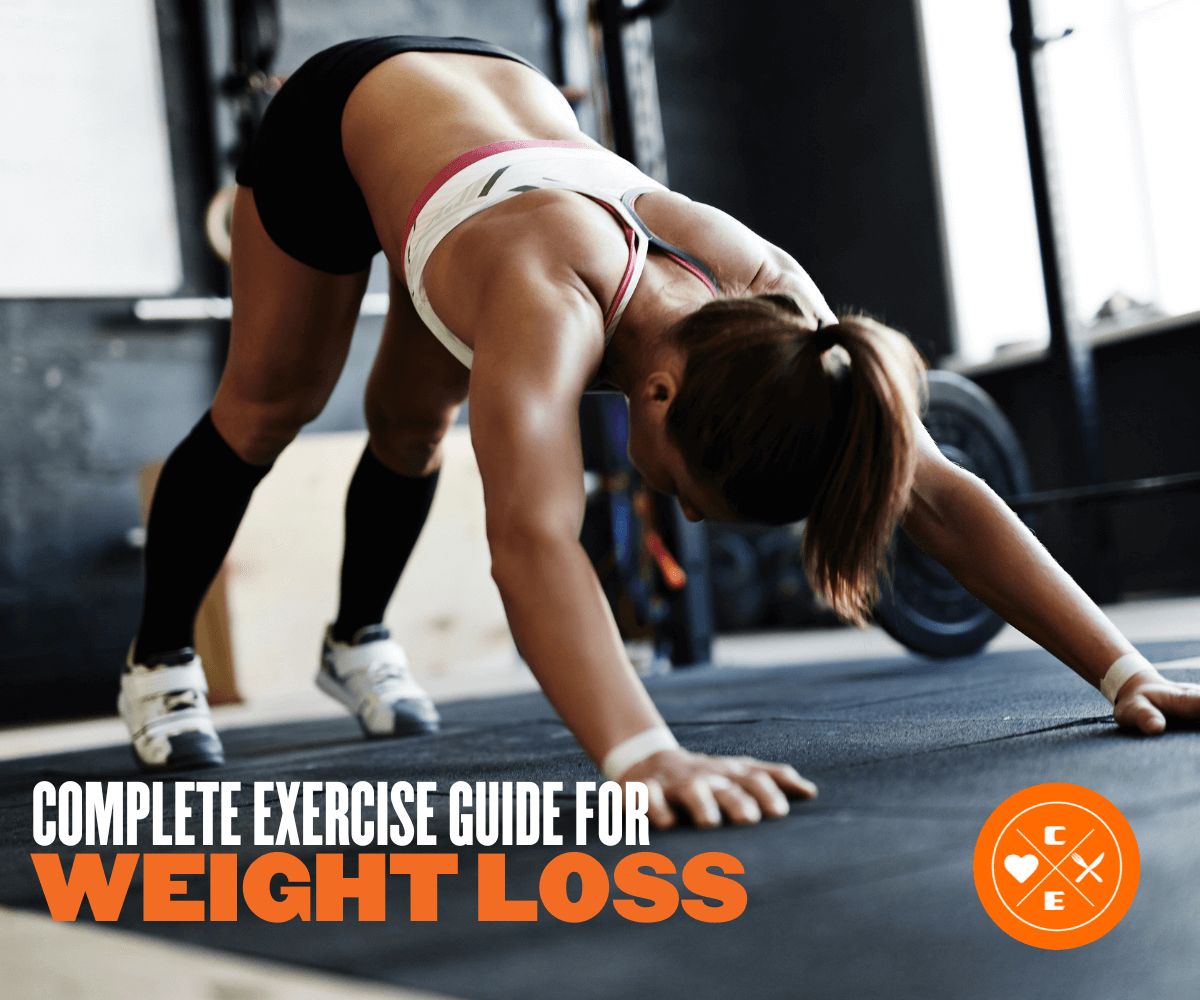

Quick Answer: The best exercise program for weight loss combines 150-250 minutes of moderate-to-vigorous activity per week with strength training 2-3 times weekly. Cardio creates the calorie deficit, strength training preserves muscle, and walking adds repeatable daily volume. Pair this with adequate protein (1.6-2.2 g/kg body weight) and a sustainable nutrition plan for optimal fat loss.
Table of Contents
Introduction: The Complex Reality of Exercise and Weight Loss
The Science Behind Exercise-Induced Weight Loss
Evidence-Based Exercise Guidelines for Weight Loss
Cardiovascular Exercise: Building Your Aerobic Foundation
High-Intensity Interval Training: Maximizing Efficiency
Strength Training: The Metabolic Game-Changer
Walking for Weight Loss: The Underrated Strategy
Preserving Muscle During Weight Loss
Creating Your Personalized Exercise Program
Nutrition and Exercise: The Synergistic Relationship
Breaking Through Plateaus
Long-Term Weight Maintenance Strategies
Special Considerations for Different Populations
Conclusion: Your Roadmap to Success
Introduction: The Complex Reality of Exercise and Weight Loss
If you've ever wondered why some people lose weight easily with exercise while others train for weeks and see little change on the scale, you're not imagining it. The relationship between exercise and weight loss is real—but it's not as simple as "burn more calories than you eat." Your body adapts, appetite can change, recovery matters, and the type (and amount) of training you do affects results.
Here's the part the fitness industry doesn't always highlight: exercise alone often produces modest weight loss for many people—especially without dietary changes. For more noticeable results, research and clinical guidance consistently point to a higher weekly volume of activity, and even better outcomes when exercise is paired with structured nutrition. That's why it's so common to feel frustrated when "going to the gym" doesn't automatically translate into steady scale loss.
None of this means exercise isn't worth it—quite the opposite. When you pair training with smart eating, exercise becomes far more powerful: it helps preserve muscle while losing fat, improves fitness and insulin sensitivity, and plays a major role in keeping weight off long-term. In practice, successful maintainers typically accumulate substantial weekly movement, often well beyond the minimum recommendations for general health (National Heart, Lung, and Blood Institute).
This guide breaks down how to use exercise for weight loss in a way that's realistic and sustainable. You'll learn what actually drives fat loss, how to choose the right mix of cardio and strength training, and how to progress without burning out—whether you're starting from scratch or pushing past a plateau. For the food side of the equation, our Best Foods for Weight Loss guide covers what to eat alongside this training plan.
The Science Behind Exercise-Induced Weight Loss
To train smarter for fat loss, it helps to understand what your body is doing during—and after—exercise. Yes, workouts burn calories, but they also influence appetite, recovery, muscle retention, and how efficiently you use different fuel sources.
During exercise, your body relies mainly on carbohydrates (glycogen) and fat for energy. At lower intensities, you tend to use a higher proportion of fat. As intensity increases, you rely more on carbohydrates because they can be broken down faster to meet immediate energy demands.
This is where the "fat-burning zone" myth gets people stuck. It's true that easier cardio can use a higher percentage of fat as fuel—but for weight loss, the bigger drivers are total weekly energy expenditure and consistency. Higher-intensity work can burn more calories per minute and improve fitness quickly, while lower-intensity work is often easier to repeat and recover from. The best plan usually combines both in a way you can sustain.
The EPOC Effect and Metabolic Adaptations
One of the main benefits of higher-intensity training is excess post-exercise oxygen consumption (EPOC)—often called the "afterburn effect." In simple terms, EPOC is the small, temporary rise in oxygen use (and energy expenditure) after a workout while your body returns to baseline.
Compared with steady-state cardio, HIIT and heavier strength training tend to create a larger EPOC response, meaning you may burn a bit more energy in the hours after training. During recovery, your body uses energy to restore oxygen levels in working tissues, clear and process metabolic byproducts (including lactate), repair and rebuild muscle tissue, replenish ATP and creatine phosphate stores, bring body temperature back down, and normalize stress hormones and nervous system activity.
How much EPOC you get depends mostly on intensity, workout type, and your training status. The effect varies widely between individuals and is generally short-lived, trending back toward baseline within roughly a day. It's best viewed as a helpful bonus, not the primary driver of fat loss.
Beyond short-term energy burn, consistent training creates longer-term adaptations that improve your ability to use fuel efficiently. Over time, exercise can increase mitochondrial density and efficiency, support the enzymes involved in fat oxidation, and improve oxygen delivery and extraction in muscle. Together, these changes improve metabolic flexibility—your ability to shift between carbohydrate and fat use based on intensity and energy availability—which supports sustainable weight loss and long-term metabolic health. Sleep plays a critical role in these adaptations; for more on that, see our Complete Guide to Sleep and Health.
Evidence-Based Exercise Guidelines for Weight Loss
Exercise recommendations have become more nuanced as the research has grown. Major health organizations—including the American College of Sports Medicine (ACSM)—agree that the "right" amount of exercise depends on your goal (fat loss vs. maintenance), your starting point, and whether nutrition is structured alongside training.
For general health, the baseline target is still 150 minutes of moderate-intensity aerobic activity (or 75 minutes vigorous) per week, plus muscle-strengthening work on 2+ days. That level is excellent for cardiovascular and metabolic health—but for many people, it's not enough on its own to drive meaningful weight loss. For more clinically significant changes (often defined as ~5% body weight or more), the total weekly activity dose usually needs to be higher, especially if dietary intake isn't adjusted.
Exercise Volume Recommendations by Goal
When exercise is combined with caloric restriction through diet, research supports the following weekly volumes as effective starting ranges:
Weight loss with diet: 150–250 minutes per week of moderate-to-vigorous activity.
Weight loss without diet changes: 225–420 minutes per week of moderate-intensity activity.
Weight maintenance after loss: 200–300 minutes per week of moderate-intensity activity.
Prevention of weight gain: 150–250 minutes per week of moderate-intensity activity.
The UK's NICE guidance also emphasizes that increasing physical activity is valuable even if scale weight doesn't change immediately, because the health benefits go well beyond weight (cardiometabolic health, fitness, mobility, mood, and more). Their focus is on sustainable, lifestyle-based increases in movement.
Just as important: modern guidelines place more emphasis on resistance training than many older "cardio-only" weight loss approaches. While cardio can make it easier to create an energy deficit, strength training helps preserve muscle during weight loss, supports long-term metabolism, and improves body composition. A practical minimum is two full-body sessions per week, with some people doing well with three depending on recovery, schedule, and training experience.
Cardiovascular Exercise: Building Your Aerobic Foundation
Cardio is a cornerstone of many weight loss programs for a simple reason: it's one of the most straightforward ways to increase weekly energy expenditure. It's also accessible—you can start with walking—and flexible enough to scale up over time through duration, intensity, or frequency. That said, not all cardio works the same way for every body. The best cardio plan is the one you can repeat consistently without constantly fighting fatigue, hunger, or injury.
The traditional approach to cardio for weight loss—long, steady-state sessions at moderate intensity—has its place. This type of training, often called Low-Intensity Steady State or LISS, typically involves maintaining a consistent pace that you could sustain for 30 to 60 minutes or more. It burns a respectable number of calories, is accessible to most fitness levels, and places relatively low stress on the body, allowing for frequent training.
Understanding Heart Rate Zones for Optimal Fat Loss
Training across different intensity "zones" can improve fitness and support weight loss, but it's important not to get trapped in the idea of a single magical "fat-burning zone." At lower intensities, your body tends to rely more on fat for fuel. As intensity rises, it relies more on carbohydrates because they're faster to use. For weight loss, what matters most is your total weekly work and your ability to sustain it.
Here's a practical way to think about zones (without rigid percentages):
Zone 1 (very easy): warm-ups, cool-downs, active recovery.
Zone 2 (easy–moderate): "conversational pace" work that builds aerobic base and supports higher weekly volume.
Zone 3 (moderate–hard): steady efforts that improve efficiency and endurance.
Zone 4 (hard): threshold work that improves performance but requires more recovery.
Zone 5 (very hard): short, maximal efforts (sprints) with high fatigue cost.
A balanced program usually includes mostly easier work (because it's repeatable) plus some harder sessions (for fitness and time efficiency). If you like having a simple rule: keep most sessions easy enough to recover well, then add 1–2 higher-intensity workouts per week if your schedule and joints tolerate it.
Best Cardio Exercises for Weight Loss
Different cardio options can all work—the "best" choice depends on what you'll do consistently and what your body tolerates well.
Walking: highly accessible, low injury risk, great for beginners and recovery days. Easy to scale with time, hills, or pace.
Running: high calorie burn per minute and strong fitness benefits, but higher impact. Best approached gradually with smart progression.
Cycling (indoor or outdoor): low-impact, scalable, and great for accumulating weekly volume. Indoor classes or structured rides can help consistency.
Swimming: zero-impact, full-body conditioning, especially useful for joint issues or higher starting body weight.
Rowing: very efficient (cardio + strength demand), but technique matters to protect the back and keep it comfortable long-term.
Note: Calorie-burn numbers vary widely by body size, intensity, terrain, and fitness. Use estimates as planning tools—but focus on weekly consistency and progression rather than chasing a specific "calories per hour" number.
High-Intensity Interval Training: Maximizing Efficiency
High-Intensity Interval Training, or HIIT, has revolutionized how we think about exercise for weight loss. By alternating between periods of near-maximal effort and recovery, HIIT workouts can deliver comparable or even superior fat loss results to traditional steady-state cardio in a fraction of the time. Research published in BMJ Open Sport & Exercise Medicine found that HIIT and moderate-intensity continuous training produced similar weight loss, but HIIT achieved results in approximately 40% less time.
HIIT works by creating a high metabolic demand in a short window. When you push to a hard effort (often around 85–95% of your max for brief intervals), your body has to work harder during recovery to restore balance. That can increase post-exercise energy expenditure (EPOC) for several hours, though the size of that "afterburn" effect varies and is best viewed as a bonus—not the main driver of fat loss.
Evidence-Based HIIT Protocols
Several HIIT formats are well-studied. The "best" choice is the one you can execute safely and repeat consistently.
Tabata (very hard): 8 rounds of 20 seconds hard / 10 seconds easy (4 minutes total).
Little Method: 60 seconds hard / 75 seconds easy, repeated 8–12 times.
Sprint Interval Training (SIT): 30-second sprints with long recovery (e.g., 4 minutes), repeated 4–6 times.
Norwegian 4x4: 4 minutes hard / 3 minutes easy, repeated 4 times.
Research indicates that HIIT appears to preferentially target visceral fat—the dangerous fat surrounding organs. A meta-analysis in the Journal of Clinical Medicine found that HIIT was particularly effective at reducing abdominal fat compared to other forms of exercise.
Sample HIIT Workouts for Different Fitness Levels
Beginner HIIT Workout (20 minutes):
5-minute warm-up walk
30 seconds brisk walk or light jog
90 seconds recovery walk
Repeat 8 times
5-minute cool-down walk
Intermediate HIIT Workout (25 minutes):
5-minute dynamic warm-up
1 minute hard run (85% effort)
1 minute recovery jog
Repeat 8 times
4-minute cool-down walk
Advanced HIIT Workout (30 minutes):
10-minute progressive warm-up
2 minutes at 90% effort
90 seconds active recovery
Repeat 5 times
5-minute cool-down
Because HIIT is demanding, recovery matters. For most people, 2 sessions per week is a great starting point. Some can tolerate up to 3—but only if sleep, soreness, and overall fatigue stay under control. If performance drops or aches build up, reduce intensity or swap one HIIT day for an easier steady ride or walk instead.
Strength Training: The Metabolic Game-Changer
If there's one aspect of exercise for weight loss that's consistently undervalued and underutilized, it's strength training. While cardio might burn more calories during the actual workout, strength training provides unique benefits that make it indispensable for successful, sustainable weight loss. Research published in Current Opinion in Clinical Nutrition shows that both endurance and resistance-type exercise help preserve muscle mass during weight loss, with resistance training also improving muscle strength.
When you create a caloric deficit for weight loss, your body doesn't discriminate perfectly between fat and muscle tissue for energy. Without the stimulus of resistance training, you can lose significant amounts of muscle along with fat. Studies indicate that without resistance training, 20 to 30% of weight loss can come from lean tissue. This muscle loss has cascading negative effects that undermine long-term success. If your goal is the opposite—adding muscle while gaining weight—our Complete Guide to Gaining Healthy Weight covers that scenario in depth.
The Metabolic Benefits of Muscle Mass
Preserving (and sometimes building) muscle during weight loss offers several advantages.
Supports resting metabolism: Muscle tissue is more metabolically active than fat, helping maintain energy expenditure as body weight drops.
Improves insulin sensitivity: Skeletal muscle is a major site for glucose uptake, supporting better blood sugar control.
Enhances body composition: More fat loss relative to muscle loss leads to better shape, strength, and function.
Improves training tolerance: Stronger muscles and connective tissue make cardio and daily activity feel easier.
Contributes to post-exercise energy use: Heavy resistance training can modestly increase post-exercise energy expenditure—again, a bonus rather than the main driver of fat loss.
Essential Movement Patterns for Weight Loss
For the best return on time and effort, focus on compound movements that train multiple muscle groups at once. These patterns form the foundation of effective strength programs.
Squat pattern: quads, glutes, core (e.g., back squat, goblet squat, split squat).
Hip hinge: posterior chain (e.g., deadlift variations, hip thrusts).
Horizontal push: chest, shoulders, triceps (e.g., push-ups, bench press).
Horizontal pull: upper back, biceps (e.g., rows, face pulls).
Vertical push: shoulders, triceps (e.g., overhead press).
Vertical pull: lats, biceps (e.g., pull-ups, lat pulldowns).
Core / carry: whole-body stability (e.g., planks, farmer's carries).
You don't need dozens of exercises—covering these patterns consistently is what matters.
Sample Strength Training Program for Fat Loss
This three-day full-body split prioritizes muscle retention while fitting alongside cardio.
Day 1: Lower Body Emphasis
Squat variation: 4 × 8–10
Romanian deadlift: 3 × 10–12
Walking lunges: 3 × 10 steps per side
Leg press or step-ups: 3 × 12–15
Plank: 3 × 30–60 seconds
Day 2: Upper Body Emphasis
Bench press or push-ups: 4 × 8–10
Row variation: 4 × 10–12
Overhead press: 3 × 8–10
Pull-ups or pulldowns: 3 × max reps
Face pulls or rear-delt work: 3 × 15–20
Day 3: Full Body
Deadlift or trap-bar deadlift: 4 × 6–8
Incline dumbbell press: 3 × 10–12
Cable or chest-supported rows: 3 × 12–15
Bulgarian split squats: 3 × 8–10 each side
Farmer's carries: 3 × 30–40 meters
For most people, 2–3 strength sessions per week is enough to preserve muscle during weight loss. Focus on good form, progressive overload where possible, and adequate recovery—strength training should support your fat-loss goals, not compete with them.
Walking for Weight Loss: The Underrated Strategy
In our quest for the most effective exercise for weight loss, we often overlook one of the simplest and most accessible forms of physical activity: walking. While it might not seem as impressive as high-intensity workouts or heavy lifting, walking offers unique advantages that make it an invaluable component of any weight loss program. Research shows that walking 10,000 steps typically burns between 300 to 500 calories for most adults, making it a significant contributor to daily energy expenditure.
The popularization of the 10,000 steps per day goal, while somewhat arbitrary in its origins (it came from a Japanese marketing campaign in the 1960s), has actually landed on a reasonably effective target for health and weight management. Research summarized in Healthline's evidence-based analysis indicates that participants who gradually increased their daily steps to 10,000 saw their BMIs decrease significantly by 3.7% over six months.
The Science Behind Step Counting for Weight Loss
Walking supports fat loss in more ways than "calories burned."
Repeatable calorie burn: easy to accumulate without needing long recovery.
Low injury risk: joint-friendly and scalable for most fitness levels.
Supports appetite control: regular movement can help reduce "restless" snacking and improve meal timing.
Stress and mood support: especially when done outdoors or as a break from screens.
Active recovery: boosts circulation and helps you feel better between harder workouts.
Habit-friendly: easy to integrate permanently (which matters most for maintenance).
Strategies to Increase Daily Steps
If you're building toward a higher step count, the goal is frictionless wins—small changes that don't require motivation.
Morning:
10-minute walk after waking or after breakfast
Park farther away or get off one stop early
Take stairs for 1–2 flights when convenient
Workday:
Walk during calls (even 5 minutes helps)
Set a "movement snack" every hour (2–3 minutes)
10–15 minute lunch walk (best ROI habit)
Evening:
10-minute post-dinner walk (helps routine and digestion)
Add a short loop while running errands
Dog walk or "fresh air lap" around the block
How to Make Walking More Effective (Without Overcomplicating It)
You don't need gadgets or extreme hacks—just small progressions.
Add gentle inclines: hills or treadmill incline can increase effort without impact.
Use intervals: alternate 1–2 minutes brisk with 2–3 minutes easy.
Increase duration first: add 5–10 minutes per day before chasing speed.
Choose a brisk, sustainable pace: you're breathing heavier, but you can still speak in short sentences.
Preserving Muscle During Weight Loss
One of the most critical yet often overlooked aspects of successful weight loss is preserving lean muscle mass while losing fat. The unfortunate reality is that when you create a caloric deficit, your body doesn't exclusively burn fat for energy. Research published in the Nutrition Journal indicates that without proper intervention, 20-30% of weight loss can come from muscle tissue.
The key to muscle preservation during weight loss lies in providing your body with the right signals and raw materials to maintain lean tissue even in a caloric deficit. This requires a comprehensive approach combining adequate protein intake, regular resistance training, and avoiding excessive caloric restriction. This is especially important for anyone losing weight rapidly on GLP-1 medications—our GLP-1 Diet Guide covers protein and resistance training strategies for that population specifically.
Optimal Protein Intake for Muscle Preservation
Current evidence suggests significantly higher protein requirements during weight loss than the standard RDA. A meta-analysis examining protein needs during caloric restriction found the following optimal intakes.
Sedentary individuals in deficit: 1.2–1.5 g/kg body weight (0.55–0.68 g/lb).
Active individuals in moderate deficit: 1.6–2.2 g/kg body weight (0.73–1.0 g/lb).
Athletes in large deficit: 2.2–2.7 g/kg body weight (1.0–1.23 g/lb).
Older adults (65+) in deficit: 1.5–2.0 g/kg body weight minimum.
For a 180-pound person actively exercising during weight loss, this translates to 130–180 grams of protein daily. Hitting these targets consistently is the single biggest factor in whether weight loss comes from fat or muscle. The High Protein Meal Plan delivers 35+ grams of protein per meal, making target protein intake achievable without spending hours cooking.
Training Strategies for Muscle Retention
Resistance training during weight loss serves as the primary stimulus telling your body to preserve muscle tissue. Key principles for training during a deficit:
Maintain training intensity: Keep weights heavy even if volume decreases.
Focus on compound movements: Squats, deadlifts, presses, and rows preserve the most muscle.
Progressive overload continues: Still aim to increase weight or reps when possible.
Adequate frequency: Minimum 2–3x per week of full-body training.
Monitor strength: Track lifts weekly as an indicator of muscle retention.
Research shows that combining adequate protein with resistance training can actually lead to muscle gain even during moderate caloric deficits, particularly in beginners or those returning to training.
Supplementation for Muscle Preservation
Whole foods, adequate protein, and consistent resistance training should always be the foundation for preserving muscle during weight loss. Supplements aren't required for everyone—but a few options have evidence as supportive tools, especially if you're training regularly, eating fewer calories, or struggling to hit protein targets through food alone.
When used appropriately, these supplements may help support muscle maintenance and recovery during a calorie deficit.
Creatine monohydrate: One of the most researched performance supplements. Often used at 3–5 g per day, creatine can help support strength and training performance, which indirectly supports muscle retention during weight loss—especially when paired with resistance training.
Leucine or HMB: These have been studied for their potential role in reducing muscle protein breakdown during calorie restriction, particularly in older adults or during more aggressive dieting phases. Results are mixed, and benefits may depend on overall protein intake and training status—so they're best viewed as "situational," not mandatory.
Whey protein: A convenient way to increase total daily protein. A 20–40 g serving can help you meet protein goals, especially post-workout or when appetite is low. It's not superior to food protein—it's simply easier to use consistently.
Casein protein: Because it digests more slowly, casein can be helpful before bed for people who struggle to distribute protein across the day. A 30–40 g serving is commonly used in research, but the bigger priority is still total daily protein.
Omega-3 fatty acids (EPA + DHA): Omega-3s may support recovery and muscle health by modulating inflammation and supporting anabolic signaling in muscle. Research doses vary, but many studies use ~1–3 g per day of combined EPA+DHA. Food sources (fatty fish) are a great first step.
Supplements should complement—not replace—adequate nutrition, strength training, sleep, and recovery. If you have a medical condition, take medications (especially anticoagulants), or are pregnant or breastfeeding, check with a qualified clinician before using creatine, higher-dose omega-3 supplements, or specialized amino acid products.
Creating Your Personalized Exercise Program
Designing an effective exercise program for weight loss isn't about following the latest celebrity workout or copying what worked for someone else. It's about creating a sustainable, progressive plan that fits your lifestyle, addresses your weaknesses, plays to your strengths, and most importantly, is something you can adhere to long-term. The best exercise program is the one you'll actually do consistently, not the theoretically perfect program that you abandon after two weeks.
Initial Assessment and Goal Setting
Before designing your program, conduct an honest assessment of your current situation.
Current fitness level: Can you walk for 30 minutes? Do 10 push-ups? Your starting point determines progression.
Available time: Be realistic about how many hours per week you can dedicate to exercise.
Equipment access: Home workouts, gym membership, or outdoor options?
Physical limitations: Joint issues, injuries, or health conditions requiring modifications.
Personal preferences: Love dancing but hate running? Build around preferences for adherence.
Use the SMART goal framework to set achievable targets. Instead of "lose weight," aim for something specific like "lose 20 pounds of fat in 12 weeks by exercising 5 times weekly and maintaining a 500-calorie deficit."
Program Design Templates
Here are three evidence-based program templates for different situations.
Option 1: Balanced Approach (4-5 hours/week)
Monday: Full-body strength training (45 minutes)
Tuesday: Moderate cardio or 10,000 steps
Wednesday: HIIT workout (25 minutes)
Thursday: Upper body strength (40 minutes)
Friday: Rest or gentle yoga
Saturday: Long cardio or active sport (60 minutes)
Sunday: Lower body strength (40 minutes)
Option 2: Time-Efficient (3 hours/week)
Monday: Full-body circuit training (35 minutes)
Wednesday: HIIT + core (30 minutes)
Friday: Full-body strength (35 minutes)
Daily: Aim for 8,000+ steps through lifestyle activity
Option 3: Maximum Fat Loss (6-8 hours/week)
Monday: Lower body strength + 20 min cardio
Tuesday: 45-minute moderate cardio
Wednesday: Upper body strength + HIIT finisher
Thursday: Active recovery (yoga or walking)
Friday: Full-body circuit training
Saturday: Long outdoor activity (hiking or cycling)
Sunday: HIIT or rest based on recovery
Progressive Overload and Periodization
Your body adapts to exercise stimuli within 4-6 weeks, making progression essential for continued results. Implement these progression strategies:
Week 1-4: Establish baseline, focus on form and consistency.
Week 5-8: Increase volume by 10-20% (add sets, reps, or time).
Week 9-12: Increase intensity (heavier weights, faster pace, less rest).
Week 13: Deload week with 50% volume for recovery.
Week 14+: New program variation or advanced techniques.
Track all workouts in a journal or app like MyFitnessPal or Strong to ensure consistent progression.
Nutrition and Exercise: The Synergistic Relationship
While this guide focuses primarily on exercise, it's impossible to discuss weight loss without addressing the critical relationship between training and nutrition. The saying "you can't out-exercise a poor diet" exists for a reason. Across a wide range of weight-loss interventions, dietary intake tends to be the primary driver of early changes in body weight, while exercise plays a crucial role in supporting fat loss quality, metabolic health, and long-term weight maintenance. For a deeper dive on what to eat for fat loss, see our Best Foods for Weight Loss guide.
When nutrition and exercise work together, their effects are synergistic rather than additive. Adequate nutrition—particularly sufficient protein and overall energy control—supports training performance and recovery, while regular exercise helps preserve lean muscle mass, improve insulin sensitivity, and increase adherence to dietary changes. Together, this combination produces more sustainable and healthier weight-loss outcomes than either strategy alone.
Pre and Post-Workout Nutrition
Strategic nutrient timing can optimize performance and recovery without compromising your caloric deficit.
Pre-workout nutrition guidelines:
Large meal: 3-4 hours before (balanced macros).
Small meal: 2 hours before (protein + carbs).
Quick snack: 30-60 minutes before (easily digestible carbs).
For morning workouts: Can train fasted if session is under 60 minutes.
Post-workout nutrition guidelines:
Protein: 20-40g within 2-4 hours post-training.
Carbs: 0.5-1g per kg body weight if training again within 24 hours.
Hydration: 16-24 oz fluid per pound lost during exercise.
Timing: Not as critical as once thought, but aids recovery.
For ready-to-eat meals that hit the protein and macro targets above without daily prep work, the Build-a-Meal Plan lets you select meals that match your specific calorie and protein needs—use the High Protein filter to surface options with 35g+ protein per serving.
Macronutrient Distribution for Active Individuals
The optimal macronutrient split depends on training style and personal preference.
High-protein approach: 35% protein, 35% carbs, 30% fat—best for muscle preservation.
Balanced approach: 30% protein, 40% carbs, 30% fat—supports varied training.
Higher-carb for endurance: 25% protein, 50% carbs, 25% fat—fuels high-volume training.
Lower-carb option: 35% protein, 25% carbs, 40% fat—may improve fat oxidation.
Research from the International Society of Sports Nutrition emphasizes that total calorie intake and protein adequacy matter more than specific macro ratios for weight loss.
Breaking Through Plateaus
Weight loss plateaus are perhaps the most frustrating aspect of any fitness journey. You're doing everything right—exercising regularly, eating in a deficit, getting adequate sleep—yet the scale refuses to budge. Understanding why plateaus occur and having strategies to overcome them is crucial for long-term success.
Why Plateaus Happen
Plateaus occur for several interconnected physiological reasons.
Metabolic adaptation: Your body becomes more efficient, burning fewer calories for the same activities.
Reduced body mass: A smaller body requires fewer calories for maintenance.
Hormonal changes: Prolonged dieting reduces leptin and thyroid hormones.
Exercise efficiency: Your body adapts to familiar workouts, burning fewer calories.
Water retention: Stress and cortisol can mask fat loss through water retention.
Muscle gain: Simultaneous fat loss and muscle gain can stall scale weight.
Strategies to Break Through Plateaus
When you hit a true plateau (no change for 2-3 weeks), implement these evidence-based strategies.
1. Diet break or refeed: Research shows that returning to maintenance calories for 1-2 weeks can restore hormonal balance and metabolic rate. This isn't a cheat week but controlled eating at maintenance level.
2. Change exercise variables: Switch from steady-state to HIIT (or vice versa), change strength training rep ranges, try new activities to challenge different muscle groups, or adjust workout timing or frequency.
3. Reverse diet: Gradually increase calories by 50-100 per week while maintaining exercise. This can restore metabolic rate without significant fat gain.
4. Carb cycling: Alternate high and low carb days to manipulate hormones and glycogen levels.
5. Increase NEAT: Non-exercise activity thermogenesis through fidgeting, standing, and daily movement can add 200-300 calories of daily burn.
Long-Term Weight Maintenance Strategies
Losing weight is only half the battle—keeping it off is where the real challenge lies. Statistics on weight regain are sobering, with most people regaining some or all of their lost weight within five years. However, data from the National Weight Control Registry, which tracks over 10,000 individuals who have lost at least 30 pounds and kept it off for at least a year, provides valuable insights into successful maintenance strategies.
Exercise Requirements for Maintenance
One of the most consistent findings is that successful weight maintainers engage in high levels of physical activity. The data shows the following patterns.
Daily exercise commitment: 90% exercise an average of 1 hour per day.
Most common activity: Walking (76% of maintainers).
Average weekly calorie burn through exercise: 2,500-3,000 calories.
Consistency: Exercising at least 5 days per week.
Mix of modalities: Combining cardio and strength training is most effective.
This translates to approximately 200-300 minutes of moderate-intensity activity weekly, substantially more than required for general health but necessary for preventing weight regain.
Behavioral Strategies of Successful Maintainers
Beyond exercise, successful long-term weight maintainers share common behavioral patterns.
Regular self-monitoring: 75% weigh themselves at least weekly.
Consistent eating patterns: Maintain similar eating on weekdays and weekends.
Breakfast consumption: 78% eat breakfast daily.
Limited TV time: 62% watch less than 10 hours per week.
Quick response to gains: Have an action plan for 3-5 pound gains.
Continued vigilance: Track food intake in some form.
Identity Shift and Lifestyle Integration
Perhaps the most important factor in long-term success is a fundamental shift in identity. Successful maintainers don't see themselves as "formerly overweight people on a diet" but as "healthy, active individuals." This identity shift occurs through consistent practice of healthy behaviors over months and years, finding genuine enjoyment in physical activity, building social connections around fitness activities, making exercise non-negotiable (like brushing teeth), and viewing setbacks as temporary rather than failures.
Special Considerations for Different Populations
While the fundamental principles of exercise for weight loss apply to everyone, certain populations require modified approaches to ensure safety, effectiveness, and sustainability. The CDC's Physical Activity Guidelines provide specific recommendations for various populations.
Exercise for Individuals with Obesity (BMI > 30)
Starting an exercise program with significant excess weight presents unique challenges requiring careful progression.
Start with non-weight bearing: Swimming, recumbent cycling, chair exercises.
Progressive walking program: Begin with 5-10 minutes, add 1-2 minutes weekly.
Strength training is essential: Improves functional capacity and joint stability.
Monitor intensity: Use the talk test rather than heart rate initially.
Consider physical therapy: Address movement limitations and pain.
Exercise for Older Adults (65+)
Age-related changes require modified approaches while maintaining ambitious goals.
Extended warm-up: 10-15 minutes versus 5 minutes for younger adults.
Balance training: Include tai chi, single-leg stands to prevent falls.
Power training: Fast concentric, slow eccentric to maintain muscle power.
Recovery time: Allow 48-72 hours between intense sessions.
Functional focus: Emphasize movements that support daily activities.
Exercise During Menopause
Hormonal changes during menopause affect exercise response and recovery.
Increase strength training: Combat accelerated muscle loss and bone density decline.
HIIT for metabolism: Helps counter metabolic slowdown.
Temperature management: Exercise in cool environments and stay hydrated.
Flexibility work: Address increased joint stiffness.
Stress management: Yoga, meditation to manage cortisol.
Exercise with Weight Loss Medications
Those using GLP-1 agonists or other weight loss medications face unique challenges. For comprehensive guidance on this population, see our GLP-1 Diet Guide.
Prioritize resistance training: Critical for preserving muscle during rapid weight loss.
Higher protein needs: May need 1.0-1.2g per pound body weight.
Monitor energy levels: Adjust intensity based on calorie intake.
Hydration focus: Medications may affect fluid balance.
Progressive approach: Start conservatively as the body adapts to medication.
Conclusion: Your Roadmap to Success
As we reach the end of this comprehensive guide, it's important to synthesize the key principles that will guide your exercise journey for weight loss. Success doesn't come from following a perfect program but from consistently applying fundamental principles while adapting to your individual needs, preferences, and life circumstances.
The evidence is clear: while exercise alone is not the most efficient path to weight loss, it transforms weight loss from a potentially unhealthy process of muscle and fat loss into a healthy process of fat loss with muscle preservation. The American College of Sports Medicine emphasizes that combining 150-250 minutes of moderate to vigorous physical activity weekly with appropriate dietary modifications produces optimal results for most people.
Key Takeaways for Success
Based on the extensive research covered in this guide, here are the essential principles for exercise-induced weight loss.
Combine exercise modalities: Include cardio for calorie burn, strength training for muscle preservation, and walking for daily activity.
Progressive overload: Continuously challenge your body to prevent adaptation.
Adequate protein: Consume 0.7-1g per pound body weight to preserve muscle.
Recovery matters: Include rest days and prioritize sleep for optimal results.
Consistency over perfection: Regular moderate exercise beats sporadic intense workouts.
Track progress: Monitor multiple metrics beyond just scale weight.
Plan for plateaus: Have strategies ready for when progress stalls.
Think long-term: Build habits you can maintain for life, not just weeks.
Your Action Plan
To implement what you've learned, follow this step-by-step action plan.
Week 1: Assess current fitness level and set SMART goals.
Week 2: Design your program using the templates provided.
Week 3-4: Focus on consistency and proper form.
Week 5-8: Gradually increase intensity and volume.
Week 9-12: Refine program based on results and preferences.
Week 13+: Transition to long-term maintenance mindset.
Take the Next Step
Knowledge is only half the equation—execution is the rest. The single biggest barrier most people hit is hitting protein and calorie targets consistently while training hard. That's where having ready-to-eat meals on hand changes everything.
The Clean Eatz Kitchen High Protein Meal Plan delivers 35+ grams of protein per meal—exactly the macro profile you need to preserve muscle in a deficit—starting at $8.99 per meal. If you'd rather hand-pick your meals, the Build-a-Meal Plan with the High Protein filter lets you customize your weekly rotation around your training schedule and preferences.
Remember, transformation takes time—typically months to see significant changes and years to completely transform your physique and fitness. There will be setbacks, plateaus, and times when progress seems impossibly slow. This is normal and doesn't mean you're failing. Stay focused on the process rather than outcomes, celebrate non-scale victories like increased strength or endurance, and remember that every workout is an investment in your long-term health and well-being.
The journey to weight loss through exercise is challenging, but with the knowledge you've gained from this guide and consistent application of these principles, you have everything you need to succeed. Start where you are, use what you have, do what you can—and never give up on becoming the healthiest version of yourself.
Related Clean Eatz Kitchen Resources
Companion Pillar Guides
Best Foods for Weight Loss: Complete Guide - The nutrition side of fat loss
Complete Guide to Sleep and Health - Recovery and weight loss optimization
GLP-1 Diet Guide - For those using weight loss medications
Complete Guide to Gaining Healthy Weight - The opposite goal, same principles
Ultimate Guide to Dietary Fiber - Fiber's role in satiety and weight management
Clean Eatz Kitchen Meal Solutions
High Protein Meal Plan - 35g+ protein per meal, starting at $8.99
Build-a-Meal Plan - Customize your selection with the High Protein filter
Medical Disclaimer: This guide is for informational purposes only and should not replace professional medical advice. Always consult with healthcare providers before beginning any new exercise program, especially if you have pre-existing health conditions.
About This Guide: This comprehensive guide was compiled using evidence from peer-reviewed research, guidelines from major health organizations, and expert consensus in exercise science. For questions or corrections, please contact our editorial team.