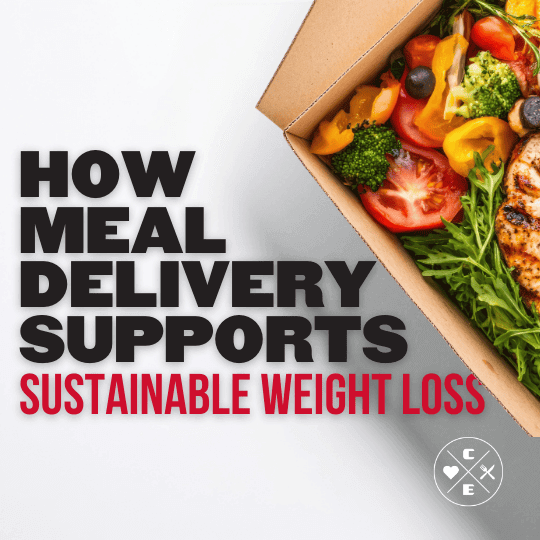
Quick Summary: Meal delivery services may support sustainable weight loss by reducing some common barriers to healthy eating, including portion uncertainty, time constraints, and the mental load of planning meals. Pre-portioned meals can reduce some of the guesswork and make it easier for some people to follow a consistent eating routine over time.
Last reviewed & updated: April 8, 2026
Many weight-loss efforts become difficult to sustain not because people lack willpower, but because consistency gets harder when planning, shopping, cooking, and portioning all fall on the individual. When life gets busy, healthy eating often becomes more difficult to maintain.
This is one reason meal delivery services can be a useful tool for people trying to lose weight and maintain that progress. By reducing some of the friction around meal decisions, they may make healthy eating feel more manageable and more consistent.
What Sustainable Weight Loss Actually Looks Like
The Centers for Disease Control and Prevention recommends losing weight gradually—around 1 to 2 pounds per week. This pace may feel slow, but it is generally more realistic and easier to maintain than more aggressive approaches. Highly restrictive diets often lead to short-term results that can be difficult to sustain over time.
In practice, sustainable weight loss often depends on a combination of a modest calorie deficit, adequate nutrition, and habits a person can realistically maintain. One challenge is that building this kind of consistency takes planning, time, and effort—areas where meal delivery services may offer useful support for some people.
For a deeper dive into the foods that may support lasting weight loss, our complete guide to the best foods for weight loss explores the evidence in more detail.
Meal prep doesn't have to be complicated.
Get our free guide — shortcuts, meal ideas, and a system that makes eating well the easy option.
How Meal Delivery Removes the Barriers to Consistent Eating
One potential benefit of meal delivery is portion structure. When you're cooking at home or eating out, it can be easy to lose track of how much you're actually eating, especially when portion sizes vary. Pre-portioned meals can reduce some of that uncertainty by making serving sizes and nutrition information clearer in advance. For some people, that can make food intake easier to monitor and eating routines easier to maintain.
Portion structure alone, however, is not enough. Meals also need to be satisfying and nutritionally balanced. In general, a meal that includes protein, fiber-rich carbohydrates, healthy fats, and vegetables is more likely to support fullness and overall diet quality. When meals are built this way, they may help reduce the urge to keep snacking shortly after eating.
Time and mental effort also matter. Planning meals, shopping for ingredients, cooking, and cleaning up can take a meaningful amount of time across the week. For busy professionals, parents, or anyone managing a full schedule, that workload can become a barrier to consistency. Meal delivery can reduce some of that burden by simplifying meal decisions and preparation.
The Psychology of Structured Eating
Structured eating can be especially helpful for people who find that stress, fatigue, or last-minute decisions make healthy eating harder to maintain. After a long day, when nothing is planned for dinner, convenience often drives the decision. In those moments, food choices may be less aligned with long-term weight-loss goals.
Having balanced, ready-to-eat meals available can reduce some of that decision fatigue. For some people, this can make the more convenient option closer to the healthier one. Rather than relying entirely on willpower at the end of a stressful day, it can help to have a system in place that supports more consistent choices.
Research suggests that meal planning and structured eating routines are associated with better diet quality and may support adherence over time, which is an important part of long-term weight management. It is often less about finding the perfect diet and more about finding an approach a person can realistically follow.
What to Look for in a Weight Loss Meal Service
Not all meal delivery services are equally helpful for weight loss. When evaluating options, start with the nutrition information. Look for clear nutrition labeling, realistic portion sizes, and meals that fit your overall calorie and protein needs. Transparency matters—you should be able to review the ingredients and nutrition details before you order.
Variety also matters. A meal service with a rotating menu and a range of ingredients and flavors may be easier to stay with over time than one that feels repetitive. For many people, having more than a few familiar options can make a structured eating routine feel more sustainable.
Flexibility is another practical factor to consider. Life does not always follow a predictable schedule, so it helps to choose a service that allows you to adjust, skip, or change orders when needed. The easier a plan is to fit into real life, the more sustainable it is likely to feel.
Finally, consider whether the service matches your specific dietary needs and preferences. Whether you are looking for gluten-free meals, high-protein options, or calorie-aware choices, the best service is one that supports your goals while still feeling realistic and manageable.
Building Habits That Outlast the Delivery
One helpful way to use meal delivery is as a tool to support long-term eating habits. Pay attention to what is in each meal: the portion sizes, the ingredient combinations, and the overall balance of protein, carbohydrates, vegetables, and fats. Over time, this can help you develop a clearer sense of what a balanced meal may look like in everyday life.
You might start by preparing one home-cooked meal per week inspired by the meals you enjoy from your delivery service. Use similar portions, include a source of protein and vegetables, and keep the preparation simple and realistic. As confidence and routine build, some people may find it easier to prepare more meals at home.
At the same time, keeping meal delivery as a backup option for especially busy days can still be a practical strategy. Even after healthy routines are more established, there may be weeks when time or energy is limited. Having convenient, nutritious meals available can make it easier to stay consistent during those periods.
If you are ready to build more confidence around meal preparation, our complete meal prep guide walks through the basics of planning, prep, and storage.
Combining Meal Delivery with Other Healthy Habits
Meal delivery can support the nutrition side of weight management, but sustainable weight loss usually works best as part of a broader lifestyle approach. Physical activity, including moderate movement such as regular walking, supports overall health and can complement dietary changes. Our exercise guide for weight loss covers evidence-based strategies that can work alongside nutrition habits.
Sleep also plays an important role in weight management. Inadequate sleep can affect hormones involved in hunger and fullness, increase fatigue, and make healthy routines harder to maintain. If nutrition and physical activity are in place but progress still feels difficult, sleep quality may be one factor worth reviewing.
Hydration also matters. Staying well hydrated supports overall health, and some research suggests that drinking water before meals may modestly reduce energy intake in certain situations. These habits may seem small, but over time they can work together to support a more consistent routine.
The Bottom Line
Meal delivery services are not a stand-alone solution, but they can be a practical tool for people who find planning, shopping, and cooking difficult to maintain consistently. By offering portion-aware, ready-to-eat meals, they may help reduce some of the barriers that can make healthy eating harder to sustain.
The key is using them strategically: as one way to support healthier routines, build familiarity with balanced portions, and make consistency easier during busy periods. When combined with physical activity and other supportive habits, meal delivery can be part of a more sustainable approach to weight management.
Frequently Asked Questions
Can meal delivery services actually help with long-term weight loss?
They can help some people. Meal delivery services may support long-term weight loss by adding structure, portion guidance, and convenience to everyday eating. For people who struggle to plan, shop, or cook consistently, that added structure can make healthy eating easier to maintain over time.
How much weight can I lose with a meal delivery service?
That depends on the person, their overall calorie intake, activity level, and how consistently the plan is followed. The CDC recommends gradual weight loss—about 1 to 2 pounds per week—as a more sustainable pace for many adults. A meal delivery service may support that approach if it helps create a routine that feels realistic and manageable.
What should I look for in a weight loss meal delivery service?
Look for clear nutrition information, realistic portion sizes, menu variety, and enough flexibility to fit your schedule. It is also important to choose a service that matches your dietary needs and preferences, whether that means higher-protein meals, gluten-free options, or meals that align with your overall calorie goals.
Should I use meal delivery forever, or transition to cooking at home?
Either approach may work well. Some people use meal delivery as a short-term support while they build confidence with meal planning and portion awareness, while others keep it as a backup for busy weeks. The most helpful approach is usually the one that supports consistency in a way that feels realistic over time.
Disclaimer: This content is for educational purposes only and does not replace personalized professional advice.