Quick Answer: To lose fat without losing muscle, aim for 1.6 to 2.0 grams of protein per kilogram of body weight daily — about 0.73 to 0.91 grams per pound. Split it across three to four meals at 25 to 30+ grams each, build those meals around lean protein sources (chicken, fish, eggs, dairy, beans, tofu), and let the rest of your plate fall in around that anchor. That's the whole playbook.
Let's be honest here: everybody and their Mama wants to drop body fat. It's the most common goal I hear about, year after year. And one of the most common mistakes I see is the crash diet — slashing calories so aggressively that the body ends up burning muscle for fuel right alongside the fat. The scale moves, technically, but the result is a smaller, weaker version of the body you started with — and a metabolism that's now working against you.
The fix isn't dramatic. It's a deliberate shift toward higher protein intake, distributed across the day, paired with a moderate calorie deficit. This is the cluster article that walks through how to actually pull that off in real life. If you want the science behind why protein supports weight loss, our companion piece Is Protein Good for Weight Loss? covers that ground in detail.
The Math: How Much Protein You Actually Need
The standard government RDA for protein — 0.8 grams per kilogram of body weight — was set to prevent deficiency, not to optimize body composition during weight loss. That's an important distinction. A 2024 systematic review and meta-analysis looking at adults with overweight or obesity confirmed what sports nutrition researchers have argued for years: higher protein intake meaningfully preserves muscle mass during weight loss, while lower intakes don't.
The validated range for fat loss with muscle preservation is 1.6 to 2.0 grams of protein per kilogram of body weight per day, which translates to about 0.73 to 0.91 grams per pound. The lower end works for general weight loss; the upper end is where athletes and people in steeper deficits should land.
Here's what that looks like at common body weights:
| Body Weight | Daily Protein Target | Per-Meal Target (4 meals) |
|---|---|---|
| 125 lbs (57 kg) | 90–115 g | 23–29 g |
| 150 lbs (68 kg) | 110–135 g | 28–34 g |
| 175 lbs (79 kg) | 130–160 g | 32–40 g |
| 200 lbs (91 kg) | 145–180 g | 36–45 g |
| 225 lbs (102 kg) | 165–205 g | 41–50 g |
| 250 lbs (113 kg) | 185–225 g | 46–55 g |
If you fall between rows, interpolate. If you're significantly overweight, base the calculation on your goal weight (or a lean-body-mass estimate), not your current scale weight — otherwise the numbers get unnecessarily high.
The Per-Meal Threshold (And Why Six Meals a Day Isn't It)
For a long time, the conventional advice was to eat six small meals a day to "stoke the metabolism." Newer research has retired that idea. What actually matters isn't meal frequency — it's whether each meal contains enough protein to trigger muscle protein synthesis.
That threshold is roughly 25 to 30 grams of high-quality protein per meal for most adults, climbing to 35–40 grams for larger or older adults (older muscle is less responsive to small protein doses, a phenomenon called anabolic resistance). Below that threshold, the meal mostly fuels energy needs without doing meaningful work for your muscle.
The practical implication: three or four well-built meals a day — each hitting the per-meal target — works as well as or better than six tiny ones, with a lot less chewing. Plan your day so each meal carries its weight, and you can stop micromanaging your snacks.
Best Protein Sources for Fat Loss
When calories matter, leaner protein sources matter more. Every gram of fat or carbohydrate that hitches a ride with your protein is a calorie you didn't choose to spend. Build your default rotation around foods that deliver a lot of protein for relatively few calories:
Lean animal proteins. Chicken breast (31 g protein per 4 oz, 3 g fat), turkey breast, lean ground beef (93/7 or leaner), pork tenderloin, and white fish like cod or tilapia are the workhorses. They hit 25–30+ grams of protein per serving without bringing much fat along.
Fatty fish. Salmon, tuna, and sardines bring slightly more fat but it's the omega-3 kind — worth the trade for heart health and inflammation modulation. Aim for two or three servings a week.
Eggs and dairy. A whole egg gives you about 6 grams of protein; three eggs plus a serving of Greek yogurt or cottage cheese easily clears 30 grams. Low-fat dairy is the move when calorie-counting; full-fat dairy is fine if your fat budget has room for it.
Plant proteins. Tofu, tempeh, edamame, lentils, and chickpeas all deliver respectable protein with added fiber. Plant proteins typically need slightly larger portions to hit the per-meal target, but they earn their keep with satiety and gut-health benefits. For a deeper breakdown of how protein sources differ for muscle building versus fat loss, see our guide to the best protein sources for each goal.
Real-World Strategies for Hitting Your Number
Reading "150 grams of protein a day" is one thing. Actually getting there, week after week, while working, parenting, and trying to have a life, is another. A few strategies that consistently work for the people I see in clinical practice:
Anchor every meal with protein first. Decide what the protein is before you decide anything else. Chicken thigh, salmon fillet, three eggs, Greek yogurt bowl, lentil soup. Once protein is set, the rest of the plate — vegetables, smart carb, healthy fat — falls in around it.
Build a "protein floor" for breakfast. Most people backload protein at dinner and short themselves at breakfast. A breakfast that clears 25 grams (eggs plus Greek yogurt, a protein smoothie, cottage cheese with fruit, or a protein-forward overnight oats jar) sets the tone for the entire day and helps shut down mid-morning hunger.
Have a backup plan for the off-days. Protein powder, a quality protein bar, or a prepared meal you can heat in three minutes are not "cheating" — they're insurance against the days when cooking from scratch isn't going to happen. The goal is consistency over a hundred meals a month, not perfection at any single one.
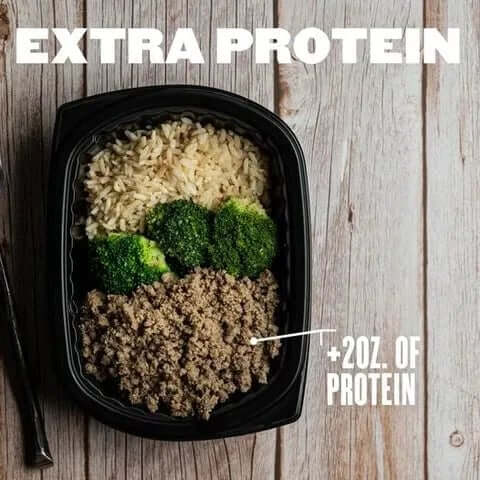
Use prepared meals as a tool. If juggling work, kids, the gym, and a commute leaves no oxygen for prepping three high-protein meals a day, prepared meal delivery is often the difference between hitting your target and missing it by 40 grams. Our High Protein Meal Plan puts 35+ grams of protein into every meal — built specifically for people trying to hit fat-loss protein targets without doing the math at every meal. If you want more flexibility, the Build-a-Meal Plan lets you filter by protein content, calorie range, and dietary restriction so you can match the targets in the table above.
Track for a week, then trust the patterns. You don't need to count grams forever. Track honestly for seven days using any free app, see where your average lands, and then adjust your defaults. Most people discover they're 30 to 50 grams short and that two simple swaps — Greek yogurt instead of cereal, an extra chicken thigh at dinner — close the gap. For the broader food strategy beyond protein, our 100 best foods for weight loss guide covers the full picture.
Frequently Asked Questions
How much protein should I eat to lose fat?
For fat loss with muscle preservation, aim for 1.6 to 2.0 grams of protein per kilogram of body weight per day — about 0.73 to 0.91 grams per pound. For a 175-pound person, that's roughly 130 to 160 grams of protein daily. Going higher rarely adds benefit; going lower risks losing muscle alongside the fat.
How many meals a day do I need to hit my protein target?
Three to four meals a day is enough for most people. The older advice to eat six small meals isn't supported by current evidence — what matters is hitting 25 to 30 grams of high-quality protein per meal so each meal triggers muscle protein synthesis. Fewer, well-built meals work just as well as frequent ones.
What are the best high-protein foods for fat loss?
Lean animal proteins are the easiest path: chicken breast, turkey, lean ground beef, white fish, salmon, eggs, Greek yogurt, and cottage cheese all deliver 20 to 30 grams of protein per serving with low calories. For plant-based options, edamame, tofu, tempeh, and lentils get you closest to the per-meal target.
Can I eat too much protein?
For healthy adults, intakes up to 2 grams per kilogram of body weight have been studied as safe and effective. Going significantly above that adds calories without adding muscle-preservation benefit, and may displace other nutrients you need. People with significant kidney disease should follow medical guidance on protein limits.
Do I need protein supplements to hit my targets?
No — whole-food protein from chicken, fish, eggs, dairy, beans, and tofu can absolutely get you there. But supplements like whey or plant-based protein powders are useful tools when your schedule, appetite, or budget makes hitting the number from food alone difficult. They're a convenience, not a requirement.
The Bottom Line
Increasing protein to reduce body fat isn't a trick or a trend — it's the most reliable nutritional lever you have for keeping the muscle and losing the fat instead of losing both. Find your number, hit 25 to 30+ grams per meal, lean on lean sources, and let the rest of your plate work around that anchor. Do that consistently and the body composition you're after stops feeling like it's fighting you.