Quick answer: Postpartum meal prep means batch-cooking nourishing, easy-to-reheat meals and freezing them before the baby arrives, so recovery does not have to compete with cooking. Start about four to six weeks before your due date, focus on protein, fiber, and warm comforting dishes, and portion everything into single servings. The easiest freezer recipes to begin with are egg muffin cups, baked oatmeal, slow-cooker shredded chicken, beef stew, turkey chili, and make-ahead breakfast burritos.
The early weeks with a newborn are a blur of feedings, diaper changes, and sleep that arrives in unpredictable scraps. Somewhere in the middle of it all, you still have to feed yourself — and your own hunger has a way of sliding to the bottom of the list. That is exactly why postpartum meal prep is worth the effort. A freezer stocked with real food means you can open the door, heat something nourishing, and get back to your baby instead of standing at the counter at 7 p.m. wondering whether crackers count as dinner.
This guide covers why postpartum nutrition matters, when to start prepping, six genuinely easy freezer recipes built for one-handed eating and fast reheating, and how to store everything so nothing goes to waste. If cooking is the last thing you have energy for right now, that's totally valid too — skip to the end for the no-cook route.
In this guide:
Why postpartum nutrition matters
When to start prepping
6 easy freezer recipes for new moms
Storage and reheating tips
Don't want to cook? The no-prep route
Frequently asked questions
The bottom line
Why postpartum nutrition matters more than people think
Your body just did something enormous. After birth, it's repairing tissue, rebalancing hormones, and — if you are breastfeeding — producing milk around the clock. All of that takes fuel. Right now, your focus shouldn't be on restriction or "bouncing back." This is the season for nourishment, full stop.
If you're nursing, your calorie needs go up, not down. The CDC notes that breastfeeding mothers generally need an additional 330 to 400 calories per day compared with what they ate before pregnancy, and the Mayo Clinic gives a similar range of about 340 to 400 extra calories daily. Protein matters just as much: it supports tissue repair, helps preserve the muscle that hormonal shifts and a demanding newborn schedule can chip away at, and keeps your blood sugar steady so you aren't crashing between feedings. Some research suggests the long-standing protein recommendations for lactating women may even be too low, with one study estimating actual needs closer to 1.7 to 1.9 grams per kilogram of body weight per day for exclusively breastfeeding women.
The practical takeaway is simple. Meals built on lean protein, fiber-rich vegetables, whole grains, and healthy fats will serve you best right now. Warm, broth-based meals like soups and stews are also gentle on digestion and comforting during recovery, especially when made with bone broth. This is part of why so many cultures center them in the early weeks. The trick is making sure these meals already exist before you are too tired or preoccupied by your newborn to make them.
When to start prepping (and what if the baby is already here)
The sweet spot for prepping is roughly four to six weeks before your due date. You may have enough energy to cook in batches, and spreading a few sessions across the third trimester keeps it from becoming one exhausting marathon. A good rhythm is to double or triple whatever you're already making for dinner and freeze the extra portions. This way, building your stash barely adds an extra prep or cook time to your week. Don't be afraid to ask for help, either — your partner, family members, and friends can help you fill the freezer, too.
Reading this with a newborn already in your arms? Don't stress — none of this requires a head start. You can prep in short bursts during nap windows, accept every offer of help, and lean on ready-to-eat options to bridge the gap. Plenty of parents build their freezer stash after the baby arrives, one meal or prep session at a time. The goal is never a perfectly stocked freezer; it is having something nourishing within reach on the hard days.
6 easy freezer recipes for new moms
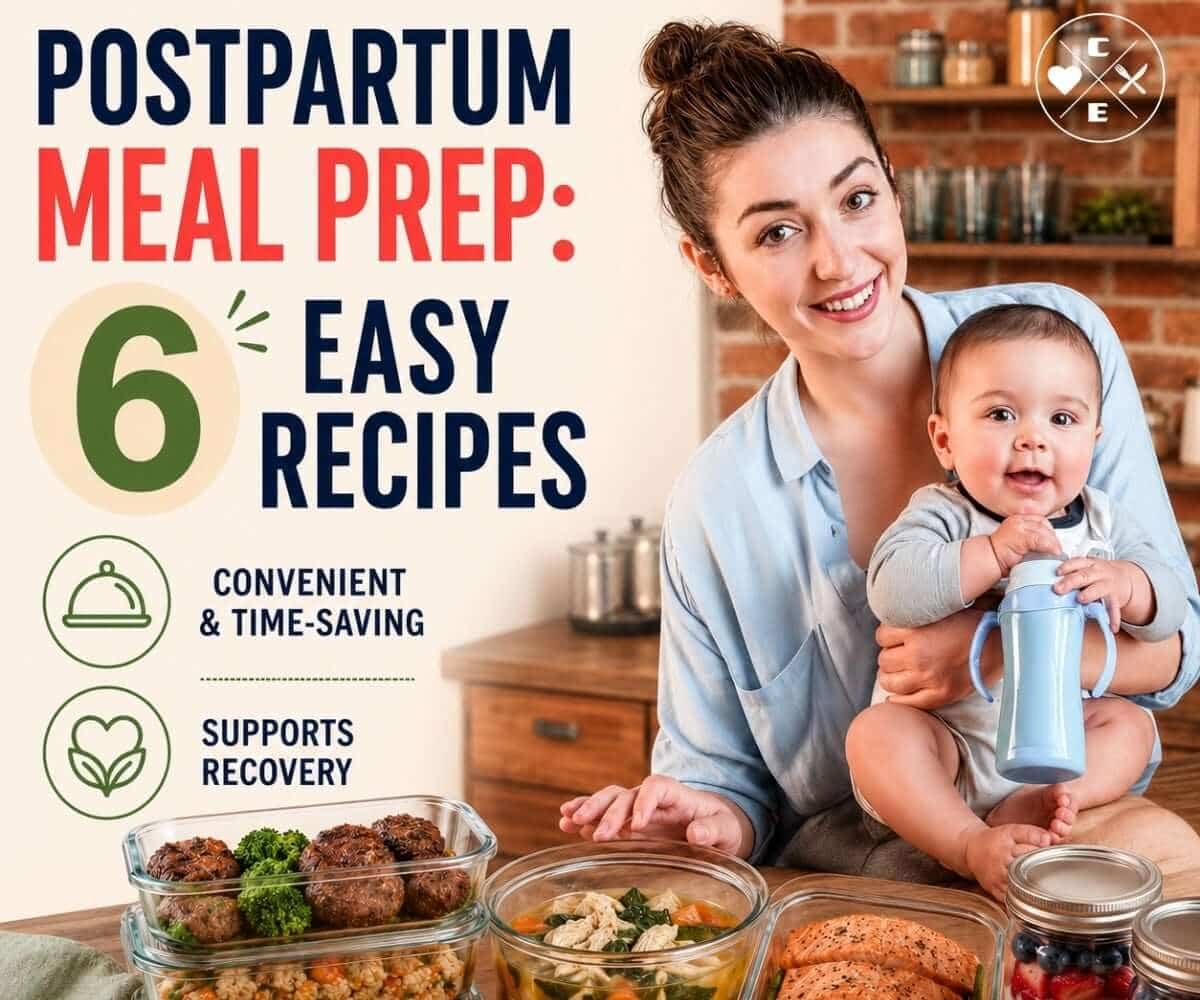
These six recipes are the ones to start with. Every one is forgiving, freezes well, reheats fast, and — critically — can be eaten with one hand while you hold a baby. Lean on a slow cooker and a single big batch wherever you can. You don't need all six of these meals prepped and ready before baby arrives; even two or three can make the first postpartum weeks go a little more smoothly.
1. Freezer egg muffin cups
These are the workhorse of postpartum breakfasts: high in protein, endlessly customizable, and ready in about a minute from frozen.
- Whisk 10 eggs with a splash of milk, salt, and pepper.
- Divide chopped spinach, diced bell pepper, and shredded cheese among a greased 12-cup muffin tin.
- Pour the egg mixture over, and bake at 350°F for 20 to 25 minutes until set.
- Cool completely, freeze on a tray so they do not stick, then bag them.
- To reheat: microwave for 60 to 90 seconds.
Tip: sauté any watery vegetables before assembly so the muffins don't get soggy.
2. Blueberry baked oatmeal
This is a fiber-rich, naturally sweetened breakfast that slices perfectly into grab-and-go squares.
- Combine 2½ cups rolled oats with 1/2 tsp baking powder, a pinch of cinnamon, and and pinch of salt.
- Whisk 2 cups milk with 1/2 cup maple syrup, an egg, and 1 tsp of vanilla.
- Layer blueberries in a greased 8x8 dish, add the oat mixture, and pour the wet mix over. Optionally, you can then top this with more berries.
- Bake at 350°F for 35 minutes.
- Cool, cut into nine squares, and freeze individually.
- To reheat: microwave for 30 to 60 seconds.
Tip: swap out the blueberries for any berry you like. You can also use frozen berries, although the end result will be softer and may need to be eaten in a bowl.
3. Slow-cooker shredded chicken
This is less a "meal" than a building block, and that is exactly why it deserves freezer space.
- Drop two pounds of thawed, boneless skinless chicken (breasts or thighs) into the slow cooker with a cup of broth and simple seasonings. I recommend just salt and pepper so the chicken can be used in any kind of recipe.
- Cook on low for 6-8 hours, and shred.
- Toss the chicken in the cooking liquid to keep it moist, then freeze in flat portions.
All week you can add it to rice bowls, tacos, wraps, quesadillas, soups, or salads with zero day-of cooking. This is the kind of flexibility that keeps freezer food from getting boring.
4. Hearty beef and vegetable stew
Stew is postpartum gold: iron- and protein-rich (two things many new mothers run low on after delivery), warming, and somehow even better after a stint in the freezer.
Check out this freezer ready make-ahead slow cooker beef stew recipe. It's highly rated, with over 200 reviews.
To boost the nutrition in the recipe, use bone broth instead of regular beef broth. What we really like about this recipe is that you can brown the meat and then package all the ingredients together in the freezer to cook in the slow cooker later, OR you can cook and then freeze the fully-cooked stew. Flexibility is the name of the game here!
5. Freezer-friendly turkey chili
Chili delivers a big hit of protein and fiber in a single bowl, and it freezes and reheats more forgivingly than almost anything else. We like this healthy turkey chili recipe from Ambitious Kitchen. It has over 800 reviews and is rated a glowing 4.9 out of 5 stars, and the author includes directions for freezing the chili as well.
Again, we recommend making the chili with bone broth rather than regular broth for the added nutrients.
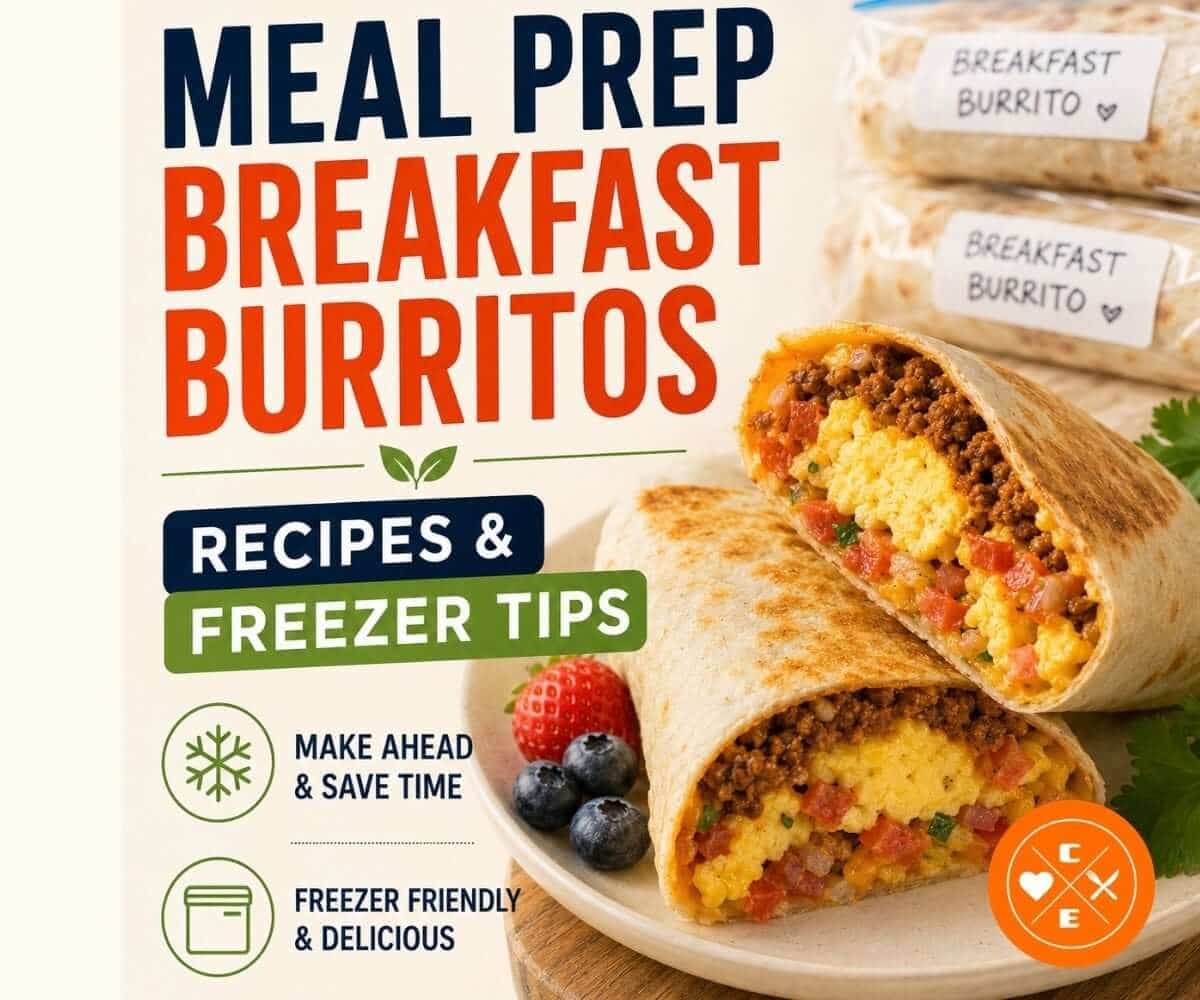
6. Make-ahead breakfast burritos
Wrapped individually in foil, these are the perfect hearty, one-handed breakfast.
- Scramble 12 eggs
- Fold in one pound of cooked turkey sausage (or 1-2 cans of drained black beans for a vegetarian version), 1-2 sautéed bell peppers, 3 large handfuls of fresh baby spinach, and six ounces of the shredded cheese of your choice.
- Roll the mixture into whole-wheat tortillas and wrap each in foil. This will make 12 small (6 to 8-inch tortilla) burritos or 6 large (12 to 14-inch tortilla) burritos.
- To reheat: Remove from foil and microwave for one to two minutes until heated through. Alternatively, reheat in the oven at 350°F for 10-15 minutes, still wrapped in foil if you want crispier edges.
For a deeper rundown of batch-cooking systems, container choices, and food-safety timelines, our Complete Meal Prep Guide walks through everything start to finish. And since protein is doing so much heavy lifting during recovery, our guide to nutrient-dense whole foods is a useful reference for rounding out balanced, freezer-friendly meals.
Don't want to cook? The no-prep route
Let's be real, here: some weeks you won't have the bandwidth to cook anything, and that's completely normal. Recovery, healing from a C-section or tearing, cluster feeding, and surviving on broken sleep are more than enough for you to deal with. Meal prep should give you a cushion, not another chore.
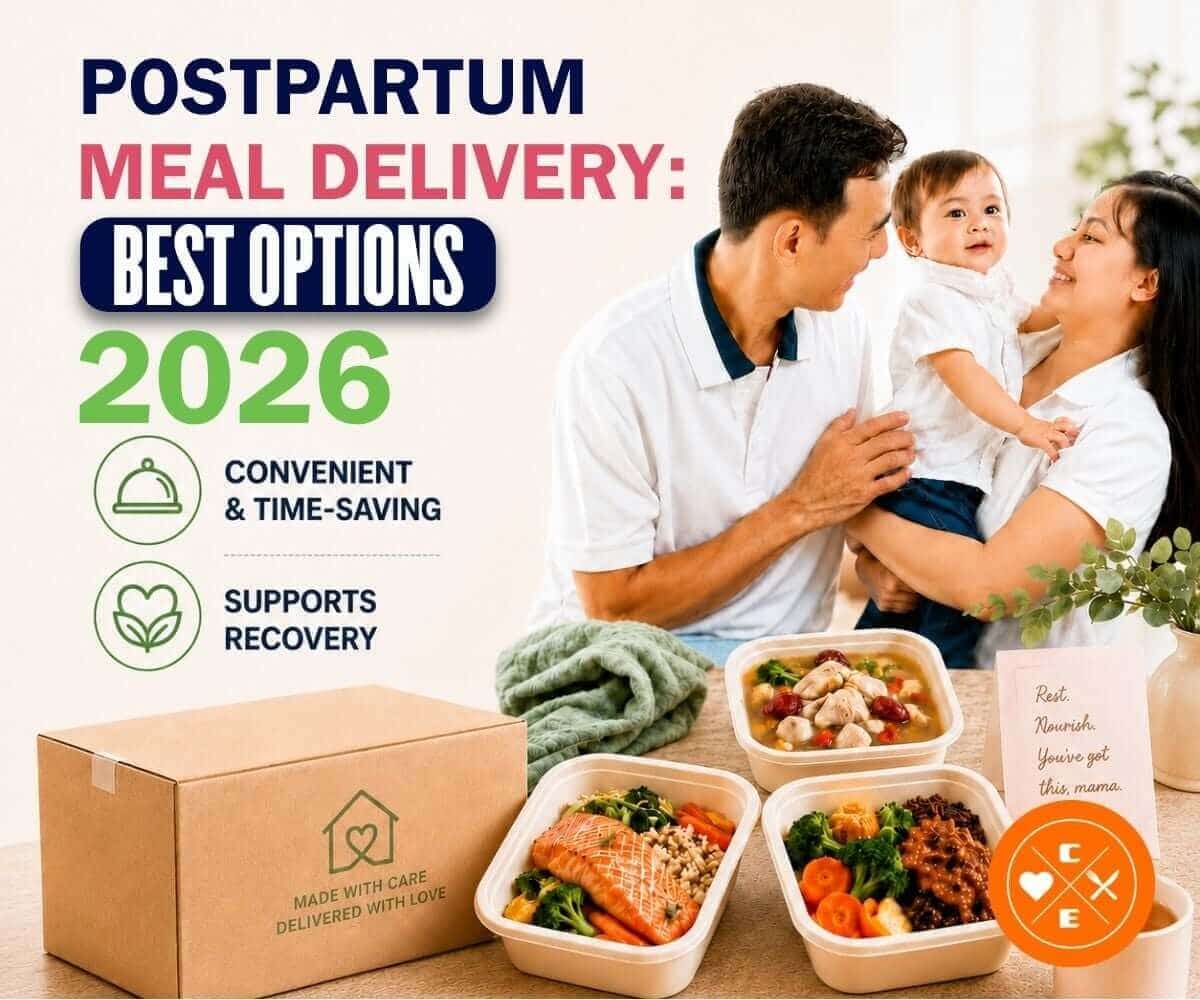
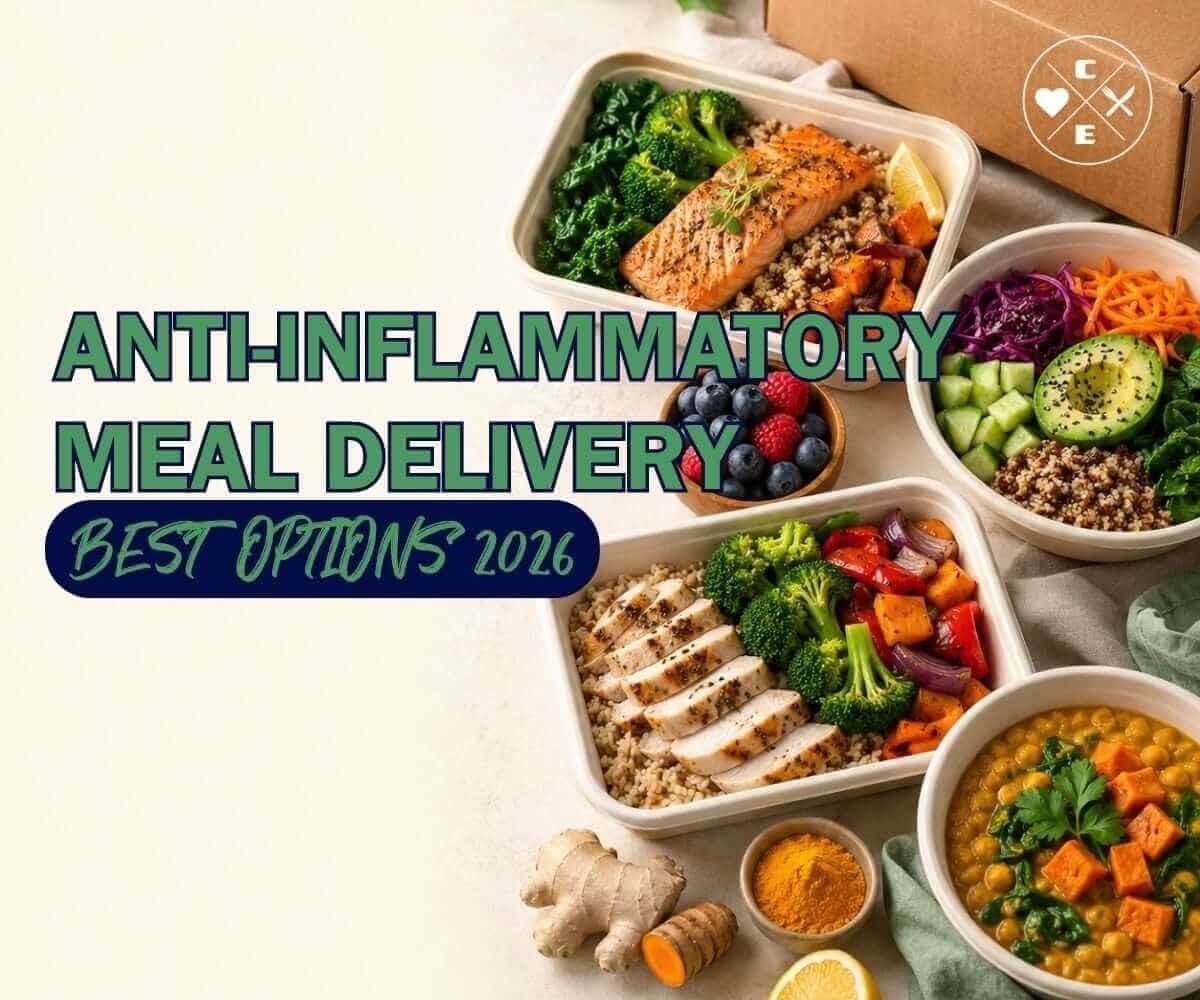
If cooking ahead simply isn't realistic right now, prepared meal delivery can do the same job without the prep, cleanup, or decisions — chef-cooked meals that arrive frozen and reheat in a few minutes. This is a smart way to fill the gaps around a small homemade stash, or to skip advance meal prep entirely.
Smart storage and reheating so nothing goes to waste
Whichever path you take, a little organization upfront can save a lot of frustration later. Let cooked food cool completely before freezing so it doesn't develop ice crystals or freezer burn, then store everything airtight in either freezer bags laid flat or stackable containers. Label each one with the contents and the date — a Sharpie and masking tape will save you more mental energy than you'd expect at 3 a.m. Most home-frozen cooked meals keep their best quality for about three to four months, so a quick inventory list taped to the fridge can help you keep track of what you have and when it should be used by.
For reheating, soups, stews, and chili can usually go straight from frozen into a pot or the microwave, while denser bakes and casseroles do best thawed in the fridge overnight first. Keep a few no-cook backups on hand too — Greek yogurt, cottage cheese, pre-cut fruit and veggies, hummus, and nuts — for the days when even the microwave feels like a lot. Single-serving portions are your friend here: they thaw faster, waste less, and make reheating one meal effortless.
Frequently asked questions
When should I start postpartum meal prep?
Many people start batch-cooking and freezing meals about four to six weeks before their due date, while energy is still relatively high, and spread the work across the third trimester. If the baby has already arrived, it's not too late — prep in small sessions during naps or lean on prepared meal delivery to fill the gaps.
What are the best freezer meals for postpartum recovery?
Soups, stews, chili, casseroles, slow-cooked or shredded meats, breakfast burritos, egg muffins, and baked oatmeal all freeze and reheat well. Warm, broth-based meals are especially popular because they are comforting and easy to digest. Build them around protein, fiber, and healthy fats rather than refined carbs alone.
How many calories do I need while breastfeeding?
Breastfeeding mothers typically need roughly 330 to 400 extra calories per day compared with their pre-pregnancy intake. Most experts advise against dropping below about 1,800 calories a day while nursing, since restricting too far can drain your energy and slow recovery.
How long do postpartum freezer meals last?
Home-frozen cooked meals hold their best quality for about three to four months when stored airtight, though they stay safe longer. Label every container with the contents and date. Flash-frozen prepared meals from a delivery service typically keep well for up to six months.
What foods help with milk supply postpartum?
There's no magic food that guarantees more milk — supply is mostly driven by how often and effectively your baby nurses, along with adequate calories and hydration. That said, oats, whole grains, leafy greens, and plenty of fluids are commonly recommended. A varied, protein-rich diet also supports overall recovery and energy while nursing.
Can I do postpartum meal prep without cooking everything myself?
Yes. Many parents combine a small homemade freezer stash with prepared meal delivery so there's always something ready to heat. Pre-cooked proteins, steam-in-bag vegetables, and ready-to-eat frozen meals all cut the cooking load during those early postpartum weeks when time and energy run shortest.
The bottom line
Postpartum meal prep can be a form of self-care. A freezer full of nourishing, protein-rich meals takes one major stressor off your plate during a season when your energy is better spent on recovery and your new baby than on meal planning, shopping, and cooking. Batch a few of these freezer recipes before your due date, learn to love your slow cooker, and gravitate towards foods you can eat one-handed.
If cooking isn't in the cards, there's absolutely no shame in letting prepared meals carry you through. Most parents land somewhere in the middle, and that blend is often the most sustainable choice of all. However you fill the freezer, the goal is the same: when hunger hits, something tasty and nutritious is already waiting.