
Meal prep for busy professionals
Meal prep for busy professionals: A realistic guide
Start with weekday lunches. One 90-minute session solves the meal that derails most workdays. A prep system that flexes with your calendar, plus what to do about the office, the road and crunch weeks.
- Free Shipping on Every Meal PlanFree Shipping
- Up to 20% Off 30-Meal PlansUp to 20% Off
- Chef Cooked, Dietitian BuiltDietitian Built
- Heat & Eat in MinutesHeat & Eat

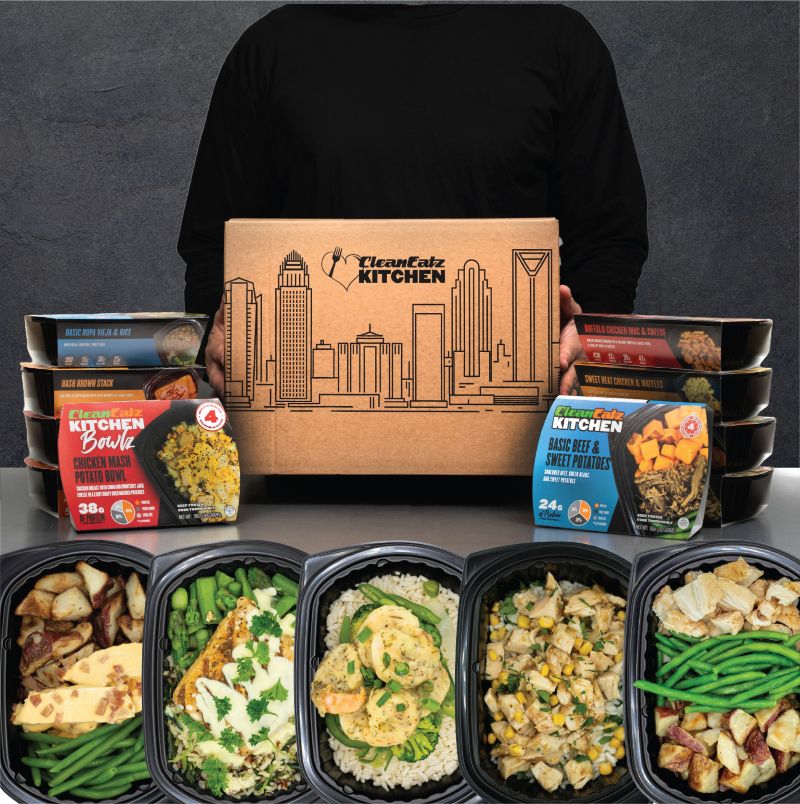
Meal prep with a demanding job
Can you really meal prep with a demanding job?
Quick answer
Yes, if you stop aiming for a perfect routine. Most advice assumes predictable weekends and steady energy. Prep one meal, usually lunch, for about 90 minutes a week, and keep a backup ready for the weeks when even that won't happen.
Most meal prep advice gets this wrong. It assumes you have predictable weekends, consistent energy and a kitchen you actually want to spend time in after a draining workday. Professional life is messier. Some weeks you have time. Some weeks you're barely surviving. The trick isn't finding the perfect routine. It's building a flexible system that rolls with the punches.
Planning does seem worth the trouble. In a study of 40,554 French adults, people who planned their meals at least occasionally had better diet quality and more food variety, plus about 20% lower odds of obesity in both women and men. That's an association from one large survey with self-reported weight, so it doesn't prove planning caused the difference. People who plan may simply differ in other ways. But it points in the direction you'd expect.
For a deep dive on the fundamentals, our Complete Meal Prep Guide covers everything from batch cooking techniques to storage timelines. This article sticks to making meal prep work inside the constraints of a demanding career.
Meal prep schedule for working professionals
How do you build a prep system that fits?
Quick answer
Start small and prep lunches only. Pick one protein, a sheet pan of vegetables and a pot of grains, and split them into containers in about 90 minutes. Do it whichever day you'll actually do it, and leave everything else flexible.
The biggest mistake busy professionals make is treating meal prep as all or nothing. You don't need 21 perfect meals every Sunday. Start with the meals that cause you the most trouble, and for most working people that's weekday lunches.
A realistic starting point is five lunches with everything else left flexible. It takes about 90 minutes and solves your biggest pain point: deciding what to eat at midday, when you're already worn out from morning meetings.
The 90-minute professional prep session
Choose one protein that reheats well at work. Chicken thighs, ground turkey and salmon all hold up better than chicken breast, which tends to dry out. Season it simply so you can change the flavor through the week with different sauces. While your protein cooks, roast a sheet pan of vegetables and start a pot of grains. In the last 20 minutes, portion everything into five containers.
That's it. Lunch is handled for the work week. As this becomes routine, you can expand to breakfast prep or dinner components, but don't start there. Master lunches first.
Meal prep around your actual schedule
Sunday prep works for some people, but not everyone. If your Sundays are sacred recovery time, prep on Wednesday evening once you've hit your stride. If you travel Monday through Wednesday, prep Thursday night for the back half of your week. The right day is whichever day you'll do it consistently.
Look at your calendar before you plan. Heavy meeting days call for grab-and-go meals that don't need reheating. Days with a real lunch break can handle something that needs assembly or warming. Match your meals to your schedule, not the other way around.
Office-friendly meal prep
How do you make meals work at the office?
Quick answer
Plan for the commute and the shared microwave. Use leak-proof containers, keep dressing separate, choose foods that reheat well and have no-microwave meals in your rotation. Keep anything perishable in the fridge or with an ice pack until lunch.
A meal that's perfect at home can be a disaster at work. The microwave everyone uses, the lack of proper utensils and coworkers with opinions about your lunch are real constraints.
Best meal prep containers for work
Your containers need to survive a commute, reheat well and not leak all over your bag. Glass containers with locking lids are ideal for reheating, because they don't warp, don't absorb smells and clean up easily. The one drawback is weight. If you're walking, biking or taking public transit, BPA-free plastic with secure snap lids may be more practical.
Containers with compartments keep ingredients separate until you're ready to eat. That matters for meals where you want crispy elements to stay crispy, or where dressing would make greens soggy. Keep sauces and dressings in small separate containers and add them at the office.
Meal prep lunches with no microwave
Not every workplace has a microwave, and even when one exists, the line at noon can eat into your whole break. Build a rotation of meals that taste great cold or at room temperature.
- Grain bowls with roasted vegetables, chickpeas and tahini dressing.
- Mason jar salads: dressing on the bottom, sturdy vegetables next, greens on top. Shake when you're ready to eat.
- Mediterranean plates with hummus, cucumber, olives and grilled chicken.
- Cold sesame noodles, wraps and substantial salads with quinoa or farro.
- Tuna or egg salad, both protein-packed. To cut the fat and add protein, swap some or all of the mayonnaise for plain Greek yogurt.
If you want hot food, get an insulated food thermos. Heat your soup, stew or chili until it's steaming, fill the thermos in the morning before you leave, and it'll stay warm until lunch with no office microwave required. Rinsing it with boiling water first helps it hold heat, and CDC's danger zone runs from 40°F to 140°F, so you want it hotter than that.
Meal prep foods that reheat well
Some foods bounce back after a night in the fridge. Others turn into disappointing mush. Knowing the difference saves you some frustration.
| Food | Reheats | What to do |
|---|---|---|
| Chicken thighs, ground meat dishes | Very well | Reheat to 165°F |
| Stews, curries, grain bowls | Very well | Stir halfway through |
| Roasted root vegetables | Very well | Pack with the protein |
| Salmon | Reasonably well | Use lower power |
| Chicken breast | Tends to dry out | Slice thin, add sauce |
| Pasta dishes | Noodles soak up sauce | Cook it slightly underdone |
| Delicate greens, fried foods | Poorly | Skip them or add them fresh |
How common meal prep foods hold up
Office microwaves heat unevenly, so stir your food partway through and check that it's hot all the way to the middle. CDC's target for reheated leftovers is 165°F.
Healthy desk snacks for work
What should you keep in your desk?
Quick answer
Non-perishable protein and something sweet: raw almonds, nut butter packets, protein bars, jerky, roasted chickpeas and dark chocolate. With an office fridge, add cut vegetables with hummus, Greek yogurt, cheese sticks, hard-boiled eggs and fresh fruit.
The 3 PM slump doesn't care about your meal prep. When your energy crashes and the vending machine beckons, having better options within arm's reach makes all the difference.
Keep a desk drawer stocked with non-perishable snacks that won't spoil: raw almonds, individual nut butter packets, protein bars, beef or turkey jerky, roasted chickpeas, and dark chocolate for when you need something sweet. Rotate your stock monthly to keep things fresh and interesting.
If your office has a refrigerator, claim some space for weekly snack prep. Cut vegetables with hummus, Greek yogurt cups, cheese sticks, hard-boiled eggs and fresh fruit are all better fuel than whatever's in the machine. Portion them into grab-ready containers on your prep day so they're as convenient as the alternatives.
For ready-made options that take no prep, browse our healthy snacks collection.
Healthy eating during business travel
How do you eat well on business trips?
Quick answer
Pack snacks that clear security, stock the hotel mini-fridge with breakfast and lunch basics, and order grilled protein with vegetables when you eat out. That covers one or two meals a day, even when client dinners are out of your hands.
Business travel can seriously challenge your eating habits. Airports, hotels, client dinners and expense accounts make a perfect storm. With some planning, you can still eat reasonably well on the road.
Travel snacks for the journey
Airport food is expensive and often not very nutritious. Pack portable snacks that clear security: nuts, protein bars, jerky and individual nut butter packets. TSA limits peanut butter to 3.4 ounces in carry-ons, so a full jar goes in checked luggage and single-serve packets are the way around it. If you're driving, a small cooler with prepped meals, cut vegetables and cheese can save you from fast food stops.
Hotel room meal setup
Request a room with a mini-fridge when you book. When you arrive, stop at a nearby grocery store for breakfast basics and simple lunch components: Greek yogurt, hard-boiled eggs, fresh fruit, deli turkey, cheese and pre-cut vegetables. That gives you control over at least one or two meals a day, even when client dinners are unavoidable.
Many hotels have a microwave available at the front desk even if your room doesn't. Ask. Some business travelers bring a small electric kettle to heat water for oatmeal or instant soup, which is a lifesaver before early airport runs.
Ordering at client dinners
Client dinners and team meals are part of professional life. You can't always control where you eat, but you can control what you order. Grilled proteins with vegetables are available almost everywhere. Ask for sauces on the side. Choose the side salad over fries. Skip the bread basket if it's going to derail you, or have one piece and move it away.
The goal is the best choice in each situation, even when it isn't perfect. One indulgent dinner doesn't matter if your other meals that day were solid. Dinner is a separate event from lunch, and there's no ruined day, only the next choice.
Eating well during crunch weeks
What do you eat when work falls apart?
Quick answer
Whatever you set up before the crunch: a freezer stash of double batches, meal delivery for the worst weeks and a few minimal defaults. Prep isn't realistic during quarter-end or a product launch, and pretending otherwise sets you up to fail.
Every professional has weeks where everything falls apart: quarter-end, major deadlines, product launches, conferences. Meal prep isn't realistic during those periods, and pretending otherwise sets you up for failure. The solution is building your backup before you need it.
Freezer meals for busy weeks
During normal weeks, make double batches and freeze the extras. Soups, stews, chili and casseroles all freeze well. FDA's chart gives cooked meat dishes, soups and stews 2 to 3 months in the freezer. When crunch time hits, you have home-cooked meals that only need reheating. Even five or six emergency meals in the freezer make a real safety net.
Using meal delivery strategically
There's no shame in outsourcing your busiest periods. Using meal delivery during a crunch week isn't giving up on healthy eating. It's protecting your habits when you can't maintain them yourself. That's a workload problem, and workload problems have different solutions than knowledge problems.
Meal plans from Clean Eatz Kitchen are built for this kind of week. The meals are chef-cooked and portion-controlled, they arrive flash-frozen on dry ice, and they heat in a few minutes in the microwave. There's no subscription, so you can order once for the bad month and stop.
Bulk meal boxes are particularly useful here. Order a larger box, at about 16% off on 30 meals, stock your freezer, and you've got options for months, since our meals keep for up to 12 months from the production date. Check your freezer space first, because 30 meals is a lot of trays.
Simple meals for overwhelming weeks
During truly overwhelming periods, even meal prep can mean something minimal: Greek yogurt and berries for breakfast, a healthy lunch delivery, and rotisserie chicken with pre-washed salad greens for dinner. It's not Instagram-worthy, but it's far better than the takeout-and-vending-machine alternative.
The professionals who keep eating well over the long term aren't the ones with perfect meal prep photos. They're the ones who've built systems that flex with their lives.
Getting started with meal prep
What should you do first?
Quick answer
Prep one meal, probably lunch, until it's automatic. Then choose foods that travel and reheat well, stock your desk and build a freezer backup. When work gets busy, use the tools you have, including meal delivery, instead of abandoning your habits.
Meal prep for busy professionals isn't about the idealized Sunday cooking session you saw on social media. It's about practical systems that keep healthy food within reach when your job makes the other choices easy.
Start with one meal, probably lunch, and master that before you expand. Choose foods that travel well and reheat easily. Stock your desk with better snacks. Build freezer backups for crunch weeks. And when work gets busy, use the tools you have, including meal delivery, to protect your habits rather than abandon them.
Your career will always have demanding stretches, but some advance planning can help you get through them with your health goals intact. For more techniques and recipes, explore our Complete Meal Prep Guide. For the weeks when you need it done for you, our customizable meal plans let you pick your meals one by one, and the High Protein Meal Plan is there if protein is the part that keeps slipping.
 Make it easy withHigh Protein Meal PlanFrom $63.00View plan
Meal prep for professionals FAQ
Questions about work meal prep, answered
How do I meal prep when I work long hours?
Focus on efficiency over complexity. Set aside about 90 minutes on your chosen day to batch-cook proteins, grains and vegetables, then assemble meals in containers. Choose recipes with few ingredients that reheat well. On weeks when even that feels impossible, rely on your freezer backup or a meal delivery service.
What's the best container for bringing meals to work?
Look for leak-proof, microwave-safe containers with secure locking lids. Glass reheats well and doesn't absorb odors, but it's heavier. BPA-free plastic works for commuters who need something lighter. Containers with compartments keep wet and dry ingredients separate until you eat.
What can I eat at work if there's no microwave?
Plenty: grain bowls with roasted vegetables and chickpeas, mason jar salads, wraps, tuna or egg salads, cold noodle dishes and Mediterranean plates. Keep perishable items in a fridge or with an ice pack until lunch. An insulated thermos filled with hot soup in the morning also stays warm until midday.
How do I eat healthy when traveling for work?
Pack portable snacks like nuts and protein bars for the journey. At hotels, request a mini-fridge and stock it with Greek yogurt, eggs and vegetables. For meals out, choose grilled proteins with vegetables and ask for sauces on the side. That gets you through most trips without much extra effort.
How do I stay consistent during busy seasons at work?
Build backup systems before you need them. Keep your freezer stocked with ready meals, use meal delivery during crunch periods and give yourself permission to simplify. Even basic healthy eating beats takeout and vending machines, and a bad week doesn't undo what you've already built.
More meal prep guides for busy weeks
Keep reading
 Weight loss
The Complete Meal Prep Guide 2026: Save Time, Money & Eat Better
 Ellie Lopez, LDN, MS · Oct 16, 2025
 Weight loss
Healthy Meal Prep 101: A Beginner’s Guide To Planning, Cooking, & Storing
 Staci Gulbin, MS, MEd, RD · Jan 22, 2026
 Nutrition
7-Day Healthy Meal Prep Plan For Busy Weeks
Staci Gulbin, MS, MEd, RD · Jan 26, 2026Sources
On this page