Carrots for weight loss

Are carrots good for weight loss? The complete nutrition guide

Yes. A medium carrot has about 25 calories and 1.7 grams of fiber, so portions go a long way. The sugar myth, the numbers, how to buy and prep them, 5 meals and the 7 mistakes that cancel the benefit.

  • Free Shipping on Every Meal PlanFree Shipping
  • Up to 20% Off 30-Meal PlansUp to 20% Off
  • Chef Cooked, Dietitian BuiltDietitian Built
  • Heat & Eat in MinutesHeat & Eat
Romaine Rusnak, RD, LDN
Romaine Rusnak, RD, LDNRegistered Dietitian · May 8, 2026
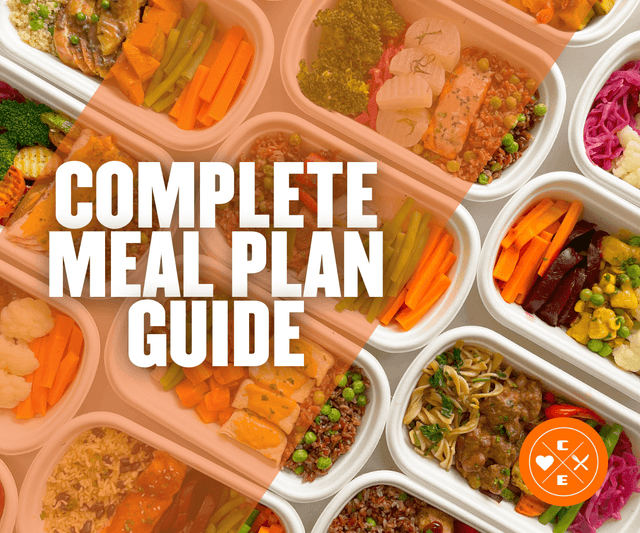
Clean Eatz Kitchen Weight Loss Meal Plan box with labeled, portioned meals

Aren't carrots high in sugar? It comes up a lot, usually from someone who has been choking down celery sticks when they'd rather eat a carrot.

The internet doesn't help. Some people swear by carrots. Others claim the natural sugar will derail your progress. Some say raw is best, others insist cooked is healthier. All of that confusion pushes people away from a vegetable that could make a calorie deficit a lot easier to live with.

Carrots are low in calories, carry fiber that helps you feel full, and supply plenty of vitamin A. They won't burn fat on their own, and the details matter: how you prepare them, what you pair them with and how much you eat all decide whether they help. This guide covers all of it, plus enough ways to eat them that you won't get bored.

Why carrots work for weight loss

Are carrots good for weight loss?

Quick answer

Yes, because they fill you up for very few calories. A medium carrot has about 25 calories and 1.7 grams of fiber, so 6 carrots equal one small bag of chips. Carrots don't burn fat. They make a calorie deficit easier to hold.

Before the recipes, it helps to know why carrots work, because that tells you how to use them. Weight loss comes down to eating fewer calories than you burn. The hard part is doing that without feeling miserable and hungry all day, and that's the part carrots can help with.

Calorie density in carrots

Calorie density is the number of calories in a given weight of food. Foods low in calorie density let you eat large, satisfying portions for relatively few calories. At about 41 calories per 100 grams, or about 3/4 cup chopped, per USDA FoodData Central, carrots sit near the bottom of the scale.

  • 1 medium carrot: about 25 calories
  • 1 small bag of potato chips (1 oz): about 150 calories
  • 1 granola bar: 120 to 200 calories or more

You'd need to eat 6 medium carrots to match the calories in that small bag of chips. You also can't eat 6 carrots as quickly or as absentmindedly as you can finish a bag of chips. The volume, the crunch and the chewing all slow you down.

The evidence here is better than most food claims get. In a year-long trial at Penn State, 97 women with obesity were counseled either to cut fat or to cut fat and eat more water-rich foods, particularly fruit and vegetables. Neither group got a calorie target. Among the 71 who finished, the produce group lost 7.9 kg and the other group 6.4 kg, and the produce group reported less hunger. That's a difference of 1.5 kg over a year, in one study of women. It isn't dramatic, and it came with less hunger, which is what keeps people going.

Fiber in carrots

A medium carrot has about 1.7 grams of fiber. That doesn't sound like much until you see the target: the FDA's Daily Value for fiber is 28 grams, and it takes a lot of plant foods to get there. Every little bit counts.

The best carrot-specific study comes from the University of Ulster. In a crossover study published in the British Journal of Nutrition, young women ate a mixed lunch of rice, chicken and sauce with 200 grams of carrots in one of three forms: whole, blended, or as carrot nutrients with the fiber and structure removed. Whole and blended carrots both produced more fullness than the nutrient version, and later food intake fell in step: highest after the nutrients, lower after blended, lowest after whole.

Two caveats belong here. About 34 young women is a small group, and 200 grams is about 3 medium carrots at one meal. Still, the direction is useful: both the fiber and the physical structure of the carrot seem to matter, which is one reason whole carrots beat juice.

Fiber helps in a few ways:

  • It slows digestion. The soluble fiber in carrots, pectin, forms a gel-like substance that slows things down, which can help you stay full longer.
  • It may trim calorie absorption slightly. Fiber can reduce the absorption of some calories from other foods in the meal. The effect is small, so don't count on it.
  • It feeds your gut. Beneficial gut bacteria ferment fiber, and that's a good thing for gut health.
  • It steadies blood sugar. Fiber slows the rise in blood sugar after a meal.

Carrots contain both kinds of fiber. The soluble pectin helps with fullness and blood sugar, while the insoluble fiber (cellulose, hemicellulose and lignin) adds bulk and helps prevent constipation, a common complaint when people cut calories.

Carrot sugar & blood sugar

Does the sugar in carrots slow weight loss?

Quick answer

No. A medium carrot has about 3 grams of natural sugar, packaged with fiber and water. Raw carrots usually test between 16 and 39 on the glycemic index and boiled carrots around 39, all in the low range, 55 or under.

One of the biggest myths about carrots is that their natural sugar makes them bad for weight loss. The glycemic index, or GI, measures how much a carbohydrate food raises blood sugar, and carrots score lower than their reputation suggests.

A medium carrot has about 2.9 grams of natural sugar, per USDA. That sugar comes packaged with fiber and water, which changes how your body handles it. The University of Sydney's GI database lists raw carrots at 16 to 39 depending on how they were prepared for the test, with results flagged as variable. The 2008 international GI tables put boiled carrots at 39. Anything at 55 or under counts as low.

Glycemic index values from the 2008 international tables (Atkinson et al.)
FoodGICategory
Carrots, boiled39Low
White rice, boiled73High
Whole wheat bread74High
White wheat bread75High

Glycemic index values from the 2008 international tables (Atkinson et al.)

One honest footnote: some older carrot tests in the Sydney database run much higher, up to 92 for carrots boiled in salted water, and those are flagged for method problems. GI numbers vary. The amount matters more, and the amount of carbohydrate in a carrot is tiny. A medium carrot has about 4 grams of net carbs, so even at a GI of 39 its glycemic load is under 2. That's the arithmetic: 39 times 4.1, divided by 100. A glycemic load under 10 counts as low.

When you eat carrots with protein and healthy fat, such as carrot sticks with hummus or roasted carrots with grilled chicken, the meal's overall effect on blood sugar stays gentle. Protein and fat slow carbohydrate absorption further, so you get steadier energy without the swing that can leave you hunting for a snack.

A carrot won't cause the kind of blood sugar spike people are worried about. If you've been avoiding them because of the sugar, you can stop. The exception is a medical condition that requires strict sugar limits, and that's a conversation for your doctor or a registered dietitian.

Carrot nutrition facts

How many calories & carbs are in carrots?

Quick answer

A medium raw carrot has about 25 calories, 5.8 grams of carbs and 1.7 grams of fiber. A cup of chopped raw carrots has about 52 calories, 12.3 grams of carbs and 3.6 grams of fiber. Cooking barely changes the numbers.

These numbers will help you track your intake and plan your meals.

Carrot nutrition, rounded from USDA FoodData Central
ServingCaloriesCarbsFiberNet carbsProteinFat
1 medium raw (61 g)255.8 g1.7 g4.1 g0.6 g0.1 g
1 cup chopped raw (128 g)5212.3 g3.6 g8.7 g1.2 g0.3 g
1 cup boiled (156 g)5512.8 g4.7 g8.1 g1.2 g0.3 g
100 g raw419.6 g2.8 g6.8 g0.9 g0.2 g

Carrot nutrition, rounded from USDA FoodData Central

Key micronutrients in carrots

Beyond the macros, carrots bring several vitamins and minerals. The percentages below are for 1 cup of chopped raw carrots, against the FDA's Daily Values.

  • Vitamin A, as beta-carotene: the orange pigment your body converts to vitamin A, essential for immune function and vision. One cup provides more than 100% of the Daily Value.
  • Vitamin K1: important for blood clotting and bone health, about 14% of the Daily Value.
  • Potassium: supports heart health and blood pressure regulation, about 9% of the Daily Value.
  • Vitamin C: about 8% of the Daily Value. A 2005 review reported that people with adequate vitamin C burned about 30% more fat during moderate exercise than people with low status, and suggested low status may make fat loss harder. That's a reason to avoid running low, not a reason to expect carrots to burn fat.
  • Other notable nutrients: B vitamins, including vitamin B6.

Beta-carotene is fat-soluble, which is one reason a little fat alongside carrots is worth having.

Raw vs cooked carrots

This is one of the most common questions, and the answer is that both are good, just slightly different.

Raw and cooked carrots compared
Raw carrotsCooked carrots
Glycemic indexLowerSlightly higher, still low
TextureMore crunch, more chewingSofter, easier in mixed dishes
Beta-caroteneLess availableMore available
Best forSnacking & saladsMeal prep & batch cooking

Raw and cooked carrots compared

The beta-carotene gap is real. In a lab digestion study, 3% of the beta-carotene was released from raw carrot pieces, 27% from cooked carrot pulp and 39% once cooking oil was added. That's a test-tube model, not people eating dinner, but it points the same way as the advice to eat carrots with a little fat. Raw carrots still deliver plenty.

For weight loss, the difference is minimal. Choose based on what helps you stay consistent. If you love crunchy snacks, raw carrots are your friend. If you prefer warm vegetables with dinner, that works too.

How to buy carrots

Which carrots should you buy?

Quick answer

Buy firm, smooth carrots with no soft spots. Whole carrots are almost always cheaper per pound, while baby carrots cost more but get eaten more easily. Conventional is fine if you scrub them, and every color works for weight loss.

Quality matters for taste and for whether you'll actually finish the bag. Here's what to look for at the grocery store or farmers market.

Fresh whole carrots

  • What to look for: firm, smooth carrots with vibrant color, whether that's orange or a specialty purple, yellow or red. Skip anything limp, rubbery or soft in spots. The surface should be free from deep cracks or excessive root hairs.
  • The green top test: if the tops are still attached, they should look fresh, not wilted or yellowed. Remove them before storing, since they draw moisture from the root.
  • Size: medium carrots, 6 to 7 inches, suit most uses. Very large ones can be tough and woody in the center. Very small ones are tender but cost more per pound.
  • Budget: whole carrots are almost always cheaper per pound than baby carrots or pre-cut options. You're paying for convenience with those ready-to-eat bags.

Baby carrots

Most "baby carrots" aren't babies at all. They're regular carrots cut and peeled into uniform 2-inch pieces. True baby carrots are harvested young and taste slightly sweeter.

Choose bags with a best-by date at least 10 to 14 days out. Look for white blush, a harmless surface dehydration that looks like a white coating. It isn't a problem, but fresher carrots won't have it yet.

Baby carrots make sense when convenience is the priority. They're pre-washed and grab-and-go. You pay more per pound, and if that means you'll eat them instead of skipping the snack, it's worth the premium.

In the U.S. you can get carrots from California year-round. For the freshest local options, shop in late spring and fall, then stock up and freeze some.

Organic vs conventional carrots

Fruits and vegetables can absorb pesticides. Even so, eating conventionally grown carrots is better than not eating carrots at all.

Choose organic if you have the budget and prefer to minimize pesticide exposure, or if you're feeding young children. Conventional is fine if budget is a concern. Just wash them thoroughly under running water with a vegetable brush.

Specialty carrot varieties

  • Purple carrots: contain anthocyanins, the same antioxidants in blueberries, along with beta-carotene. Slightly earthier flavor.
  • Yellow carrots: milder and slightly sweeter than orange. They contain xanthophylls in addition to beta-carotene, which can support eye health.
  • Red carrots: a bit sweeter than orange, with lycopene, the antioxidant also found in tomatoes.

All colors work equally well for weight loss. Choose based on taste and what's available.

Carrot storage tips

  • Refrigerator: keep whole carrots in a plastic bag with some airflow in the crisper drawer. They'll last a few weeks.
  • Baby carrots: keep them in the original packaging or an airtight container, and use within 2 weeks.
  • Cut carrots: store in water in an airtight container in the fridge to keep the crunch. Change the water every 2 to 3 days and use within 5 to 7 days.
  • Freezing: boil sliced carrots for 2 minutes, cool in ice water, drain and freeze in bags. They're great for cooked dishes, but the texture won't work for raw eating.

Carrot prep & cooking methods

What's the easiest way to prep carrots?

Quick answer

Cut a week's worth on Sunday. Wash and cut 10 to 15 medium carrots into sticks, portion them into 5 to 7 containers and put them at the front of the fridge. Steam for nutrients, roast for flavor, microwave for speed.

Good prep is the difference between carrots you'll eat and carrots that rot in your crisper drawer.

Sunday carrot meal prep

  • For raw snacking: wash and peel 10 to 15 medium carrots and cut them into 3 to 4 inch sticks. Portion into 5 to 7 small containers or bags, one per day, and keep them at the front of the fridge where you'll see them first.
  • For cooked meals: peel and chop 2 pounds of carrots and store them in an airtight container. Pull out portions through the week for soups, stir-fries or roasted vegetables.
  • A small extra: cut a few carrots into small cubes and store them separately. They work well in scrambled eggs, omelets or grain bowls for a quick boost.

Washing & peeling carrots

Wash every carrot, organic ones included, under running water. Use a vegetable brush to scrub away dirt or residue.

The skin contains nutrients and fiber, so you can eat carrots unpeeled once they're scrubbed. Peeling can remove some pesticide residue and improve texture for picky eaters. It's your choice.

For speed, use a Y-shaped peeler. Hold the carrot over a bowl or sink and peel in long strokes from top to bottom, rotating as you go. It takes 15 to 20 seconds per carrot.

How to cut carrots

  • Sticks, for snacking: cut into 3 to 4 inch lengths, then quarter lengthwise. Good for dipping and easy to grab.
  • Coins, for cooking: slice crosswise into 1/4-inch rounds. They cook evenly and quickly, so they suit roasting or sauteing.
  • Dice, for mixing: cut into 1/4-inch cubes for soups, stews, stir-fries and other mixed dishes.
  • Shredded, for salads: use a box grater or food processor to add texture to slaws and salads.
  • Julienne, when you have time: cut into thin matchsticks. It takes longer but looks sharp and suits stir-fries.

Cooking methods for carrots

Five ways to cook carrots
MethodHow to do itBest for
SteamingSteamer basket over boiling water, 5 to 7 minutes, until fork-tenderKeeping most nutrients and a sweet, clean flavor
RoastingToss with 1 tbsp olive oil per pound, 400°F, 20 to 30 minutesFlavor, since the edges caramelize
Sauteing1 tsp oil over medium-high heat, 8 to 10 minutes, then cover with a splash of water or broth for the last 2 to 3A quick weeknight side
MicrowavingCoins in a covered bowl with 2 tbsp water, 4 to 6 minutesSpeed
BoilingLeast recommended, since water-soluble nutrients leach into the waterSoups, if you keep the water for stock

Five ways to cook carrots

A tablespoon of olive oil is about 120 calories, so a pound of roasted carrots picks up that much across the batch. It's worth measuring rather than pouring.

Carrot meals & snacks for weight loss

What are 5 good ways to eat carrots?

Quick answer

Pair them with protein. Try carrot sticks with hummus, carrot ginger soup with chicken, a chicken and quinoa bowl, a vegetable scramble or a chicken stir-fry. These run from about 120 to 560 calories, with 3 to 40 grams of protein.

Variety is what makes carrots last in your routine. Here are complete meal and snack ideas with portions. We estimated the numbers from USDA FoodData Central using the ingredients listed, so your labels may differ a little.

1

Carrots with hummus

Snack
About 120 calories · 3g protein · 5g fiber
  • 10 to 12 carrot sticks (1 cup, or about 2 medium carrots)
  • 2 tablespoons hummus
  • A pinch of paprika or everything bagel seasoning

This is the standard carrot snack for good reason. The carrots bring volume, crunch and fiber, while the hummus adds plant protein and healthy fat. It works well as a mid-morning or mid-afternoon snack.

Variations: swap the hummus for 2 tablespoons of Greek yogurt ranch dip (1/4 cup Greek yogurt mixed with 1 teaspoon ranch seasoning), guacamole or nut butter. The last two add more calories, so measure them.

2

Carrot ginger soup with chicken

Lunch
About 400 calories · 30g protein · 6g fiber
  • 2 cups carrot ginger soup, homemade or a good store-bought one
  • 4 oz shredded rotisserie chicken
  • 1 cup baby spinach
  • Fresh cilantro and a lime wedge

Warm the soup, stir in the chicken and heat through. Serve over the spinach, which will wilt slightly from the heat. Squeeze the lime over the top and finish with cilantro. Store-bought soups vary a lot, so check the label.

Meal prep tip: make a big batch of carrot soup on Sunday and store it in 2-cup containers. Add fresh chicken and greens each day.

3

Rainbow vegetable bowl

Dinner
About 560 calories · 40g protein · 13g fiber
  • 1/2 cup cooked quinoa, or cauliflower rice to save about 100 calories
  • 1 cup roasted carrot coins, tossed with 1 teaspoon olive oil and roasted at 400°F
  • 5 oz chicken breast (raw weight), grilled and sliced
  • 1/2 cup cherry tomatoes, halved
  • 1/4 avocado, sliced
  • 1 tablespoon tahini mixed with lemon juice and water, as the dressing

This one is loaded with protein and fiber, and the mix of colors and textures keeps it from getting boring. It's a full dinner, so it's the highest-calorie meal on this list. The tahini and avocado are where to trim if you need to.

4

Vegetable scramble with carrots

Breakfast
About 320 calories · 24g protein · 3g fiber
  • 2 whole eggs plus 2 egg whites
  • 1/2 cup finely diced carrots
  • 1/2 cup diced bell peppers
  • 2 tablespoons shredded cheese
  • 1 teaspoon olive oil
  • Fresh parsley or chives

Heat the oil in a nonstick pan. Add the carrots and peppers and saute for 1 to 2 minutes. Pour in the beaten eggs and scramble until just set, then sprinkle with cheese and herbs.

Soften the carrots first: microwave them in a glass bowl with a little water for a minute or two, then drain. Eggs cook fast, and this makes sure the carrots are tender in time. The trick works with any hard vegetable.

5

Asian-inspired chicken stir-fry

Dinner
About 390 calories · 40g protein · 7g fiber
  • 5 oz chicken breast (raw weight), sliced thin
  • 1 cup julienned carrots
  • 1 cup broccoli florets
  • 2 tablespoons low-sodium soy sauce or tamari
  • 1 teaspoon sesame oil
  • 1 clove garlic, minced
  • 1/2 teaspoon fresh grated ginger
  • 1/3 cup cooked brown rice

Heat the sesame oil in a wok or large skillet over high heat. Cook the chicken until browned and it reaches 165°F, then remove it. Stir-fry the carrots and broccoli for 4 to 5 minutes. Return the chicken with the garlic, ginger and soy sauce, toss for 1 minute and serve over rice.

High heat caramelizes the vegetables and brings out their natural sugars, so you get plenty of flavor for not many calories.

Want these meals without the cooking? Our Weight Loss Meal Plan is portion-controlled and macro-balanced, so you heat it in a few minutes and skip the chopping. It won't teach you to love carrots, but it does handle dinner.

Carrot flavor variations

How do you keep carrots from getting boring?

Quick answer

Change the seasoning, not the vegetable. Moroccan spices, a light honey ginger glaze, air-fried fries, quick pickles, carrot hummus and a yogurt slaw all use the same cheap carrots and very little added fat.

Even the best food gets boring if you eat it the same way every day. Here are six ways to make carrots taste like something else.

1

Moroccan spiced roasted carrots

Side
Roast at 400 to 425°F

Toss carrot coins with 1 teaspoon olive oil, 1/2 teaspoon cumin, 1/4 teaspoon cinnamon, a pinch of cayenne and salt. Roast until caramelized. Serve with grilled chicken or lamb and a spoonful of Greek yogurt.

2

Light honey ginger glazed carrots

Side
1 teaspoon honey

Steam carrot coins until tender, then toss with 1 teaspoon honey, 1/2 teaspoon fresh grated ginger and a squeeze of lemon. Use just enough honey for flavor. You're not making candy.

3

Air fryer carrot fries

Snack
380°F for 15 to 18 minutes

Cut carrots into thick fry shapes and toss with 1 teaspoon oil, garlic powder, paprika and salt. Air fry, shaking halfway. Serve with a Greek yogurt dip made with garlic and lemon.

4

Pickled carrots

Topping
Ready in 1 hour

This one is an Asian-style quick pickle. Soak julienned carrots in rice vinegar with a splash of soy sauce, a pinch of sugar and red pepper flakes. Use them on grain bowls, tacos or grilled proteins.

5

Carrot hummus

Dip
1 cup roasted carrots

Blend 1 cup roasted carrots with 1 can drained chickpeas, 2 tablespoons tahini, 1 garlic clove, lemon juice and cumin. Add water until it's the consistency you like. Use it as a dip for vegetables or a spread for sandwiches.

6

Shredded carrot slaw

Side
2 cups shredded carrots

Combine 2 cups shredded carrots with 1/4 cup shredded cabbage, 2 tablespoons Greek yogurt, 1 tablespoon apple cider vinegar, 1 teaspoon Dijon mustard, salt and pepper. Serve it as a side or on pulled chicken.

Carrot mistakes to avoid

What cancels out the benefit of carrots?

Quick answer

Mostly what goes with them. A 3 to 4 tablespoon pour of ranch adds 210 to 280 calories to a 50-calorie snack. Juice removes most of the fiber. Skipping protein, avoiding them over sugar and never putting them in meals also cost you.

Even with a food this simple, a few habits can undercut the whole idea. Here's what to watch for.

1

Eating carrots without protein or fat

Mistake
The fix: add protein

The problem: plain carrots fill you up in the moment but may not hold you for long. Eaten alone, they can leave you looking for more food soon after.

Why it matters: protein and fiber together help you stay full. A small amount of fat also helps your body absorb the fat-soluble nutrients in carrots.

The fix: have carrots as part of a mixed meal. As a snack, pair them with hummus, Greek yogurt dip, cheese or a hard-boiled egg. For more, see our protein-focused meal prep strategies.

2

Drowning carrots in high-calorie dips

Mistake
The fix: measure 2 tablespoons

The problem: start with 50 calories of carrots, add 200 calories of ranch or another full-fat dip, and you've lost the point of choosing a low-calorie vegetable.

Why it matters: two tablespoons of regular ranch have about 140 calories and 14 grams of fat. If you're not measuring, you could easily use 3 to 4 tablespoons. That's 210 to 280 calories of dip.

The fix: measure with a tablespoon and stop at 2. Choose protein-rich options like hummus or Greek yogurt-based dips.

3

Buying pre-cut carrots & not eating them

Mistake
The fix: keep them visible

The problem: you pay extra for baby carrots and they still sit untouched in the fridge because you forget they're there.

Why it matters: wasted food is wasted money, and vegetables you don't eat don't do anything for you. Out of sight tends to mean uneaten.

The fix: right after you shop, wash and portion carrots into clear containers. Put them at eye level at the front of the fridge, and keep a container in the shared fridge at work if you have one. The easier they are to grab, the more likely you'll eat them.

4

Relying on carrot juice

Mistake
The fix: eat them whole

The problem: juice concentrates the sugar and removes most of the fiber. An 8-ounce glass of carrot juice has about 94 calories, 22 grams of carbs and 2 grams of fiber. A cup of raw carrots has 52 calories, 12 grams of carbs and 3.6 grams of fiber.

Why it matters: liquid goes down fast and doesn't fill you up the same way. You can drink 8 ounces in 30 seconds, while the equivalent carrots take minutes of chewing. The Ulster study above points the same way: whole carrots beat blended ones on later food intake.

The fix: treat carrot juice as an occasional nutrient boost, not a weight loss tool. If you love it, stick to 4 ounces and combine it with low-sugar vegetables like celery and cucumber.

5

Avoiding carrots over sugar fears

Mistake
The fix: look at the whole food

The problem: people hear that carrots contain sugar and cut them out completely.

Why it matters: the roughly 3 grams of natural sugar in a medium carrot comes packaged with fiber, which isn't the same as 3 grams of added sugar in candy or soda. Cutting carrots out over this is an unnecessary restriction.

The fix: look at the total nutritional package. Unless you have a medical condition that calls for strict sugar limits, the natural sugar in carrots won't stop your weight loss. Eat them as part of balanced meals.

6

Eating only raw carrots when you prefer cooked

Mistake
The fix: eat them how you like them

The problem: you force down raw carrots because you've heard cooking destroys nutrients, even though you like them better cooked.

Why it matters: adherence beats perfection. The diet you can keep up is better than the perfect one you drop after two weeks.

The fix: eat carrots the way you prefer them. Both raw and cooked carrots support weight loss. If roasted carrots make you more likely to eat vegetables consistently, roast them. Cooking actually makes the beta-carotene easier to absorb.

7

Not putting carrots in actual meals

Mistake
The fix: one meal a day

The problem: you only eat carrots as a snack, never at breakfast, lunch or dinner. That limits your total vegetable intake.

Why it matters: adding carrots to a meal increases its volume and fiber, which lowers its calorie density and helps you feel full on the same calories.

The fix: add carrots to at least one meal a day. Dice them into scrambled eggs at breakfast, add them to a salad at lunch, roast them as a dinner side, or stir them into soups and stews.

Carrot food safety & storage

How do you store carrots safely?

Quick answer

Whole, unwashed carrots last 3 to 4 weeks in the fridge, cut carrots about a week and cooked carrots 3 to 4 days. Wash under running water with no soap, and keep them away from raw meat, cutting boards included.

Proper handling prevents foodborne illness and keeps your carrots fresh longer.

Washing carrots safely

  • Always wash. Even if carrots look clean, wash them under running water before eating or cooking. A vegetable brush helps, especially in the grooves where dirt collects.
  • No soap needed. Plain water is enough. The FDA says soap, detergent and commercial produce washes aren't recommended, since produce is porous and can absorb them.
  • Wash right before use. The exception is meal prep: wash, dry thoroughly with paper towels and store properly.

Safe carrot storage times

How long carrots keep
Storage methodTemperatureShelf lifeBest for
Fridge, unwashed & whole40°F or below3 to 4 weeksLong-term storage
Fridge, cut or peeled40°F or below1 weekWeekly meal prep
Baby carrots, opened40°F or below10 to 14 daysSnacking
Cooked, in the fridge40°F or below3 to 4 daysMeal prep portions
Freezer, blanched0°F or below8 to 12 monthsSoups, stews & cooked dishes

How long carrots keep

The 3 to 4 day limit on cooked carrots follows the FDA's storage chart, which gives 3 to 4 days for vegetable soups and stews. We use the same limit here.

Carrots & cross-contamination

The FDA's advice is to use one cutting board for produce and a separate one for raw meat, poultry and seafood. If you only have one board, prepare vegetables first, then wash it with hot, soapy water before cutting raw meat. Wash your hands with soap for at least 20 seconds after handling raw meat and before touching any other food, vegetables included.

Signs carrots have gone bad

Throw carrots out if you see:

  • A slimy texture or sticky coating, which indicates bacterial growth
  • A foul or rotten smell. They should smell earthy and slightly sweet, never sour
  • Completely soft, mushy flesh, a sign of advanced spoilage
  • Black or dark brown discoloration throughout, which is different from harmless surface oxidation
  • Mold throughout the carrot

They're still fine if you see:

  • White blush on the surface. That's dehydration, so rinse it off and eat
  • A slight limpness with some firmness left. Soak them in ice water for 30 minutes to crisp them up
  • Small brown spots on the surface. Cut them away and the rest is fine
  • Tiny root hairs growing. They're harmless, so cut them off if you want
  • A small spot of mold on a firm carrot. UConn Extension says to cut at least 1 inch around and below the spot, keeping the knife out of the mold

Putting carrots into practice

What should you do next?

Quick answer

Buy 2 pounds of carrots this week, cut them on the day you shop, portion 5 to 7 snacks and pair each with 2 tablespoons of a protein dip. Then add carrots to at least one meal a day and see how your cravings respond.

If you've been avoiding carrots because of the sugar myth, start adding some to your daily routine and see whether you feel more satisfied between meals. They can help you snack less on processed foods without feeling deprived. Carrots work for weight loss because they:

  • Provide a lot of volume for few calories, about 25 per carrot
  • Deliver filling fiber
  • Have a low glycemic load, so they barely move blood sugar at normal portions
  • Take real chewing, which slows you down
  • Fit into almost any meal pattern: raw, cooked, breakfast, lunch, dinner or snacks

Your action plan:

  1. Buy 2 pounds of carrots, whole or baby, this week.
  2. Prep them right away: wash, peel if you like and cut into sticks or coins.
  3. Portion them into 5 to 7 daily servings in clear containers.
  4. Pair every carrot snack with 2 tablespoons of hummus or another protein-rich dip.
  5. Add carrots to at least one meal a day, whether that's eggs, salads, stir-fries or soups.
  6. Track your fullness and cravings for a week and notice whether they change.

Carrots are simple. You don't need exotic recipes or complicated meal plans. Buy them, prep them and eat them as part of healthy meals and snacks. For another vegetable that gets the same unfair sugar treatment, see our look at sweet potatoes for weight loss.

The hard part of weight loss usually isn't knowing carrots are fine. It's getting a balanced dinner on the table at 7 PM on a Wednesday. That's a workload problem, and workload problems have different solutions than knowledge problems. Our Clean Eatz Kitchen Weight Loss Meal Plans are portion-controlled and calorie-controlled, delivered frozen with no subscription. Or build your own plan from the meals you like.

Make it easy withWeight Loss Meal PlanFrom $89.95View plan

The vegetable your mom told you to eat as a kid? Turns out she was right.

Carrots for weight loss FAQ

Questions about carrots, answered

Are carrots actually good for weight loss?

Yes. A medium carrot has about 25 calories and 1.7 grams of fiber, which helps you feel full. Their low calorie density means you can eat a satisfying amount while staying in a calorie deficit. They're also convenient, affordable and easy to work into meals and snacks. They help you eat less, but they don't burn fat.

How many carrots should I eat per day to lose weight?

There's no set number. Start with 1 medium carrot as a snack or about 1 cup chopped in meals. Most people can comfortably eat 1 to 3 medium carrots a day as part of a balanced diet. Carrots alone won't produce weight loss, so combine them with other vegetables, lean proteins and healthy fats.

Are cooked carrots worse than raw for weight loss?

No. Cooking raises the glycemic index a little, but the effect is modest and cooked carrots still test low. A cup of either has about 52 to 55 calories. Cooking also makes the beta-carotene easier to absorb. Choose the form you'll eat consistently, since that matters far more than the small difference.

Raw vs. cooked: which is better?

Neither wins outright. Raw carrots have a lower glycemic index and more crunch, which slows you down. Cooked carrots release more beta-carotene and fit easily into meals. For weight loss the calories are nearly identical, about 52 to 55 per cup, so eat the version you enjoy most and will keep eating.

To peel or not to peel?

It's your call. The skin contains nutrients and fiber, so you can eat carrots unpeeled as long as you scrub them well under running water. Peeling can remove some pesticide residue and gives a smoother texture, which may help with picky eaters. Either way, the calories are essentially the same.

Will the sugar in carrots prevent me from losing weight?

No. A medium carrot has about 3 grams of natural sugar, packaged with fiber that slows absorption. That's far less than most fruits and won't stop your weight loss on its own. Unless you have a medical condition that calls for strict sugar limits, carrot sugar isn't a concern. Your doctor can advise you if it is.

What's the best way to eat carrots for weight loss?

Pair raw carrot sticks with 2 tablespoons of hummus or a Greek yogurt dip, or add chopped carrots to salads, soups, stir-fries or scrambled eggs. The key is combining carrots with some protein and a little fat, which helps you stay full and helps your body absorb the fat-soluble nutrients.

Can I eat carrots every day while losing weight?

Yes. Their low calories, fiber and nutrients make carrots a good daily food. Vary how you prepare them so you don't get bored: raw sticks one day, roasted coins the next, shredded in a salad another day. Keep eating other vegetables too, since no single food covers everything you need.

Are baby carrots different from regular carrots for weight loss?

Nutritionally, they're nearly identical. Most baby carrots are regular carrots that have been cut and peeled for convenience. Both work equally well for weight loss. Choose baby carrots for grab-and-go convenience, or regular carrots for better value per pound and larger pieces for cooking or cutting into sticks.

Can eating too many carrots be bad for weight loss?

It's hard to overeat carrots because they're so filling. Very high intake, such as multiple cups daily for weeks, can cause harmless orange-tinted skin called carotenemia. From a weight loss standpoint, the only concern is if huge amounts crowd out protein and other essential nutrients. Balance covers it.

Tap a meal count to add

30 meals work out to $7.56 a meal

View plan details

Tap a meal count to add

30 meals work out to $9.16 a meal

View plan details