4 Surprising Weight Loss Tips From a Dietitian

Drop the perfect plan. Keep the foods you love. Measure more than the scale. Four tips that sound backward, the research behind each one, and how to build a plan that bends instead of breaks.

Crystal Zabka-Belsky, MS, RDN, CSSD, LMNT, LDN
Crystal Zabka-Belsky, MS, RDN, CSSD, LMNT, LDNRegistered Dietitian · Dec 27, 2021
A Clean Eatz Kitchen delivery box held above a row of ready-to-heat meals
Quick answer

Stop chasing a perfect plan, keep your trigger foods in measured portions, judge progress by more than the scale, and build a plan with room to bend. In a study of 54,517 people in a weight loss program, flexible eaters were more likely to lose weight over a year than rigid ones. Consistent and imperfect beats strict and short.

Every January the same advice comes back: cut out everything you like, never miss a workout, weigh in every morning. It sounds disciplined. For a lot of people it is the exact pattern that ends in a rebound by March.

The four tips below come from our resident dietitian, Crystal Zabka-Belsky, whose work has included eating disorders, sports nutrition and weight management. Each one sounds backward at first. Each one has research behind it, and we say how strong that research is as we go.

If you want a weight loss diet or a set of practical weight loss tips that will still be standing in a few months, start here.

Why these weight loss tips sound backward

Losing weight is hard, and you're not the only one finding it so. Most people already know the basics: eat more vegetables and protein, watch portions, move more. The trouble is rarely information. It's the rules people stack on top of it, rules so strict that the first bad day feels like the end of the plan.

That's why these tips focus on mindset and habits as much as on food. Nutrition and exercise matter, and we link our guides to both below. But a plan you abandon in week three has a weight loss effect of zero.

The research keeps finding the same pattern. In a 1999 study of 54,517 people in a computer-assisted weight loss program, those with flexible control over eating (a little less of a food, not none of it) had lower BMIs, fewer binge episodes and a higher chance of losing weight over the year. Rigid control, the all-or-nothing kind, went with more binge eating and higher BMIs. It was a questionnaire study, so it shows a link, not proof. The direction has held up for decades.

Here are the four weight loss tips worth building into your life.

1

Don't try to be perfect

Mindset
Aim for most days, not every day

This one seems backward, but striving for perfection with eating and exercise tends to create more struggle, not less. Perfectionism shows up again and again in eating disorder research: a review of 55 studies published between 1990 and 2005 looked at it in people with diagnosed eating disorders. That doesn't mean every perfectionist will develop one. It does mean perfection is a risky standard to set for your plate.

It also wastes time. Searching for the perfect way to start losing weight can eat weeks of reading, comparing and second-guessing, and end with no plan at all. Don't fall into the trap of maladaptive perfectionism, the kind that punishes every slip instead of learning from it.

Focus on a healthy lifestyle built on consistent, not perfect, behaviors. Expecting perfection is unrealistic, and it sets you up to feel like a failure the first time a birthday cake or a late meeting gets in the way. Don't do that to yourself. A useful test: if one off-plan meal makes you want to quit the whole week, the plan is too strict.

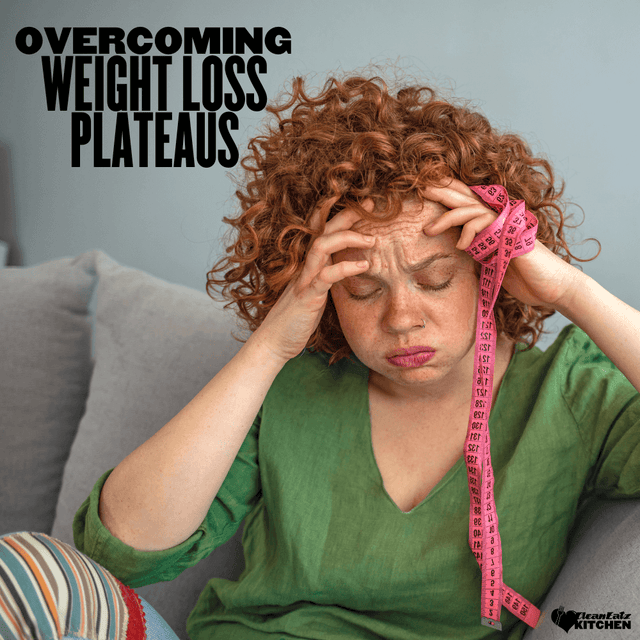
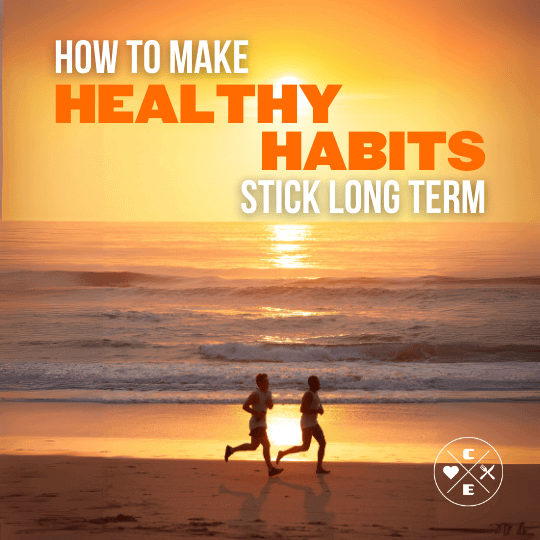
For more on building the right mindset, see our 10 mental tricks for fitness motivation and our guide to making healthy habits stick.
2

Don't avoid your trigger foods

Food freedom
Plan the portion, don't ban the food

One tip that surprises people most is to work the foods you usually overeat into a healthy meal plan on purpose. It sounds like a mistake. The reasoning: forbidden foods raise the risk of overeating them, sometimes to the point of binge eating, as the authors at Eating Disorder Hope describe. A 1996 review of food restriction found that dieting and deprivation were followed by binges once food was available, along with preoccupation with food and low mood.

Banning a food also makes it loom larger. It becomes the bad food, and every encounter with it turns into a test. That can set off a chain: overeating, then compensating by skipping meals or overexercising, then the guilt and shame that come with both.

Planning the food in does the opposite. It shows you where it fits in a balanced diet, in a portion you chose ahead of time. Instead of avoiding chocolate like the plague, add a few pieces to a salty trail mix with nuts. Now it has a purpose and a measured amount. How you eat can matter as much as what you eat.

Portion-controlled meals can help with this. Using a meal prep delivery service to build a meal plan gives you a steady reference for what a normal portion looks like, a regular eating pattern, and fewer of the long hungry gaps that make a binge more likely. Every meal's calories and macros are on our Nutrition Info page. These changes in how you eat support steadier, longer-term weight loss without sorting food into good and bad.

For a deeper look at making meal prep work for you, our Complete Meal Prep Guide covers everything from batch cooking basics to portion control.

If eating feels out of control: If you binge regularly, feel unable to stop once you start, or compensate by purging or fasting, talk with your doctor or a registered dietitian who works with eating disorders. That is a clinical conversation, not a willpower problem.

3

Don't make weight loss your primary goal

Whole health
Track energy, sleep, strength & mood too

Weight is what everyone reaches for first. It isn't the best measure of overall wellness. Wellness tools look at physical health, but also nutritional health, relationships, mental health, thinking and memory, autonomy and self-acceptance. The scale captures one of those, on one morning, with water and salt in the mix.

It matters that you see yourself as more than a number. If losing weight comes with more anxiety, a strained relationship or a social life built around avoiding food, ask whether it was a win. Distress is also a practical problem. A 2020 review found that eating in response to negative emotions predicts later weight gain in adults, so a plan that makes you miserable carries its own rebound risk.

So track a few things the scale misses. How your clothes fit. Your energy at 3 p.m. How you sleep. Whether you can carry the groceries up the stairs in one trip. Blood pressure or lab numbers if your doctor follows them. These move even in weeks when the scale doesn't.

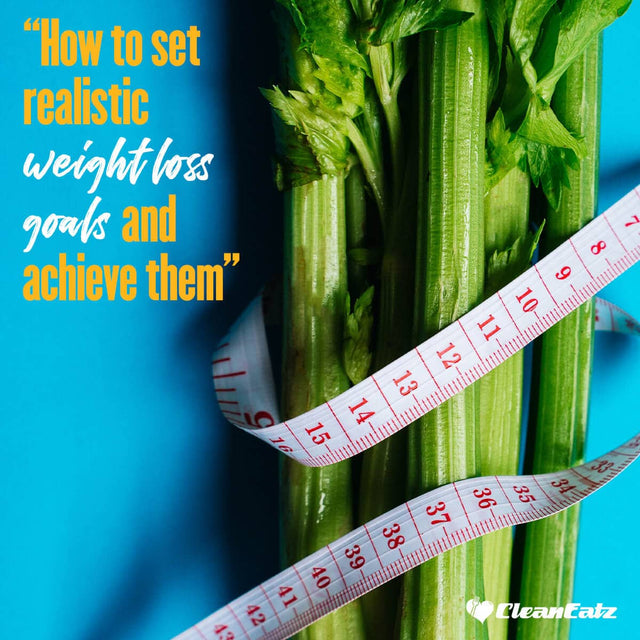
If you do want weight-related goals, our guide on how to set realistic weight loss goals helps you set targets that motivate rather than discourage. The CDC notes that even a 5% loss counts: 10 pounds for someone who weighs 200.

4

Develop a flexible plan

Built to bend
Cook some, heat some, order some

No plan will ever be perfect. It doesn't work like that. Build a plan that expects the busy week, the sick kid and the dinner out, and has a move ready for each.

One of the easiest ways to keep a weight loss meal plan flexible is to allow a variety of foods, cooking styles and ways of getting a meal on the table. You don't have to cook every meal from scratch. Most people can't, and the plan that requires it is the plan that gets dropped.

A few healthy prepared meals in the freezer are a strong backup for the nights you're too tired to cook or short on groceries. Our meals arrive frozen, keep up to 12 months in the freezer and heat in a few minutes in the microwave. Having healthy meals delivered also gives you new ideas for the meals you do cook. There's no subscription, so a week you fall off the plan doesn't leave you with a fridge full of food.

Movement works the same way. Our Complete Exercise Guide for Weight Loss takes the same flexible approach, because the best workout is the one you'll do consistently.

A meal plan is a guide, not a contract.

At a glance

TipThe old ruleTry this week
1. Don't try to be perfectNever go off planPlan one meal out and keep going after it
2. Don't avoid your trigger foodsBan the foods you overeatPortion one trigger food into a planned snack
3. Don't make weight loss your primary goalWeigh in every dayLog energy, sleep or how your clothes fit
4. Develop a flexible planCook everything from scratchKeep 3 to 5 ready meals in the freezer

The four tips side by side, with the rule each one replaces.

Weight loss tips bottom line

Open-minded beats rigid. Striving for perfection or avoiding trigger foods can work against you, so build a balanced lifestyle instead. Treat weight as one part of a broader focus on wellness, not the whole score. And keep your plan adaptable, with convenient options like meal prep delivery for the weeks when life gets busy.

A gradual pace is also the one that lasts. The CDC says people who lose about 1 to 2 pounds a week are more likely to keep it off than people who lose faster. Be kind to yourself, and count the small wins along the way.

For more on choosing foods that support your goals, see our guide to the 100 best foods for weight loss.

Sources

  1. Westenhoefer et al., flexible and rigid control of eating, Int J Eat Disord 1999
  2. Bardone-Cone et al., perfectionism and eating disorders, Clin Psychol Rev 2007
  3. Polivy, psychological consequences of food restriction, J Am Diet Assoc 1996
  4. CDC: Steps for losing weight
  5. CDC: Adult activity, an overview
  6. Konttinen, emotional eating and obesity in adults, Proc Nutr Soc 2020
  7. Eating Disorder Hope

Frequently asked questions

How do I stick to a weight loss plan?

Choose flexibility over perfection. Set realistic goals, pick activities you enjoy, lean on a support system and track progress. Portion-controlled meals, like our Weight Loss Meal Plan, take daily decisions off your plate. Aim for a plan you can sustain, one that absorbs an off-plan meal without derailing the week.

What is a realistic weight loss goal?

About 1 to 2 pounds a week. The CDC says people who lose weight at that gradual pace are more likely to keep it off. The scale shouldn't be your only measure, though: energy, mood, sleep and how your clothes fit count too. A doctor or registered dietitian can set a personal goal.

How much should I walk for weight loss?

Aim for at least 150 minutes of moderate walking a week, such as 30 minutes a day, five days a week, which is the CDC adult guideline. It helps most alongside good nutrition. Start where you are and build up gradually. For beginners, showing up matters more than walking fast.

Why is psychology key to weight loss?

Your mindset, emotions and habits drive what you eat. Perfectionism breeds anxiety and a sense of failure. Labeling foods as forbidden raises the risk of overeating and binge eating. Stress, emotional eating and all-or-nothing thinking all need attention for weight loss to last, which is why the four tips above are mostly about mindset.

Should I avoid certain foods to lose weight?

Usually not. Forbidden foods tend to raise the risk of overeating and binge eating. Plan your trigger foods into the week in measured portions instead, like a few pieces of chocolate in a trail mix rather than a family-size bag. Most foods fit when you know how they fit into your day. Medical restrictions are the exception.

Tap a meal count to add

30 meals work out to $7.56 a meal

View plan details

Tap a meal count to add

18 meals work out to $8.82 a meal

View plan details