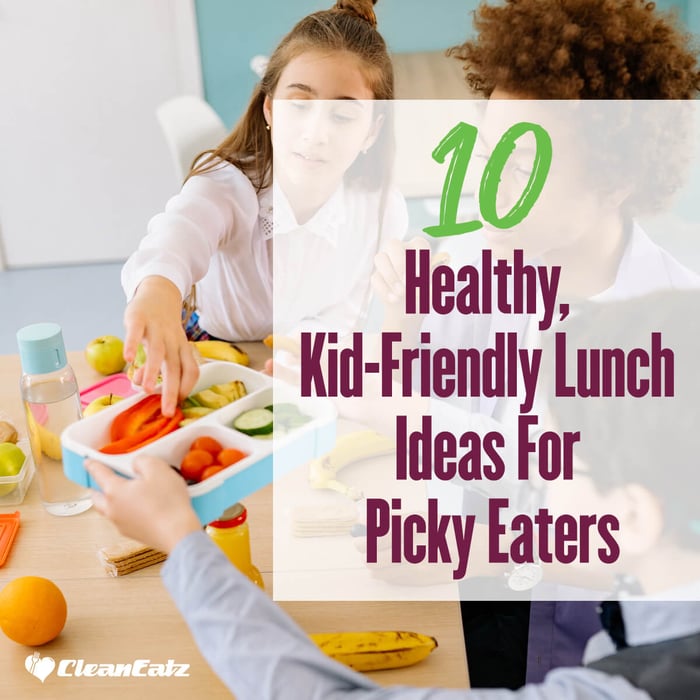

Quick Answer: Healthy school lunches do not need to be complicated or time-consuming. In many cases, the most practical option is a lunch your child is willing to eat. A simple approach is to include a source of protein, a fruit or vegetable your child accepts, and a grain or other carbohydrate for energy. Convenient options—such as protein-enriched PB&J sandwiches (about 11 g of protein, ~250 calories) or kid-friendly empanadas (around 14–15 g of protein)—can provide a similar nutritional balance to more elaborate homemade meals while saving time on busy mornings.
Table of Contents
- The Truth About School Lunch Stress
- Understanding Picky Eaters (It's More Common Than You Think)
- The Basics of a Healthy School Lunch for Kids
- Zero-Prep Healthy Options That Work
- 5-Minute Lunch Ideas
- Nutrition Comparison: Homemade vs. Prepared Options
- Strategies for Picky Eaters
- Lunchbox Food Safety
- Common School Lunch Mistakes
- Building a Stress-Free Weekly Rotation
- Frequently Asked Questions
- The Bottom Line
Last updated: March 7, 2026
The Truth About School Lunch Stress
Preparing school lunches can feel like a daily challenge for many families. What matters most, however, is often simple: a lunch your child is willing to eat. A carefully prepared meal that comes home untouched provides little nutritional benefit, while a simpler lunch that your child actually finishes can still support their energy and nutrition needs.
According to USDA data, the average American spends 37-45 minutes per day on meal preparation. For parents with children at home, that number climbs even higher.
When planning, shopping, and accommodating different food preferences are added to the routine, school lunches can become another task in an already busy schedule.
In this guide, we won't show you 47 ways to cut sandwiches into animal shapes. Instead, we'll give you practical strategies that actually work—including some options that require zero prep at all. Because feeding your kids well shouldn't require a culinary degree or sacrificing your sanity.
Meal prep doesn't have to be complicated.
Get our free guide — shortcuts, meal ideas, and a system that makes eating well the easy option.
Understanding Picky Eaters
If your child avoids certain foods, prefers items not to touch, or tends to rely on a small group of familiar favorites, you’re not alone—many parents navigate similar challenges.
Research published in Appetite found that approximately 40-50% of children are identified as picky eaters at some point during childhood. A large-scale study following over 4,000 children found that nearly half (46%) displayed picky eating behaviors during early childhood. The peak typically occurs around ages 2-6, though it can persist longer for some children.
Why Kids Are Picky (It's Not Your Cooking)
Picky eating isn’t a reflection of your culinary skills. It is often rooted in biology and development:
Evolutionary protection: Children are naturally cautious about new foods—a trait that historically protected them from eating something poisonous. This "food neophobia" is hardwired.
Sensory sensitivity: Kids have more taste buds than adults and experience flavors more intensely. That broccoli genuinely tastes more bitter to them than it does to you.
Control and autonomy: Food is one of the few things young children can control. Refusing foods is developmentally normal assertion of independence.
Texture issues: Many children are sensitive to textures—mushy, slimy, or mixed textures can trigger genuine aversion.
The good news? Research shows that for most children, picky eating is transient. The American Academy of Pediatrics notes that with patience and repeated exposure (sometimes 10-15 times!), most children gradually expand their food acceptance.
The Basics of a Healthy School Lunch for Kids
Before getting into specific ideas, it helps to start with the basic building blocks of a healthy meal.
The Basic Building Blocks
Protein (10-15g): Supports focus, energy, and growth. Sources include meat, cheese, yogurt, beans, nut butters, or protein-enriched foods.
Carbohydrates: Provides energy for active bodies and brains. Choose whole grains when possible, but any grain is better than skipping this entirely.
Fruit or vegetable: Even one serving counts. A handful of baby carrots, apple slices, or a small container of fruit is sufficient.
Hydration: Water is ideal. Avoid sugary drinks and limit juice.
That’s the basic structure. You don't need five food groups artfully arranged. You need enough calories and protein to fuel an active afternoon, presented in a form your child will actually consume.
Zero-Prep Healthy Options That Work
Not every school lunch needs to be homemade. Convenient options can still provide balanced nutrition and are often a practical solution on busy mornings.
Protein PB&J Sandwiches
The Protein Peanut Butter & Jelly solves the most common school lunch dilemma. Available in grape or strawberry, these sandwiches are made with whole grain bread, protein-enriched peanut butter, and low-sugar jelly. Each sandwich provides:
- 250 calories
- 11g protein
- 28g carbs
- 10g fat
They ship frozen, which means they thaw safely by lunchtime while keeping the rest of the lunchbox cool. No ice pack needed. Pull from freezer, drop in lunchbox, done.
Kid-Friendly Empanadas
The empanada lineup reads like a kid's dream menu:
Pepperoni Pizza Empanada (330 cal, 15g protein): All the pizza flavors—mozzarella, sauce, pepperoni—in a handheld pastry.
Cheeseburger Empanada (250 cal, 14g protein): Ground beef, cheese, ketchup, mustard, and pickles. It's a cheeseburger in a pocket.
Turkey Burnt End Empanada (230 cal, 12g protein): Turkey with cheese and BBQ sauce for kids who like smoky flavors.
These can be heated in the morning (air fryer: 6-10 minutes; oven: 12-15 minutes) and packed warm in an insulated container, or sent cold for kids who prefer room-temperature food.
Cauliflower Crust Pizza
The personal cauliflower crust pizzas are 7.5 inches—perfect for a lunchbox. Heat in the morning, slice into quarters, and pack. Options include cheese (470 cal, 25g protein), sausage, and bacon cheeseburger varieties.
Mac & Cheese Options
The Mac & Cheese Meal Plan includes portion-controlled servings that can double as school lunches. Heat in the morning and pack in a thermos to keep warm until lunch.
5-Minute Lunch Ideas
When you want something homemade but don't have time for elaborate prep, these options come together quickly:
The Assembly Lunch
Cube cheese, roll deli meat, add crackers, baby carrots, and grapes. No cooking required. Total time: 3 minutes.
Quesadilla Quarters
Tortilla + shredded cheese + optional deli meat. Microwave 45 seconds, let cool, cut into quarters. Add salsa in a small container. Total time: 2 minutes.
Yogurt Parfait Box
Greek yogurt (high protein) + granola in a separate container + berries. Let them assemble at school. Total time: 2 minutes.
Wrap and Roll
Spread cream cheese on a tortilla, add deli turkey, roll tight, slice into pinwheels. Total time: 3 minutes.
The "Breakfast for Lunch"
Hard-boiled eggs (prep on Sunday), cheese stick, whole grain toast or crackers, apple slices. Total time: 2 minutes if eggs are prepped.
For more ideas on batch-prepping components ahead of time, see our Complete Meal Prep Guide.
Nutrition Comparison: Homemade vs. Prepared Options
Let’s compare some common lunch options side by side. On busy mornings, convenient prepared foods can sometimes provide similar nutrition to quickly assembled homemade lunches.
| Lunch Option | Calories | Protein | Prep Time |
|---|---|---|---|
| Homemade PB&J (white bread) | ~350 | 9g | 3 min |
| Clean Eatz Protein PB&J | 250 | 11g | 0 min |
| Lunchables (ham & cheese) | ~310 | 11g | 0 min |
| Cheeseburger Empanada | 250 | 14g | 0 min* |
| Frozen pizza bagels (4) | ~400 | 12g | 5 min |
| Pepperoni Pizza Empanada | 330 | 15g | 0 min* |
| Homemade turkey sandwich | ~320 | 18g | 5 min |
*Empanadas can be sent cold or heated in 6-10 minutes
Strategies for Picky Eaters
If your child’s food preferences make packing lunch challenging, a few practical strategies may help.
1. The "One New, Three Familiar" Rule
Pack three foods you know your child already enjoys and one small new item. They may ignore the new food at first, and that’s normal. Repeated exposure can help children become more comfortable trying new foods over time.
2. Involve Them (Within Limits)
Let them choose between two acceptable options: "Grapes or apple slices?" "Turkey wrap or PB&J?" This gives them control without overwhelming you with demands for foods you won't provide.
3. Work Within Their Preferences
If they only eat "beige foods," focus on making those beige foods as nutritious as possible:
- Whole grain crackers instead of white
- Protein-enriched bread for sandwiches
- Add cheese to plain pasta for protein
- Choose chicken nuggets made with whole chicken rather than processed blends
4. Don't Make It a Battle
Pressuring children to eat certain foods can sometimes increase resistance. If lunch comes home mostly uneaten, it can help to simply note what was eaten and adjust future lunches accordingly. Over time, patterns often become clearer.
5. Consider "Safe Foods" as Anchors
Most children have a few foods they consistently enjoy. Including one or two of these familiar items can make the rest of the lunch easier to accept while new foods are introduced gradually.
Lunchbox Food Safety
⚠️ Important Safety Note: Perishable foods (meat, dairy, cut fruits) should stay below 40°F until eaten. Food left in the "danger zone" (40-140°F) for more than 2 hours can develop harmful bacteria.
Keeping Food Safe
- Use insulated lunchboxes: Soft-sided insulated bags maintain temperature better than hard plastic containers.
- Include ice packs: Freeze gel packs overnight. One pack keeps a standard lunchbox safe for 4-5 hours.
- Thermos for hot foods: Pre-heat the thermos with boiling water for 5 minutes, then add hot food. It stays warm for hours.
- Pack shelf-stable foods: Whole fruits (apples, oranges), crackers, pretzels, nut butters in sealed containers, and dried fruit don't require refrigeration.
Common School Lunch Mistakes
After talking with hundreds of parents, these are the mistakes that sabotage school lunch success:
Mistake #1: Packing Too Much
Kids have limited time to eat—often just 15-20 minutes. An overwhelming lunch gets picked at and mostly wasted.
Mistake #2: Prioritizing "Healthy" Over "Edible"
The healthiest lunch in the world provides zero nutrition if it comes home uneaten. Start with what they'll actually eat, then gradually improve from there.
Mistake #3: Morning Prep Every Day
Shift your prep to evenings or weekends. Pack lunches after dinner when you're less rushed. Or embrace zero-prep options that eliminate morning stress entirely.
Mistake #4: No Backup Plan
Keep a stash of emergency options at home—shelf-stable items that can be thrown together in 60 seconds when everything else fails.
Mistake #5: Never Asking What They Actually Want
Sometimes the solution is simple: ask them. "What do you wish was in your lunch?" You might be surprised by reasonable requests you hadn't considered.
Building a Stress-Free Weekly Rotation
The secret to sustainable school lunches isn't variety—it's a reliable rotation. Here's a framework:
Sample Weekly Rotation
Monday: PB&J + apple slices + pretzels
Tuesday: Cheeseburger empanada + baby carrots + cheese stick
Wednesday: Turkey + cheese roll-ups + crackers + grapes
Thursday: Pizza empanada + cucumber slices + yogurt tube
Friday: "Lunchable style" assembly (crackers, cheese cubes, deli meat, fruit)
This rotation provides variety while requiring minimal decision-making. Adjust based on your child's preferences and repeat until something stops working.
Weekend Prep That Actually Helps
If you want to prep ahead, focus on high-impact items:
- Hard-boil a batch of eggs (store up to 1 week)
- Wash and portion fruits and vegetables
- Portion snacks into grab-and-go containers
- Cube cheese and portion crackers
Skip elaborate cooking. The goal is assembly-ready components, not full meals that may not appeal by Thursday.
Frequently Asked Questions
How much protein do kids actually need at lunch?
The amount of protein a child needs at lunch depends on their age, body size, activity level, and overall daily diet. In general, including a moderate source of protein—such as yogurt, cheese, eggs, meat, beans, or nut butter—can help support energy and satiety throughout the school day.
Is it okay to send the same lunch every day if my kid will actually eat it?
Yes! Consistency is better than an uneaten variety. If your child reliably eats a turkey sandwich, that's far better than elaborate lunches that come home untouched. Gradually introduce small changes over time.
How do I keep food safe in a lunchbox for hours?
Use an insulated lunchbox with a frozen ice pack. Perishables like meat, cheese, and yogurt should stay below 40°F. Frozen items like sandwiches can thaw safely by lunchtime while keeping other items cool.
Are frozen prepared meals healthy for kids?
Quality matters more than fresh vs. frozen. Flash-frozen meals can retain nutrients well. Look for options with real ingredients, adequate protein, reasonable sodium, and minimal added sugars.
What should I do when my picky eater refuses everything I pack?
Start with what they already accept, even if it's repetitive. Some children may need 10-15 exposures before accepting new foods. Introduce one small new item alongside familiar favorites rather than overhauling the entire lunch.
How can I pack healthy lunches when I have no time in the morning?
Shift your prep to evenings or weekends, or embrace zero-prep options like frozen protein sandwiches that thaw by lunch. Having a rotation of 3-4 reliable options eliminates morning decision fatigue.
My kid only eats "beige foods" - how do I add nutrition?
Work within their preferences. Choose whole-grain bread instead of white, protein-enriched versions of favorites, and gradually add mild vegetables like cucumber slices. Forcing variety often backfires.
What's a realistic lunch budget per day?
Most families spend $2-5 per packed lunch depending on ingredients. Prepared meal options like empanadas or protein sandwiches typically cost $2-4 per serving and eliminate food waste from unused ingredients.
The Bottom Line
Feeding kids well doesn't require culinary expertise or hours of prep time. It requires letting go of perfectionism and focusing on what actually works.
The best school lunch is one that:
- Your child will actually eat
- Provides adequate protein and energy
- Doesn't destroy your morning (or your sanity)
- Stays safe until lunchtime
Whether that's a meticulously crafted homemade meal or a protein PB&J pulled straight from the freezer, the nutrition is what matters—not the Instagram appeal.
For more options that make healthy eating easier, explore our full collection of protein-rich snacks designed for busy families, or check out our meal plan options that can simplify dinner too.
Stop stressing. Start feeding your kids in a way that works for your real life—not someone else's Pinterest board.
Disclaimer: This content is provided for informational use only and is not intended as medical advice or as a substitute for the medical advice of a healthcare professional.