
Reviewed and updated: February 18, 2026
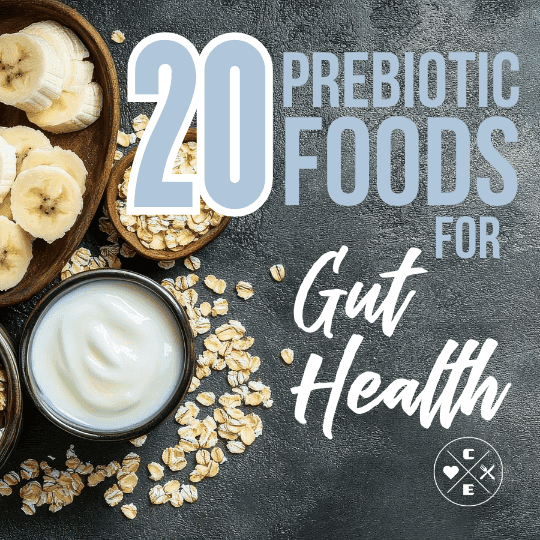
Quick Answer: Prebiotic foods feed the beneficial bacteria in your gut. The best sources include garlic, onions, leeks, bananas, oats, asparagus, and beans. Aim for 2-3 servings daily as part of your overall fiber intake. Start slowly to avoid digestive discomfort, and prioritize whole foods over supplements.
What Prebiotics Actually Do
Your gut contains trillions of bacteria—some helpful, some not. Prebiotics are non-digestible compounds (often certain fibers) that are selectively used by beneficial gut microbes and, in the right context, support your health. When these bacteria ferment prebiotic fiber, they produce short-chain fatty acids that help support the gut barrier and immune signaling—and research is still exploring how these compounds may also influence the gut–brain connection.
The key prebiotic compounds you'll find in foods include inulin, fructooligosaccharides (FOS), and resistant starch. Different foods contain different types, which is why variety matters. Eating a range of prebiotic foods supports a more resilient gut ecosystem—and while diversity is often associated with better gut health, it’s not the only marker, and context matters.
For a deeper dive into how fiber supports digestion, weight management, and overall health, our Ultimate Guide to Dietary Fiber covers the full science.
Health starts with a healthy gut
Get all of our FREE info on fiber — best foods, soluble vs. insoluble, recipes and more
The Best Prebiotic Foods (Grouped by Category)
You don't need exotic ingredients to feed your gut bacteria. Most of the best prebiotic foods are probably already in your kitchen.
Alliums: Garlic, Onions, and Leeks
The allium family is one of the richest sources of prebiotic fiber, particularly inulin and FOS. Garlic packs the most prebiotic punch per gram, but onions are easier to eat in larger quantities. Leeks offer a milder flavor with similar benefits.
These foods work well cooked or raw, though raw versions retain slightly more prebiotic content. Sautéing onions and garlic as a base for soups, stir-fries, and sauces is one of the easiest ways to boost your prebiotic intake without thinking about it. If you have a sensitive stomach or IBS, start with cooked versions in small amounts—the cooking process makes them gentler on digestion.
Everyday Fruits: Bananas and Apples
Bananas contain both resistant starch and pectin, two types of prebiotic fiber. Interestingly, less-ripe bananas (still slightly green) have more resistant starch, while riper bananas have more pectin. Either way, you're feeding your gut bacteria.
Apples are rich in pectin, a soluble fiber that ferments in your gut and supports beneficial bacteria. Eating the skin increases your fiber intake, so skip the peeling. One medium apple or banana daily contributes meaningfully to your prebiotic goals.
Whole Grains: Oats and Barley
Oats contain beta-glucan, a prebiotic fiber that's also been shown to support heart health and stable blood sugar. A bowl of oatmeal in the morning is one of the simplest ways to start your day with prebiotics. Barley offers similar benefits and works well in soups, grain bowls, or as a rice substitute.
For the most fiber and prebiotic potential, choose hulled barley when you can. Pearled barley is more processed (less fiber) but still a good option—especially if it helps you eat more whole grains consistently
Vegetables: Asparagus and Jerusalem Artichokes
Asparagus is a solid source of inulin that's easy to add to meals—roast it, grill it, or toss it into stir-fries. Jerusalem artichokes (also called sunchokes) are one of the highest inulin sources available, but they're potent. If you're new to them, start with a small portion to see how your gut responds.
Legumes: Beans, Lentils, and Chickpeas
Legumes deliver a double benefit: prebiotic fiber plus plant-based protein. They contain resistant starch and oligosaccharides that feed beneficial bacteria. Black beans, lentils, and chickpeas are all excellent choices.
The gas-producing reputation of beans comes from the same compounds that make them prebiotic. If beans bother you, try soaking dried beans before cooking, rinsing canned beans thoroughly, and starting with smaller portions. Your gut bacteria will adapt over time.
How to Add Prebiotics Without Digestive Drama
The most common mistake people make with prebiotic foods is adding too much too fast. When you suddenly flood your gut with fermentable fiber, the bacteria go to work—and produce gas as a byproduct. This is normal, but uncomfortable.
A better approach: increase your prebiotic intake gradually over 2-3 weeks. Start with foods you already tolerate well (like bananas or oats), then slowly add more potent sources (like garlic, onions, and beans). Drink plenty of water, which helps fiber move through your system.
Cooking prebiotic vegetables makes them easier to digest than eating them raw. If you're particularly sensitive, stick with cooked onions, roasted garlic, and well-cooked beans rather than raw versions.
Simple Ways to Eat More Prebiotics
You don't need a complicated plan. Here are practical ways to work prebiotic-rich foods into meals you’re already eating:
At breakfast: Add a banana to your oatmeal or smoothie. Pairing fruit + oats is an easy way to add multiple types of prebiotic fibers.
When cooking: Start soups, stews, and sauces with sautéed onions and garlic. It’s already the base of most savory dishes—you’re just being intentional about the fiber.
As sides: Roast asparagus or add a scoop of beans to grain bowls and salads. If beans tend to bloat you, start with a smaller portion and rinse canned beans well.
For snacks: An apple with nut butter or hummus with vegetables, adds fermentable fiber plus protein for better staying power.
If meal prep feels overwhelming, our Build-a-Meal Plan includes fiber-rich vegetables and whole grains in balanced, portion-controlled meals—no planning required.
Frequently Asked Questions
What's the difference between prebiotics and probiotics?
Probiotics are live microorganisms that, in adequate amounts, confer a health benefit. Some yogurts/fermented foods contain live cultures (check the label), and supplements provide specific strains. Prebiotics are types of fiber that feed those bacteria. You need both for optimal gut health—probiotics add beneficial bacteria, while prebiotics help them thrive.
How much prebiotic fiber do I need daily?
There’s no single official daily target for ‘prebiotic grams.’ A practical goal is to include prebiotic-rich foods most days while working toward overall fiber recommendations—then adjust portions based on tolerance.
Can prebiotics cause bloating or gas?
Yes, especially if you increase intake quickly. Start with small portions and build up over 2-3 weeks. Cooking prebiotic vegetables also makes them gentler on digestion. If you have IBS (especially FODMAP sensitivity), some prebiotic fibers can worsen symptoms at higher doses—so dose and food choice matter.
What are the best prebiotic foods for beginners?
Start with foods you already eat: bananas, oats, and cooked onions and garlic are accessible options that most people tolerate well.
Do I need a prebiotic supplement?
Most people can get enough prebiotics from whole foods. Supplements may help in specific situations, but check with your doctor first—especially if you have IBS or other digestive conditions.
The Bottom Line
Feeding your gut bacteria doesn’t require special products or complicated protocols. A few servings of prebiotic-rich foods most days—garlic and onions in your cooking, oats at breakfast, beans in your lunch bowl, a banana for a snack—can support your overall fiber intake and your gut ecosystem over time.
Start with what you already eat, add gradually, and pay attention to how your body responds (especially if you’re prone to bloating or IBS symptoms). For more on how fiber supports digestion, weight management, and overall health, see our Ultimate Guide to Dietary Fiber.
References
- Tuohy K, et al. Prebiotics in food and dietary supplements: a roadmap to EU health claims. Gut Microbes. 2024 Jan-Dec;16(1):2428848. doi: 10.1080/19490976.2024.2428848. Epub 2024 Nov 15. PMID: 39544074; PMCID: PMC11572068.
- Bevilacqua A, Campaniello D, Speranza B, Racioppo A, Sinigaglia M, Corbo MR. An Update on Prebiotics and on Their Health Effects. Foods. 2024 Jan 30;13(3):446. doi: 10.3390/foods13030446. PMID: 38338581; PMCID: PMC10855651.
- Ottria R, Mirmajidi S, Ciuffreda P. Gut Microbiota-Derived Short-Chain Fatty Acids in Inflammatory Bowel Disease: Mechanistic Insights into Gut Inflammation, Barrier Function, and Therapeutic Potential. Int J Mol Sci. 2026 Jan 22;27(2):1095. doi: 10.3390/ijms27021095. PMID: 41596739; PMCID: PMC12841995.
- Van Hul M, Cani PD, Petifils C, et al. What defines a healthy gut microbiome? Gut Epub, 2024. doi:10.1136/gutjnl-2024-333378
- U.S. Department of Agriculture; U.S. Department of Health and Human Services. Dietary Guidelines for Americans, 2025–2030. Washington (DC), 2026.
- Rau S, Gregg A, Yaceczko S, Limketkai B. Prebiotics and Probiotics for Gastrointestinal Disorders. Nutrients. 2024 Mar 9;16(6):778. doi: 10.3390/nu16060778. PMID: 38542689; PMCID: PMC10975713.
Disclaimer: This article is for educational purposes only and does not replace medical or personalized nutrition advice.