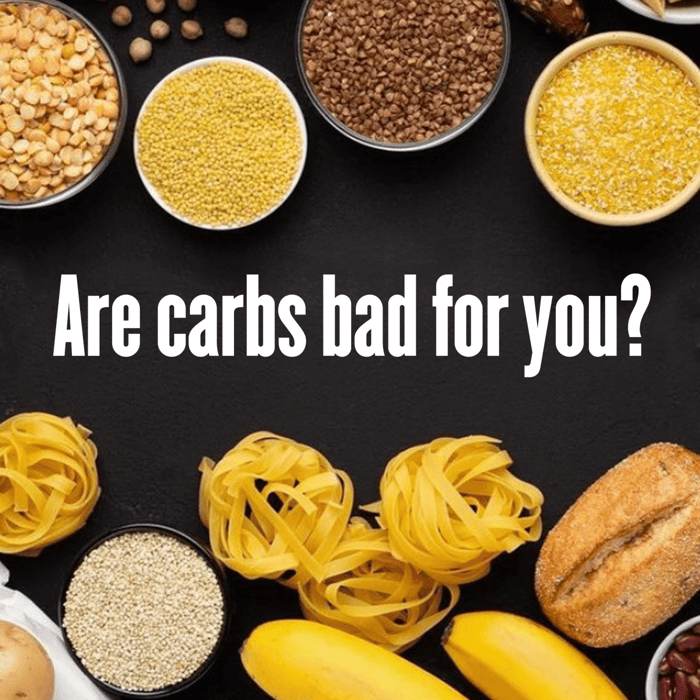
Quick Answer: No, carbs aren't bad for you. Your body uses carbohydrates for energy, especially your brain, which runs almost entirely on glucose. The real issue isn't carbs themselves; it's the type of carbs you eat. Complex, minimally processed carbs, such as those that come from vegetables, fruits, whole grains, legumes, can support weight loss and overall health. Highly processed carbs, like white bread, sugary drinks, and pastries, are the ones to limit. Bottom line: it's about choosing better carbs, not eliminating them.
In This Article:
The Truth About Carbohydrates
Carbs have been getting a bad reputation, and not all kinds deserve it.
Here's the truth about carbohydrates: carbohydrates are your body's preferred fuel source. About 90 percent of your brain's energy comes from glucose, which your body makes from the carbs you consume.
Carbs also help keep blood sugar levels stable, support healthy insulin function, play a role in managing cholesterol and blood fats, and feed beneficial gut bacteria through fermentation, which supports digestion and overall gut health.
When you eat carbohydrates, your body breaks them down into glucose, which is used for immediate energy or stored in the liver and muscles as glycogen for later use.
Glycogen storage is limited, so once these stores are full and overall calorie intake consistently exceeds the body’s energy needs, excess energy from carbohydrates, fats, or protein, can be stored as body fat over time, contributing to weight gain.
This is where context matters. How carbohydrates affect your body depends not just on how many you eat, but on where they come from and how they are packaged.
The problem is not carbohydrates as a whole. The problem is that the modern diet is loaded with the "wrong" kind of carbs, highly processed foods that spike your blood sugar, leave you hungry an hour later, and make it incredibly easy to overeat.
Whole vs. Refined Carbs: A Simple Guide
Not all carbs are the same. For simplicity, it helps to think of carbohydrates in two general groups:
Carbs that work FOR you:
- Vegetables
- Fruits (whole, not juiced)
- Legumes (beans, lentils, chickpeas)
- Whole grains (oats, quinoa, brown rice)
- Starchy vegetables (sweet potatoes, corn, squash)
These foods are packed with fiber, which slows digestion, keeps you feeling full longer, and helps prevent blood sugar spikes. They also provide vitamins, minerals, and antioxidants your body needs. Fiber is so important for weight loss and health that our complete guide to weight loss foods dedicates an entire section to high-fiber options.
Carbs that work AGAINST you:
- White bread, pasta, and rice
- Sugary drinks (soda, juice, sweetened coffee)
- Pastries, cookies, cakes
- Candy and sweets
- Most packaged snack foods
These foods have been stripped of fiber and nutrients. They digest quickly, spike blood sugar, and leave you hungry soon after eating. They are also very easy to overeat. Few people binge on steamed broccoli, but a sleeve of cookies is a different story.
Why Do Low-Carb Diets Seem to Work
Low-carb diets like keto can produce impressive short-term results. Here is what is actually happening:
Water weight drops fast. Carbs help your body retain water. When carb intake drops, several pounds may be lost rapidly, mostly from water rather than fat.
You eliminate most junk food. Restricting carbs often removes many sugary and refined foods from the diet. By default, you end up eating more protein, which are more filling.
Protein increases. Many low-carb diets lead to higher protein intake, which is the most satiating macronutrient. You feel fuller on fewer calories. (This is why our Weight Loss Meal Plan prioritizes protein at every meal.)
While weight loss may happen faster on a very low-carbohydrate or ketogenic diet, when researchers follow people for longer periods, typically 12 months or more, they find that the advantage disappears.
One study found that while participants on a low-carbohydrate diet lost weight slightly faster early on, both healthy low-fat and healthy low-carbohydrate diets resulted in similar weight loss after one year when food quality and overall calorie intake were comparable.
In other words, long-term weight loss was not driven by carbohydrate restriction itself.
Weight loss is not magic. It comes down to calories. Low-carbohydrate diets can make it easier for some people to eat fewer calories by reducing appetite or limiting food choices, but they are not the only way to do it.
Developing a healthy eating pattern that creates an appropriate calorie deficit and can be maintained long term is what ultimately matters most.
What Happens When You Cut Carbs Completely
Before you swear off bread forever, here are some of the things that happen when you eliminate carbs:
- You get brain fog. Your brain wants glucose. Without it, headaches, fatigue, brain fog, and irritability are common. That "keto flu" is real, and it's not fun. However, this is usually short-term.
- You may develop nutrient deficiencies. Cutting out a whole nutrient may lead to missing vitamins, minerals, and antioxidants from whole grains, fruits, and legumes.
- You may overdo fat and protein. When carbs are off the table, you're left with two macros. It's easy to go overboard on cheese, bacon, and fatty meats—which isn't necessarily healthier than the carbs you cut.
- It's hard to sustain. Most people who eliminate carbs completely end up quitting. Social situations become difficult, cravings intensify, and eventually the restriction leads to overeating.
The smarter approach? Learn to choose better carbs rather than cutting them out entirely.
How Many Carbs Should You Eat?
There's no single right answer, it depends on your activity level, goals, age, and health condition.
General guidelines:
- For most people: 45-65% of calories from carbs (200-325g on a 2,000-calorie diet)
- For active individuals: Athletes or very active individuals may need more carbs
- For weight loss: Moderate carbs work fine—focus more on protein and fiber than drastically cutting carbs
What matters more than the exact number is the quality of your carbs and your total calorie intake. You can lose weight eating 250 g of carbs per day if those carbs come from vegetables, fruits, and whole grains and you’re in a calorie deficit.
If you want to understand how all the macros work together, check out our guide on how to count macros for weight loss.
Best Carb Choices for Your Goals
For weight loss: Prioritize high-fiber, high-volume carbohydrates that promote fullness. Non-starchy vegetables, fruits, legumes, and moderate portions of whole grains, such as oatmeal, can help you feel satisfied while supporting a calorie-controlled, sustainable approach.
For energy and performance: Include starchy carbs around your workouts—sweet potatoes, rice, oats.
For general health: Variety is key. Eat carbs from many different sources to get a range of nutrients and fiber types.
Quick wins to try today:
- Swap white rice for brown rice or quinoa
- Replace sugary drinks with water or unsweetened options
- Add vegetables to every meal
- Choose whole fruit instead of juice
- Read labels—avoid added sugars
For a complete breakdown of the 100 best foods for weight loss—including the best carb sources—see our comprehensive weight loss foods guide.
The Bottom Line
Carbs aren't the enemy. The real issue is eating too many processed carbs that don't fill you up and are easy to overeat.
Instead of eliminating carbs, upgrade them. Fill your plate with vegetables, fruits, legumes, and whole grains. These foods provide sustained energy, keep you full, and support your health goals—whether that's losing weight, building muscle, or just feeling better.
Need help putting this into practice? Our Build Your Meal Plan option lets you choose portion-controlled meals with the right balance of protein, carbs, and fats—so you can stop stressing about what to eat and start seeing results.
Frequently Asked Questions
Are carbs bad for weight loss?
No. The type of carbs matters more than the amount. Whole food carbs support weight loss through fiber and sustained energy. Processed carbs can contribute to weight gain because they're easy to overeat and can be high in sugar.
Should I cut out carbs completely?
No. Completely cutting carbs leads to low energy, mood swings, and is unsustainable long-term. Focus on choosing better carbs rather than eliminating them entirely.
How many carbs should I eat per day?
Most people do well with 45–65% of calories from carbs. Active individuals may need more; those trying to lose weight should focus on an appropriate calorie deficit rather than eliminating carbs.
What are the best carbs for weight loss?
High-fiber, minimally processed options: vegetables, fruits, legumes, oats, quinoa, brown rice, and sweet potatoes.
Do carbs make you gain weight?
Carbs themselves don't cause weight gain—eating more calories than you burn does. Whole food carbs with fiber actually help control appetite and make weight management easier.
Disclaimer: This content is provided for informational use only and is not intended as medical advice or as a substitute for the medical advice of a healthcare professional.