
Table of Contents
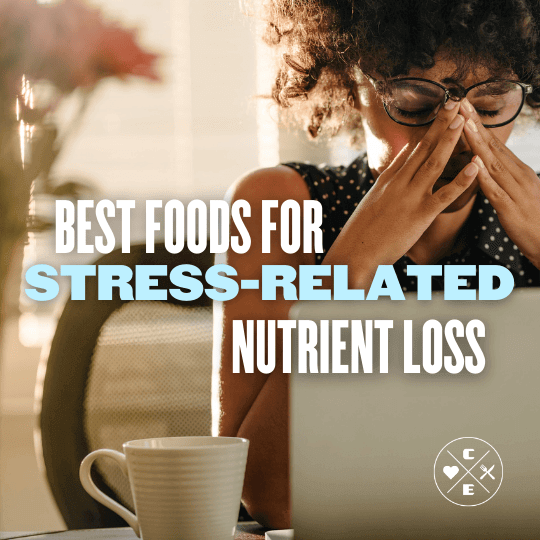
Quick Answer: Chronic stress can lead to stress-related nutrient loss, particularly of magnesium, B vitamins, vitamin C, and zinc. This happens because stress increases metabolic demands and accelerates nutrient depletion. Replenish with dark leafy greens, wild-caught salmon, eggs, citrus fruits, and pumpkin seeds. Consistent nutrient-rich meals help your body recover and build resilience to future stress.
How Stress Drains Your Nutrient Stores
When you're stressed, your body doesn't just feel tired—it's actually burning through nutrients at an accelerated rate.
A comprehensive review published in Advances in Nutrition found that psychological stress, sleep deprivation, and physical strain all lead to measurable depletion of essential micronutrients, particularly magnesium and zinc.1
Here's what happens:
- Stress triggers your adrenal glands to release cortisol and adrenaline, activating the "fight or flight" response.
- This cascade requires extra energy, which means your body burns through B vitamins faster (they're essential for energy production).
- Cortisol also increases urinary excretion of magnesium, potassium, and calcium—literally flushing these minerals out of your system.2
The problem compounds from there. Stress diverts blood flow away from your digestive system, reducing stomach acid production and impairing nutrient absorption.3
You're using nutrients faster while absorbing them more slowly. Add in stress-driven food choices—reaching for comfort foods that are calorie-dense but nutrient-poor—and you've got a recipe for deficiency.
This isn't just theoretical. Research has linked low magnesium and zinc levels to increased depression and anxiety symptoms, creating a cycle where stress causes deficiency, and deficiency makes you less resilient to stress.1
The Nutrients Most Affected by Stress
Not all nutrients are equally vulnerable to stress. Based on the research, these are the ones that take the biggest hit—and the ones you should prioritize replenishing.
- Magnesium is involved in over 300 enzymatic reactions in your body, including those that regulate your nervous system and stress response. Studies show that stress increases magnesium excretion through urine, and low magnesium levels are consistently found in people with depression and anxiety.1 It's often called the "relaxation mineral" because adequate levels help balance & calm the nervous system.
- B vitamins—particularly B5 (pantothenic acid), B6, and B12—are water-soluble, meaning your body doesn't store them. They're essential for producing neurotransmitters like serotonin and dopamine, and for converting food into energy. During stress, your body burns through them quickly, and since they're not stored, you need to consistently replenish your daily supply.
- Vitamin C is concentrated in your adrenal glands, where stress hormones are produced. When those glands work overtime during stress, vitamin C gets used up rapidly. Low levels have been linked to increased fatigue and weakened immune function—which is why you're more likely to get sick when you're stressed.
- Zinc supports immune function, mood regulation, and tissue repair. Stress depletes zinc stores, which can compromise immunity and worsen mood symptoms. Research has found lower zinc concentrations in people with depression.1
- Omega-3 fatty acids aren't technically depleted by stress, but they become more important during stressful periods. These fats reduce inflammation and support brain health, and studies suggest omega-3 deficiency amplifies the stress response.4
Best Foods to Replenish Stress-Depleted Nutrients
The good news: you can rebuild your nutrient stores through strategic food choices. For a comprehensive list of nutrient-dense options, see our 100 Best Foods for Weight Loss guide, which covers foods rich in all these stress-fighting nutrients.
Magnesium-Rich Foods
Dark leafy greens like spinach and Swiss chard are magnesium powerhouses. A single cup of cooked spinach delivers about 157mg of magnesium—nearly 40% of the daily value. Pumpkin seeds are even more concentrated, with about 150mg per ounce. Other excellent sources include black beans, avocados, and dark chocolate (aim for 70% cacao or higher). If you're severely depleted, you might notice muscle cramps, poor sleep, or heightened anxiety—all signs your magnesium stores need repletion.
B Vitamin Sources
Eggs are one of the most complete B vitamin foods, containing meaningful amounts of B2, B5, B6, B7, B9, and B12. Wild-caught salmon provides B vitamins alongside omega-3s, making it a stress-recovery superfood. For plant-based options, lentils and other legumes deliver folate (B9) and B6, while nutritional yeast is often fortified with B12. Greek yogurt rounds out the list, providing B12 plus protein for sustained energy.
Vitamin C Foods
While oranges get all the attention, red bell peppers actually contain over twice the vitamin C—about 190mg per cup compared to an orange's 70mg. Strawberries, kiwi, and Brussels sprouts are also excellent sources. The key is eating these foods raw or lightly cooked, since vitamin C is heat-sensitive and degrades with prolonged cooking.
Omega-3 Sources
Wild-caught salmon remains the gold standard, delivering both EPA and DHA—the forms your brain uses most readily. Two servings per week provide substantial anti-inflammatory benefits. Plant sources like chia seeds, walnuts, and flaxseeds offer ALA, which your body converts to EPA and DHA (though less efficiently). For maximum benefit, include both animal and plant sources.
A Day of Stress-Recovery Eating
Putting this into practice doesn't require complicated meal planning. Here's what a nutrient-replenishing day might look like:
- Breakfast: Greek yogurt with a handful of pumpkin seeds, fresh strawberries, and a tablespoon of chia seeds. This combination delivers B vitamins, magnesium, vitamin C, and omega-3s in a single bowl—about 10 minutes to prepare, or grab-and-go if you prep ingredients ahead.
- Lunch: A large salad built on spinach and mixed greens, topped with 4-5 ounces of wild salmon, sliced avocado, and bell pepper strips. Dress with olive oil and lemon for additional anti-inflammatory benefits.
- Dinner: Black bean and vegetable bowl over brown rice, with roasted broccoli and a side of sautéed dark leafy greens. Add a small square of dark chocolate afterward to satisfy any sweet cravings while delivering extra magnesium.
- Snacks: a handful of walnuts, an orange, or celery with almond butter all support stress recovery without spiking blood sugar.
When Cooking Isn't Realistic
During high-stress periods, the last thing most people want to do is spend an hour in the kitchen. That's when having nutrient-dense prepared meals on hand becomes essential. Clean Eatz Kitchen's Build Your Meal Plan option lets you select meals featuring the stress-fighting ingredients discussed above—salmon dishes, vegetable-forward options, and balanced macros without the prep time. Meals store in your freezer for up to 12 months, so you'll have healthy options ready when stress hits hardest.
Beyond Food: Habits That Support Nutrient Recovery
What you eat matters, but so does how and when you eat. Stress disrupts digestion, so supporting your gut helps you actually absorb the nutrients you're consuming.
- Eat on a regular schedule. Erratic eating patterns add another stressor for your body to manage. Aim for meals at roughly the same times each day, which helps regulate cortisol rhythms and supports digestive function.
- Don't skip meals. When you're stressed, appetite often disappears—but skipping meals leads to blood sugar crashes that amplify the stress response. Even a small, nutrient-dense meal is better than nothing.
- Prioritize sleep. Sleep deprivation is itself a stressor that depletes nutrients. Our Complete Guide to Sleep and Health covers how sleep affects everything from hormone balance to nutrient status. Getting 7-9 hours supports your body's overnight repair and recovery processes.
- Limit nutrient "thieves". Alcohol and caffeine both increase nutrient excretion and can worsen stress. You don't have to eliminate them, but be mindful during high-stress periods when your nutrient stores are already compromised.
Frequently Asked Questions
What vitamins does stress deplete?
Research shows stress primarily depletes magnesium, zinc, B vitamins (especially B5, B6, and B12), vitamin C, and iron. These nutrients are used up faster during the stress response and may also be excreted at higher rates when cortisol levels are elevated.
Why does stress cause nutrient deficiency?
Stress triggers cortisol and adrenaline release, which increases metabolic demands. Your body uses nutrients faster—particularly those needed for energy production and neurotransmitter synthesis. Stress also impairs digestion by diverting blood flow away from the gut, reducing nutrient absorption.
What foods should I eat when stressed?
Focus on magnesium-rich foods (dark leafy greens, pumpkin seeds, dark chocolate), B vitamin sources (eggs, salmon, lentils), vitamin C foods (bell peppers, citrus, strawberries), and omega-3s (wild salmon, walnuts, chia seeds). These support your stress response and recovery.
How long does it take to replenish nutrients after stress?
With consistent nutrient-rich eating, most people feel improvement within 2-4 weeks. Chronic or severe stress may require longer recovery and potentially supplementation under medical guidance.
Can nutrient deficiency make stress worse?
Yes—this creates a vicious cycle. Low magnesium and B vitamins are linked to increased anxiety and depression. When stress depletes these nutrients, you become less resilient to future stress, which depletes nutrients further. Breaking this cycle requires both stress management and nutritional support.
The Bottom Line
Stress isn't just mentally exhausting—it physically drains your body of essential nutrients. The research is clear: chronic stress depletes magnesium, B vitamins, vitamin C, and zinc, while also impairing your ability to absorb nutrients from food.
The solution is straightforward, even if it's not always easy: prioritize nutrient-dense foods, especially during high-stress periods when your body needs them most. Dark leafy greens, wild-caught salmon, eggs, citrus fruits, and seeds should become staples. And when cooking feels like too much, having prepared meals ready—like those from Clean Eatz Kitchen's Weight Loss Meal Plan—ensures you're nourishing your body even when willpower is depleted.
Stress may be unavoidable, but nutrient depletion doesn't have to be.
References
1 Lopresti AL. The Effects of Psychological and Environmental Stress on Micronutrient Concentrations in the Body: A Review of the Evidence. Advances in Nutrition. 2020;11(1):103-112. https://pmc.ncbi.nlm.nih.gov/articles/PMC7442351/
2 Pickering G, Mazur A, Trousselard M, et al. Magnesium Status and Stress: The Vicious Circle Concept Revisited. Nutrients. 2020;12(12):3672.
3 Konturek PC, Brzozowski T, Konturek SJ. Stress and the gut: pathophysiology, clinical consequences, diagnostic approach and treatment options. Journal of Physiology and Pharmacology. 2011;62(6):591-599.
4 Larrieu T, Layé S. Food for Mood: Relevance of Nutritional Omega-3 Fatty Acids for Depression and Anxiety. Frontiers in Physiology. 2018;9:1047.
Disclaimer: This content is provided for informational use only and is not intended as medical advice or as a substitute for the medical advice of a healthcare professional.