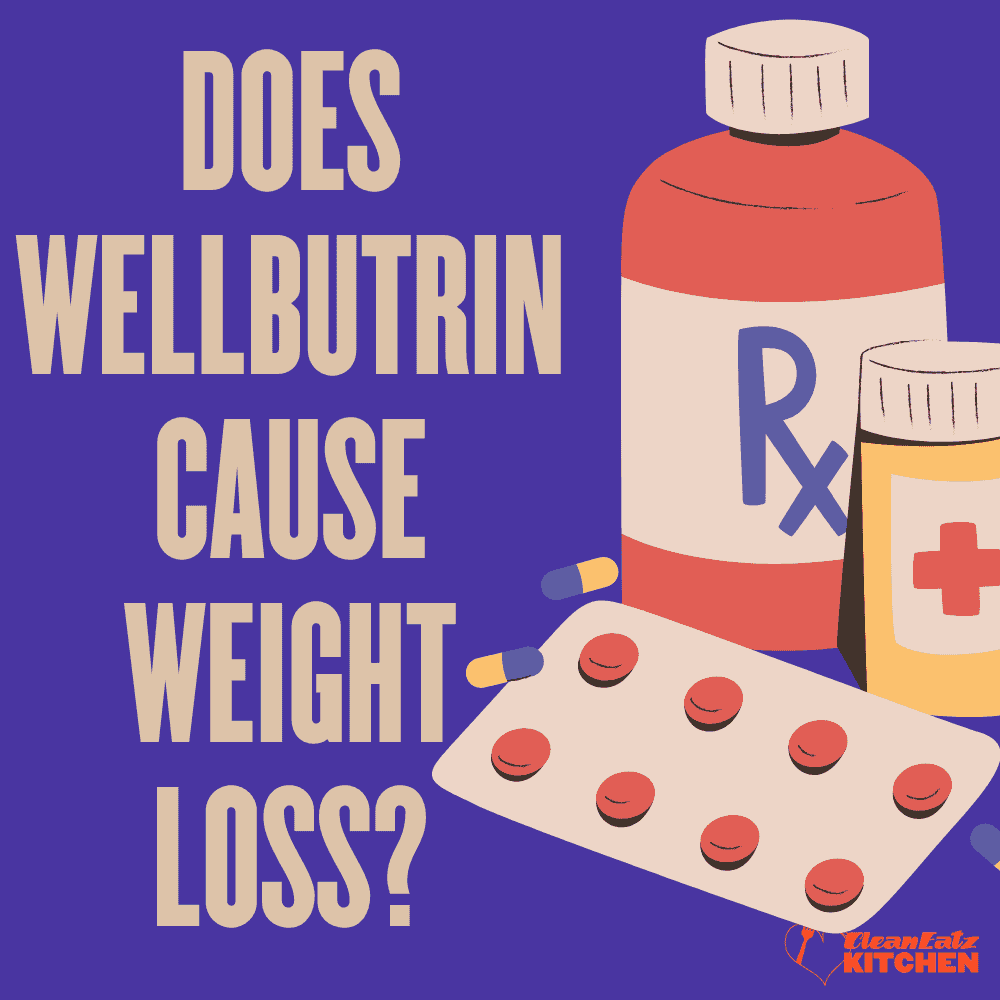

Quick Summary: Wellbutrin (bupropion) is an antidepressant approved for depression and seasonal affective disorder — not for weight loss. Among common antidepressants it is associated with the least weight gain, and some people lose a small amount, but the differences are small and vary a lot between individuals. Bupropion is contraindicated for anyone with bulimia or anorexia nervosa because it raises seizure risk. If weight management is the goal, Contrave (naltrexone plus bupropion) is the medication actually approved for it.
Educational information only. This is not medical advice. Never start, stop, or change a prescription without your prescriber.
Read This First
Because this page is often found by people searching for a medication that might suppress appetite, the most important information belongs at the top rather than buried halfway down.
Do not take bupropion if you have a seizure disorder, or a current or prior diagnosis of bulimia or anorexia nervosa. Bupropion lowers the seizure threshold, and eating disorders involving purging or severe restriction raise that risk considerably. This is a formal contraindication on the drug label, not a caution.2
If you are living with an eating disorder or you recognize something of yourself in that description, the National Alliance for Eating Disorders runs a free, confidential helpline staffed by licensed therapists at 1-866-662-1235, Monday to Friday, 9am–7pm ET.7
All antidepressants also carry a boxed warning about suicidal thoughts and behavior in children, adolescents, and young adults. Monitoring matters most in the first few months and after any dose change.2
What the Research Actually Shows
The best available evidence comes from a 2024 target trial emulation study published in Annals of Internal Medicine, which used electronic health record data from 2010 to 2019 across eight U.S. health systems to compare weight change across eight first-line antidepressants over 24 months.1
Bupropion came out best. At six months, people starting bupropion were 15 to 20 percent less likely to gain a clinically significant amount of weight — defined as 5 percent or more of their starting weight — than people starting sertraline, the most commonly prescribed option.1
Two caveats belong right next to that number, and most coverage of this study leaves them out.
The first is that the authors themselves describe the differences between medications as small. Bupropion users lost roughly half a pound on average at six months, which had turned into a modest gain of about 1.2 pounds by 24 months. This is a story about avoiding weight gain, not producing weight loss.1
The second is that adherence across the follow-up period was low. People did not reliably keep taking what they were prescribed, which weakens how confidently any of these comparisons can be applied to someone who takes their medication consistently.1
Averages also hide the spread. Some people lose weight on bupropion, some stay flat, and some gain. The medication is simply less likely to work against you than several alternatives.
Why Bupropion Behaves Differently
Most antidepressants act on serotonin. Bupropion doesn’t — it inhibits the reuptake of dopamine and norepinephrine instead, which is the likeliest explanation for the difference in weight profile.2
Dopamine is bound up in the brain’s reward pathways, including the ones involved in eating for reasons other than hunger. Norepinephrine influences energy expenditure. Together they may reduce appetite modestly in some people and slightly increase energy, which can translate into moving more without deciding to. Bupropion’s effect on craving circuits is also why a different brand of the same drug, Zyban, is prescribed for smoking cessation.2
Worth being honest about the strength of this: these mechanisms are plausible and partly demonstrated, but they produce a half-pound difference in the data above. The mechanism is more impressive than the outcome.
Is Wellbutrin Prescribed for Weight Loss?
No. Bupropion is approved for major depressive disorder, seasonal affective disorder, and — as Zyban — smoking cessation. Prescribing it for weight loss would be off-label.2
What does happen is that clinicians factor the weight profile in when choosing between antidepressants for someone who is worried about gaining weight. That is a different thing from prescribing a weight loss drug. The medication is less likely to obstruct your efforts, not more likely to advance them.
How Contrave Is Different
If weight is the primary concern, there is a medication built for it. Contrave combines naltrexone, an opioid receptor antagonist, with bupropion in a fixed-dose formulation approved for chronic weight management alongside a reduced-calorie diet and increased physical activity.3
The trial data are substantially stronger than anything for bupropion alone. Across 56-week phase 3 studies, participants taking Contrave with diet and exercise lost an average of roughly 5 to 9 percent of body weight against 1 to 5 percent on placebo — a difference of about 4 to 5 percentage points attributable to the drug.4,5,6
It is not a casual option. Dosing titrates gradually over four weeks, nausea is common, and the same bupropion contraindications apply — including the eating disorder one. Whether you are a candidate is a clinical decision, not a self-assessment.3
Other Side Effects Worth Knowing
Weight is rarely the thing people actually notice first. The common complaints are headache, dry mouth, nausea, dizziness, constipation, increased sweating, and insomnia. Most are mild and many settle as your body adjusts, but persistent symptoms are worth reporting rather than tolerating.2
Insomnia deserves singling out, because bupropion is stimulating and sleep disruption is one of the more common reasons people stop taking it. Morning dosing usually helps. If it doesn’t, that is a conversation about timing rather than a reason to quit unilaterally — and since poor sleep independently makes appetite regulation harder, it is worth solving. Our guide to sleep and health covers why.
Bupropion interacts with a range of medications, including some antidepressants, antipsychotics, and other drugs acting on the central nervous system. Alcohol raises the risk of neuropsychiatric effects and seizures. Give your prescriber a complete list of everything you take, supplements included, and ask specifically about alcohol.2
Stopping abruptly can cause withdrawal symptoms or a return of depressive symptoms. Any discontinuation should be a tapered plan made with your prescriber.2
What to Realistically Expect
There is no predictable weight outcome with bupropion. Your response depends on baseline weight, sleep, stress, other medications, whether your depression is improving, and what you eat and how you move — that last pair mattering considerably more than the prescription.
If your weight moves in a direction that concerns you, in either direction, raise it with your prescriber rather than reacting on your own. Weight change during antidepressant treatment can reflect the drug, recovering appetite as depression lifts, worsening symptoms, or something unrelated entirely. Untangling that is their job.
What doesn’t change with any medication are the fundamentals. Protein, fiber, and minimally processed food support mental health and weight management at the same time, and our guide to the best foods for weight loss covers what that looks like in practice. If you want a starting number rather than a principle, the calorie calculator will give you one.
Making Nutrition Easier While You Sort Out Medication
Starting or changing an antidepressant is a period when cooking tends to be the first thing to go. Low energy, disrupted sleep, and an unpredictable appetite are a bad combination for anyone trying to eat consistently, and consistency is the part that actually matters.
Our Weight Loss Meal Plan is calorie-controlled with macros printed on every label, so portions are handled without you having to think about them on a bad week. If you would rather choose each meal yourself, Build Your Meal Plan lets you pick from the full menu and filter for what you actually want to eat.
Frequently Asked Questions
Does Wellbutrin cause weight loss?
Not usually. Bupropion is associated with the least weight gain among common first-line antidepressants, and some people lose a small amount, but the differences between medications are small and individual results vary widely. It is not approved for weight loss and is not prescribed for that purpose.1
Is Contrave the same as Wellbutrin?
No. Contrave is a fixed-dose combination of naltrexone and bupropion, FDA-approved for chronic weight management alongside a reduced-calorie diet and increased physical activity. Wellbutrin is bupropion alone, approved for major depressive disorder and seasonal affective disorder, not weight loss.3
Is Wellbutrin safe for someone with an eating disorder?
No. Bupropion is contraindicated in anyone with a current or prior diagnosis of bulimia or anorexia nervosa, because it lowers the seizure threshold and these conditions raise seizure risk further. If you are living with an eating disorder, tell your prescriber before any antidepressant is chosen.2
How much weight can you lose on Contrave?
In 56-week trials, participants taking Contrave alongside diet and exercise lost an average of roughly 5 to 9 percent of body weight, compared with 1 to 5 percent on placebo. Contrave is prescription-only and is not appropriate for everyone, so eligibility is a conversation with a clinician.4,5
What should you do if your weight changes on Wellbutrin?
Bring it to your prescriber rather than adjusting anything yourself. Weight change can reflect the medication, improving or worsening depression, appetite shifts, or other medications. Never start, stop, or change a dose without your prescriber’s guidance.
References
1. Petimar J, Young JG, Yu H, et al. Medication-induced weight change across common antidepressant treatments: a target trial emulation study. Ann Intern Med. 2024;177(8):993–1003. doi:10.7326/M23-2742
2. WELLBUTRIN (bupropion hydrochloride) [prescribing information]. GlaxoSmithKline. Includes boxed warning, contraindications, and adverse reactions.
3. CONTRAVE (naltrexone HCl and bupropion HCl extended-release) [prescribing information]. Currax Pharmaceuticals LLC.
4. Greenway FL, Fujioka K, Plodkowski RA, et al. Effect of naltrexone plus bupropion on weight loss in overweight and obese adults (COR-I): a multicentre, randomised, double-blind, placebo-controlled, phase 3 trial. Lancet. 2010;376(9741):595–605.
5. Apovian CM, Aronne L, Rubino D, et al. A randomized, phase 3 trial of naltrexone SR/bupropion SR on weight and obesity-related risk factors (COR-II). Obesity. 2013;21(5):935–943.
6. Halseth A, Shan K, Walsh B, Gilder K, Fujioka K. Method-of-use study of naltrexone sustained release (SR)/bupropion SR on body weight in individuals with obesity. Obesity. 2017;25:338–345.
7. National Alliance for Eating Disorders — free therapist-staffed helpline and treatment referral database. allianceforeatingdisorders.com
This content is for educational purposes only and is not a substitute for personalized advice from a qualified healthcare professional. If you are experiencing thoughts of self-harm, contact the 988 Suicide & Crisis Lifeline by calling or texting 988 in the US.