
Cooking for one provides a frustrating math problem in the kitchen since nearly every recipe and storage container is typically designed for households of three or four. If not planned out right, the result of making such recipes in a solo household is wasted food, wasted money, and wasted time. A flexible prepared meal delivery for one person option can fit into a realistic solo healthy eating routine.
Why Cooking For One Is Harder Than Cooking For Many
The economics of cooking favor scale. Recipes get cheaper per serving as the number of servings increases. Ingredients get cheaper per ounce in larger packages. The structural reality of grocery stores, kitchen tools, and recipe websites assumes a multi-person household.
Solo eaters fight this assumption every time they open the fridge. A standard recipe yields four servings. Halving it sounds simple, but creates awkward measurements like a quarter onion or a third of a can of beans. Most home cooks abandon precision when scaling down, which can lead to dishes turning out wrong or to wasted unused ingredients sitting in the fridge waiting for a recipe that never comes.

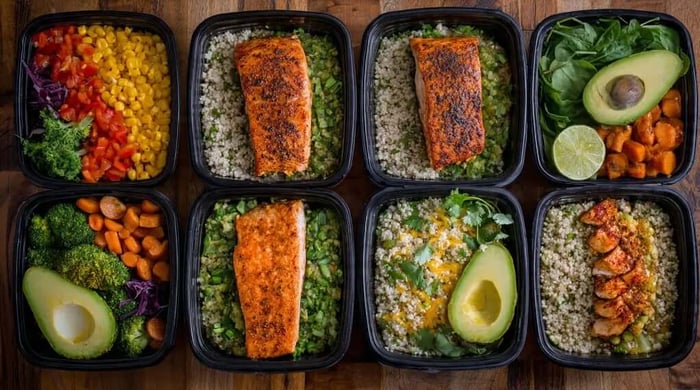
Grocery Store Sizing
Produce is sold by weight and in bunch sizes built for families. A bunch of celery rarely shrinks to fit a single person. A loaf of bread usually goes stale before one eater finishes it. Larger package sizes can increase spoilage before foods are eaten, adding unnecessary costs over time.
Time Cost Per Meal Climbs For Solo Eaters
Cooking a meal for one takes nearly as long as cooking a meal for four. The prep and cooking time as well as cleanup remain almost constant. Meal delivery for solo eaters directly addresses this asymmetry.
The Leftover Fatigue Phenomenon
A solo eater who batch-cooks ends up eating the same dish four nights in a row. By night three, the food has lost all appeal. By night four, it usually goes in the trash. For many solo eaters, the biggest obstacle isn't cooking—it's eating the same leftovers for several days in a row. Leftover fatigue is likely one of the primary reasons single-person batch cooking fails, even though it is widely recommended as the answer to single-person meal prep.
Meal prep doesn't have to be complicated.
Get our free guide — shortcuts, meal ideas, and a system that makes eating well the easy option.
The Most Common Single-Person Cooking Mistakes
Buying Too Much Fresh Produce
A bag of greens, a bunch of asparagus, and a pound of berries all bought on the same Sunday will not survive the week. Solo eaters consistently overbuy fresh produce because smaller package sizes are not available. Produce accounts for the largest share of household waste, particularly in single-person households. Buying half the planned quantity remains the most reliable fix.
Skipping The Plan And Ordering Takeout
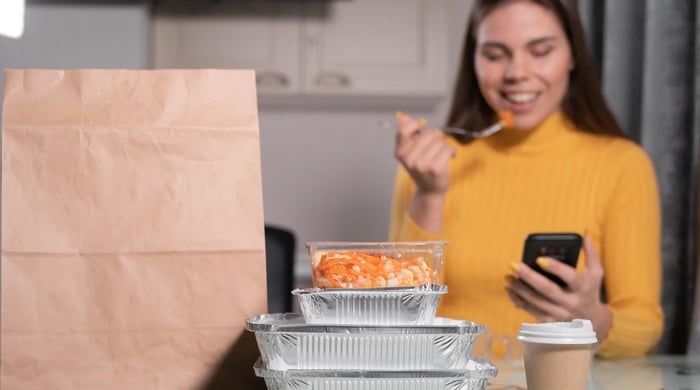
Without a weekly plan, solo eaters can default to takeout multiple times a week, which can often cost more than groceries plus a meal delivery subscription would cost. The fix is a flexible weekly routine that reduces decision fatigue while leaving room for variety. Meal-delivery services can be one tool that helps create that structure.
Underestimating Storage
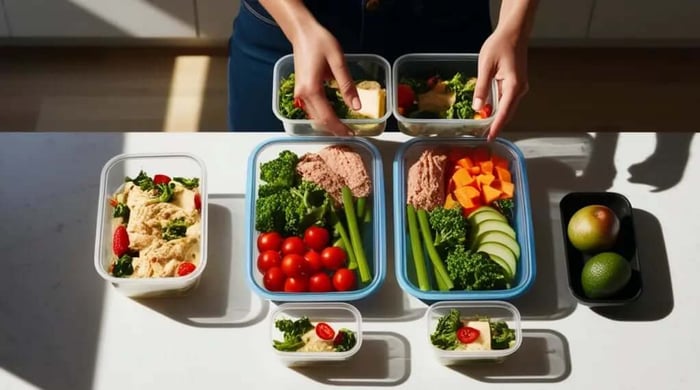
A small investment in reusable portion-sized containers can make meal prep far more practical for one person. By freezing individual servings, you can reduce food waste, preserve variety, and make healthy meals more convenient on busy days.
The Three Solo Meal Prep Frameworks
Freeze Five, Eat One
The single biggest fix for solo batch cooking is to portion and freeze most of the batch immediately rather than refrigerate everything. A batch of chili that yields six servings becomes five frozen single portions and one fresh dinner. The frozen portions resurface weeks later as a variety rather than as the same meal four nights in a row.
Component Prep
Component prep involves cooking ingredients separately and assembling them differently each day. A batch of grilled chicken, a pot of rice, and a tray of roasted vegetables become five different meals over five days, each with different sauces, herbs, and combinations. This approach can deliver variety without daily cooking time, and it can adapt to whatever a solo eater is craving.
Hybrid Framework
The hybrid framework combines a few orders of healthy meal delivery prepared food with simple home cooking. The delivery handles three or four meals per week. Home cooking covers two or three. Restaurants cover the rest. This split gives solo eaters predictable nutrition without the full-time labor of cooking every meal at home.
Smart Grocery Shopping For Single People
Buying In Smaller Quantities
Per-ounce pricing favors larger packages, but per-meal cost favors smaller ones once waste is accounted for. A small package of greens fully consumed costs less than a large package half-thrown away. For many solo eaters, paying a little more for smaller packages can reduce food waste and lower overall grocery costs because the value comes from the food actually eaten; not simply the food purchased.
Some produce keeps well for solo eaters, and some does not. Cabbage, root vegetables, citrus, apples, and hardy greens like kale can last 10 to 14 days in the fridge. Berries, lettuce, herbs, and stone fruit can last three to five days. A grocery list weighted toward the longer-lasting category can cut waste dramatically without sacrificing nutrition.
Frozen Vegetables As An Underused Solo Tool
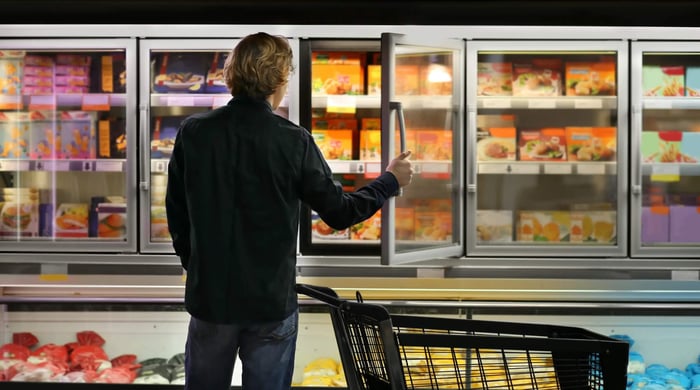
Frozen vegetables are often underrated. Quality is high, waste is minimal because the bag stays frozen until used, and per-ounce prices are usually competitive with fresh. Solo eaters who replace half their fresh vegetable purchases with frozen alternatives can save money and time, while reducing waste and without compromising nutrition.
A Solo Meal Prep Plan
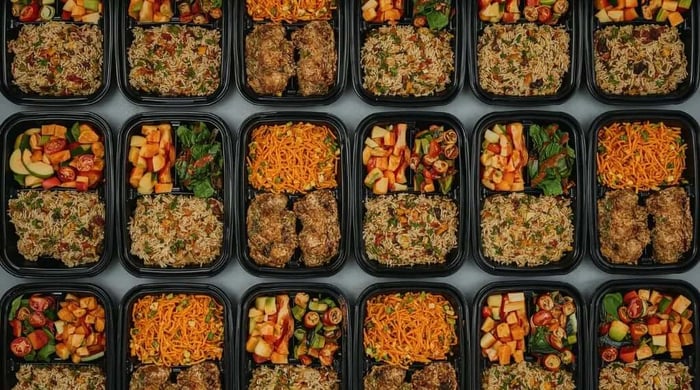
An effective solo meal prep plan should be simple enough to execute in a short Sunday afternoon session. This can increase the likelihood of sticking with meal prep and, in turn, reduce reliance on takeout.
Plan Five Meals Across The Week, Not Seven: Plan for five home meals plus two flex slots for restaurants or meal delivery for solo eaters. The flex slots prevent over-shopping and account for the reality that many solo eaters do not eat at home seven nights per week. This single change can help reduce solo grocery waste.
Use Two or Three Proteins Across the Five Meals: Buying chicken, ground turkey, and salmon creates ingredient overlap across meals. The same chicken supports two distinct dishes when prepared with different seasonings. Two or three proteins can be enough to handle five meals without producing leftovers that feel repetitive by Wednesday night.
Shop With A List Built From The Plan: Translate the five-meal plan into a shopping list before going to the store. Buy only items on the list. Shopping from a list can help reduce impulse purchases that may contribute to food waste. No-prep meal delivery services can help reduce shopping volume even further by replacing some planned meals during the week.
Sunday Reset Routine For Solo Cooks
Solo eaters who protect Sunday afternoons from social commitments can support meal prepping goals and save time cooking during the week. This time can also be used to do a quick check of expired goods in the pantry and fridge as well as create a running checklist of kitchen inventory that you can use as a foundation for the next week's meals.
Why Healthy Meal Delivery Often Fits Singles Best
For many solo eaters, meal delivery can help solve the structural problems of single-person cooking.
Built-In Portion Control For One: Each meal arrives as a single serving, which can eliminate leftover fatigue. Each meal includes nutrition information, including calories, which reduces time used for meal portioning and tracking. Also, the serving never multiplies into four nights of the same dish. Premade meal delivery may better fit the needs of many solo eaters than family-sized recipes.
Reduced Waste From Recipe Math: It's unlikely that a solo eater has half a can of tomatoes, a third of an onion, or two unused egg yolks sitting in the fridge to make single servings of their favorite recipes. Delivery meals reduce this issue since every ingredient was portioned during preparation. Solo eaters who switch to delivery can see a reduction in food waste over time.
Less Time Spent Preparing Meals: Meals heat in three to five minutes. Cleanup simply involves a single container placed in the trash or recycling bin. This can save ample time a solo eater would typically spend cooking, prepping, and cleaning up around meal times.
Calorie and Macro Targets Become Automatic: Each meal lists exact calories, protein, carbs, and fat. Solo eaters with weight loss or fitness goals can hit targets without tracking apps or food scales. The math is solved before the food arrives, which is a structural advantage.
Habits That Can Make Solo Eating Sustainable
Eating At The Table
Recent research shows that eating in front of a screen can increase overeating in some people. Focused meals can produce a more satisfying experience and slow down eating enough for satiety signals to register.
Following A Loose Weekly Menu Rather Than Strict Rules
A loose menu can provide direction without creating rigidity. A solo eater who knows that Mondays are protein-and-vegetables and Tuesdays are pasta- or grain-based has enough structure to plan groceries while preserving daily flexibility. Having this flexibility can make healthy eating seem like less of a chore, which can help you stick with it to reap the benefits.
Tracking Without Obsessing About Macros
Solo eaters with fitness goals can benefit from tracking what they eat. Photographing meals or making rough notes in a phone app can provide enough data without a daily measurement burden.
Make Kitchen Time Enjoyable
A healthy, prepared meal delivery service automatically supplies the macro data, so tracking takes just a few seconds rather than being the dominant activity for every meal. To make solo cooking and tracking more enjoyable, try pairing kitchen time with audio entertainment, a podcast, or a phone call with a friend.
When To Mix Cooking And Meal Delivery
Busy Work Weeks Favor Meal Delivery
Weeks with heavy meetings, evening commitments, or travel days can strain home cooking schedules. The best prepared meal delivery service for singles can carry the week without requiring much cognitive load. Recognizing the busy week in advance and pre-ordering meals on Sunday can prevent the Wednesday-night collapse into ordered pizza.
Travel Recovery Weeks Need Easy Wins
Returning home from travel, the fridge is empty, the body is tired, and the will to cook is at its lowest. A pre-arranged meal delivery waiting on the porch removes the decision and the labor. Solo eaters who plan delivery for the day can look forward to smoother re-entries into normal eating patterns until their post-travel groceries arrive.
Health Setbacks And High-Stress Stretches
Illness, bereavement, breakups, and high-stress work periods can reduce solo cooking capacity. These are exactly the periods when nutrition matters most. A meal prep or meal delivery backup can help ensure that the hardest weeks can still produce healthy meals rather than weeks of takeout and frozen pizzas.
Bottom Line for Solo Eating Meal Prep
Solo eating done well can provide a quality-of-life upgrade. The right combination of frameworks, smart shopping, and selective use of delivery can produce a fridge that reduces food waste, cooking that does not feel like a chore, and a body that gets what it needs. Browse Clean Eatz Kitchen's build a custom plan to help anchor your solo system.
Sources
Buck-McFadyen, E. V. (2015). Rural food insecurity: When cooking skills, homegrown food, and perseverance aren't enough to feed a family. Canadian Journal of Public Health, 106(3), e140-e146. SpringerRural food insecurity: When cooking skills, homegrown food, and perseverance aren’t enough to feed a family
Wolfson, J. A., Bleich, S. N., Smith, K. C., & Frattaroli, S. (2016). What does cooking mean to you? Perceptions of cooking and factors related to cooking behavior. Appetite, 97, 146-154. Sciencedirectsciencedirect.com/science/article/abs/pii/S0195666315301070
Wansink, B., & van Ittersum, K. (2013). Portion size me: Plate-size induced consumption norms and win-win solutions for reducing food intake and waste. Journal of Experimental Psychology: Applied, 19(4), 320-332. ApaAPA PsycNet
U.S. Department of Agriculture. (2024). Food loss and waste. USDA. usda.gov/foodlossandwaste
Mayo Clinic Staff. (2024). Healthy meal planning: Tips for older adults. Mayo Clinic. Mayoclinicmayoclinic.org/healthy-lifestyle/nutrition-and-healthy-eating/in-depth/senior-health/art-20044699
Harvard T.H. Chan School of Public Health. (2023). Healthy eating plate. The Nutrition Source. HarvardHealthy Eating Plate • The Nutrition Source