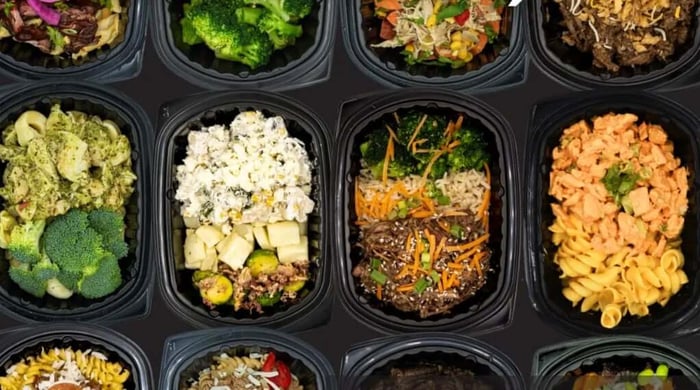

A 1,500-calorie meal delivery plan can produce steady weight loss for most adults by creating a calorie deficit while still providing room for balanced nutrition. The amount of weight lost each week will depend on your starting weight, age, sex, and activity level. However, this is an extremely low calorie level that may be unsustainable, especially since your body will adjust your metabolic rate to compensate. Pre-portioned low-calorie meal delivery plans can help provide a predictable energy intake each day to help support your weight loss goals.
The Math Behind 1,500-Calorie Weight Loss
The 3,500 Calorie Per Pound Rule
Weight loss math is simple in theory, but can be complicated in practice. The body burns a certain number of calories daily to support basic functions and activity. When intake stays meaningfully below that number, the body taps stored fat to make up the difference.
The pace of fat loss depends on how large the daily gap is and how consistently it holds. The classic approximation is that a 3,500-calorie deficit produces one pound of fat loss. A 500-calorie daily deficit in turn produces about a pound lost per week, while a 1,000-calorie daily deficit produces two pounds lost. For someone who maintains their weight on 1,800 to 2,400 calories per day, eating 1,500 calories would theoretically create a daily calorie deficit of about 300 to 900 calories. In practice, however, actual weight loss varies from person to person because metabolism and energy needs change over time.
Why Maintenance Calories Vary So Widely
Maintenance is the daily calorie burn that keeps your weight stable. A 5-foot-2-inch sedentary 55-year-old woman might maintain her weight at 1,600 calories daily. On the other hand, a 6-foot-tall active 35-year-old man might maintain his weight at 2,700 calories daily. The same 1,500-calorie plan would therefore produce a 100-calorie deficit for the first person and a 1,200-calorie deficit for the second, which would produce wildly different weight loss results.
Additionally, your metabolic rate will adjust to compensate for a calorie deficit as well – meaning that you will likely lose weight slower than the "3,500 calories per pound" rule dictates.
For this reason, dietitians typically recommend a balanced approach that only slightly limits calories to encourage gradual weight loss.
What Realistic Weekly Weight Loss Looks Like
Sustainable fat loss is slower than most people expect. The Centers for Disease Control recommends 1 to 2 pounds of weight loss per week as a healthy, sustainable rate.
The first few weeks typically produce the biggest change in the scale because glycogen stores are depleted and the water stored alongside glycogen is released. Additionally, inflammation decreases as food quality improves. When weight loss slows down in the second month or so, this pace more closely reflects ongoing fat loss. It's no reason to get discouraged!
The First Two Weeks: Water Weight Versus Fat Loss
Glycogen Depletion And Water Loss
Understanding what is actually happening prevents the common mistake of thinking the plan stops working when the rapid initial loss slows. Each gram of glycogen stored in muscle and liver holds 3 to 4 grams of water. When calorie intake drops below maintenance, the body first taps into glycogen, releasing bound water. Many adults may lose several pounds of water weight during the first week, although the amount varies between individuals.
Sodium And Inflammation Reductions
Switching from a typical mixed diet to a healthy prepared meal delivery option may reduce sodium intake and the consumption of highly processed foods. This can in turn help reduce inflammation and fluid retention which could lead to an additional drop in scale weight during the first few weeks.
What The Scale Reads Versus What The Mirror Reflects
The rapid weight loss seen during the first few weeks often slows as water losses stabilize, but that doesn't mean your plan has stopped working. Continued progress during the following weeks typically reflects a greater proportion of fat loss. Staying consistent through this transition is key to long-term success.
If the scale is stressing you out, you don't have to weigh yourself. Consider gauging your progress based on how your clothes fit, on body measurements, or on progress photos.
How Activity Level Changes Your Results
Sedentary Versus Lightly Active Maintenance
Activity level is one of the biggest factors influencing daily calorie needs. Two adults of the same age and body size may have different maintenance calorie needs depending on how active they are throughout the day. A sedentary adult typically requires about 1.2 times their basal metabolic rate (BMR) to maintain their weight, while a lightly active adult may require about 1.4 times their BMR. For a 75-kilogram adult with a BMR of 1,500 calories per day, that translates to an estimated maintenance intake of about 1,800 calories for someone who is sedentary and about 2,100 calories for someone who is lightly active. Even adding regular brisk walks or other forms of physical activity can increase daily energy expenditure and support weight-loss efforts over time.
Why Resistance Training Outperforms Cardio
A pound of muscle burns roughly 6 calories per day at rest, compared with about 2 calories for a pound of fat. Although gaining muscle modestly increases resting energy expenditure, its greatest benefit during weight loss is helping preserve lean tissue. Resistance training can reduce muscle loss during a calorie deficit, helping maintain strength and physical function.
Step Counts And Non-Exercise Activity
Non-exercise activity thermogenesis is the calories burned through daily movement that is not formal exercise. Standing, walking, fidgeting, and household activities all count. The difference between 4,000 and 10,000 daily steps can be an additional 200 to 300 calories burned, which can compound significantly over weeks. Pairing a low-calorie meal delivery service with regular daily movement can provide a balanced approach to weight loss.
Common Reasons People Lose Less Than Expected
If you lose less weight than you're expecting even though you've been sticking to your plan, there are a few things you can troubleshoot. The following issues can account for lower than average weight loss on a meal plan at any calorie level. Recognizing them early can prevent any discouragement that could derail your weight loss efforts:
Hidden calories: Cooking oil, added condiments, and snacking outside of planned healthy snack times can make calories add up fast. A meal delivery plan covers only the meals it ships. Anything added at home counts toward your total for the day and can reduce your daily calorie deficit.
Overestimated maintenance calories from online calculators: Standard calculators use general activity multipliers that may not match your real life. For example, an office worker who spends most of the day sitting may burn fewer calories than a calculator predicts. If your weight loss is slower than expected after several weeks, consider that your maintenance calorie needs may be lower than originally estimated.
Inadequate protein driving muscle loss instead of fat loss: Inadequate protein can increase the risk of losing lean muscle during weight loss. A systematic review and meta-analysis found that in lower-protein weight-loss interventions, lean tissue accounted for nearly half (about 48% to 50%) of the total weight lost. In contrast, higher-protein diets (at least 1.0 gram of protein per kilogram of body weight per day or 25% or more of total calories from protein) reduced lean tissue losses to about 21% to 22% of total weight lost. To help preserve muscle during weight loss, aim for approximately 1.2 to 1.6 grams of protein per kilogram of body weight each day.
Insufficient sleep or chronic stress elevating cortisol: Sleep below six hours per night and chronic high-stress periods can both raise cortisol, which may promote abdominal fat storage and water retention.
How To Maximize Results On A 1,500-Calorie Plan
Hit Protein First At Every Meal
Aim for 30 grams of protein per meal across three meals, or 25 grams per meal across four. This typically lands at 90 to 120 grams of protein daily on a 1,500-calorie plan. Adequate protein protects muscle, increases satiety, and keeps the loss skewed toward fat. A premade meal delivery for weight loss option built around 30+ grams of protein per entrée delivers this target without daily planning.
Add Volume With Vegetables And Fiber
Adding a large salad or two cups of roasted vegetables to any meal increases satiety without adding meaningful calories. Aim for 25 to 35 grams of fiber daily on a 1,500-calorie plan. This helps with fullness and prevents the constipation that often accompanies reduced food volume.
Plan With Daily Steps
A 30-minute walk after dinner and two weekly strength-training sessions transform a 1,500-calorie diet from a slow grind into a sustainable lifestyle. A 30-minute walk after dinner increases daily energy expenditure. The strength sessions protect muscle. Both improve sleep and mood, which, in turn, feed back into appetite control and adherence over time.
Steps To Maximize Results
While it may be tempting to follow a 1,500-calorie meal plan for weight loss, this calorie level may be too low for most people – especially once you add exercise to the equation.
Instead, calculate your daily calorie needs and choose a sustainable calorie target based on that number. Add exercise you enjoy, including some resistance training to protect your muscles. Aim to get enough sleep, and add protein and fiber to every meal. Evaluate your progress every few weeks and make adjustments as needed.
If you want extra support during this process, consider consulting a registered dietitian nutritionist or an obesity medicine specialist.
When you reach your target weight, gradually increase calories toward your estimated maintenance intake while continuing to monitor your weight and hunger. This can help you avoid the sudden weight rebound that comes from jumping back to pre-diet eating. Many adults use a weight-loss meal delivery plan during the loss phase, then switch to a slightly higher-calorie variant for maintenance.
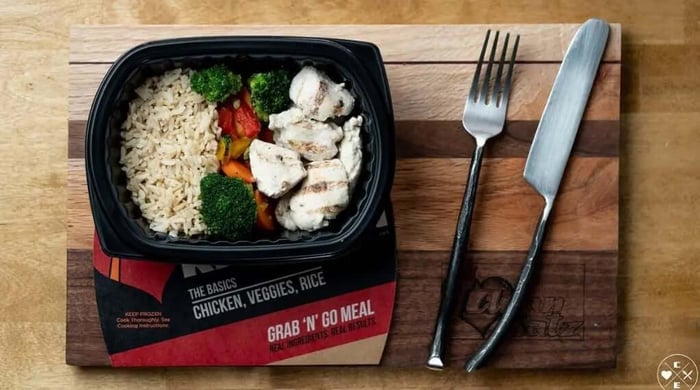
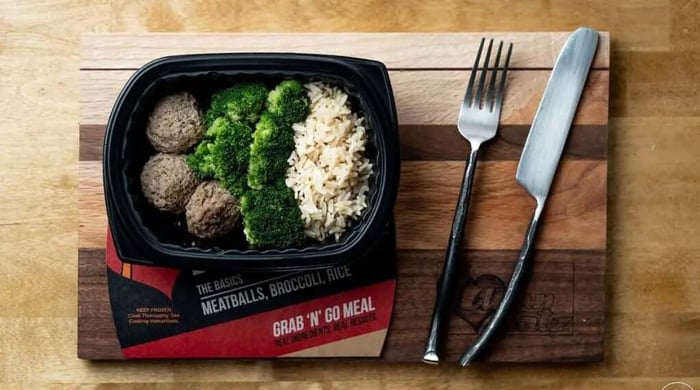
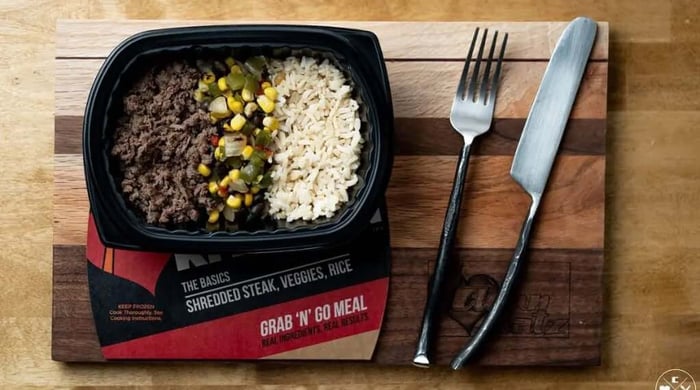
Evaluate a ready-to-eat meal delivery option for the broader convenience benefit. Clean Eatz Kitchen's weight-loss meal plan features chef-cooked, single-serve meals built around a 1,500-calorie target to help solve one of the common challenges of weight-loss plans: inconsistent portion sizes and calorie intake.
Sources
Hall and Chow. Why is the 3500 kcal per pound weight loss rule wrong? – International Journal of Obesity (2013)
Thomas et al. Time to Correctly Predict the Amount of Weight Loss with Dieting – Journal of the Academy of Nutrition and Dietetics (2015)
Steps for Losing Weight – CDC (2025)
Fernandez-Elias et al. Relationship between muscle water and glycogen recovery after prolonged exercise in the heat in humans – European Journal of Applied Physiology (2015)
Rakova et al. Increased salt consumption induces body water conservation and decreases fluid intake – Journal of Clinical Investigation (2017)
Asensi et al. Low-Grade Inflammation and Ultra-Processed Foods Consumption: A Review – Nutrients (2023)
NASM's Calorie Calculator – NASM Personal Training (2026)
MedLine Plus. Muscle cells vs. fat cells – National Library of Medicine (2024)
Kim et al. Effects of dietary protein intake on body composition changes after weight loss in older adults: a systematic review and meta-analysis – Nutrition Reviews (2016)
Carbone et al. Exploring Opportunities to Better Characterize the Effects of Dietary Protein on Health across the Lifespan – Advances in Nutrition (2025)
Dumesic et al. Interplay of Cortisol, Testosterone, and Abdominal Fat Mass in Normal-weight Women with Polycystic Ovary Syndrome – Journal of the Endocrine Society (2023)
Moon and Koh. Clinical Evidence and Mechanisms of High-Protein Diet-Induced Weight Loss – Journal of Obesity and Metabolic Syndrome (2020)
Medline Plus. Dietary Fiber – National Library of Medicine (2023)