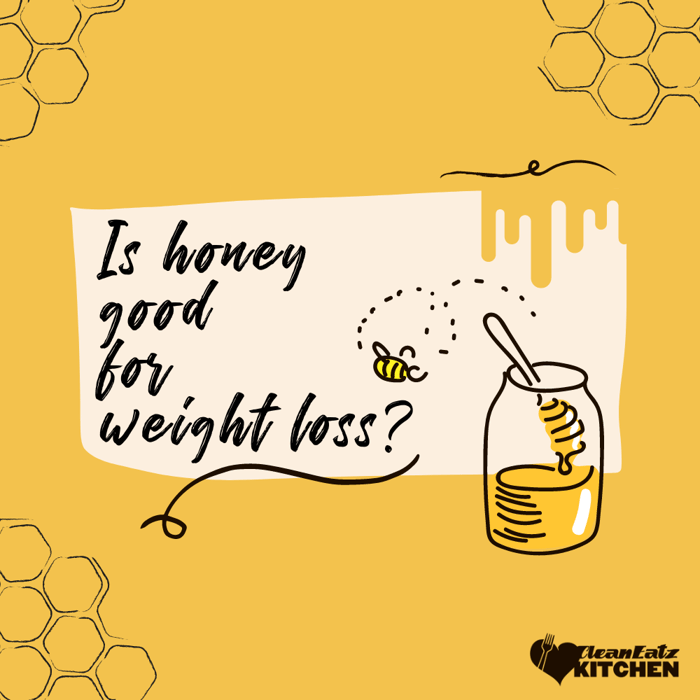
Quick Answer: Honey isn't a magic weight loss food, but it can support your goals when used strategically. With a lower glycemic index than table sugar (around 50-60 vs. 65), honey causes a slower blood sugar rise that may reduce cravings over time. Studies also show that honey contains antioxidants, which can help lower inflammation. The key is using it mindfully and keeping the portions small.
Honey has long been touted for its health benefits, but can it actually help you shed unwanted pounds? You may have heard claims that taking a teaspoon of honey before bedtime will help you drop a waist size in around three weeks. That sounds too sweet to be true, right?
The reality is more nuanced. While honey won't melt away belly fat on its own, research suggests it offers some genuine advantages over refined sugar when you're trying to lose weight. Let's explore what the science actually says about honey and weight management.
What Is Honey?
Honey is a sweet, thick liquid produced by honeybees from the nectar of flowers. The production process involves regurgitation, enzymatic activity, and water evaporation—bees work remarkably hard to create this natural sweetener. Honeybees need to visit up to 2 million flowers to produce one pound of honey.
What makes honey different from table sugar isn't just its origin. During production, bee enzymes break down sucrose into two simpler sugars—fructose and glucose—which your body digests and absorbs easier than table sugar.
Nutritional Profile of Honey
A tablespoon of honey (about 21 grams) contains approximately 60 calories and 17 grams of sugar. That's actually slightly more calories than the same amount of table sugar. So why would honey be any better for weight loss?
The answer lies beyond the calorie count. Honey contains trace amounts of vitamins and minerals including B vitamins, potassium, calcium, iron, copper, and zinc. More importantly, high-quality honey is rich in polyphenols and flavonoids—antioxidants that have been linked to reduced inflammation and improved metabolic function. These bioactive compounds are what set honey apart from plain sugar. They're also why researchers have become increasingly interested in honey's potential effects on obesity and metabolic health.
What Research Says About Honey and Weight Loss
A 2022 review published in Frontiers in Nutrition examined the role of honey in obesity and showed honey "...exerts anti-obesity effects in animal studies by reducing body weight, BMI, body fat composition..." However, clinical trials showed less dramatic results. The mechanisms behind these effects appear to involve honey's various bioactive compounds. However, a deeper understanding of honey's role in obesity treatment is still needed.
The Glycemic Index Advantage
One of honey's most practical benefits for weight management is its glycemic index (GI). The GI measures how quickly foods raise blood sugar levels, with lower numbers indicating a more gradual rise.
Honey typically scores between 50-60 on the glycemic index, while table sugar comes in higher around 65-80. This difference matters because rapid blood sugar spikes (caused by a higher GI) are often followed by crashes that trigger hunger and cravings—exactly what you want to avoid when trying to lose weight. The steadier energy release from lower GI foods means you're less likely to experience the energy crashes that send you reaching for another snack an hour after eating.
How to Use Honey for Weight Management
The most effective way to incorporate honey into a weight loss plan is as a replacement for refined sugars—not an addition to them. Swapping the sugar in your morning oatmeal or tea for a teaspoon of raw honey gives you the same sweetness with potential metabolic benefits.
Some people find that warm water with honey and lemon first thing in the morning helps curb sweet cravings throughout the day. While this isn't a proven weight loss method, it can serve as a helpful ritual for those trying to reduce their refined sugar intake.
Honey also pairs well with protein-rich breakfasts like Greek yogurt or peanut butter on whole grain toast. The protein and fiber slow down the absorption of honey, further moderating the blood sugar response and keeping you fuller longer.
For those following a structured meal plan, honey can add some natural sweetness without derailing your goals. If you're looking for help with balanced, calorie-controlled meals that make it easy to stay on track while losing weight, consider the Clean Eatz Weight Loss Meal Plan—which leaves room for small indulgences like a drizzle of honey as desired.
Health Benefits Beyond Weight Loss
Even if honey's direct impact on weight loss is limited, its broader health benefits make it a smart swap for refined sugar. Consider the following benefits of honey:
Antioxidant protection: High-quality honey contains phenolic compounds and flavonoids that help neutralize free radicals and reduce oxidative stress—a contributor to chronic disease and aging.
Cardiovascular support: Studies have shown that honey can improve lipid levels, but the total impact on cardiovascular health needs further investigation.
Antibacterial effects: Honey has been used for wound healing and fighting infections for centuries, and modern research confirms its antimicrobial properties.
Important Considerations
Despite its benefits, honey is still a concentrated source of sugar and calories. Consuming too much will undermine any weight loss efforts. Most experts recommend limiting honey to 1-2 teaspoons daily when weight management is a goal.
Not all honey is created equal. Some commercial products may blend honey with corn syrup or other sweeteners, which would change the nutritional profile. Check the ingredient list and look for raw honey (no additives) from reputable sources—the darker the honey, the more antioxidants it typically contains.
If you have diabetes or insulin resistance, talk to your healthcare provider before adding honey to your diet. While honey has a lower GI than table sugar, it still affects blood sugar and should be counted as part of your carbohydrate intake.
Finally, never give honey to infants under 12 months old. It can contain spores that cause botulism poisoning (infants are more susceptible).
FAQ
Can honey alone lead to weight loss?
No, honey alone cannot cause weight loss. Weight management requires a calorie deficit achieved through balanced nutrition and regular physical activity. Honey can support weight loss efforts when used in limited amounts within a healthy diet, but it's not a magic solution for losing weight.
Is raw honey better for weight loss than processed honey?
Raw honey retains more nutrients, antioxidants, and beneficial enzymes than processed honey, which may offer additional health benefits. Raw honey also tends to have a slightly lower GI. However, both types should be consumed in moderation as part of a balanced diet.
How much honey can I eat per day when trying to lose weight?
Most nutrition experts recommend limiting honey intake to 1-2 teaspoons (about 7-14 grams) per day when managing weight. One tablespoon of honey contains approximately 60 calories and 17 grams of sugar, so moderation is essential to avoid excess calorie intake.
Does honey have a lower glycemic index than sugar?
Yes, honey typically has a lower GI (around 50-60) compared to table sugar (around 65-80). This means honey causes a slower, more gradual rise in blood sugar levels, which may help reduce cravings and energy crashes. However, the GI varies by honey type—acacia honey is particularly low at a GI of 35-40.
Can people with diabetes use honey as a sugar substitute?
People with diabetes should consult their healthcare provider before adding honey to their diet. While honey has a lower GI than sugar, it still contains carbohydrates that affect blood sugar levels. If approved by a doctor, honey should be used sparingly and counted as part of total carbohydrate intake.
The Bottom Line
Honey isn't a miracle weight loss solution—no food is. But when used thoughtfully as part of a balanced diet, it offers genuine advantages: a lower GI, beneficial antioxidants, and compounds that may support a healthy metabolism.
The evidence suggests that honey, consumed in moderation as part of a healthy diet and active lifestyle, is a smarter sweetener choice than table sugar. The key is substitution, not addition—and keeping portions reasonable at 1-2 teaspoons daily.
If you're looking for a structured approach to weight loss that takes the guesswork out of healthy eating, explore the Clean Eatz Complete Meal Prep Guide.